









Introduction: A Mixed Bag of Results
Sapphire Foods India Limited, a dominant force in the quick-service restaurant (QSR) sector, operating major franchises like KFC and Pizza Hut across India and Sri Lanka, has released its financial results for the second quarter of the 2027 fiscal year. The report paints a complex picture of a company balancing aggressive expansion and robust revenue growth against the backdrop of shifting consumer spending patterns and rising operational costs.
While the company reported a net loss of Rs 1.1 crore for the quarter ending September 30, 2026—a decline from the profit of Rs 14.2 crore recorded in the preceding quarter (Q1 FY27)—the narrative is nuanced. When viewed through a year-on-year (YoY) lens, the company demonstrates resilience, having significantly narrowed its losses from the Rs 12.8 crore reported in the same period last year. As the QSR industry continues to navigate a competitive landscape, Sapphire Foods’ latest disclosure offers a critical window into the mechanics of brand scaling and consumer engagement in a price-sensitive market.
The Chronology of Financial Performance
To understand the trajectory of Sapphire Foods, one must analyze the progression across recent quarters. The transition from Q2 FY26 to Q2 FY27 shows a clear shift in operational efficiency.
- Q2 FY26: The company reported a net loss of Rs 12.8 crore, a period marked by high capital expenditure and market entry costs.
- Q1 FY27: A period of relative stability, where the company managed a profit of Rs 14.2 crore.
- Q2 FY27: The current reporting period shows a net loss of Rs 1.1 crore. While technically a swing back into the red, the reduction in losses compared to the year-ago period indicates an underlying improvement in the business model’s capacity to absorb costs.
The company’s revenue trajectory has been consistently positive, signaling that while bottom-line profitability remains volatile, the top-line demand for its offerings remains robust.
Supporting Data: The Engine of Growth
The most striking figure in the latest filing is the 19.7% jump in revenue from operations, which climbed to Rs 888 crore from Rs 742 crore in the corresponding quarter of the previous fiscal year. This growth was not incidental; it was driven by a deliberate strategy to capture market share through value-based pricing.
EBITDA and Margin Analysis
The company’s EBITDA (Earnings Before Interest, Taxes, Depreciation, and Amortization) grew by 23.5% to reach Rs 126 crore, compared to Rs 102 crore in the same period last year. Even more encouragingly, the EBITDA margin expanded to 14.2% from 13.7%. This expansion suggests that despite the net loss, the core restaurant operations are becoming more efficient at converting revenue into operating cash flow.
Store Expansion
Expansion remains a cornerstone of Sapphire Foods’ growth philosophy. As of September 30, 2026, the company’s total footprint reached 1,086 outlets. During the quarter, the company added 15 new KFC restaurants and one Pizza Hut outlet in Sri Lanka, signaling a continued commitment to deep penetration in its core markets.
KFC: A Record-Breaking Quarter
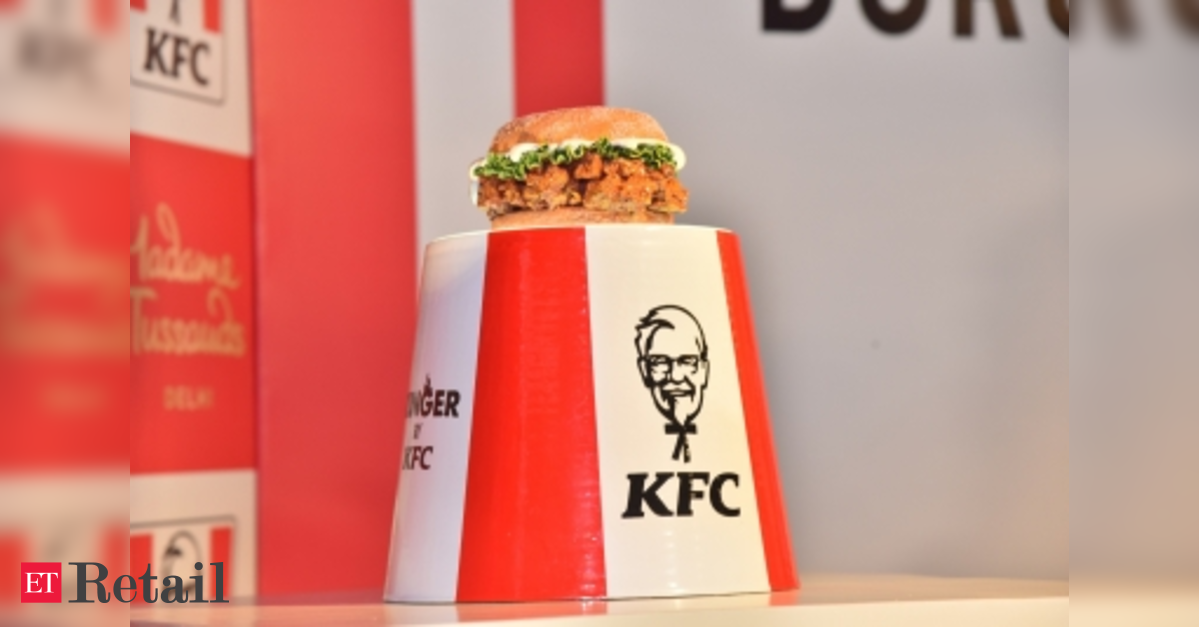
The star performer for the quarter was undoubtedly the KFC franchise. Achieving 26% revenue growth, the brand hit a 16-quarter high. This performance was supported by a 14% Same Store Sales Growth (SSSG), driven by a surge in transaction volumes.
The company noted that the "dine-in" and "takeaway" segments significantly outperformed the delivery segment. This shift is notable, as it suggests a return to pre-pandemic consumer habits, where the physical restaurant experience—coupled with aggressive value promotions—is once again a primary driver of foot traffic.
The Value Strategy
Sapphire Foods’ management attributed this success to a "value-focused" acquisition strategy. By introducing price-sensitive products like the Rs 99 Chicken Krisper Burger Meal and the Rs 149 Thalaiva Meal (specifically tailored for the Tamil Nadu market), the brand successfully lowered the entry barrier for new customers. These "value meals," combined with the classic "buy-one-get-one" (BOGO) chicken bucket offers, served as a catalyst for the double-digit transaction growth that defined the quarter.
Pizza Hut: A Turnaround in Progress
Historically, Pizza Hut has struggled to match the explosive growth of the KFC business within the Sapphire portfolio. However, the Q2 FY27 results indicate that the brand is finally finding its footing.
Pizza Hut reported 7% revenue growth and its highest SSSG in the last seven quarters. The strategy mirrored that of the KFC business, with successful implementation of value-driven offers, including the Rs 99 four-course meal.
However, it is not all smooth sailing. The segment’s EBITDA margin stood at a negative 2.8%, representing a 100-basis-point contraction compared to the previous year. The primary culprit for this margin pressure was elevated energy costs, which continue to act as a drag on the segment’s profitability. Management is currently evaluating strategies to optimize energy usage and supply chain efficiencies to bring this segment back to positive EBITDA territory.
Implications for the QSR Industry
The results from Sapphire Foods are reflective of broader trends in the Indian retail and food services landscape:

- The "Value" War: Indian consumers are increasingly price-conscious. QSR brands that rely on premium positioning are finding it difficult to scale, whereas those that offer "value-for-money" bundles are seeing higher footfalls.
- Operational Leverage: The fact that margins expanded despite a net loss indicates that the company is successfully managing its fixed costs. The challenge remains in balancing aggressive store expansion with the need for immediate profitability.
- Inflationary Pressures: Energy costs, raw material fluctuations, and logistics remain significant threats to margin stability. Pizza Hut’s struggles with energy costs are a bellwether for the rest of the industry, which is grappling with similar input cost inflation.
- Regional Localization: The success of the "Thalaiva Meal" demonstrates the growing importance of hyper-localization. Brands that adapt their menus to regional tastes and pricing thresholds are outperforming those with one-size-fits-all strategies.
Official Perspective and Future Outlook
While a formal statement from the CEO was not detailed in the filing, the investor presentation highlights a management team that is "cautiously optimistic." The focus for the remainder of FY27 appears to be two-fold: sustaining the momentum in the KFC business through continued value offerings and aggressively targeting a turnaround in the Pizza Hut segment.
The company’s commitment to maintaining a massive footprint of over 1,000 stores is a clear indicator that they are playing a long-term game. In a market as vast and diverse as India, scale is often the best defense against localized competition. However, the path to sustained profitability will require the company to translate its top-line growth into consistent net profits.
Conclusion
Sapphire Foods India Limited stands at a crossroads. Its Q2 FY27 performance validates the strength of its brands and its ability to attract customers through strategic pricing. Yet, the net loss highlights the underlying sensitivity of the QSR model to operational costs and market volatility.
For investors and industry observers, the next two quarters will be crucial. If the company can stabilize the Pizza Hut segment and continue to leverage its scale to drive down supply chain costs, the current losses could be viewed as a necessary investment in market dominance. Conversely, if margin pressures persist, the company may need to pivot its expansion strategy to favor higher-margin, more efficient locations over pure volume growth.
As the retail sector in India continues its rapid evolution, Sapphire Foods remains a bellwether for the industry’s ability to balance the demands of a growing middle class with the realities of a challenging global economic environment. The company’s ability to turn its "value-first" strategy into a "profit-first" reality will be the defining theme of the coming fiscal year.