









You didn’t launch your business to spend your days drowning in spreadsheets, manually migrating customer data between disconnected apps, or chasing cold leads. Yet, for the vast majority of solo founders and small business owners, administrative friction remains the primary barrier to growth.
We have entered a new era of business management where artificial intelligence (AI) has transitioned from an enterprise-only luxury to a foundational necessity for startups. Today, the most effective software is designed for how businesses actually operate—agile, lean, and data-driven. This guide explores how you can leverage the latest AI innovations to reclaim your time, optimize your operations, and compete with market incumbents.
The Core Reality: Why AI is No Longer Optional
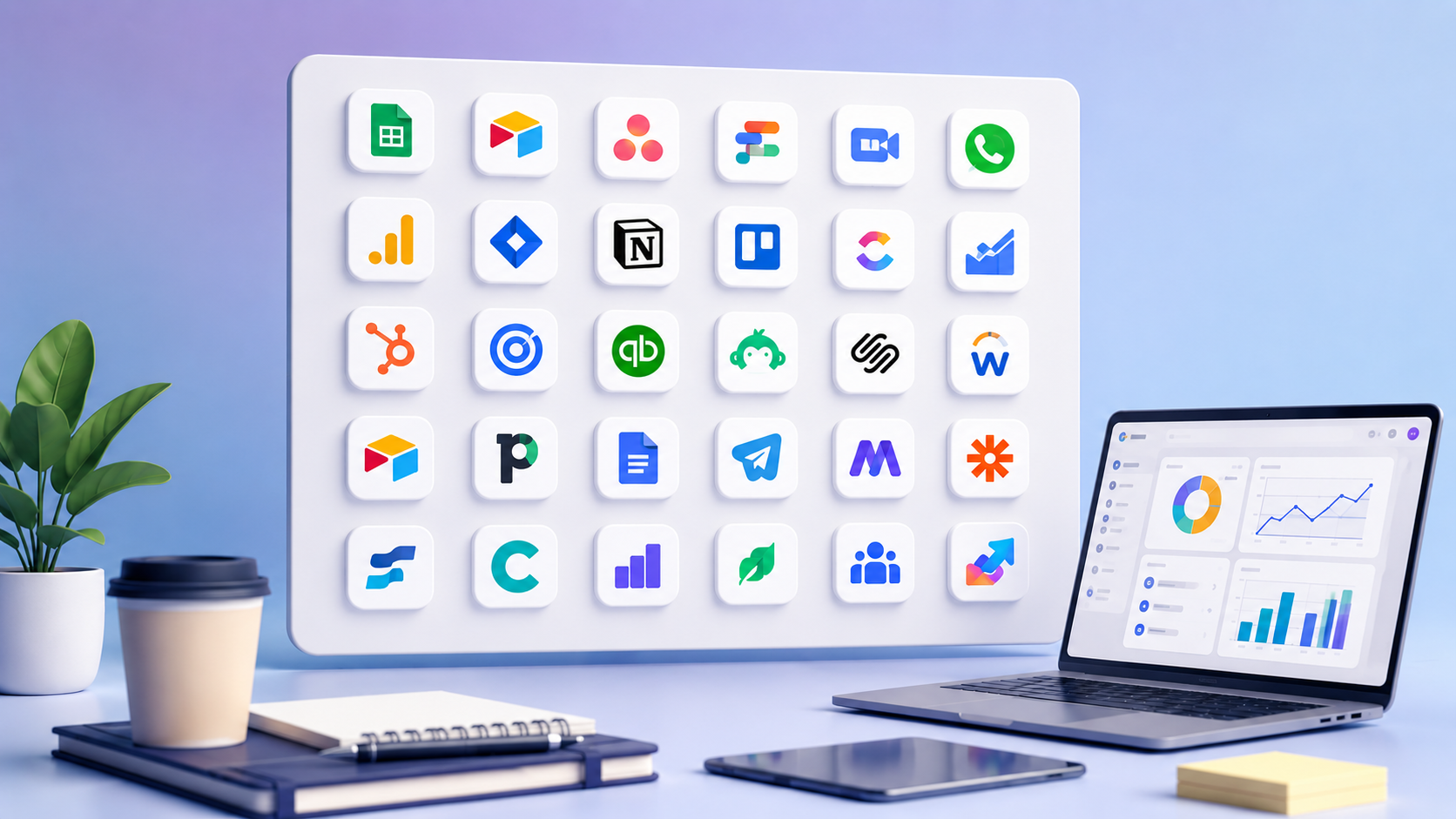
For the modern entrepreneur, the challenge is no longer a lack of tools, but a surplus of them. With thousands of solutions flooding the market, the risk of "tech bloat"—investing in tools that operate in silos—is at an all-time high.
The Shift Toward Intelligent Ecosystems
Business management software now utilizes advanced intelligence to automate complex, repetitive tasks, analyze massive data sets for actionable insights, and generate high-quality content. Essentially, these tools act as an additional team member, allowing a team of two to perform with the output of a department of ten.
According to the latest Small and Medium Business Trends Report, 76% of SMBs that have successfully integrated AI-backed technology are experiencing significant growth. This isn’t a coincidence; it is the direct result of operational efficiency.
Chronology: Building Your AI-Powered Tech Stack
Building a scalable business requires a specific order of operations. You cannot automate chaos. Here is the chronological path to building an AI-optimized company.
Phase 1: The Foundation (The AI CRM)
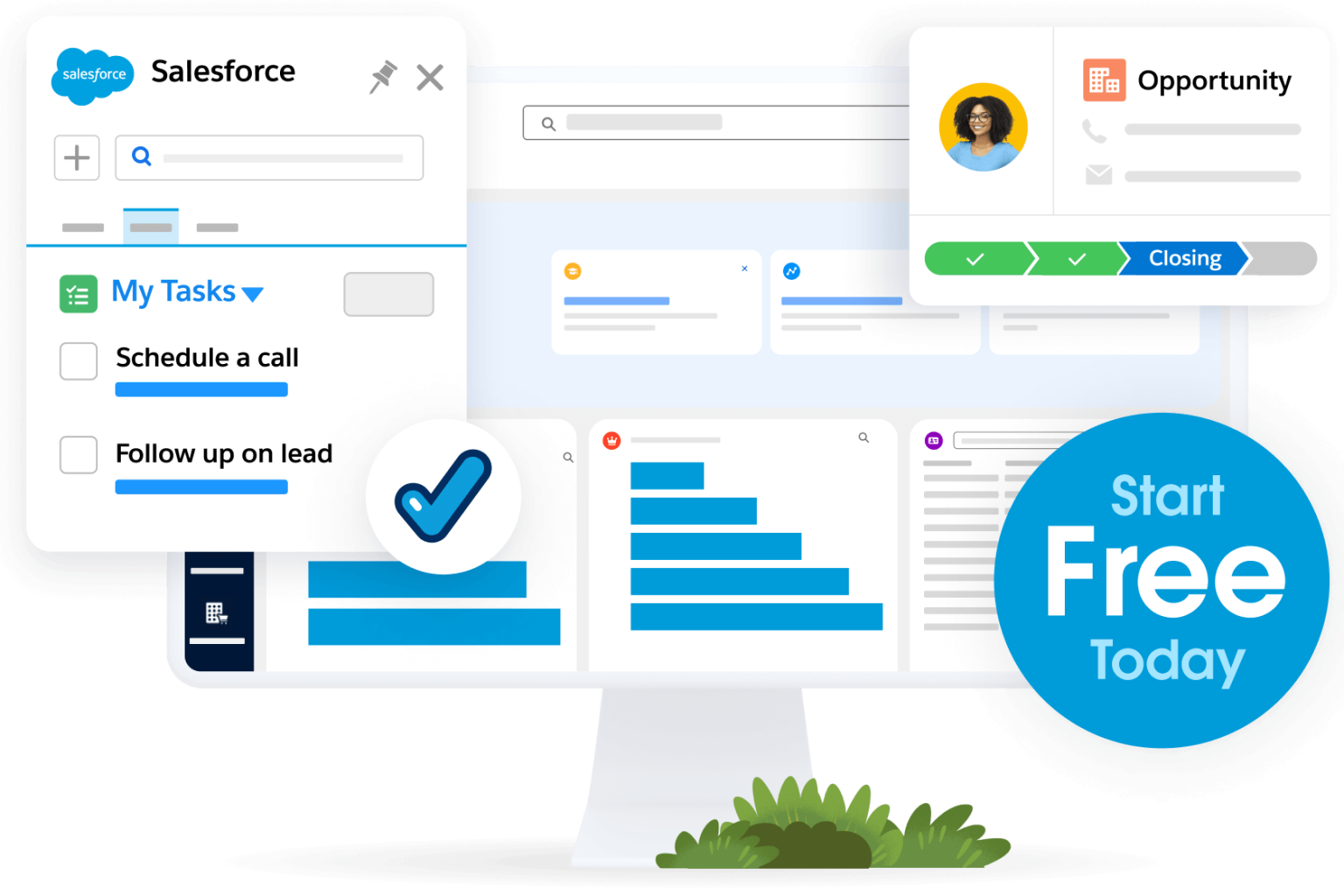
Before adding point solutions, you must establish a "single source of truth." An AI-powered Customer Relationship Management (CRM) system, such as Salesforce AI CRM, serves as your business operating system.
- The Capability: It doesn’t just house data; it synthesizes it. It prioritizes high-value leads, automates follow-up sequences, identifies at-risk accounts, and forecasts revenue.
- The Impact: By centralizing your sales, marketing, and service data, you eliminate the "copy-paste" tax that kills productivity.
Phase 2: Sales and Lead Velocity
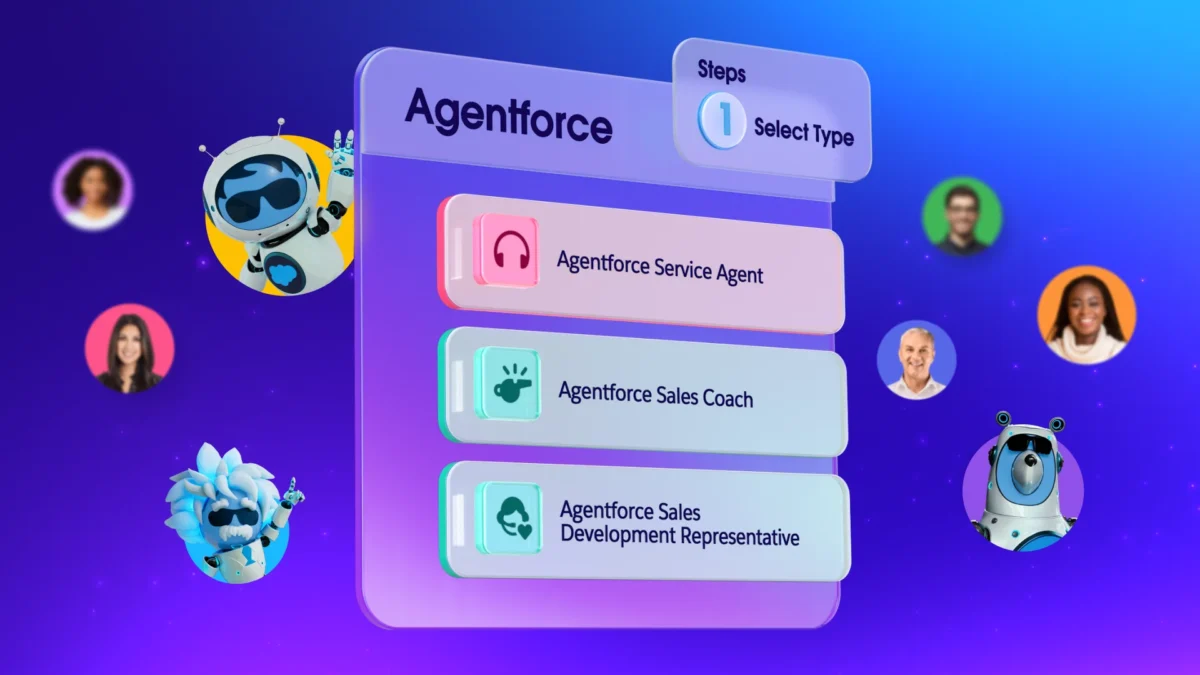
Once your foundation is set, you move to sales acceleration. Agentforce Sales and tools like Apollo.io allow you to automate the prospecting cycle. While Otter.ai captures the nuances of client meetings, Saner.AI acts as a digital brain, ensuring no task or follow-up reminder slips through the cracks.
Phase 3: Marketing and Brand Identity
Marketing is where AI ROI is most visible. Agentforce Marketing, ChatGPT, and Jasper handle the heavy lifting of campaign ideation and content creation. Meanwhile, Canva Magic Studio and Semrush provide the visual and analytical tools to ensure that even a solo founder can maintain a professional, high-visibility brand presence.
Phase 4: Customer Service and Retention
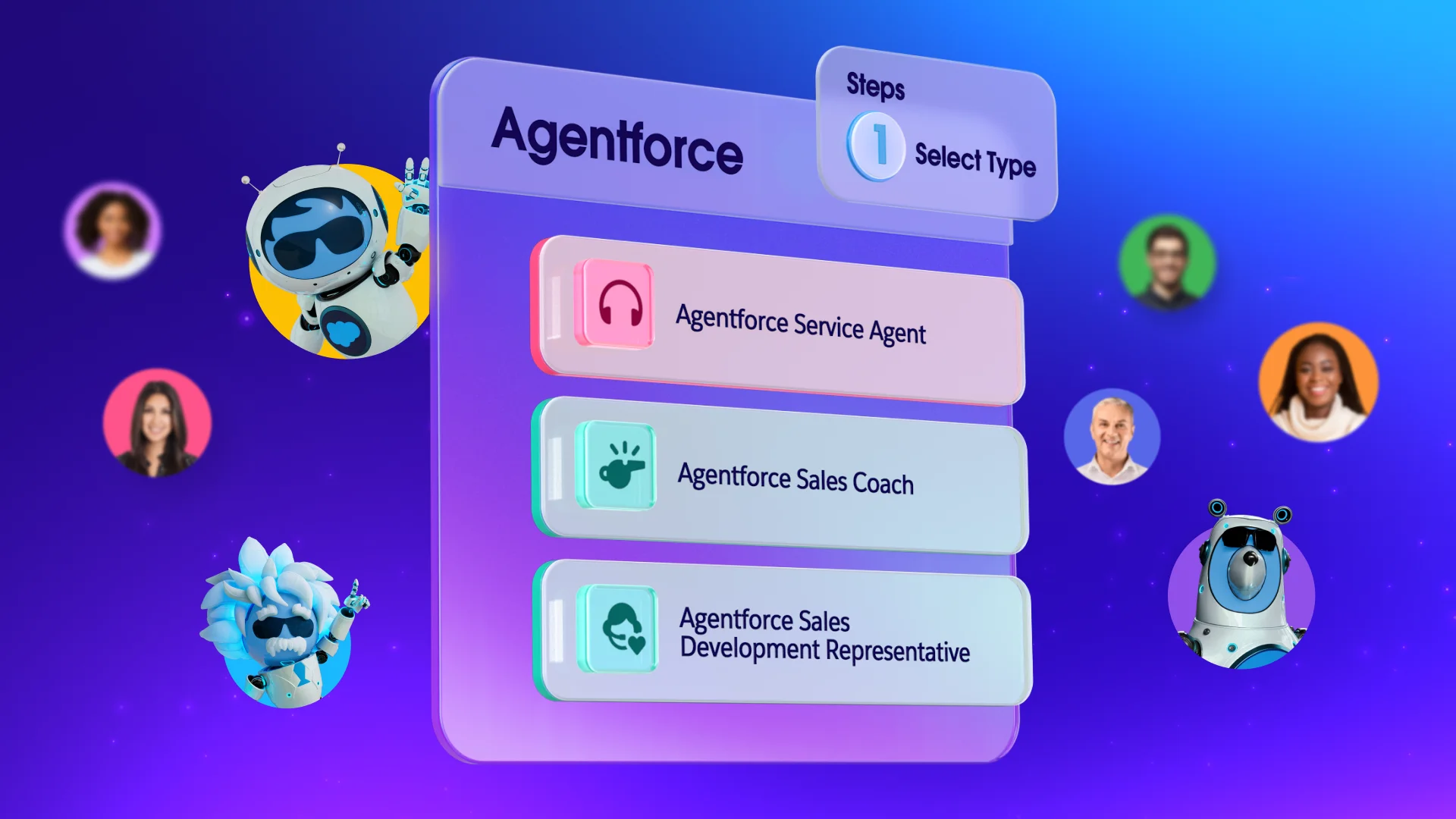
As you scale, support inquiries will grow. Agentforce Service, Tidio, and Intercom Fin utilize AI to resolve common queries 24/7. This preserves your time for high-level strategic work while maintaining high customer satisfaction scores.
Supporting Data: The Efficiency Multiplier
The data behind AI adoption is compelling. For small and medium businesses (SMBs), the implementation of AI-driven workflows yields measurable improvements:
- Revenue Growth: 91% of SMBs utilizing AI report an increase in total revenue.
- Operational Efficiency: 90% of those same businesses cite improved operational speed and reduced manual overhead.
- The "Agentic" Advantage: Unlike basic automation (which just follows a script), "agentic" AI—such as the solutions found in the Agentforce ecosystem—can reason through complex requests, make decisions, and execute multi-step workflows.
Professional Perspectives: The Rise of Agentic AI
Industry experts agree that we have moved past the era of simple chatbots. The current frontier is Agentic AI.

"The next wave of business software isn’t just about automation; it’s about autonomous reasoning," notes a leading industry analyst. "When you connect your CRM to an agentic system, you aren’t just sending an email; you are enabling the system to nurture a lead, resolve a service case, and update your financial forecasting in real-time, without constant human intervention."
This shift is facilitated by platforms like AgentExchange, where businesses can discover and deploy pre-built agents designed to bridge the gap between disparate applications.
Implications: How to Stay Competitive
For the entrepreneur, the implication is clear: The "size" of your business is no longer determined by your headcount, but by your tech stack.

1. Avoid the "Silo Trap"
Many startups fail because they purchase a suite of tools that do not "talk" to each other. By prioritizing platforms that integrate natively—such as the Salesforce ecosystem or Slack’s integration-rich environment—you ensure that your business intelligence remains fluid and accessible.
2. Focus on "Human-in-the-Loop"
The goal of AI is not to replace the entrepreneur, but to elevate them. By automating the administrative burden, you free yourself to focus on the "human touch"—the high-level relationship building, creative strategy, and long-term vision that machines cannot replicate.
3. Start Small, Scale Broad
You don’t need to implement every tool listed here on day one. Start by auditing your day:

- Where are you spending the most time on repetitive tasks?
- Which of these tasks can be handled by an AI agent?
- Is my data centralized enough for an AI to actually understand it?
If the answer to the last question is "no," start with a robust CRM like Salesforce Starter Suite. It is designed to grow alongside you, ensuring that as your revenue increases, your technical infrastructure is ready to support that complexity.
Frequently Asked Questions (FAQ)
What is the best AI software for entrepreneurs just getting started?
If you are at the beginning of your journey, an AI CRM is the highest-leverage investment. It consolidates your sales, marketing, and service data into one platform, allowing you to scale without needing a dedicated IT department.
Is AI software for small business management prohibitively expensive?
Contrary to popular belief, modern AI tools are designed for the startup budget. Many offer "freemium" tiers or scalable pricing models that start at low monthly costs. Salesforce Starter Suite and Foundations are prime examples of enterprise-grade power accessible to small teams.

How do I distinguish between "Automation" and "Agentic AI"?
Automation is "if-this-then-that" logic (e.g., if a form is filled, then send an email). Agentic AI is capable of "reasoning" (e.g., if a customer expresses frustration in an email, then analyze their account history, determine the best retention offer, and suggest it to the account manager).
Can a solo founder really compete with a large corporation?
Yes. In the digital economy, efficiency is the great equalizer. By utilizing the same agentic AI capabilities that large enterprises use, small businesses can provide faster, more personalized service than their larger, more bureaucratic competitors.
Conclusion: The Path Forward
The best time to integrate AI into your business was yesterday; the second best time is today. You do not need to figure out the entire landscape at once. Begin by mapping your most frequent administrative bottlenecks, select a foundational platform that prioritizes integration, and gradually layer in specialized AI agents to handle the rest.

By choosing to lean into these technologies, you aren’t just adopting new software—you are fundamentally changing the trajectory of your business. You are moving from a model of manual labor to a model of scalable, intelligent growth.
AI supported the writers and editors who created this article.