








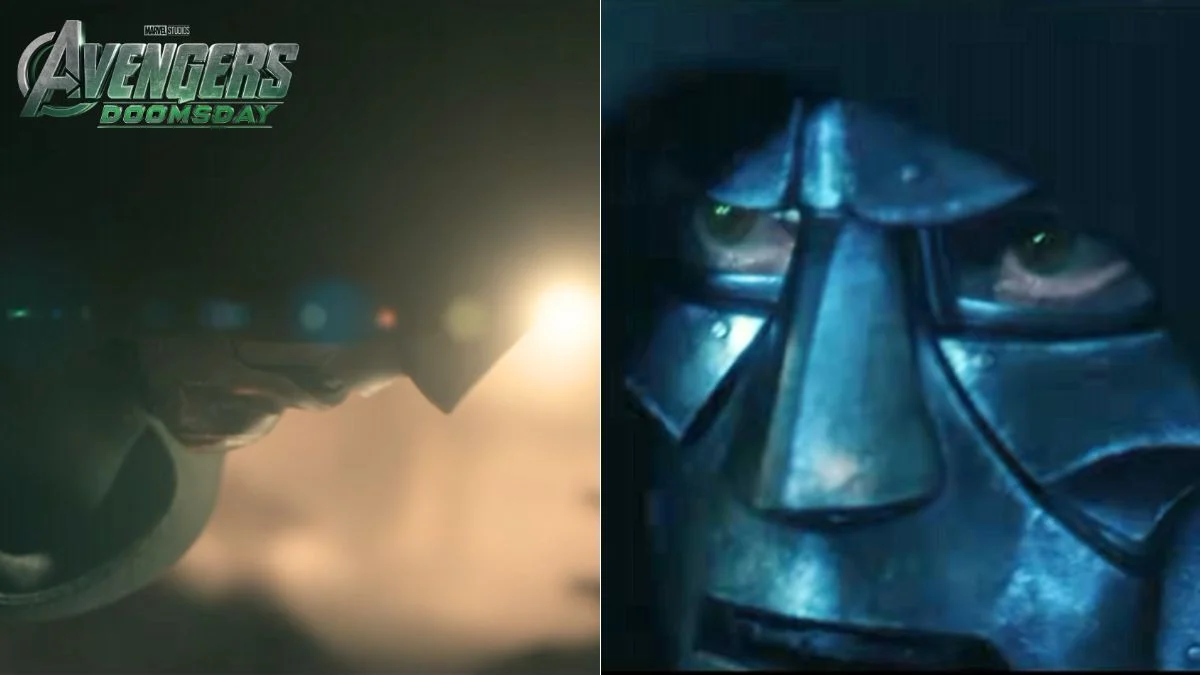
The Marvel Cinematic Universe (MCU) has officially pivoted toward its most ambitious narrative horizon yet. During a highly anticipated "Doomsday Clock" livestream, Marvel Studios pulled back the curtain on Avengers: Doomsday, releasing a pulse-pounding two-minute and 25-second trailer that has sent shockwaves through the global fan base. Confirming a worldwide theatrical release date of December 18, 2026, the footage serves as a stark declaration of intent: the Multiverse Saga is reaching its zenith, and the stakes have never been higher.
Main Facts: A Convergence of Worlds
The trailer, which dropped ahead of the highly anticipated San Diego Comic-Con festivities, confirms that Avengers: Doomsday will function as a massive convergence point for disparate Marvel properties. For years, fans have speculated about how the X-Men, the Fantastic Four, and the legacy Avengers would unite under a single banner. This trailer provides the answer, showcasing a chaotic, multiversal landscape where the boundaries between realities have not just thinned—they have collapsed.
Central to the narrative is the arrival of Victor Von Doom. The footage offers our first cinematic glimpse of the iconic villain, whose armor and mask appear to draw significant aesthetic inspiration from the 2022 Fantastic Four comic run. Unlike previous iterations of MCU antagonists, Doom is presented as an existential threat, capable of feats that defy the established power scales of the franchise.
Chronology of the Crisis: From the X-Mansion to the New Avengers Tower
The narrative arc of the trailer begins in an atmosphere of dread. The opening shots feature Professor Charles Xavier within the familiar halls of the X-Mansion, his expression mirroring the audience’s own sense of foreboding as he witnesses a catastrophic explosion on the horizon—a clear indicator that the mutant population is at the epicenter of this multiversal instability.
The tension escalates rapidly as the scene shifts to the New Avengers tower. In a sequence reminiscent of the high-stakes briefings of the Infinity Saga, legacy heroes—including a weary Thor, still carrying the weight of his Love and Thunder journey—gather to confront the incoming threat. Thor’s presence, clutching his iconic Stormbreaker, provides a grounding element of familiarity amidst the sheer volume of new faces.
As the trailer progresses, the scope of the battle becomes apparent. The screen is flooded with an unprecedented assembly of Marvel’s pantheon. We witness Shuri and M’Baku representing the technological and martial prowess of Wakanda, while Namor, the King of Talokan, brings an oceanic volatility to the fray. The inclusion of the X-Men—specifically Cyclops and Mystique—alongside fan-favorites like Channing Tatum’s Gambit and the master of the mystic arts, Shang-Chi, suggests a "kitchen sink" approach to character inclusion that promises the most crowded battlefield in MCU history.
Perhaps the most enigmatic arrival is that of Loki. Clad in his classic TVA suit and seemingly operating as the "God of Stories" established in his Disney+ series, Loki’s presence implies that the TVA is no longer a silent observer, but an active participant in the coming war.
Supporting Data: The Power of Doom
The trailer’s most chilling moment comes when the film demonstrates the sheer disparity in power between the heroes and their new antagonist. In a sequence that has already become the subject of intense breakdown videos, Victor Von Doom is shown intercepting Thor’s Stormbreaker Slam with a single, unarmored hand.
This level of physical dominance is a departure from the "god-like" threats of Thanos. Thanos relied on the Infinity Gauntlet to reshape reality; Doom, conversely, seems to project a level of raw, inherent power that renders even an Asgardian weapon obsolete. The visual language here is clear: the Avengers are no longer fighting a war of attrition, but a battle for survival against a force they fundamentally cannot comprehend.
Adding to the complexity of the narrative is the return of Steve Rogers. The final moments of the trailer show a figure wielding Mjolnir who, upon turning to face the camera, is revealed to be the original Captain America. This reveal is calculated to generate maximum fan discourse, particularly given that Sam Wilson has officially assumed the mantle of Captain America within the current MCU canon. Whether this is a variant from another timeline, a resurrection, or a time-displaced hero remains the subject of intense debate.
Official Responses and Production Secrecy
Marvel Studios has maintained its signature level of secrecy surrounding the production. While the trailer provides a staggering look at the ensemble, industry insiders suggest that the footage barely scratches the surface of the full cast list.
Much like the strategic marketing maneuvers employed for Spider-Man: No Way Home, where Marvel and Sony went to extreme lengths to omit Tobey Maguire and Andrew Garfield from early promotional material, it is rumored that the studio has utilized extensive CGI to remove several key characters from the trailer’s background shots. This "omission by design" is intended to preserve the impact of certain cameos for the theatrical experience, ensuring that audiences are surprised by the full extent of the multiversal crossover when they enter theaters in 2026.
Implications for the MCU
The release of Avengers: Doomsday carries profound implications for the future of Disney’s cinematic output. The film is officially confirmed to be the first major studio production to utilize "Infinity Vision," a proprietary, next-generation display and audio technology developed by Disney. This tech promises to heighten the immersion of the multiversal visuals, signaling that Marvel is positioning this film not just as a narrative conclusion, but as a technological benchmark.
Thematic Shifts
The inclusion of characters like Magneto—portrayed as a world-weary figure—suggests that Doomsday will lean heavily into the ideological conflicts that defined the X-Men comics. The tension between the Avengers’ traditional "heroism" and the more complex, survivalist morality of the mutants and the Fantastic Four will likely serve as the thematic backbone of the film.
A New Era of Storytelling
With the December 18, 2026 release date, Marvel is signaling a departure from the rapid-fire release schedule of the post-2020 era. By allowing more time for post-production and script refinement, Disney appears to be correcting course, focusing on the "quality over quantity" mantra that CEO Bob Iger has emphasized in recent investor calls.
The presence of the Fantastic Four, integrated so heavily into the aesthetic of the villain, suggests that the MCU is finally ready to embrace the cosmic, high-concept storytelling that Stan Lee and Jack Kirby pioneered in the 1960s. The "Doomsday" moniker is not merely a reference to the villain; it represents the end of the current iteration of the cinematic universe and the birth of a new, perhaps more perilous, reality.
Conclusion: The Long Wait
As the dust settles on the trailer reveal, the Marvel fandom is left to grapple with the sheer scale of what is to come. The promise of an Avengers-level threat that can dismiss the power of a god, combined with the return of legacy icons and the integration of the X-Men, positions Avengers: Doomsday as the most critical event in the studio’s history.
For those tracking the franchise, the next two years will be defined by the "road to Doomsday." As San Diego Comic-Con approaches, fans can expect further revelations regarding the specific plot mechanics of how Steve Rogers returns, the nature of Doom’s origin in this specific timeline, and how the various hero factions will reconcile their differences to face the end of all things.
December 18, 2026, is now circled on calendars worldwide. If the trailer is any indication, Marvel Studios is not just aiming to deliver a blockbuster; they are aiming to rewrite the rules of the superhero genre once again. The clock is ticking, and the Doomsday it heralds may well be the most thrilling experience the MCU has ever offered.