









In the modern digital landscape, the phrase "near me" has become one of the most powerful drivers of consumer behavior. For small and medium-sized enterprises (SMEs), the ability to capture this intent is not merely a marketing tactic; it is a fundamental survival strategy. With 69% of all Google searches now driven by the need for local information, businesses that fail to appear in the "Local Map Pack" are effectively invisible to the vast majority of their target market.
This comprehensive report examines the mechanics, strategies, and implications of Local Search Engine Optimization (SEO), providing a blueprint for businesses aiming to dominate their local digital ecosystem.
1. Main Facts: The Anatomy of Local Search
Local SEO is the specialized practice of optimizing a business’s online presence to ensure it appears prominently when potential customers search for services or products within their immediate geographic vicinity. Unlike traditional SEO, which targets broad, global audiences, local SEO is hyper-focused on proximity, relevance, and prominence.
The Power of the "Local Pack"
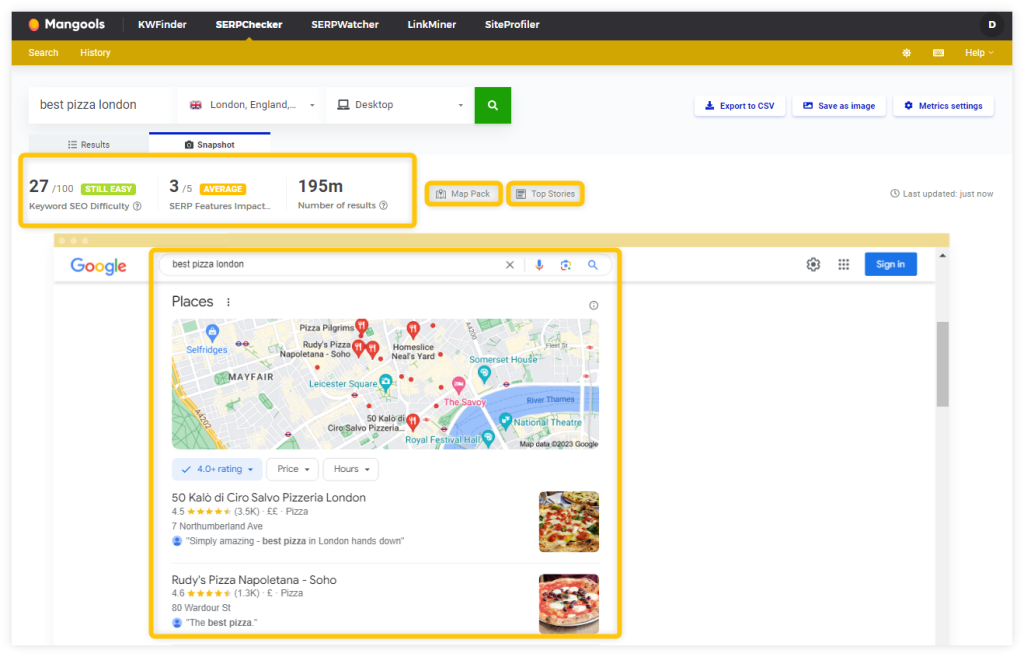
The "Local Pack" (or Map Pack) is the most coveted piece of real estate in modern search. It is the block of three results that appears at the top of the Google search engine results page (SERP), accompanied by a map. Achieving a position here drastically increases the likelihood of a "click-to-call" or "get directions" action, serving as the bridge between a digital search and a physical store visit.

2. Chronology: The Evolution of Local Discovery
The journey of local search has transformed from the era of printed directories to the sophisticated, AI-driven algorithms of today.
- The Yellow Pages Era: Business discovery was passive, relying on physical directories that were updated annually.
- The Desktop Search Revolution (2000s): Search engines emerged, but local results were rudimentary, often failing to differentiate between a business in a neighboring city and one down the street.
- The Mobile-First Shift (2010s): With the proliferation of smartphones, "near me" queries skyrocketed. Google responded by prioritizing geolocation data.
- The AI and Voice Search Era (2020–Present): Today, Google’s algorithm synthesizes user behavior, real-time location data, and high-quality user reviews to provide instant, hyper-accurate recommendations.
3. Supporting Data: Why Local SEO is Non-Negotiable
The data supporting the necessity of local SEO is undeniable. When a user searches for a service, they are usually in the "transactional" stage of the buyer’s journey—they are ready to spend.

- The 69% Statistic: Nearly seven out of every ten searches are localized. Ignoring this means ceding two-thirds of your potential customer base to competitors.
- Conversion Rates: Localized searches have significantly higher conversion rates than general searches because the intent is specific and immediate.
- Trust Indicators: Businesses with active, well-maintained Google Business Profiles (GBP) receive 70% more clicks than those with incomplete profiles.
4. The Pillars of Optimization: How Local SEO Works
Google utilizes three primary signals to rank local businesses: Relevance, Distance, and Prominence.
The Three Core Signals
- Relevance: Does your business offer what the user is looking for? This is determined by your business description, categories, and keyword optimization.
- Distance: How far is your business from the user’s search location? This is non-negotiable and based on real-time GPS data.
- Prominence: How well-known is your business? This is determined by the number of reviews, your rating, and your backlink profile across the web.
5. Tactical Execution: Implementing a Winning Strategy
To compete effectively, businesses must follow a multi-layered approach to SEO.

A. Local Keyword Research
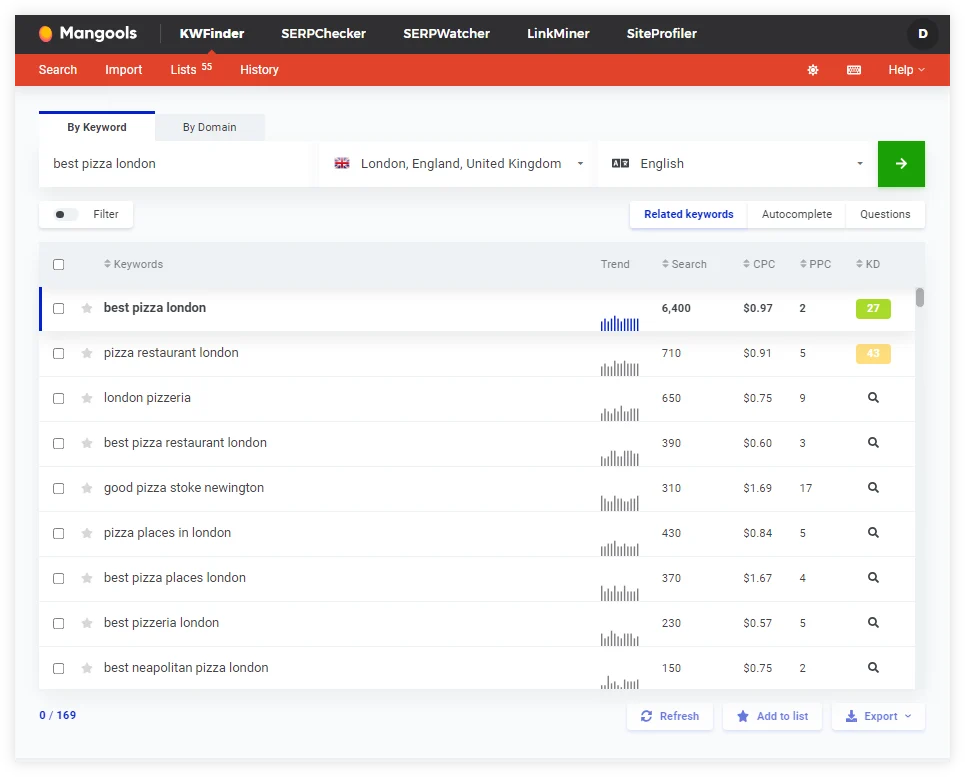
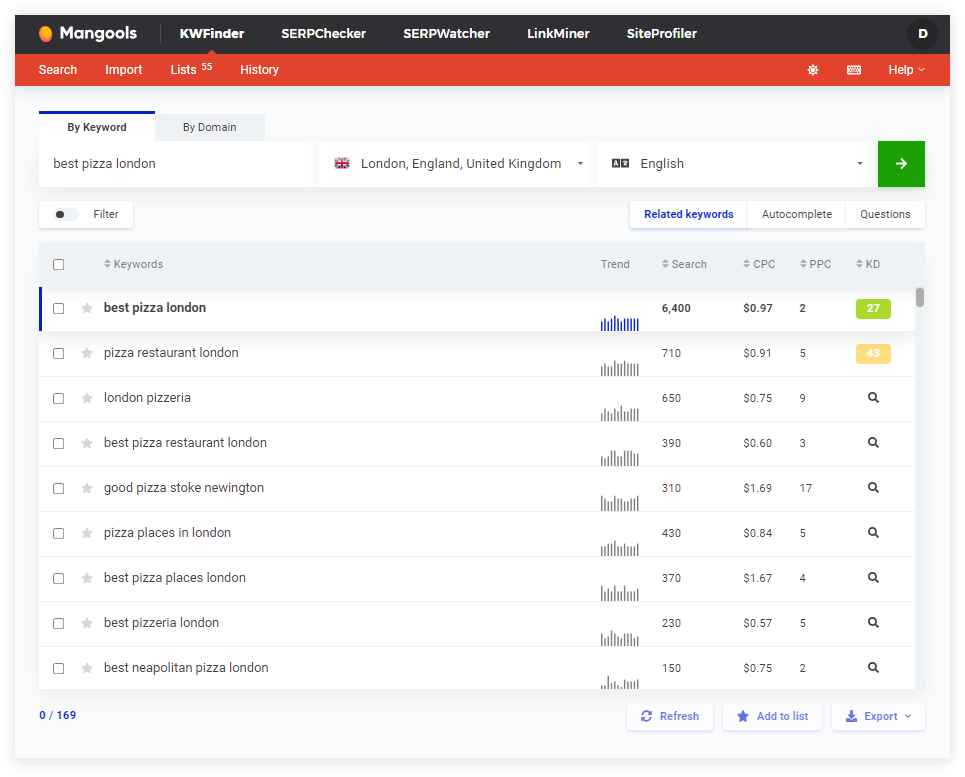
Keywords are the foundation. You must identify both "implicit" keywords (e.g., "best pizza") and "explicit" keywords (e.g., "pizza restaurant in Chicago"). Using tools like KWFinder allows you to see the search volume and difficulty, enabling you to focus on terms that actually drive traffic.
B. Google Business Profile Optimization
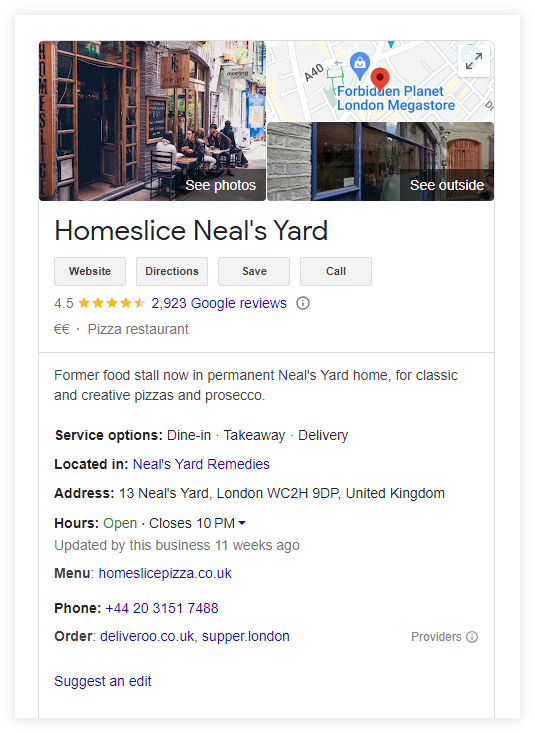
Your GBP is your digital storefront. It must be claimed, verified, and filled with accurate information.
- Pro-Tip: Regularly upload photos of your storefront and products. Profiles with high-quality imagery receive significantly higher engagement.
C. NAP Consistency
NAP stands for Name, Address, and Phone Number. If these details differ across your website, Yelp, Facebook, and local directories, Google’s algorithm loses trust in your data. Consistency is the bedrock of local authority.
D. The Review Loop
Reviews act as social proof. A business with a 4.5-star rating and 200 reviews will almost always outrank a business with a 5-star rating and only two reviews.
- Respond to all reviews: Engaging with customers shows that you are active and value feedback, which is a major ranking factor.
E. Localized Content and Link Building
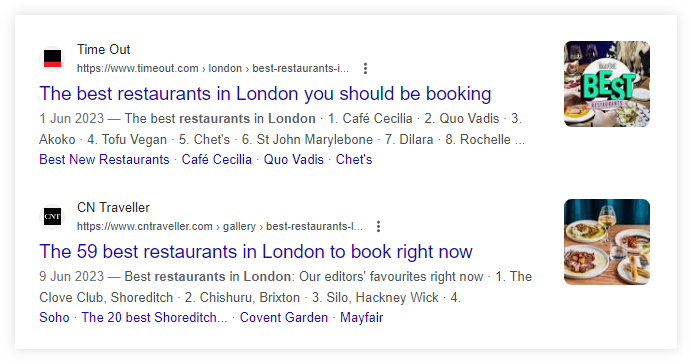
Don’t just write for the web; write for your community. Blog about local events, sponsor local sports teams, or partner with other local businesses. These actions generate "local backlinks"—the gold standard for proving to Google that you are a legitimate fixture of your neighborhood.
6. Official Responses and Industry Standards
Search industry leaders, including Google’s own documentation, emphasize that "local SEO is a marathon, not a sprint." Google’s algorithm update cycles—such as the "Possum" or "Vicinity" updates—have consistently shifted the focus toward providing users with the most relevant and trustworthy local options, rather than simply the ones with the best SEO hacks.

The official stance from search engine developers is clear: Focus on the user experience. If your website is mobile-friendly, loads quickly, and provides accurate, helpful information, the rankings will follow.
7. Implications: The Future of Small Business
The implications of ignoring local SEO are severe. As voice search (via Alexa, Siri, and Google Assistant) becomes the standard for discovery, the "top result" in the local pack will become the only result that matters.
Competitive Advantage
Small businesses that master local SEO can often outmaneuver national chains. While a national chain might have a bigger marketing budget, they often lack the "local flavor" and hyper-localized content that Google prioritizes. By acting as the "local expert," a small business can capture the hearts and wallets of its community, turning a digital interaction into a loyal, long-term customer relationship.
8. Conclusion: Your Action Plan
To succeed, start by conducting an audit. Check your NAP consistency, claim your Google Business Profile, and begin a proactive campaign to solicit reviews from your satisfied customers. Utilize tools like Google Search Console to monitor your progress and make data-driven adjustments.

Local SEO is the most cost-effective way to level the playing field. By consistently applying these principles, you ensure that when someone in your area is looking for a solution, your business is the first one they see—and the one they choose.
Frequently Asked Questions
Q: Does local SEO apply to online-only businesses?
A: Local SEO is primarily designed for businesses with a physical location or a specific service area. If you operate entirely online without a service area, traditional SEO is more appropriate.
Q: How long does it take to see results?
A: Local SEO is cumulative. While some changes (like updating your NAP) can be immediate, meaningful shifts in ranking typically take three to six months of consistent effort.
Q: Can I do local SEO myself?
A: Yes. Many of the most effective strategies—such as responding to reviews, updating your GBP, and posting local content—require time and effort rather than a massive budget. However, as you scale, utilizing professional SEO tools can provide a significant competitive edge.