










Referral marketing is far more than a simple "refer-a-friend" button on a checkout page. It is a sophisticated customer acquisition strategy that formalizes the chaotic, organic nature of word-of-mouth into a trackable, scalable, and measurable growth engine. By providing existing customers with unique codes, defined rewards, and seamless sharing mechanisms, businesses can transform their most loyal users into a dedicated acquisition channel.
After 15 years in demand marketing, I have observed countless referral programs. Some become the bedrock of a company’s growth, compounding over years, while others die in a neglected settings menu. The difference between success and failure is rarely luck; it is a matter of strategic design, rigorous testing, and an obsession with customer psychology.
The Core Fundamentals: Why Referral Marketing Works
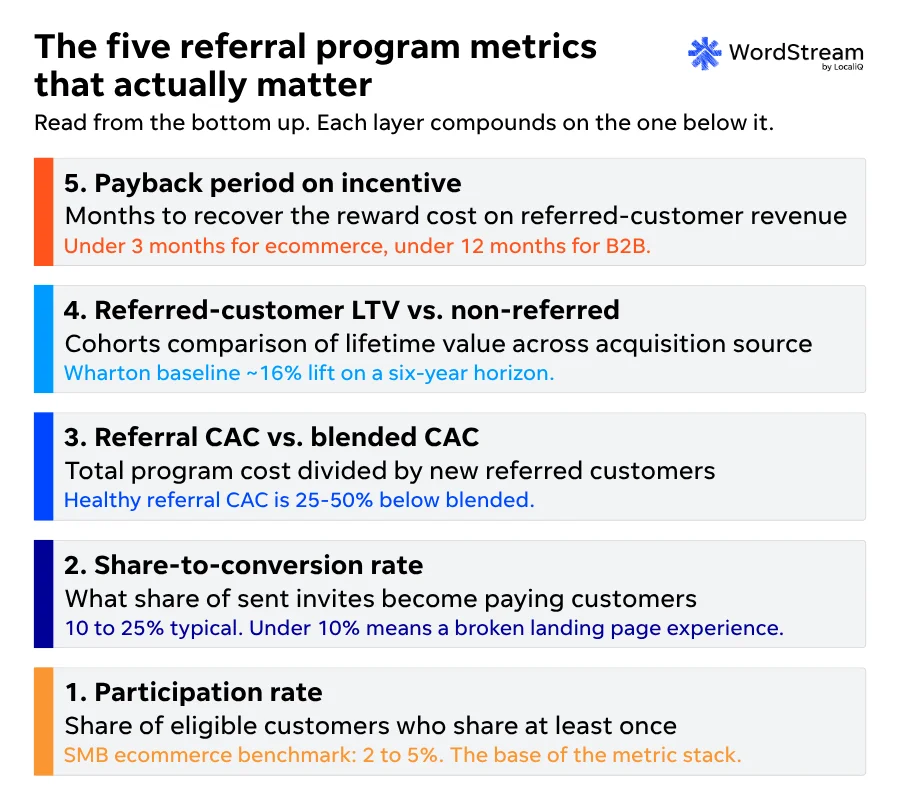
Referral marketing operates on three distinct, measurable pillars. First, there is the economic advantage: referred customers are statistically more valuable. Research indicates that referred customers have a lifetime value (LTV) approximately 16% higher than those acquired through traditional channels.

Second, there is the acquisition efficiency. Vendor benchmarks consistently show that referral programs reduce Customer Acquisition Costs (CAC) by 25% to 50%. By leveraging the social capital of your existing base, you bypass the escalating costs of paid digital advertising.
Third, and perhaps most importantly, is the trust transfer. A 2021 Nielsen study found that 88% of global consumers trust recommendations from friends and family above all other forms of advertising. When a customer advocates for your brand, they are effectively lending their reputation to your product. This structural advantage is something that no amount of ad spend can replicate.
The Economics of Recruitment
Beyond the initial purchase, referred customers are active recruiters. A 2024 study from the Journal of Marketing Research revealed that referred customers generate 31% to 57% more referrals themselves than non-referred customers. When companies fail to account for these downstream referrals, they are effectively undervaluing each new lead by 20% to 36%.
Chronology of a Successful Program Build
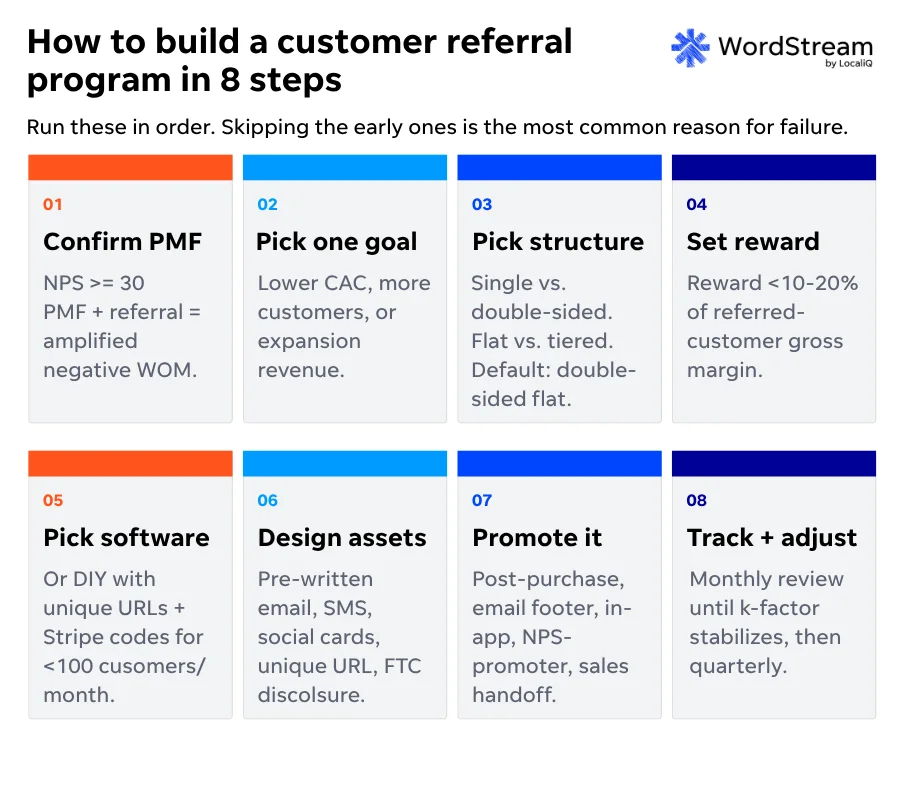
Building a high-performing referral engine is not a "set it and forget it" task. It requires a disciplined approach to ensure the program aligns with your company’s maturity.
1. Validation (Pre-Launch)
Before writing a line of code, you must confirm Product-Market Fit (PMF) and a high Net Promoter Score (NPS). Referral marketing is an amplifier; if you are not yet delivering a product your customers love, a referral program will only accelerate the spread of dissatisfaction.
2. Strategy Definition
Choose your primary goal. Are you looking to lower your blended CAC, acquire a specific volume of new customers, or drive expansion revenue within existing accounts? Your goal dictates your structure.
3. Structural Choice
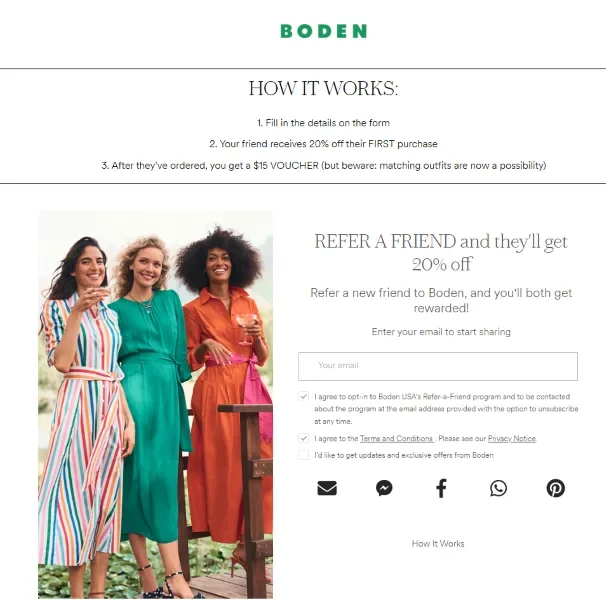
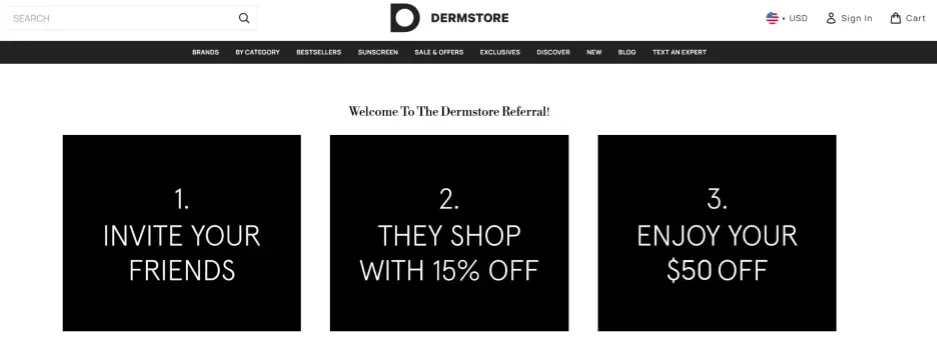
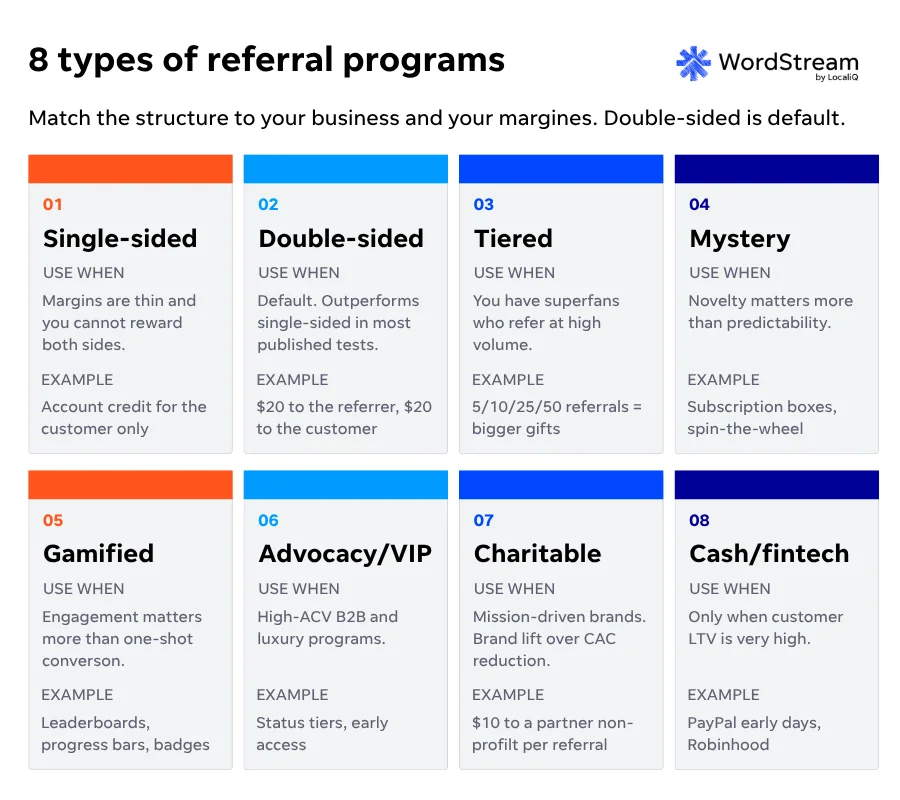
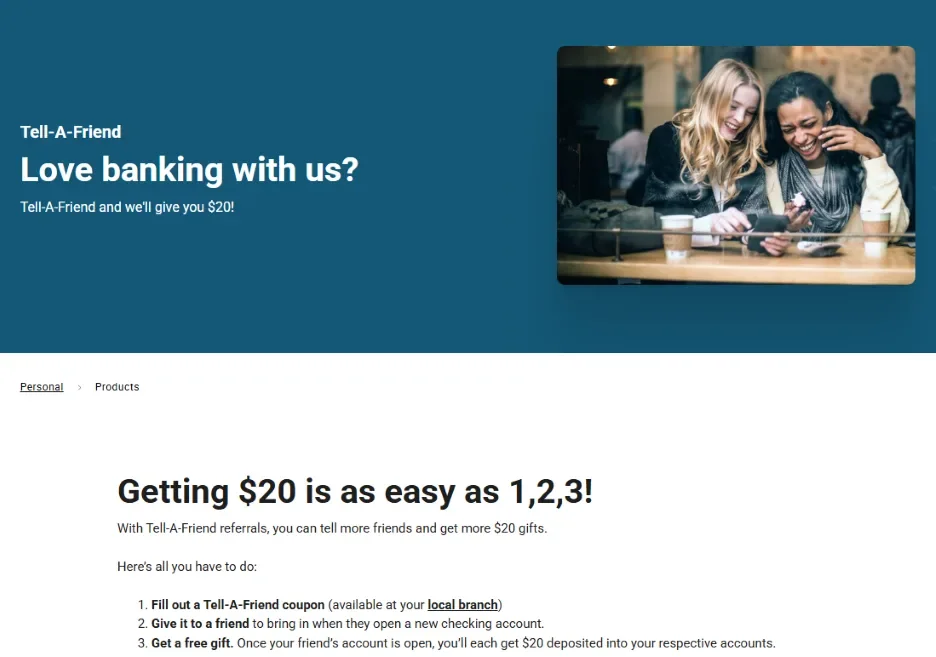
The most common debate is between single-sided and double-sided incentives. A double-sided program—where both the referrer and the referee receive a reward—capitalizes on the psychological principle of reciprocity. Robert Cialdini’s Influence highlights that when a favor is shared, it feels inherently fairer to the customer, leading to significantly higher conversion rates.
4. Reward Calibration
Use your LTV data to set rewards. A common pitfall is over-incentivizing. Your reward should generally not exceed 10% to 20% of the gross margin of the referred customer’s first transaction.
5. Tech Stack Integration
Whether you use a specialized platform like ReferralCandy or build a custom solution using unique URL parameters and your existing CRM, the software must be invisible to the user. The friction of the referral process must be as close to zero as possible.
6. Asset Design and Compliance
Your creative assets must be clear and include legally compliant disclosures. Under the 2023 FTC Endorsement Guide updates, you must clearly state that a reward is involved.
7. Strategic Promotion
A program is only as good as its visibility. Surface the "ask" during high-trust moments: after a successful purchase, in an order confirmation email, or following a positive NPS survey response.
8. Iterative Review
Review program metrics monthly. Monitor participation rates and share-to-conversion rates to identify bottlenecks in your funnel.
Supporting Data and Comparative Metrics
To understand where you sit in the market, it is vital to distinguish between referral marketing and its counterparts.
| Channel | Who Refers | Reward Structure | Best For |
|---|---|---|---|
| Word-of-Mouth | Anyone | None (Untracked) | Organic brand love |
| Referral Marketing | Existing Customers | Two-sided rewards | Lowering blended CAC |
| Affiliate Marketing | Third-party publishers | Commission-based | Scaling reach |
| Influencer Marketing | Paid creators | Flat fee + commission | Awareness & Brand Lift |
Most successful SMBs run a referral program and an affiliate program simultaneously, keeping them separate to manage budgets and FTC compliance effectively.
The Role of the "K-Factor"
The viral coefficient, or "K-factor," is a critical metric for those aiming for compounding growth. It is calculated by multiplying the number of invites sent per user by the conversion rate of those invited.
- K > 1: Your program is compounding; each cohort generates more than one new customer. This is the "holy grail" of viral growth.
- K = 0.1 to 0.5: Your program is additive. This is the reality for most successful businesses and is perfectly sustainable and profitable.
Official Regulatory Guidelines: The FTC and Beyond
In 2023 and 2024, the Federal Trade Commission (FTC) significantly tightened its grip on endorsement transparency. The "Material Connection" rule is simple: if a customer receives anything—cash, credit, a discount, or even a sweepstakes entry—in exchange for a recommendation, they must disclose it.
This disclosure must be:
- Clear: Use plain language. Avoid legalese.
- Conspicuous: It must be visible without the user having to click or expand hidden text.
- Consistent: It must appear every time the recommendation is made, not just once at the start of the relationship.
Failure to adhere to these rules can result in civil penalties reaching five figures per violation. In regulated industries like finance, healthcare, or legal services, you must consult with compliance counsel before launching any referral mechanism. In some cases, such as medical practice, state laws may prohibit referral incentives entirely.

Implications for Future Growth
The landscape of referral marketing is shifting toward more personalized, value-aligned rewards. As seen with companies like Dropbox, the most effective rewards are often tied to the product’s core utility (e.g., extra storage space) rather than generic cash discounts. This aligns the customer’s incentive with the continued usage of the product, creating a virtuous cycle of retention and growth.
B2B vs. B2C Nuance
One of the most common errors is applying B2C referral mechanics to B2B models.
- B2C thrives on low-friction, high-volume, two-sided cash or credit rewards.
- B2B requires longer sales cycles, rewards tied to specific pipeline stages, and deep integration with CRM systems. If you are selling to enterprise accounts, your referral motion should look more like a strategic partner program than a consumer widget.
Conclusion
Referral marketing is not a passive strategy; it is a discipline. It requires the operator to understand the customer’s journey, map out high-trust moments for the "ask," and maintain rigorous adherence to both economic modeling and legal standards.
When executed correctly, it is one of the most reliable, cost-efficient, and sustainable ways to drive growth. By focusing on the math—the CAC, the LTV, and the K-factor—while respecting the psychology of trust, businesses can build a referral program that acts as a permanent, compounding competitive advantage.
As you look toward your next growth phase, consider where a referral program fits into your existing funnel. If you have confirmed product-market fit, the data suggests that the sooner you formalize your word-of-mouth, the faster you will scale. Reach out to marketing specialists to refine your strategy and begin building an acquisition channel that pays dividends for years to come.