





For decades, the promise of solar energy in the United States has been tethered to a restrictive physical and financial prerequisite: homeownership. The image of the "solar-ready home" has traditionally involved sprawling suburban rooftops, expensive grid-tied installations, and multi-decade contracts with solar leasing companies. However, a quiet revolution in energy distribution is underway, one that aims to dismantle the barriers for renters, apartment dwellers, and those living in small-footprint housing.
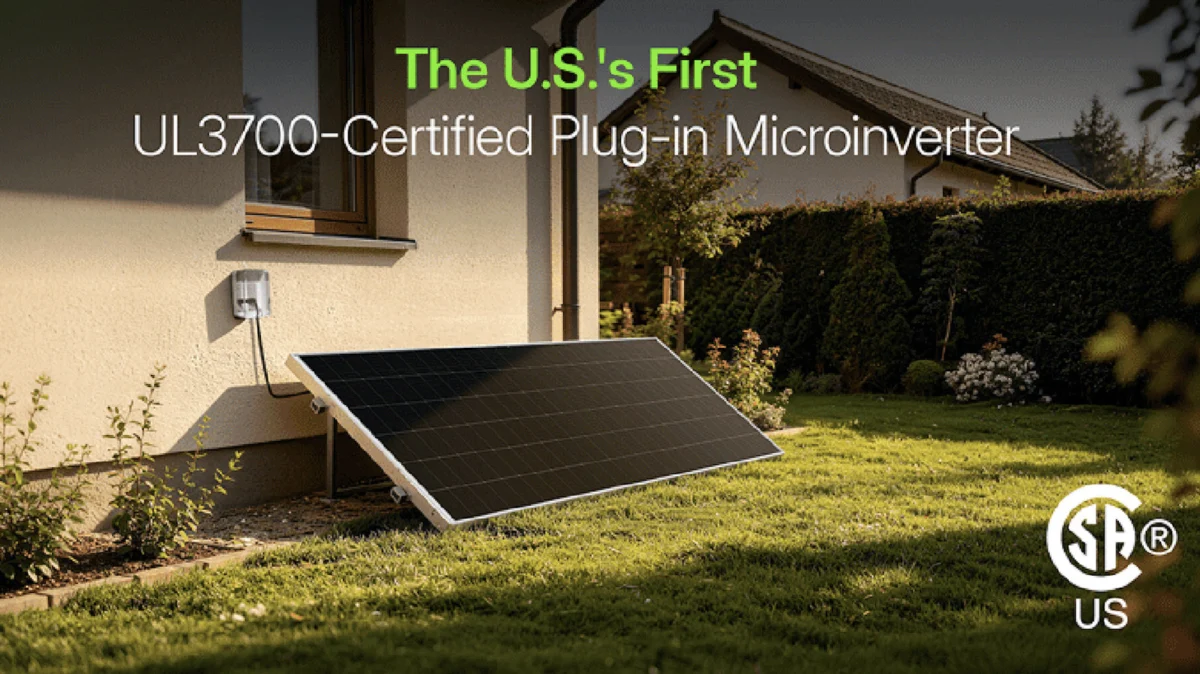
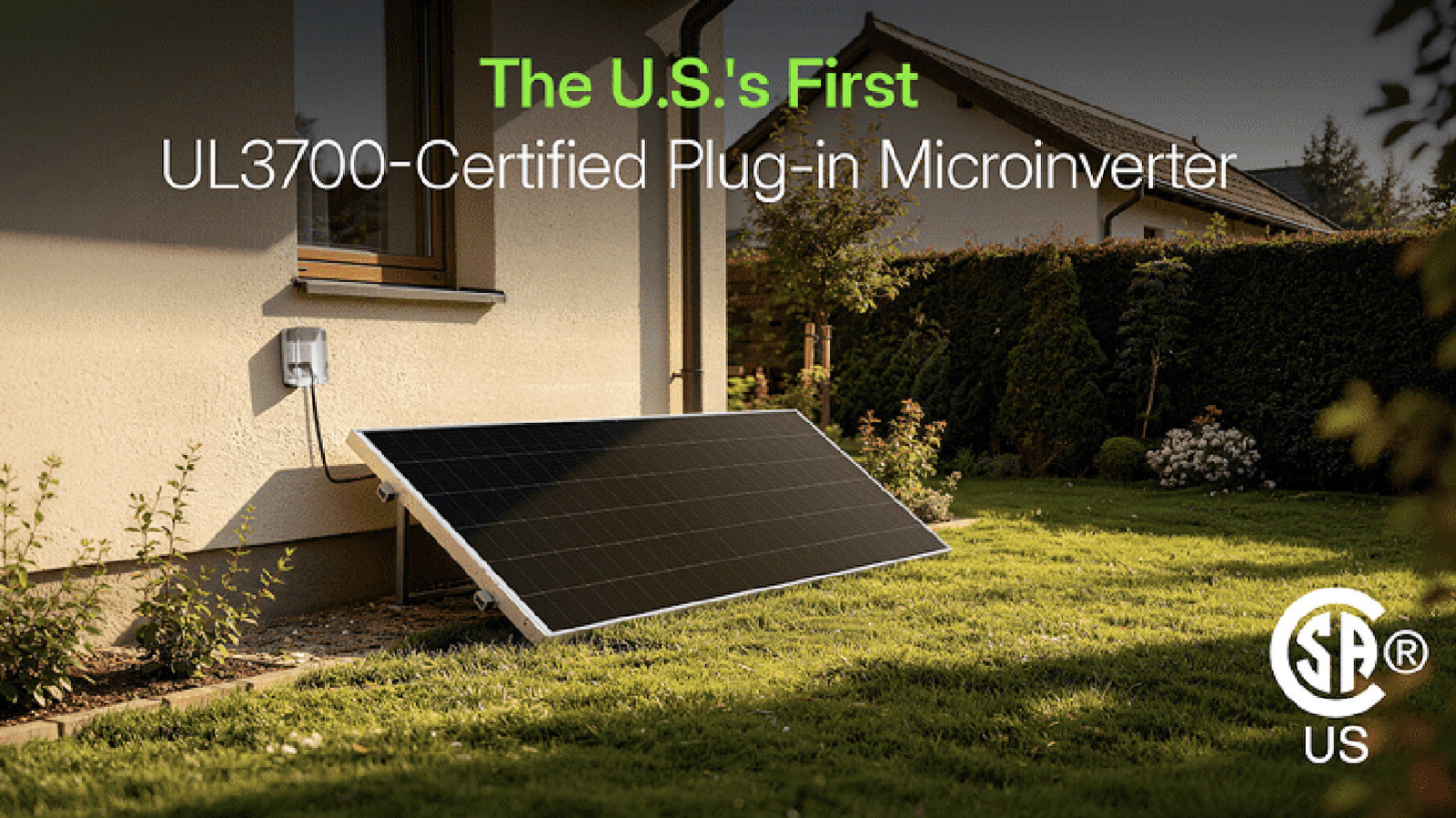
Last week, industry leader Hoymiles officially launched the HiFlow Pro, a microinverter that stands as a landmark achievement in the renewable energy sector. It is the first plug-in solar microinverter in the United States to achieve full compliance with the UL 3700 safety standard. This milestone is not merely a technical upgrade; it is a regulatory bridge that could finally allow "balcony solar" to move from a niche hobbyist pursuit to a mainstream consumer appliance.
The Core Innovation: Breaking the "Rooftop Monopoly"
At its simplest, the HiFlow Pro allows a homeowner or renter to place a solar panel on a balcony, patio, or small yard space and plug it directly into a standard household electrical outlet. Traditionally, solar installations have been "grid-tied" through complex, permanent wiring that requires licensed electricians and rigorous permitting processes.
The HiFlow Pro simplifies this ecosystem into a "plug-and-play" experience. By converting DC power captured by the solar panel into AC power that matches the household voltage, the device feeds energy directly into the home’s existing electrical circuit. When the home is using appliances—like a refrigerator, computer, or lighting—the solar energy is consumed first, effectively spinning the electric meter backward or reducing the load pulled from the municipal grid.
Chronology: From Concept to Compliance
To understand why this launch is a watershed moment, one must look at the timeline of small-scale solar evolution:
- 2020–2023: The Rise of "Balcony Solar" Abroad: While the U.S. market remained cautious, Europe—particularly Germany—saw a boom in Balkonkraftwerk (balcony power plants). These simple, DIY solar kits proved that small setups could meaningfully reduce household energy bills.
- December 2025: The Birth of UL 3700: The turning point for the U.S. market occurred with the adoption of the UL 3700 standard. Before this, the National Electrical Code (NEC) lacked a specific framework for plug-in solar, leaving local utility providers and fire marshals with no clear guidance on safety. The introduction of this standard provided the rigorous testing protocols necessary to ensure these devices wouldn’t cause electrical fires or grid instabilities.
- Early 2026: The Regulatory Ripple Effect: Following the codification of UL 3700, several states began drafting legislation to preemptively authorize the use of compliant plug-in devices, signaling a shift in policy from prohibition to regulated adoption.
- July 2026: The Hoymiles Launch: With the HiFlow Pro, Hoymiles became the first manufacturer to successfully navigate the stringent certification process required by the Underwriters Laboratories, effectively opening the door for widespread commercial availability in the U.S.
The Safety Paradigm: Why UL 3700 Matters
The primary obstacle to the widespread adoption of plug-in solar has always been the "safety concern." Critics and utility companies have long argued that feeding power into a wall socket is inherently dangerous.
The Grid-Backfeed Dilemma
The most significant fear involves grid outages. In a traditional setup, when the municipal power grid goes down, solar inverters are programmed to shut off instantly. This is a critical safety feature: if an inverter continued to "push" electricity into a dead line, it would create "islanding," where utility workers attempting to repair downed lines could be electrocuted by the solar system.
UL 3700 addresses this by mandating:
- Rapid Shutdown Protocols: The microinverter must detect a loss of grid power and disconnect in milliseconds.
- Overload Prevention: The standard dictates that the system must limit the amount of amperage pushed into a household circuit, ensuring that the electrical wiring in older homes is not overwhelmed.
- Surge Protection: Built-in safeguards against voltage spikes that could damage household electronics or the device itself.
By meeting these requirements, the HiFlow Pro effectively neuters the primary arguments against plug-in solar, providing local inspectors with a "gold standard" to reference when residents ask for approval.
Supporting Data: The Economic and Environmental Impact
While a single plug-in solar panel cannot power an entire home, the cumulative impact of widespread adoption is significant. A typical balcony solar system produces between 300 and 600 watts of power during peak sunlight.
Small Scale, Big Savings
Research suggests that a 400W plug-in system can offset roughly 10% to 15% of the average apartment’s annual electricity consumption. For a household spending $1,500 annually on utilities, that represents a tangible reduction of $150 to $225 per year. While the upfront cost of the panel and microinverter must be amortized, the "payback period" for these systems is increasingly competitive, often hitting the break-even point in under five years.
Carbon Footprint Reduction
If, for instance, 5% of the 40 million renter-occupied households in the U.S. adopted a plug-in solar system, the reduction in carbon emissions would be equivalent to taking hundreds of thousands of internal combustion vehicles off the road annually. By lowering demand on coal and natural gas-fired power plants during peak afternoon hours—when solar production is at its highest—these devices assist in "peak shaving," which helps stabilize the national grid.
Official Responses and Industry Outlook
The industry response to the HiFlow Pro has been overwhelmingly positive, though tempered by a call for continued regulatory clarity.
The Manufacturer’s Perspective:
Hoymiles representatives have emphasized that their goal is "Energy for Everyone." By focusing on the DIY market, they are targeting a demographic that has historically been ignored by the solar industry. "The HiFlow Pro is designed to be as simple to install as a kitchen appliance," a spokesperson stated during the product reveal. "We aren’t just selling a microinverter; we are selling the ability for anyone with a balcony to contribute to the green transition."
The Utility Perspective:
Utility providers, historically wary of distributed energy resources, are taking a "wait and see" approach. Many are concerned about the proliferation of thousands of unpermitted devices. However, with the backing of a national safety standard like UL 3700, the industry consensus is shifting toward integration rather than opposition. Some utilities are now exploring "net-billing" frameworks that would allow these micro-systems to contribute excess power back to the grid in a controlled, safe manner.
Implications: A New Era for Renters and Urban Dwellers
The implications of the Hoymiles HiFlow Pro and the UL 3700 standard are profound, extending far beyond the technical specifications of the device.
1. Democratization of Energy
For the first time, energy independence is not exclusively a luxury of the wealthy or the homeowning class. Renters, who often face "split incentives" (where the landlord pays for improvements but the tenant pays the utility bill, or vice-versa), now have a path to participate in the renewable transition. Because these systems are portable, a renter can simply unplug their solar kit and take it with them when they move to a new apartment.
2. Urban Resilience
Urban environments are notoriously difficult for traditional solar. High-rises block sunlight, and roofs are often shared or off-limits. Balcony solar turns vertical surfaces—the most abundant real estate in modern cities—into energy-producing assets. This decentralized approach creates a more resilient grid, as power is generated closer to where it is consumed, reducing transmission losses.
3. The DIY Solar Movement
The HiFlow Pro signals the beginning of a "consumer electronics" phase for solar. As these devices become available at big-box retailers and online marketplaces, the barriers of high labor costs and installation complexity will continue to fall. We are moving toward a future where a solar panel is as common as a window air conditioning unit—something you buy, install yourself, and enjoy immediately.
Conclusion: The Path Forward
The launch of the first UL 3700-compliant microinverter is a defining moment for American energy policy. It proves that safety and innovation are not mutually exclusive. As more states adopt favorable regulations to accommodate these systems, the U.S. will likely see a surge in urban energy production.
While we are still in the early days of this movement, the combination of technological readiness and standardized safety protocols provides a clear roadmap. The transition to a sustainable future was always going to require more than just gigawatt-scale wind farms and massive solar arrays; it requires the active, daily participation of millions of individual consumers. With the HiFlow Pro, that participation has finally become accessible, safe, and—most importantly—possible for the millions of Americans living in homes that, until now, couldn’t capture the sun.