










In the modern digital landscape, the relationship between a creator and their audience is often described as a "community," yet it operates with the cold, hard logic of a subscription economy. We all harbor the ambition of retaining every subscriber we have ever acquired, but the reality of the creator economy is that churn is as natural as it is inevitable. Content, no matter how impeccably crafted, cannot account for the shifting tides of personal interest, evolving life circumstances, or the simple passage of time.
However, there is a fundamental difference between accepting the natural attrition of an audience and standing idly by as it happens. The goal of any serious creator or business should not be to force retention through attrition-proof shackles, but rather to foster an environment where subscribers feel genuinely seen, heard, and valued. When a subscriber feels understood, they don’t just stay; they become advocates.
If you find yourself in the dark regarding how to stem the flow of departures, it is time to shed some light on the mechanics of loyalty.
The Reality of Churn: Why Subscribers Walk Away
To solve the puzzle of retention, one must first identify the root cause of departure. Are your readers becoming bored with the cadence of your output? Did a specific interaction leave a sour taste, or have they simply outgrown the niche you occupy?
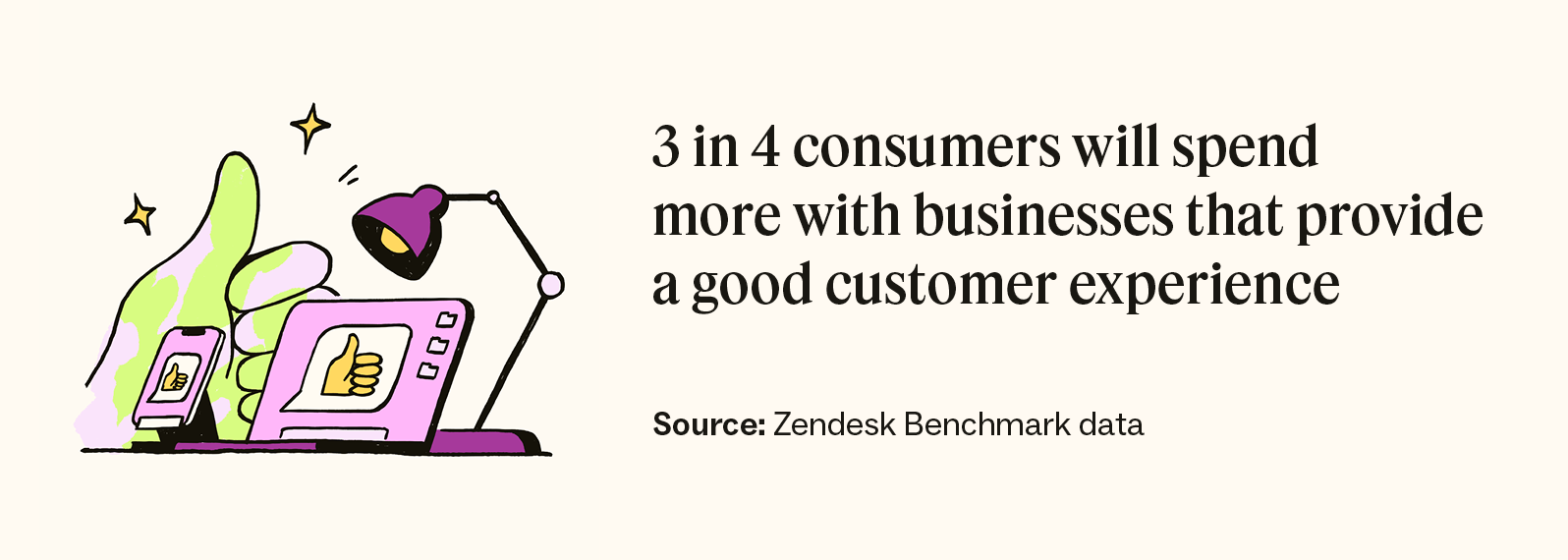
Mozhdeh Rastegar-Panah, a Senior Director at Zendesk, notes that customer retention is not merely about preventing a "cancel" button click; it is about the architecture of the entire user experience. According to Rastegar-Panah, the secret to longevity lies in three core pillars: seamless interaction, radical personalization, and consistent value delivery. When these three elements are absent, the friction of remaining a subscriber eventually outweighs the benefits of doing so.
The Anatomy of Attrition
Attrition is rarely the result of a single event; it is usually the culmination of a "death by a thousand cuts." The team at Customer Thermometer has analyzed the lifecycle of the disenchanted subscriber, and their findings suggest that failure to meet expectations is the primary driver of churn. If you promise a weekly deep-dive into financial markets but deliver surface-level news clippings, you have violated the tacit contract between creator and consumer.

A Chronology of the Subscriber Lifecycle
To understand retention, you must map the lifecycle of a subscriber. It is a journey that begins with the initial spark of discovery and often ends in a quiet, unannounced exit.
Phase 1: The Honeymoon Period
The first 30 days are critical. This is when your subscriber’s interest is at its peak. The "Welcome Email" is not just an administrative formality—it is a critical touchpoint. A well-crafted welcome sequence validates the user’s decision to join, sets expectations for future content, and provides a sense of belonging. If this phase is neglected, the subscriber never truly anchors themselves to your platform.
Phase 2: The Routine Maintenance
After the initial novelty fades, the subscriber settles into a routine. During this phase, engagement is often tied to the consistency of your value proposition. If your content is erratic or lacks depth, the subscriber begins to view your newsletter or membership as "background noise" rather than an essential service.
Phase 3: The Point of Friction
This is the danger zone. It might be a technical glitch, a payment failure, an abrasive customer service interaction, or a shift in the quality of your content. At this stage, the subscriber begins to weigh the cost (time or money) against the utility.
Phase 4: The Attrition Risk
The final stage is the "on-the-fence" period. The user is mentally prepared to leave. If you have clear communication channels—or, better yet, automated retention offers—this is your last opportunity to intervene.
Supporting Data: The Case for Prioritizing Retention
Data from various customer experience studies confirms a harsh truth: acquiring a new subscriber is significantly more expensive than retaining an existing one. High churn rates create a "leaky bucket" effect where your growth is constantly cannibalized by your losses.
According to Customer Thermometer’s research on attrition, several patterns emerge consistently across industries:
- Expectation Mismatch: 40% of subscribers leave because the product or content does not match the initial marketing promise.
- Lack of Personalization: A failure to feel like a "member" rather than a "number" leads to a 25% increase in churn.
- The Competitor Factor: Subscribers rarely go nowhere. They go to a peer who is currently offering a better, more timely, or more engaging perspective.
- Value Dilution: If the subscriber stops perceiving a tangible benefit—whether it be educational, entertainment, or community-based—they will rationalize the cancellation of the subscription as a "budget optimization."
Practical Strategies: How to Keep Them Around
If you are noticing a downward trend in your subscriber base, it is time to pivot from passive creation to proactive management.
1. Set Proper Expectations
Never make promises you cannot keep. If you cannot produce a daily newsletter, do not commit to one. Transparency is a powerful retention tool. If you are honest about your workflow and your goals, your audience will be far more forgiving of occasional lapses.
2. Treat Them with Kindness and Respect
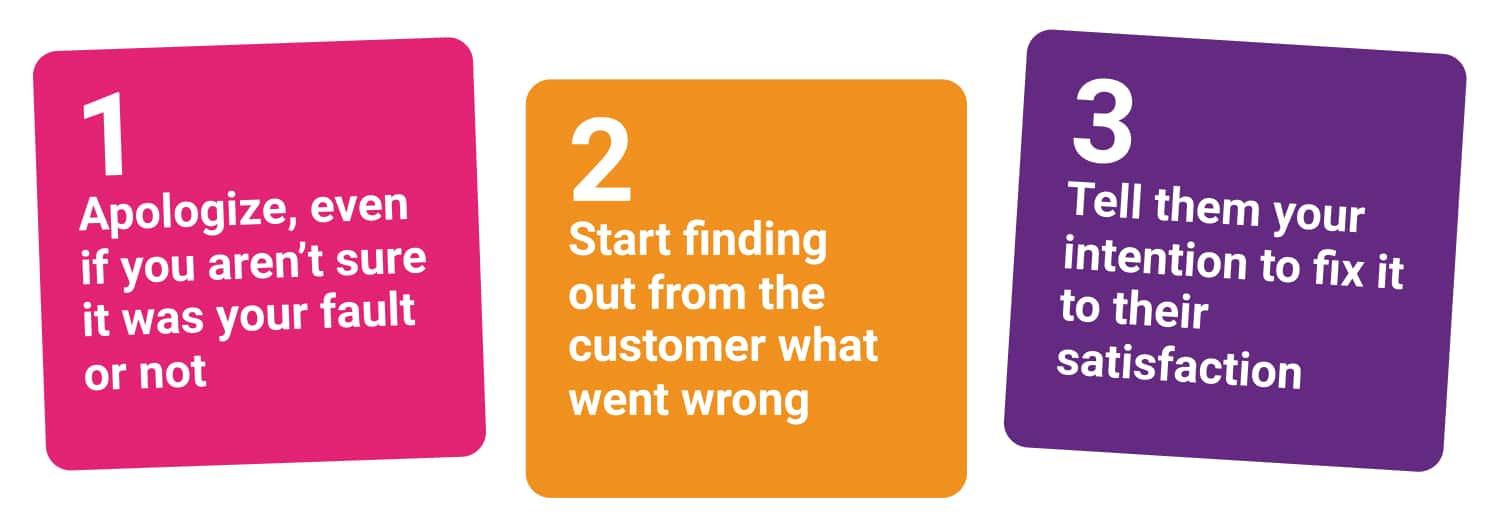
Professionalism is the floor, not the ceiling. A swift, empathetic response to an upset subscriber can often turn a detractor into a loyalist. Never ignore complaints; treat them as high-value data points that tell you exactly where your system is failing.
3. Incentivize Loyalty
Why should they stay? If you only reward new signups with discounts, you are effectively penalizing your most loyal, long-term members. Introduce loyalty rewards:
- Exclusive Access: Offer long-term subscribers early access to new content or private webinars.
- Collaborative Partnerships: Partner with other creators to offer cross-platform discounts.
- The "Human" Touch: Recognize your "ride-or-dies." Whether it is a personalized email, a shout-out in your newsletter, or naming a tier after your top contributors, humanizing the transaction creates a psychological bond that is hard to break.
4. Implement Retention Offers
Ghost and similar platforms now offer "save" flows. When a user clicks "cancel," a well-timed offer—such as a discount, a month of free access, or a pause option—can stop the churn in its tracks. This is not just a defensive tactic; it is an opportunity to ask, "Why are you leaving?" and use that information to refine your strategy.

5. Community-Led Growth
If your subscribers feel they are part of a community rather than just a passive audience, they are significantly more likely to stay. Facilitate discussions, run polls on future content topics, or host charity events where the community can vote on where your donations go. When the audience has a voice in the direction of your publication, they feel a sense of ownership.
Implications for the Future of Your Brand
The implications of ignoring your churn rates are dire: you will find yourself in a perpetual state of "treadmill growth," where you are forced to spend more on marketing just to stand still. However, by mastering the art of retention, you create a sustainable, compounding asset.
Retention is not just about the numbers on a dashboard; it is about the health of your brand. A loyal subscriber base is your greatest marketing department. They provide feedback, they advocate for your work, and they provide the financial stability required to take creative risks.

Final Thoughts
You are not going to please 100% of your audience 100% of the time. That is the nature of the human condition. Some subscribers will leave because they have changed, and that is perfectly okay. But for the ones who leave because they felt ignored, misunderstood, or undervalued? That is a problem you have the power to fix.
By focusing on the human side of the subscriber relationship—by being transparent, rewarding loyalty, and maintaining a constant, open line of communication—you can ensure that when people do leave, it is only because their journey with you has reached its natural conclusion, not because you failed to provide them with the care they deserved.
Stay curious, stay consistent, and remember: your subscribers are the heartbeat of your work. Keep them close, listen to what they need, and the retention will take care of itself.