










In a move that signals a significant pivot in the digital discovery landscape, Yelp has officially entered into a strategic licensing agreement with OpenAI. This partnership will integrate Yelp’s vast repository of reviews, ratings, photographs, and detailed business information directly into ChatGPT. By bridging the gap between static directory data and dynamic, conversational artificial intelligence, the collaboration aims to solve one of the most persistent weaknesses in current AI models: the delivery of accurate, trustworthy, and actionable local search results.
The Mechanics of the Integration
Under the terms of this agreement, ChatGPT will now serve as a sophisticated interface for Yelp’s local business data. When users query the chatbot about local services—such as finding a highly-rated plumber, a nearby brunch spot, or a boutique retail store—the AI will synthesize information from Yelp’s database to provide a tailored response.
Crucially, the user experience will maintain a degree of transparency. Yelp branding and direct links to the original Yelp platform will accompany the AI-generated responses. While OpenAI retains control over the specific presentation of this content within the ChatGPT interface, the inclusion of direct citations ensures that users can verify the information and explore the full suite of community-driven insights on Yelp’s own site.
Furthermore, the partnership extends beyond mere information retrieval. The integration will feature Yelp’s "Request a Quote" functionality. This move transforms ChatGPT from a passive information provider into an active facilitator of commerce, allowing users to schedule appointments or request service consultations without ever leaving the chatbot environment.
Chronology: A Shift in Distribution Strategy
Yelp’s decision to integrate with OpenAI is the latest evolution in a long-standing distribution strategy. For years, Yelp has operated primarily as a destination site, but CEO Jeremy Stoppelman has increasingly emphasized the necessity of meeting consumers where they are.
This partnership represents a calculated expansion of Yelp’s footprint. By treating ChatGPT as a new node in its distribution network, Yelp is effectively positioning itself as a foundational data layer for the next generation of search. This follows a long, often contentious history with major search incumbents. Most notably, Yelp famously spent years in a cold war with Google, eventually leading to antitrust litigation. Yelp has long alleged that Google abused its search dominance to favor its own local business products over Yelp’s, effectively burying independent discovery.
By pivoting toward AI-native platforms like OpenAI, Yelp appears to be diversifying its traffic sources, ensuring that its proprietary data remains relevant even as the traditional search engine results page (SERP) continues to evolve into a generative AI experience.
Supporting Data: The Trust Gap in AI
Despite the excitement surrounding generative AI, the industry faces a significant hurdle: user skepticism. According to recent research from Morning Consult, the divide between usage and trust is stark. While 65% of Americans report having utilized AI for search purposes, a mere 15% claim to trust the results "a lot."
This data point underscores why Yelp’s partnership is strategically vital. AI models are prone to "hallucinations"—the generation of false or misleading information. By grounding ChatGPT’s local recommendations in verified, crowdsourced, and moderated Yelp data, OpenAI is effectively using a "trust anchor" to improve the quality of its output.
Furthermore, the consumer demand for transparency is loud and clear: 72% of respondents in the Morning Consult study asserted that AI platforms should always explicitly identify the sources of their information. Yelp’s insistence on keeping its branding and links visible is a direct response to this consumer mandate, serving both the brand’s visibility and the user’s need for verifiable evidence.

Official Responses and Strategic Intent
Jeremy Stoppelman, CEO of Yelp, has framed the partnership as a win for both the consumer and the platform’s ecosystem. In his public comments, Stoppelman emphasized that Yelp’s core mission remains the distribution of high-quality local insights to the public. If that mission is better served by surfacing information within an AI interface, the company is willing to adapt.
"Yelp sees value in distributing its content beyond its own properties when it benefits consumers," Stoppelman noted. By adding ChatGPT to its network, Yelp is not abandoning its platform but rather extending its reach. The inclusion of the "Request a Quote" feature further suggests that Yelp is focused on the "bottom of the funnel"—converting a casual search into a commercial transaction, which remains the primary driver of its business model.
OpenAI has remained relatively quiet regarding the specifics of the backend implementation, but the partnership aligns with the company’s broader goal of making ChatGPT a comprehensive assistant capable of handling real-world, localized tasks that were previously the exclusive domain of search engines like Google or Bing.
Implications for the Search and Marketing Landscape
The ripple effects of this partnership are expected to be profound, particularly for local business owners and search engine marketers (SEMs).
1. The Death of the Traditional SERP?
If ChatGPT becomes a primary discovery engine for local businesses, the importance of traditional SEO may shift. Marketers will need to optimize not just for keyword relevance on Google, but for the "AI-readiness" of their business profiles. If your business information is incomplete or inaccurate on Yelp, it will now be incomplete or inaccurate within the ChatGPT ecosystem.
2. The Rise of "Answer Engines"
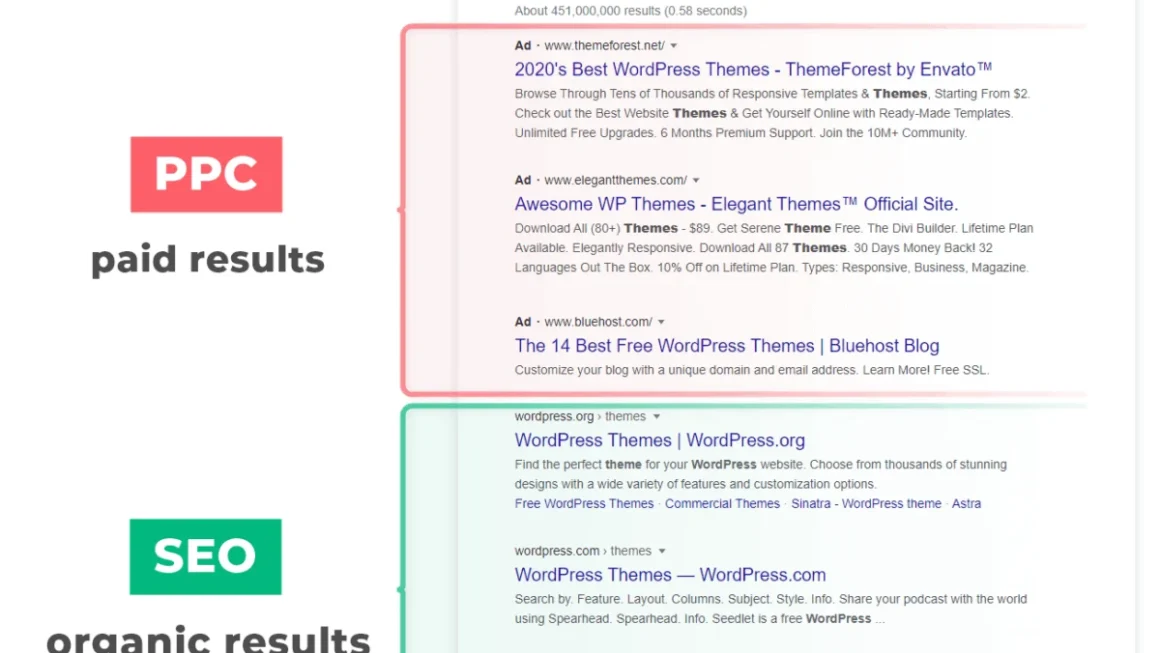
We are witnessing a transition from a "links-based" web to an "answers-based" web. When a user asks an AI for a recommendation, they are looking for a definitive answer, not a list of ten blue links. By feeding Yelp’s structured data into the AI, OpenAI is essentially building a specialized search engine for local services that operates on natural language processing rather than traditional query matching.
3. A New Battleground for Data Licensing
This partnership validates the growing trend of high-quality, human-generated data being used as "fuel" for AI models. Publishers and platforms with deep, reliable datasets—like Yelp, Reddit, and major news organizations—are becoming essential partners for AI developers. We can expect to see more licensing deals as AI companies realize that their models are only as good as the data they ingest.
4. The Competitive Landscape
For Google, the threat is twofold. First, they are losing their position as the sole gatekeeper of local discovery. Second, the partnership highlights the ongoing struggle to monetize local search without compromising user trust. As Yelp and OpenAI tighten their alliance, Google will likely be forced to accelerate the integration of Gemini into its own local search products to remain competitive.
Conclusion: The Future of Local Discovery
The partnership between Yelp and OpenAI is more than a simple licensing deal; it is a fundamental shift in how local information is discovered and consumed. As consumers move away from scrolling through lists of links and toward conversational interactions with AI, the platforms that hold the data—and the platforms that process the logic—are forming a new, symbiotic relationship.
While the "trust gap" identified by Morning Consult remains a hurdle, the collaboration between a veteran of local discovery and a leader in generative AI provides a blueprint for how the internet might function in the future. For the local business owner, the takeaway is clear: the digital storefront is no longer just a website or a Yelp page—it is the entire AI-driven information ecosystem. As this technology matures, the brands that can effectively navigate this new, conversational landscape will be the ones that capture the next generation of local customers.