










By Editorial Desk
Updated: September 17, 2026
As the Indian automotive industry gears up for the most anticipated quarter of the calendar, manufacturers are pulling out all the stops to capture the festive demand. With October 2026 approaching, the market is poised for a significant transformation. Major global and domestic players—including Maruti Suzuki, Hyundai, Tata Motors, Mahindra, Kia, Toyota, Honda, Renault, and Skoda—have signaled a massive influx of new models. This surge represents not just a product refresh, but a strategic alignment with evolving consumer preferences for hybrid technology, enhanced safety, and premium cabin experiences.
The Strategic Shift: Why October Matters
The festive season in India, traditionally spanning from late September through November, accounts for nearly 30% to 35% of annual passenger vehicle sales. For original equipment manufacturers (OEMs), launching vehicles during this window is a calculated move to leverage high consumer sentiment, increased liquidity, and the traditional inclination toward high-value purchases during auspicious dates.
Industry analysts observe that this year’s festive calendar is particularly competitive. Manufacturers are shifting away from minor facelifts toward significant platform updates and the introduction of long-range electric vehicles (EVs) and sophisticated strong-hybrid powertrains.
The Roadmap: Key Launches by Manufacturer
1. The Maruti Suzuki Offensive
Maruti Suzuki continues to focus on its "multi-pathway" strategy. Heading into October, the company is expected to debut a new flagship SUV, likely building on the success of the Grand Vitara but with an updated, electrified powertrain. Expectations are high for a new iteration of their micro-SUV segment, aimed at bridging the gap between entry-level hatchbacks and mid-size offerings.
2. Hyundai’s Global Design Language
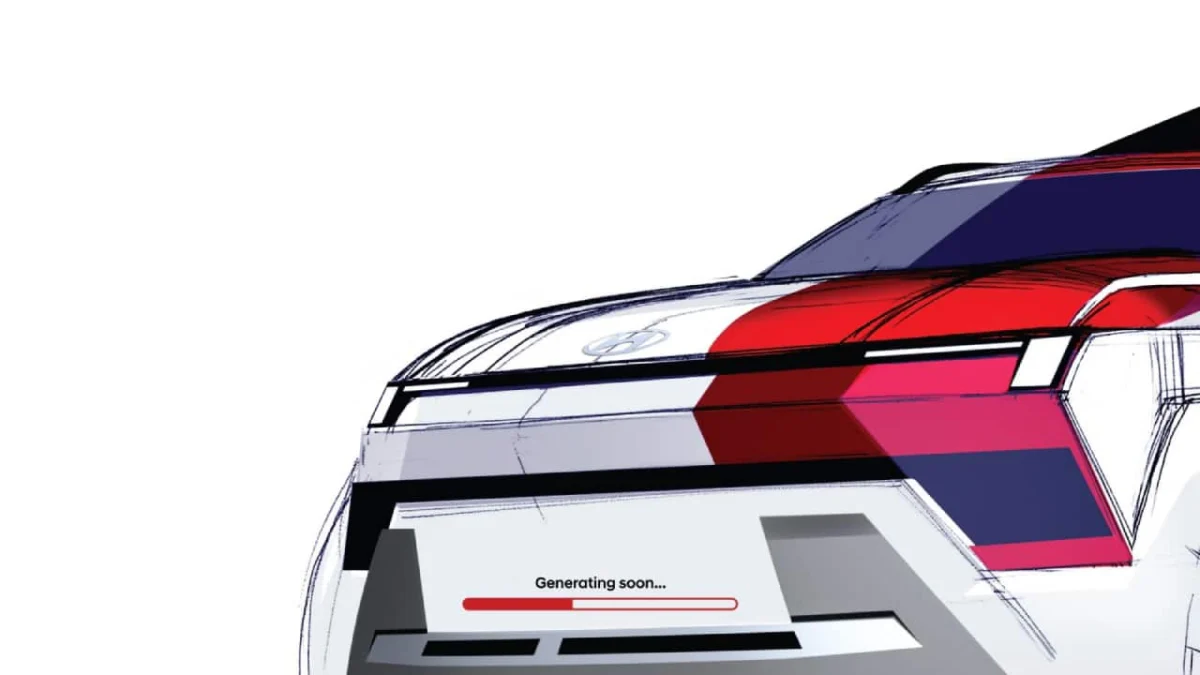
Hyundai is set to disrupt the mid-size crossover space. Following the success of the Creta, the manufacturer is preparing to introduce models that mirror their international portfolio, focusing heavily on ADAS (Advanced Driver Assistance Systems) Level 2 integration. The focus here is on "tech-first" buyers who prioritize connectivity and safety.
3. Tata Motors and the Electric Future
Tata Motors remains the torchbearer for India’s EV revolution. With the Curvv platform gaining traction, the company is expected to release a high-performance EV variant by late October. Furthermore, a refreshed version of their flagship SUV, featuring a redesigned infotainment interface and improved cabin acoustics, is slated for a festive debut.
4. Mahindra’s Rugged Innovation
Mahindra is doubling down on its "tough-tech" image. Rumors suggest the arrival of a new 5-door iteration of their lifestyle off-roader, which has seen massive order backlogs. By launching before October, Mahindra aims to streamline delivery timelines for the festive rush, targeting customers who value utility and road presence.
5. Kia, Toyota, and Honda: The Premium Tier
- Kia: Focusing on premium ergonomics and design, Kia is expected to roll out a major update to their flagship MPV, incorporating luxury captain-seat configurations.
- Toyota: Leveraging its partnership with Maruti, Toyota is looking to expand its "Hyryder" ecosystem with a more affordable, feature-loaded trim level.
- Honda: After a quiet first half of 2026, Honda is set to re-enter the compact SUV fray with a model designed specifically for the Indian terrain, emphasizing engine reliability and fuel efficiency.
6. Renault and Skoda: The Value Proposition
Both Renault and Skoda are targeting the "affordable premium" segment. Skoda is expected to introduce a compact SUV that leverages local manufacturing cost efficiencies, aiming to undercut competitors while offering a European-standard driving experience. Renault, meanwhile, is focusing on expanding its small-car footprint with a tech-heavy facelift of its existing popular hatchback.
Supporting Data: The Market Dynamics of 2026
Data from the Society of Indian Automobile Manufacturers (SIAM) suggests that passenger vehicle growth has stabilized at a healthy 7-8% year-on-year. However, the composition of this growth is shifting.
| Category | Market Share (2025) | Projected Share (2026) |
|---|---|---|
| Petrol/ICE | 68% | 62% |
| Hybrid | 8% | 14% |
| Electric (EV) | 5% | 9% |
| Diesel | 19% | 15% |
The surge in hybrid and EV adoption is the primary driver behind the upcoming October launches. Consumers are increasingly wary of fluctuating fuel prices, making the efficiency of hybrid engines a major selling point.
Official Responses and Industry Outlook
"The festive season is no longer just about discounts; it’s about innovation," notes a senior spokesperson from a leading automotive consultancy. "Manufacturers are realizing that Indian buyers are now global in their expectations. They want the same safety ratings, connectivity, and performance as markets in Europe or East Asia."
When reached for comment, representatives from major OEMs emphasized the importance of supply chain resilience. "Our focus for the October window is not just the launch event, but the availability of inventory," stated a representative from a domestic manufacturing giant. "We have invested heavily in our logistics network to ensure that the excitement of these launches translates into actual vehicle deliveries for our customers."
Implications for the Consumer
For the prospective car buyer, this saturation of launches creates both opportunity and complexity.
The "Wait or Buy" Dilemma
While many buyers are tempted to wait for the October models, there is a counter-argument to consider. Launch models often come with higher price points and lower discount opportunities compared to outgoing, well-established models. However, the technical advancements in the 2026 models—specifically in terms of safety sensors and fuel efficiency—provide a strong case for waiting.
Financial Considerations
With interest rates currently hovering in a stable band, financing options for the upcoming festive season are expected to be aggressive. Most manufacturers are expected to partner with major banks to offer low-interest schemes and "festive bonus" packages to clear out existing inventory alongside the new arrivals.
Environmental and Regulatory Impact
The new wave of vehicles is also a response to the tightening BS-VII (Bharat Stage) emission norms and the government’s push for cleaner mobility. By introducing more hybrid and electric models, manufacturers are not only catering to demand but are also ensuring compliance with increasingly stringent environmental regulations. This transition is expected to reduce the average carbon footprint of the passenger vehicle fleet by an estimated 12% by the end of the fiscal year.
Conclusion: A Turning Point for the Industry
As October 2026 draws near, the Indian automotive landscape is more vibrant than it has been in years. The combination of design innovation, a pivot toward sustainable powertrains, and the sheer volume of choices available to the consumer signals a healthy, maturing market.
Whether one is looking for the rugged capability of a Mahindra, the electric efficiency of a Tata, or the refined luxury of a Skoda, the upcoming months promise a vehicle for every demographic. For the industry, the success of these launches will be a bellwether for the economic health of the nation, reflecting consumer confidence and the manufacturing sector’s ability to innovate under pressure.
Potential buyers are advised to monitor official manufacturer websites and local dealerships closely as the month of October approaches. With pre-bookings expected to open in late September, the race to own the latest technology is officially on. As always, a thorough test drive and a comparison of long-term maintenance costs remain the best tools for any buyer in this crowded and exciting market.



