










SAN FRANCISCO — In a keynote presentation that initially focused heavily on immersive computing and wearable optics, Meta Platforms CEO Mark Zuckerberg saved his most unexpected hardware reveal for the very end. Hot on the heels of showcasing new virtual reality headsets and a streamlined, camera-free iteration of the popular Ray-Ban Meta smart glasses, Zuckerberg leaned into classic tech-industry theater to deliver a definitive "one more thing" moment.
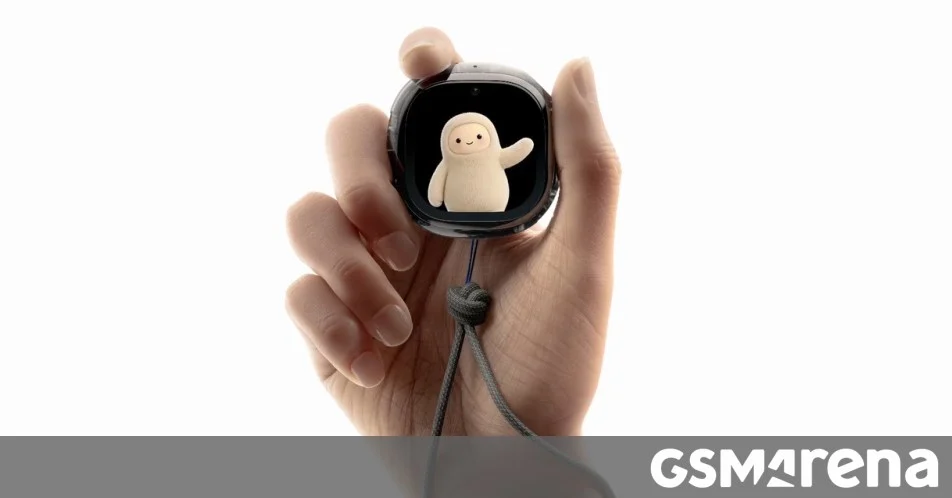
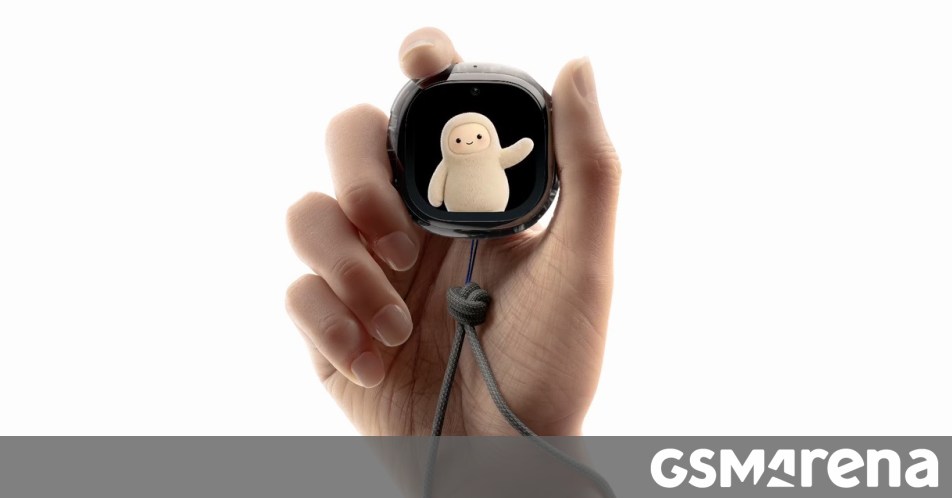
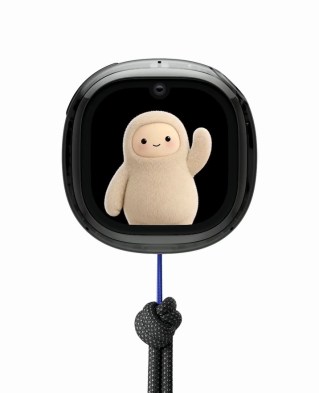
That moment materialized as the Meta Muse Charm, a pint-sized, standalone gadget that bridges the nostalgic aesthetic of 1990s digital pets with the cutting-edge capabilities of contemporary artificial intelligence. Designed to be worn as a keychain or clipped to a bag, the Muse Charm serves as a dedicated physical portal to Meta’s burgeoning Muse AI ecosystem, circumventing the need for a tethered smartphone.
While the device is currently entering the final stages of its development lifecycle, Meta has confirmed aggressive commercial timelines. The Muse Charm is slated to hit retail shelves just in time for the critical holiday shopping season this December, positioning Meta to capture consumer interest in pocket-sized, ambient computing hardware.
Main Facts
The Meta Muse Charm represents a significant pivot in how consumers might interact with ambient artificial intelligence, moving away from screen-dominant smartphone applications and toward tactile, purpose-built hardware accessories.
- Form Factor and Design: The Muse Charm is a compact, standalone device engineered to resemble a keychain or a modern-day Tamagotchi. It features physical dimensions optimized for portability and everyday carry, complete with interchangeable digital avatars that personalize the user experience.
- Core Processing and AI Integration: The device packs the complete feature set of Meta’s Muse AI into its diminutive chassis. It supports real-time voice input and processing, ensuring that users can access the exact same conversational and functional capabilities found on the standard Muse AI mobile and desktop software.
- Hardware Specifications: Despite its small footprint, the Charm is equipped with a modest yet versatile hardware array. This includes a front-facing camera for visual queries or interactive features, an integrated fingerprint sensor discreetly positioned on the top right corner for security and quick authentication, and a dedicated action button on the left flank for rapid command execution.
- Release Timeline: Meta leadership has confirmed that the Muse Charm is in its late development phase. Manufacturing and supply chain schedules are currently aligned to support a commercial launch ahead of the December holiday season.
Chronology of the Reveal
The journey toward the Meta Muse Charm’s surprise announcement reflects the company’s broader hardware strategy, which has increasingly emphasized multimodal AI integration across diverse form factors.
The Buildup: Wearables and Vision
The event opened with a heavy focus on Meta’s established hardware pipelines. Zuckerberg detailed the latest iterations in the company’s virtual reality portfolio, emphasizing lighter headsets with higher-fidelity pass-through displays. This was followed by the introduction of the new camera-free Ray-Ban Meta audio glasses—a response to privacy concerns surrounding earlier models, designed to deliver ambient audio and voice-assistant integration without optical recording capabilities.
The "One More Thing" Climax
As the presentation neared its scheduled conclusion, Zuckerberg transitioned away from head-mounted displays and smart eyewear. Acknowledging that the future of AI might not live exclusively on our faces or inside our pockets, he introduced the concept of ambient, ultra-portable companions. The auditorium screens lit up with renders and early footage of the Meta Muse Charm, immediately drawing comparisons to the retro digital pets of the late 20th century while emphasizing its modern, generative-AI underpinnings.
The Road to December
Following the on-stage demonstration, Meta executives clarified the product’s immediate trajectory. Having cleared initial prototyping hurdles, the Muse Charm is currently undergoing final firmware optimization and mass-production ramp-ups. With a launch window locked firmly on December, the company is racing to ensure supply chain resilience to meet anticipated holiday demand.
Supporting Data and Technical Architecture
To understand the engineering achievement of the Meta Muse Charm, one must examine how the company managed to condense heavy generative AI workloads into a device small enough to fit on a key ring.
| Feature / Specification | Meta Muse Charm Details |
|---|---|
| Primary Input Method | Real-time voice input, dedicated physical action button |
| Biometric Security | Top-right corner fingerprint sensor |
| Visual Capture | Integrated front-facing camera |
| Customization | Swappable physical/digital avatars |
| AI Software Stack | Full Meta Muse AI feature parity (standalone execution) |
| Expected Release | December (Holiday Shopping Season) |
Ambient Computing Meets Edge AI
Historically, devices of this size have functioned merely as Bluetooth peripherals, offloading all heavy compute tasks to a host smartphone. The Muse Charm, however, is designed as a standalone node. By leveraging a combination of highly efficient on-device silicon and low-latency cloud-based LLM (Large Language Model) routing, Meta has engineered a device capable of true conversational fluency without requiring the user to whip out a smartphone.
The inclusion of a front-facing camera introduces multimodal capabilities. While privacy advocates will undoubtedly scrutinize the presence of a camera on a keychain device, Meta’s engineers maintain that visual inputs will be strictly user-initiated via the physical action button, mirroring the privacy-first design language the company has tried to champion with its latest smart glasses.
Furthermore, the fingerprint sensor addresses a major vulnerability of wearable and portable AI devices: security. By securing the device biometrically, Meta ensures that sensitive queries, personal data access, and device controls remain protected even if the keychain is misplaced or lost.
Official Responses and Industry Reactions
The announcement of the Meta Muse Charm has elicited a wave of analysis, commentary, and cautious optimism from industry insiders, competitors, and technology analysts alike.
Meta’s Strategic Perspective
During the post-keynote briefing, Meta representatives emphasized that the Muse Charm is an experiment in "frictionless technology." The company argues that modern smartphone usage has become overly encumbered by notification fatigue, app switching, and screen addiction.
"We wanted to build something that dissolves into your daily routine," a Meta hardware spokesperson noted. "By stripping away the screen and focusing purely on voice, immediate action, and a companion dynamic, the Muse Charm allows you to engage with artificial intelligence naturally, without pulling you away from the physical world."
Analyst and Consumer Outlook
Tech analysts have greeted the news with a mixture of intrigue and skepticism. On one hand, the revival of the Tamagotchi aesthetic combined with advanced generative AI hits a sweet spot of millennial nostalgia and Gen-Z novelty. The holiday release window is considered a masterstroke for consumer gifting, potentially driving massive viral adoption.
On the other hand, skeptics question whether consumers are willing to carry yet another standalone device. With smartwatches, wireless earbuds, and smartphones already demanding battery management and connectivity, adding an AI keychain to the mix might prove a bridge too far for the average consumer. Questions also remain regarding cellular connectivity—whether the Muse Charm will rely entirely on Wi-Fi and Bluetooth tethering to a smartphone for internet access, or if it will feature built-in eSIM capabilities for true independence.
Implications for the Tech Ecosystem
The introduction of the Meta Muse Charm carries profound implications for the broader consumer electronics and artificial intelligence landscapes.
1. The Death of the Screen-Centric Monopoly?
For nearly two decades, the smartphone screen has been the undisputed gatekeeper of digital interaction. Devices like the Muse Charm, Rabbit R1, and Humane AI Pin (though the latter faced commercial headwinds) signal a concerted industry push toward post-screen hardware. If Meta can prove that consumers prefer an unburdened, voice-first keychain assistant for quick queries, it could pave the way for a massive contraction in app-based ecosystems, forcing software developers to rethink how services are delivered to users.
2. The Rise of "Tamagotchi AI"
The decision to incorporate interchangeable avatars and a digital-pet dynamic is not merely aesthetic; it is a psychological design choice. By framing AI not as a cold, utilitarian database or a sterile assistant, but as an interactive companion with a distinct "personality" and avatar, Meta is pioneering emotional computing. This approach tends to drive significantly higher user retention and daily active engagement, turning a tool into a habit.
3. Holiday Market Dynamics
Timing the Muse Charm for a December release places Meta directly in the sights of holiday shoppers looking for the "it" tech gadget of the year. If pricing remains competitive, the device could dominate stocking-stuffer lists, rapidly seeding millions of units into the wild and giving Meta an invaluable feedback loop for its Muse AI platform ahead of wider ecosystem expansions.
As December approaches, all eyes will be on Meta to deliver final pricing, connectivity specifications, and software demonstrations. Whether the Muse Charm becomes a revolutionary leap in ambient computing or a fleeting novelty will soon be decided by consumers eager to clip the future of AI to their belt loops.



