By Tech & Development Desk
Published: October 2023
Reading Time: 6–8 minutes
Introduction: A New Paradigm for Default WordPress Themes
For years, the default WordPress default themes served primarily as basic scaffolding—simple demonstrations of what the core software could achieve, often requiring extensive customization or replacement before they could be deployed on a production website. That philosophy shifted dramatically with the release of Full Site Editing (FSE) and modern block architectures.
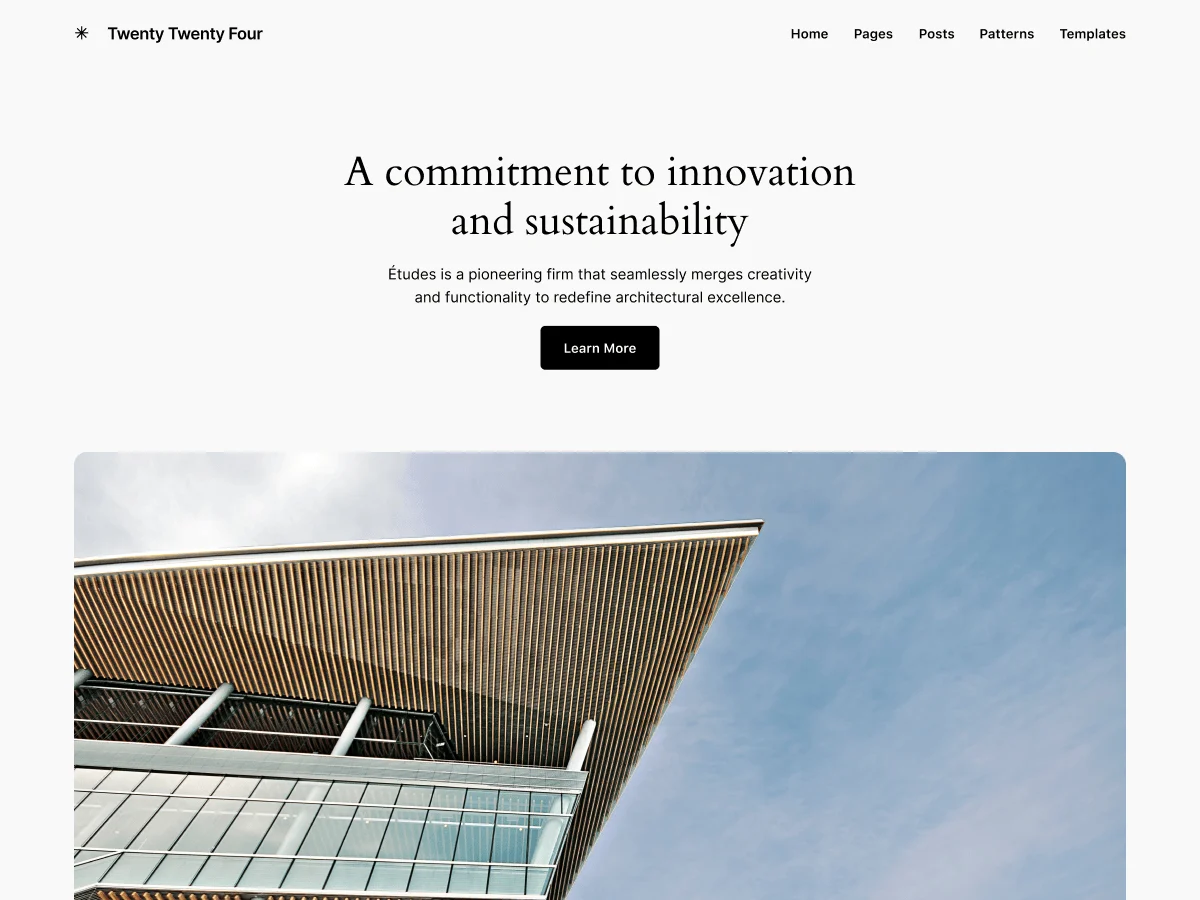
At the forefront of this evolution is Twenty Twenty-Four, a flagship default theme designed from the ground up to be flexible, versatile, and universally applicable. Boasting over 500,000 active installations and widespread global adoption, Twenty Twenty-Four is no longer just a placeholder. It has established itself as a powerhouse toolkit for businesses, bloggers, creative portfolios, and news publishers alike. Fully compatible with the WordPress Site Editor and optimized for the advanced design features introduced in WordPress 6.4, this theme represents a watershed moment in how millions of creators build for the web.
Main Facts: What Makes Twenty Twenty-Four a Milestone
Twenty Twenty-Four was engineered to break away from niche categorization. Unlike previous default themes that leaned heavily toward either blogging or corporate presentation, this release is built to adapt seamlessly to nearly any use case.
Key facts defining the theme include:
- Universal Versatility: The theme’s expansive collection of templates and pre-designed patterns cater directly to distinct digital identities, whether a user is launching a dynamic business site, a content-heavy publication, or a sleek visual portfolio.
- Seamless Customization: By altering minor variables in color palettes and typography, site administrators can completely transform the aesthetic of a web property without touching a line of code.
- Native Full Site Editing Support: Built explicitly for the block-based paradigm, Twenty Twenty-Four takes complete advantage of the WordPress Site Editor, giving users granular control over headers, footers, templates, and page layouts.
- Advanced Design Tools: Leveraging features rolled out in core WordPress updates (specifically WordPress 6.4), the theme utilizes wide blocks, custom styles, and modular patterns to speed up the development lifecycle.
- Global Accessibility: True to WordPress’s open-source ethos, Twenty Twenty-Four is accessibility-ready and has been translated into dozens of languages worldwide, ensuring inclusivity for both developers and end-users.
Chronology: The Evolution Leading to Twenty Twenty-Four
The journey toward Twenty Twenty-Four spans years of architectural refinement within the WordPress ecosystem, transitioning the platform from a traditional blogging tool into a robust Content Management System (CMS) and application framework.
Phase 1: The Gutenberg Revolution (2018–2020)
The introduction of the Gutenberg block editor fundamentally altered how content was structured inside WordPress. Early default themes like Twenty Twenty and Twenty Twenty-One began experimenting with block compatibility, but layouts were still heavily constrained by traditional PHP templates and rigid structural boundaries.
Phase 2: The Advent of Full Site Editing (2021–2022)
With releases like Twenty Twenty-Two and Twenty Twenty-Three, WordPress introduced Full Site Editing. Themes transitioned from static PHP files to dynamic HTML templates composed entirely of blocks. Twenty Twenty-Three, in particular, focused on stylistic variations, offering multiple color and font combinations to show how simple a redesign could be.
Phase 3: The Genesis and Release of Twenty Twenty-Four (Late 2023)
Building upon the lessons learned from previous iterations, the development team conceptualized Twenty Twenty-Four as a "meta-theme"—one that does not force a specific aesthetic onto the user, but instead provides a robust foundation of layouts, style variations, and patterns. Released alongside WordPress 6.4, it capitalized on improved performance, refined vertical text writing tools, and streamlined pattern management workflows.
Phase 4: Widespread Adoption and Global Reach (Present Day)
Surpassing 500,000 active installations, Twenty Twenty-Four has rapidly become one of the most widely deployed block themes on the internet. Its community-driven translation efforts have made it accessible across dozens of regional languages, ranging from Arabic and Spanish to Japanese and Hindi.
Supporting Data & Feature Breakdown
To fully understand the appeal of Twenty Twenty-Four, one must examine its technical specifications, design features, and community metrics. The theme functions as a comprehensive ecosystem designed to eliminate reliance on bloated, third-party page builders.
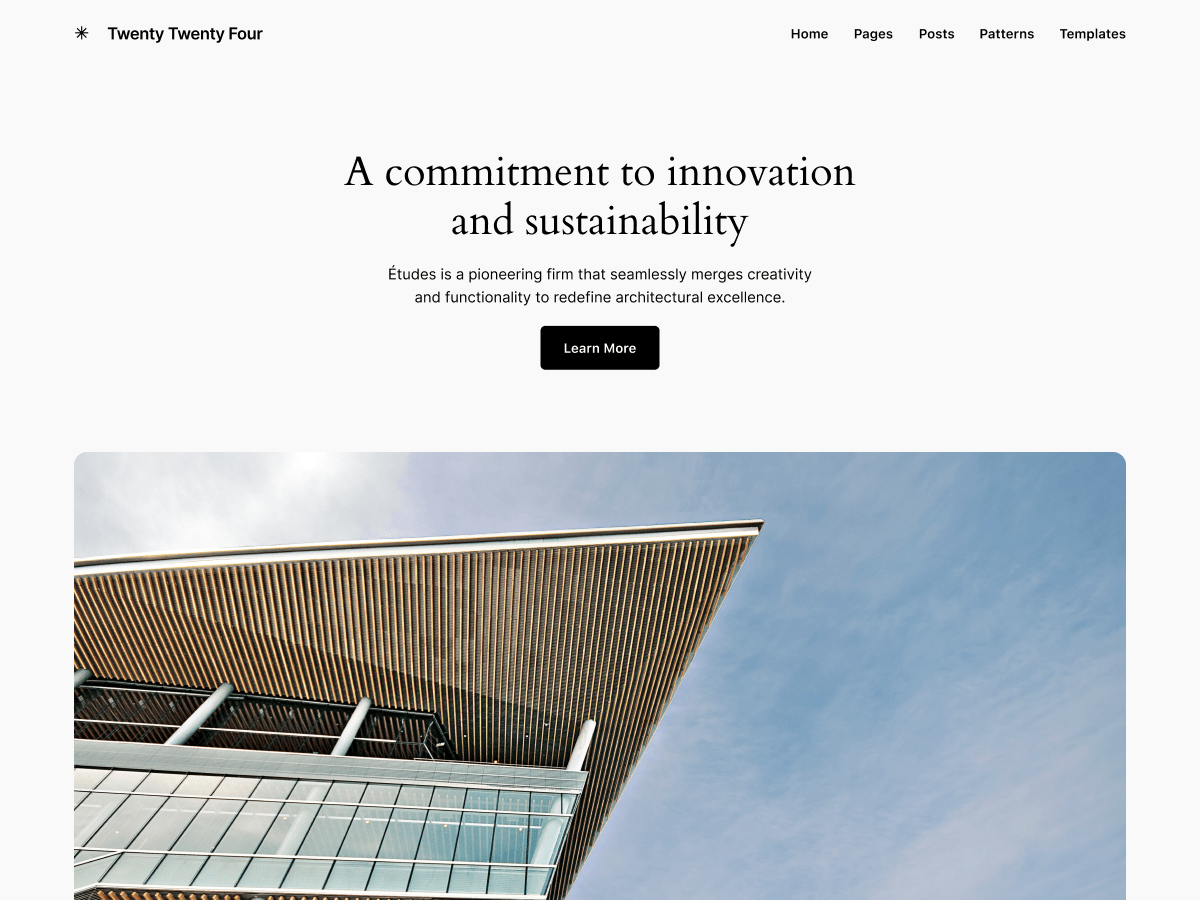
Core Feature Tags
According to official WordPress repository metadata, Twenty Twenty-Four is certified across a vast array of functional categories:
- Accessibility Ready & RTL Support: Fully optimized for screen readers and right-to-left language scripts.
- Block-Centric Architecture: Deep integration with block editor patterns, block editor styles, and wide-block alignments.
- Content Flexibility: Tailored support for standard blogs, news feeds, sticky posts, threaded comments, and custom menus.
- Visual Presentation: Robust handling of featured images, custom logos, and personalized color schemes.
Usage and Engagement Metrics
- Active Installations: 500,000+ sites actively run Twenty Twenty-Four in production environments globally.
- Style Variations: Ships with 8 distinct style variations, allowing users to dramatically shift visual tones with a single click.
- Translation Coverage: Available in over 40 distinct language packs, demonstrating extensive international community backing.
Official Responses and Community Feedback
The response from the WordPress developer community, agency owners, and casual bloggers has been overwhelmingly positive, though transition hurdles common to block-based themes remain a point of discussion.
The Developer Perspective
Core contributors and theme developers have emphasized that Twenty Twenty-Four was built based on extensive feedback from real-world agency deployments. In official design discussions on the WordPress Make Themes blog, contributors noted that users wanted fewer prescriptive designs and more modular building blocks.
“We wanted to build something that doesn’t look like a template out of the box, but rather feels like a bespoke design crafted specifically for the user’s content,” noted lead contributors during the theme’s initial testing cycles. “By focusing on high-utility patterns—like service grids, about pages, and portfolio showcases—we cut site-building time in half.”
User Support and Issue Reporting
While the vast majority of users praise the theme’s speed and modern styling, the WordPress support forums for Twenty Twenty-Four actively manage inquiries related to custom CSS overrides, legacy migration challenges, and fine-tuning typography scales. The core team maintains an open line for issue reporting via the official make.wordpress.org/themes portal, ensuring rapid patches for any accessibility regressions or compatibility bugs introduced by major core updates.
Implications for the Future of WordPress Development
The success and widespread adoption of Twenty Twenty-Four carry profound implications for the broader web development landscape, open-source software design, and the future of WordPress.
1. The Decline of Proprietary Page Builders
For years, third-party drag-and-drop page builders dominated the WordPress ecosystem because default themes lacked sophisticated layout capabilities. With Twenty Twenty-Four demonstrating that a default, lightweight block theme can achieve complex layouts, multi-column portfolios, and dynamic business landing pages natively, the need for heavy, resource-intensive plugins is sharply diminishing. This translates directly to faster load times, better Core Web Vitals scores, and improved SEO performance across millions of websites.
2. Standardization of Full Site Editing (FSE)
As millions of users interact with Twenty Twenty-Four, FSE is solidifying its status as the standard way to build on WordPress. Concepts like template parts, global styles, and pattern synchronization are no longer viewed as experimental features for advanced developers; they are now everyday tools utilized by bloggers, small business owners, and non-technical site administrators.
3. A Blueprint for Future Default Themes
Twenty Twenty-Four has set a high benchmark for future default themes (such as Twenty Twenty-Five and beyond). Future iterations are expected to lean even further into artificial intelligence-assisted site building, deeper pattern integration, and hyper-personalized design tokens. By proving that a default theme can be simultaneously minimalist and feature-rich, Twenty Twenty-Four has redefined what the WordPress project can offer its global community out of the box.
Conclusion
Twenty Twenty-Four is much more than a cosmetic update for WordPress; it is a strategic evolution in website creation. By combining intuitive style variations, robust block patterns, and deep integration with Full Site Editing, it empowers users of all technical skill levels to build fast, beautiful, and accessible websites. With over half a million active sites relying on its framework, Twenty Twenty-Four stands as a testament to the power of open-source collaboration and modern web standards.