










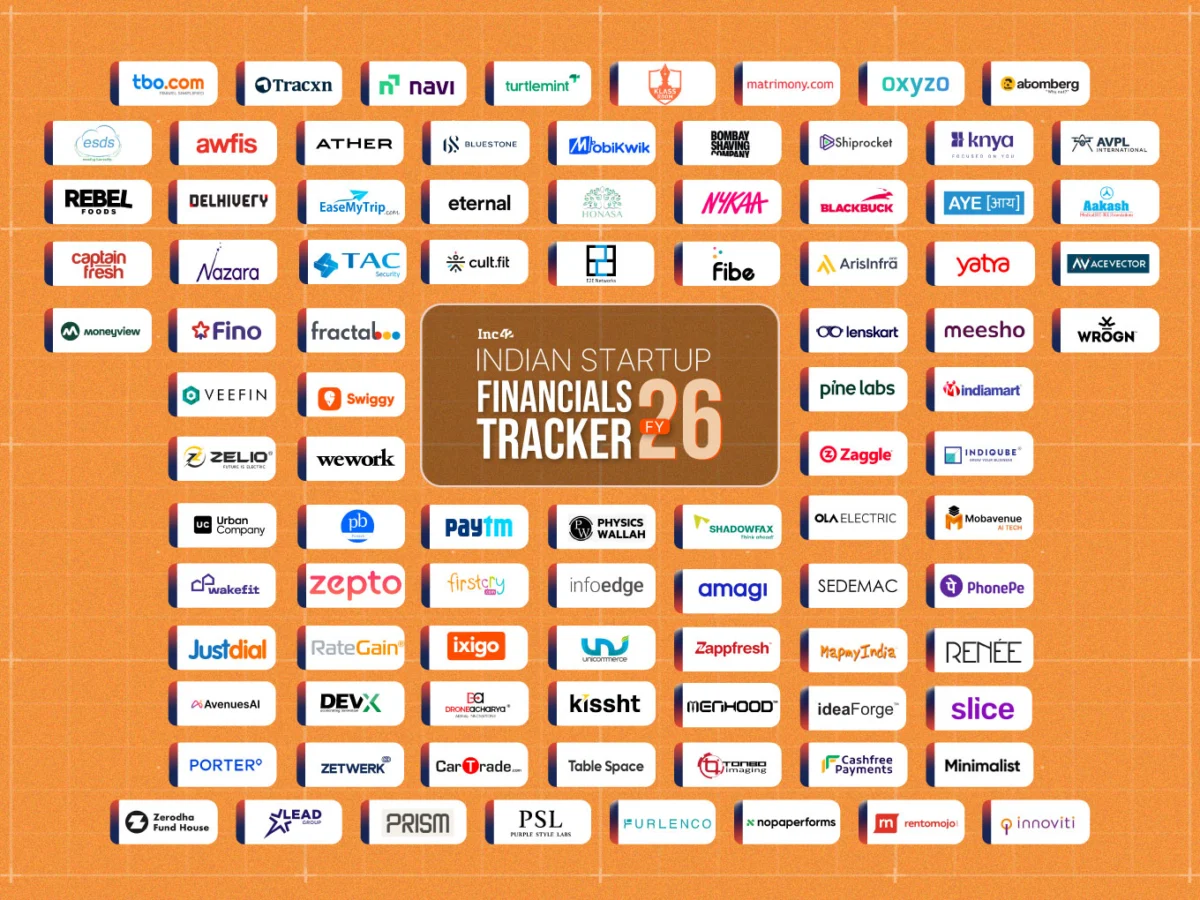
The Indian startup ecosystem reached a significant inflection point in Fiscal Year 2026 (FY26), characterized by a deliberate shift from "growth at all costs" to a more disciplined, profitability-focused operational model. As the funding winter of previous years gave way to a new reality of fiscal prudence, the narrative of the new-age tech sector moved from pure valuation metrics to the actual viability of business models.
Data from the Inc42 FY26 Financial Tracker reveals a complex, multi-speed recovery. While the total number of new-age tech companies making public market debuts rose to 22—up from 13 in FY25—the underlying financial performance of the broader ecosystem remained uneven.
The Macro View: Scale vs. Sustainability
Despite a challenging fourth quarter marked by global geopolitical uncertainties that hampered consumer sentiment and supply chains, the aggregate performance of 97 tracked startups shows a robust expansion. These companies generated a combined operating revenue of ₹3.22 Lakh Cr in FY26, a staggering 44.25% increase from the ₹2.23 Lakh Cr reported in FY25.
However, the "profitability gap" remains the most critical headline. Of the 97 startups analyzed, 65 reported profits, signaling a 67% success rate in operational efficiency. Yet, the distribution of wealth remains skewed: those 65 profitable companies generated a combined net profit of ₹14,511.8 Cr, while the remaining 32 loss-making entities posted a cumulative loss of ₹21,426.8 Cr. This stark contrast underscores that for a significant portion of the ecosystem, sustainable profitability remains a work in progress rather than a settled outcome.
Chronology of Financial Performance
The fiscal year was defined by three distinct phases:
- Q1-Q2: The Consolidation Phase: Following the cost rationalization measures initiated in late FY25, startups focused heavily on streamlining operations. Companies like BlueStone and BlackBuck successfully transitioned to profitability by optimizing supply chains and reducing discretionary spending.
- Q3: The Revenue Push: As operational efficiencies stabilized, the focus shifted back to top-line growth. Fintechs and B2B platforms like AvenuesAI and Kissht reported triple-digit revenue growth, leveraging AI and deeper market penetration.
- Q4: The Geopolitical Headwind: The final quarter saw a slowdown in consumer spending due to inflationary pressures and geopolitical volatility. Startups with high capital expenditure, such as Swiggy and Zepto, faced increased pressure on their bottom lines, leading to a focus on narrowing losses rather than explosive expansion.
Sectoral Insights and Key Performers
The financial data highlights divergent trends across various verticals:
Fintech and Lending
The fintech sector continues to be the engine room of the ecosystem. AvenuesAI (formerly Infibeam Avenues) reported a 25% jump in profit, reaching ₹294.9 Cr. Similarly, Fibe saw its profit more than double to ₹257.4 Cr, proving that the digital lending market in India has moved beyond the initial phase of customer acquisition into a phase of mature yield management. Conversely, PhonePe continued to report a wider loss of ₹2,792 Cr, largely attributed to heavy investments in new payment infrastructures and aggressive marketing.
Quick Commerce and Logistics
This sector remains the most capital-intensive. Zepto saw its revenue double to ₹22,623.6 Cr, yet its losses widened to ₹5,905 Cr. This indicates that despite the massive consumer demand, the unit economics of sub-10-minute delivery remain fragile. In the logistics space, Delhivery maintained a profit of ₹152.5 Cr, though its growth has moderated, reflecting a shift toward sustainable, volume-based operations.
SaaS and B2B Enterprise
B2B startups demonstrated the most resilience. Amagi Media Labs successfully turned profitable, recording a net profit of ₹71.7 Cr. Fractal, the AI and analytics giant, saw a 30% surge in profit to ₹286.8 Cr, benefiting from the global enterprise-wide adoption of AI technologies. These companies prove that a product-led approach remains the safest route to long-term fiscal health.
Edtech and Consumer Brands
Edtech startups are undergoing a painful but necessary transition. While Aakash Educational Services narrowed its loss by 15%, and PhysicsWallah saw a 90% reduction in net loss, the sector remains under pressure. Honasa (Mamaearth), however, stands as a success story for the D2C segment, surpassing the ₹200 Cr profit mark, proving that omnichannel strategies—combining online reach with physical retail—are the preferred path for consumer brands.
Operational Discipline and Official Stance
The recurring theme across disclosures is the emphasis on "Unit Economics." Founders are increasingly being pressured by board members and institutional investors to show a clear path to EBITDA positivity.
Companies like Paytm have reached a milestone, reporting their first full year of profitability (₹552 Cr). In its official communications, the company highlighted a disciplined approach to managing its core payment business and a reduction in administrative overheads as the primary drivers of this turnaround.
Meanwhile, startups like Zetwerk have faced challenges. Their losses widened to ₹1,606.2 Cr, but the company clarified that a significant portion of this was due to exceptional items and impairments from discontinued operations, suggesting that the core manufacturing business remains robust.
Implications for the Future
The FY26 data offers three major takeaways for the Indian startup ecosystem:
- The Rise of the "Profitable Scale-up": The market no longer rewards revenue growth without a clear path to profitability. The 65 companies that turned profitable in FY26 are now the primary targets for institutional capital, as they offer lower risk profiles.
- Consolidation is Inevitable: With the gap between the top performers and the rest widening, we can expect an increase in M&A activity in FY27. Smaller, cash-burning startups may find themselves being absorbed by larger, profitable players looking to consolidate market share.
- Public Market Readiness: The 22 IPOs in FY26 suggest that the public market is hungry for Indian tech stories, provided the financials are audited, transparent, and sustainable. The success of IPOs from companies like Awfis and CarTrade sets a precedent for how future public offerings will be valued: not on hype, but on consistent, predictable bottom-line growth.
Conclusion
FY26 will be remembered as the year Indian startups grew up. The obsession with "valuation" has been replaced by an obsession with "cash flow." While the path ahead remains difficult—particularly for those in the quick commerce and logistics segments where margins are razor-thin—the overall trend is undeniable. India’s tech companies are moving toward a mature, sustainable, and globally competitive financial model, laying the foundation for a more resilient digital economy.
Note: This report is based on data tracked by Inc42. The list and figures are updated periodically as companies release their annual financial disclosures.



