











The festive season in India has officially shifted into high gear. As the nation prepares for the most anticipated retail period of the year, Amazon India has fired the opening salvo in the e-commerce battleground. By announcing a massive wave of "Early Deals" ahead of the official start of the Great Indian Festival 2026—scheduled for October 8—Amazon has effectively moved to capture the consumer mindset a full day before its primary rival, Flipkart, launches its own "Big Billion Days" campaign.
This preemptive strike is not merely a promotional tactic; it is a calculated effort to lock in consumer loyalty, optimize logistics, and showcase the technological advancements the platform has integrated over the past year. With a sweeping range of discounts across every conceivable product category, from high-end smartphones to daily kitchen essentials, Amazon is setting the stage for what is expected to be its most profitable festive season to date.
Main Facts: What to Expect from the 2026 Festival
The Amazon Great Indian Festival 2026 is designed as a comprehensive shopping ecosystem. Unlike previous iterations that focused primarily on electronics, this year’s event places a heavy emphasis on "total home solutions," covering everything from heavy appliances and automotive electronics to fashion, beauty, and groceries.
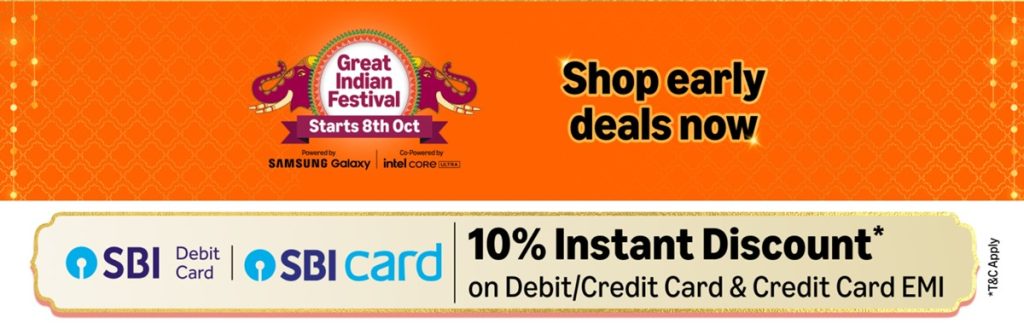
The "Early Deals" are currently live, providing a window for savvy shoppers to avoid the inevitable rush and inventory depletion that occurs once the main festival kicks off on October 8. Key highlights include:
- Massive Savings: Deep discounts of up to 80% are available in the fashion and beauty segments, featuring major brands like Nike, Fossil, Skechers, and L’Oréal Paris.
- Essential Savings: Groceries and everyday essentials are seeing price drops of up to 70%, bolstered by "Buy More, Save More" schemes and "Subscribe & Save" options.
- Technological Integration: This year’s festival is powered by a suite of AI tools, including Rufus, the AI shopping assistant, which helps users compare prices, track historical data, and receive personalized recommendations.
The Chronology: A Strategic Race to the Consumer
The timing of this announcement is critical. By going live on October 7—one day ahead of the traditional festive sale timeline—Amazon is attempting to influence the "early-bird" shopper. Historically, the Indian e-commerce market experiences a surge in traffic in the days leading up to major festivals. By creating an "Early Deals" phase, Amazon is not only de-risking its logistics network by spreading out order fulfillment but also establishing a "price anchor" in the minds of consumers.
The chronology of this rollout is designed to build momentum. Consumers are encouraged to explore the platform now to build their wishlists and utilize the 10% instant discount offered on SBI Credit and Debit cards. This creates a psychological "sunk cost" effect; once a user has navigated the site, added items to their cart, and explored the banking benefits, they are significantly less likely to switch to a competitor when the main sale begins.
Supporting Data: An In-Depth Look at Categories
The breadth of the Amazon Great Indian Festival 2026 is reflected in the diversity of its catalog. Below is an analytical breakdown of the key segments seeing significant activity:
1. The Electronics Powerhouse
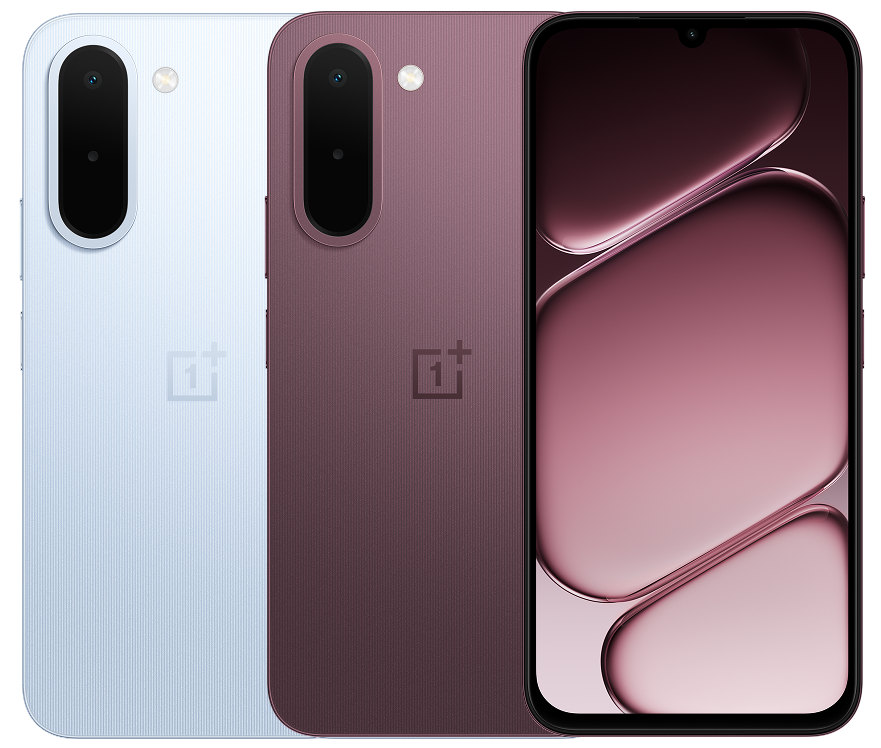
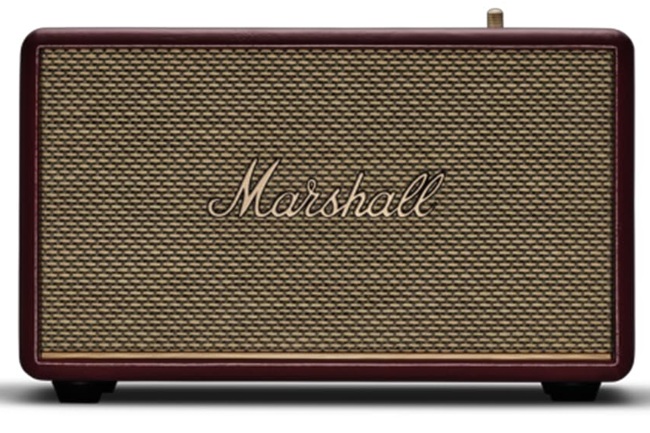
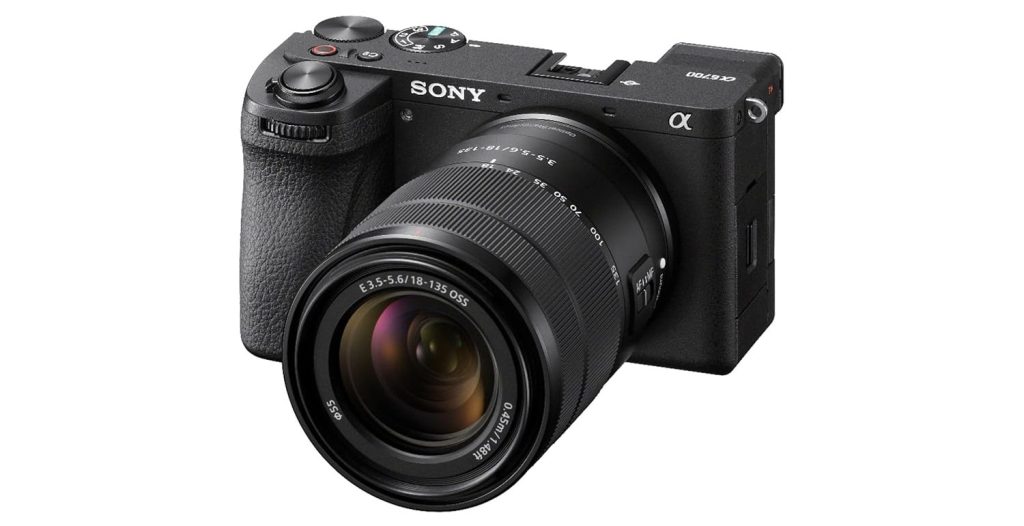
Smartphones and laptops remain the crown jewels of the sale. With dedicated landing pages for flagship devices like the OnePlus N6x and the new Apple MacBook Neo 13”, Amazon is targeting tech enthusiasts who are looking to upgrade their hardware. The inclusion of high-end audio equipment, such as the Marshall Acton III, and advanced imaging technology like the Sony Alpha ILCE-6700, rounds out an offering that caters to both professionals and casual consumers.
2. Home Appliances and Lifestyle
Beyond personal tech, the festival is heavily promoting home upgrades. The selection of Samsung 55-inch Mini-LED 4K TVs and high-capacity Bespoke AI refrigerators suggests a push toward premium consumer durables. Furthermore, the focus on Bosch front-load washing machines indicates that Amazon is successfully capturing the "replacement cycle" market, where families upgrade their white goods during the auspicious festive season.

3. Amazon Bazaar and Artisanal Support
Amazon continues its commitment to the "Make in India" initiative through its Amazon Karigar and Saheli programs. These sections are not just about discounts; they are about discoverability for local artisans. By highlighting handloom sarees, home decor, and regional furniture, Amazon provides a platform for small-scale creators to reach a national audience, which is a key differentiator in their brand strategy.
Official Responses and Strategic Implications
Industry analysts view the 2026 Great Indian Festival as a litmus test for the resilience of the Indian middle-class consumer. In official statements, Amazon representatives emphasized that this year’s sale is "customer-obsessed," focusing on speed and affordability.
"Our goal is to ensure that every household across the 65+ cities where we offer rapid delivery feels the benefit of the festive season," a spokesperson noted. "From AI-driven search tools like Rufus to our expanded logistics network, we have built an infrastructure that turns browsing into a seamless, high-value experience."

The implications for the broader retail sector are profound:
- Logistics Dominance: With millions of products eligible for same-day and next-day delivery, Amazon is signaling that its logistics network is more robust than ever. The ability to deliver in "minutes" in over 65 cities is a direct challenge to the quick-commerce model currently disrupting the Indian market.
- Financial Inclusion: The extensive partnership with ICICI Bank and SBI indicates a move to democratize credit. By offering interest-free EMIs on purchases as low as Rs. 1,500 and providing "Welcome Rewards" for new credit card users, Amazon is actively expanding its user base in Tier-2 and Tier-3 cities.
- The AI Revolution: The integration of Lens AI for visual search and AI-generated review summaries marks a significant shift in how consumers interact with products. By reducing the "information asymmetry" between the seller and the buyer, Amazon is reducing the friction that often leads to cart abandonment.
The Financial Edge: Navigating the Payment Offers
A crucial component of this year’s strategy is the sophisticated layer of financial incentives. Amazon has structured its payments ecosystem to reward loyalty and incentivize digital transactions.
For the average consumer, the math is compelling. A customer using an Amazon Pay ICICI Bank Credit Card not only benefits from the base sale discount but also earns 5% unlimited cashback as a Prime member. When combined with the 10% instant bank discount on SBI cards, the effective price of high-value items drops significantly, making luxury goods more accessible to the middle-income demographic.
Moreover, the "Amazon Pay Later" and "Pay in 3" interest-free EMI options serve as a vital safety net for consumers who wish to participate in the festival without the immediate burden of large, one-time expenditures. This approach is instrumental in driving the high-ticket sales that characterize the Great Indian Festival.
Conclusion: A New Standard for Festive Retail
As the clock ticks toward October 8, the Amazon Great Indian Festival 2026 is already proving to be a masterclass in e-commerce strategy. By leveraging early-access deals, integrating sophisticated AI tools, and providing a comprehensive suite of financial incentives, Amazon is not merely selling products; it is curating an experience.
For the consumer, the takeaway is clear: the digital storefront is more efficient, the discounts are more targeted, and the delivery speed is unprecedented. Whether you are looking for the latest smartphone, a home appliance upgrade, or everyday essentials, the current "Early Deals" phase serves as a vital entry point into a festive season that promises to redefine the standards of Indian retail. With over four million products available for next-day delivery and a robust support system for local artisans, Amazon remains at the forefront of the digital transformation of the Indian economy.
As shoppers log on to Amazon.in, they are witnessing more than just a sale—they are participating in a massive logistical and technological event that marks the pinnacle of the 2026 festive calendar.



