










The digital marketing ecosystem is undergoing a period of profound transformation. As artificial intelligence moves from a novelty to an integrated utility, social media platforms are aggressively recalibrating their algorithms and toolsets to dictate how brands connect with consumers. From Meta’s massive pivot toward enterprise-grade AI agents to Reddit’s strategic move to lock down its data, the mandate for marketers is clear: adapt to an AI-first environment without sacrificing the authentic human connection that drives conversion.
This report synthesizes the critical updates, strategic shifts, and actionable insights that define the current marketing landscape, providing a roadmap for professionals navigating this period of rapid change.
The Strategic Shift: Leveraging Customer Data in an AI World
One of the most persistent challenges for digital advertisers is the "blank page" syndrome—the inability to find fresh, resonant angles for ad campaigns. According to insights shared at Social Media Marketing World, the solution lies not in more advanced AI, but in a deeper, more systematic approach to customer research.
The Survey-to-Script Pipeline
The most effective ad hooks are not manufactured in a boardroom; they are harvested from the customers themselves. By implementing a structured customer survey process, brands can extract the exact vernacular, frustrations, and desires of their target audience.

- The Process: Mine survey responses to identify "pain points" and "after-states."
- The Execution: Transform these findings into specific ad scripts that mirror the customer’s internal monologue.
The "Reddit Method" for Ad Copywriting
When direct survey data is insufficient, Reddit remains a goldmine of raw, unfiltered consumer sentiment. By using Google search queries such as site:reddit.com [pain point/benefit], marketers can access organic discussions where users detail their frustrations and desired outcomes. These threads provide a blueprint for high-converting scripts that feel like a peer-to-peer conversation rather than a corporate pitch.
Platform Updates: The Week in Chronology
The past seven days have seen a flurry of activity across the major social networks. Below is a chronology of the most significant platform announcements:

- Meta Launches "Forum": Designed to revitalize Facebook Groups, this standalone app integrates existing memberships with AI-powered discovery and "Ask" features, aiming to make community participation more intuitive.
- Instagram’s "Edits" AI: Now available to all US users, this tool provides hyper-personalized insights. It analyzes a creator’s metrics and audience behavior to suggest specific hooks, captions, and trending audio.
- Boosting Live Videos: Instagram has streamlined the promotional workflow, allowing creators to turn active live streams into ads directly within the interface, bypassing the complexity of Meta Ads Manager.
- Meta Enterprise Platform: In a move toward B2B dominance, Meta is rolling out a suite of AI infrastructure tools (including the Muse agent and API) for large-scale enterprise deployment.
- The Reddit Lockdown: Reddit has announced a significant shift in data accessibility. By November 2026, RSS feeds will be retired, followed by a total shutdown of public API access by March 2027. This signals the end of the "wild west" era of data scraping for social listening tools.
- Threads Evolution: Threads is testing new media editing tools—including post overlays and quote-media features—while expanding its live-chat capabilities with "raise hand" functionality and real-time emoji reactions.
- YouTube’s Quality Push: YouTube is adjusting its Shorts recommendation algorithm to prioritize original content, explicitly penalizing re-uploaded material that lacks value-add edits.
Supporting Data: AI Integration and Marketing Efficacy
As Meta and other platforms roll out AI assistants like "Muse" and Instagram’s "Edits," the debate over the role of automation has intensified. Data suggests that the primary value of AI in 2026 is not necessarily "content creation" but "content optimization."
The "Human-in-the-Loop" Necessity
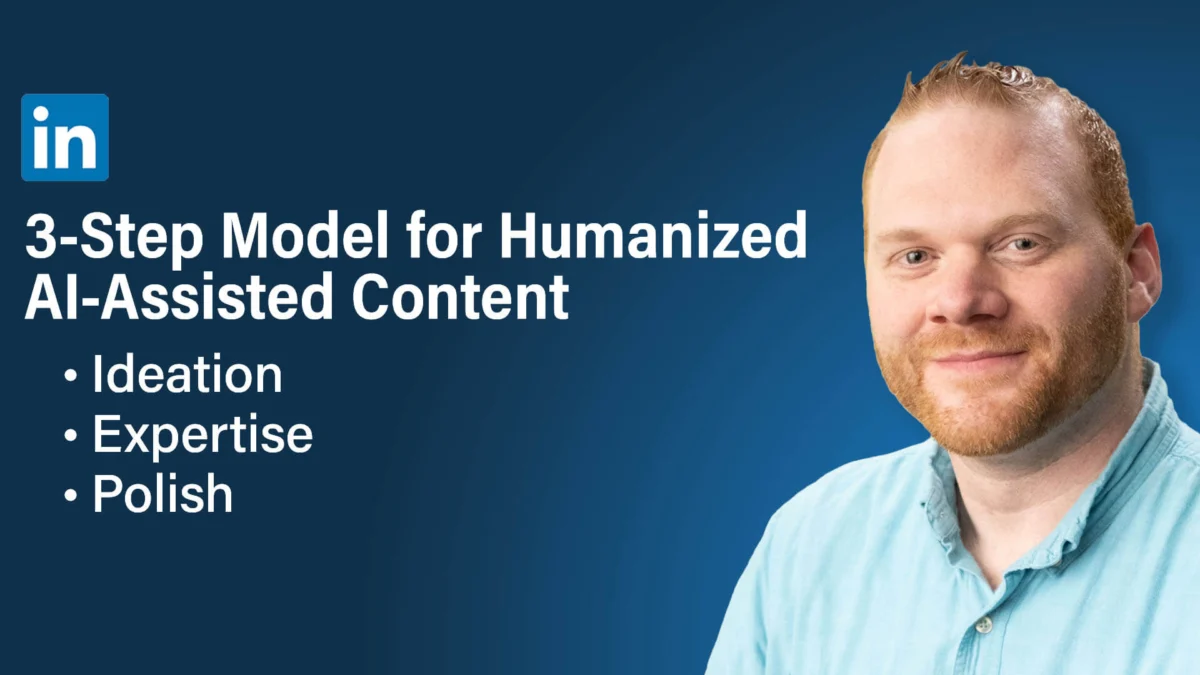
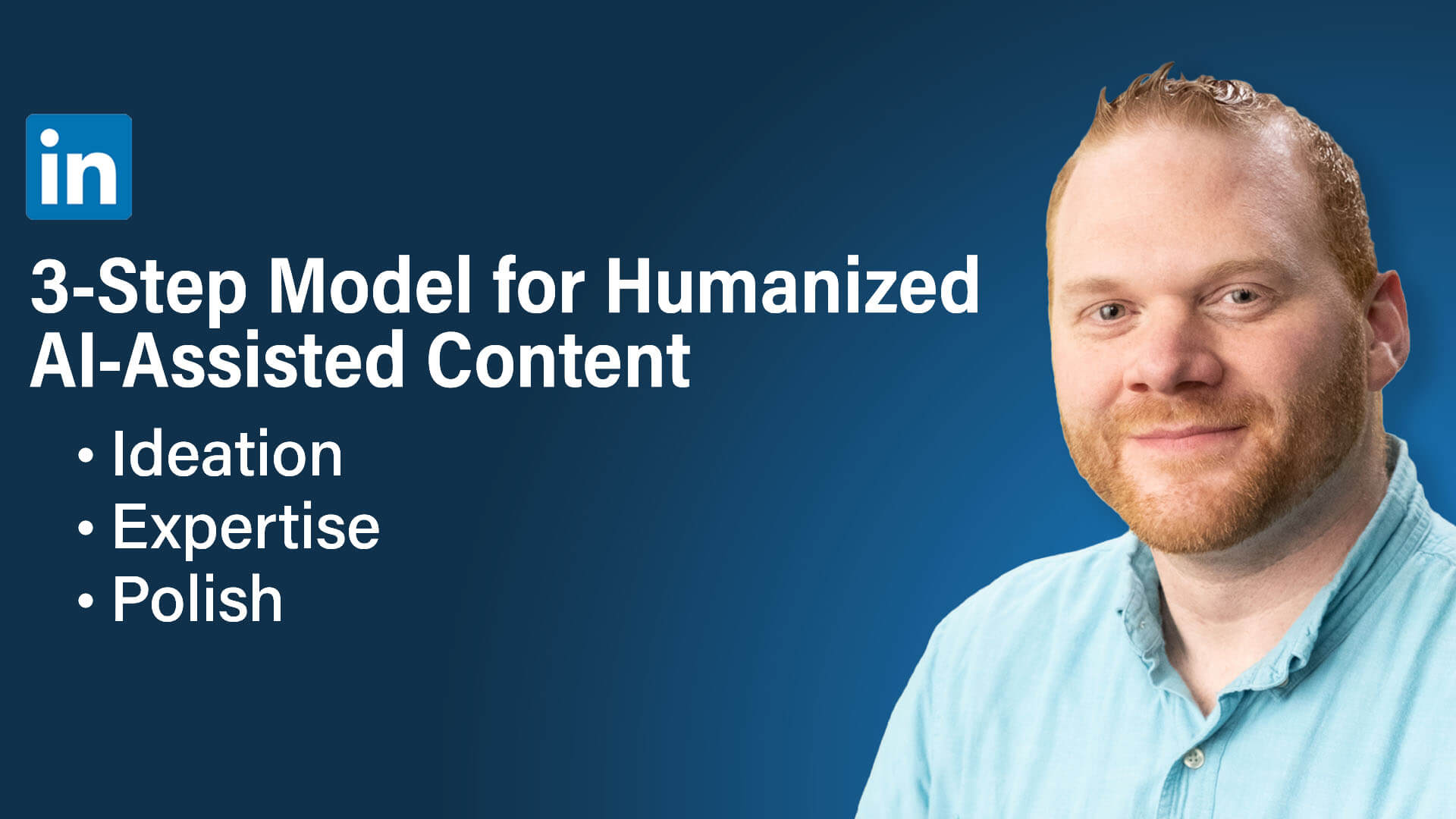
AJ Wilcox, founder of B2Linked, warns that while AI can streamline the writing process, there is a "human touch" that remains non-negotiable. LinkedIn’s current crackdown on "AI slop" has forced marketers to reconsider their workflows. AI is effective for structural drafting, but it lacks the nuance required for high-conversion sales copy.
The Cost of Inefficiency
A recent case study from a short-form docuseries on reaching 3,000 conference attendees highlighted a sobering lesson for digital marketers: Your time is more expensive than your tools. Choosing "free" or low-cost AI editors that require hours of manual correction is a false economy. Investing in robust AI infrastructure—such as automated video clipping for testimonials—consistently yields a higher ROI by freeing up human capital for strategy rather than production.
Official Responses and Platform Policies
The LinkedIn Ads Conundrum
LinkedIn’s recent algorithmic changes regarding ad variations have caused confusion. While LinkedIn recommends a high number of creative variations to improve click-through rates, advertisers are finding that "over-variation" can actually dilute budget efficiency. The emerging consensus among top-tier performance marketers is to focus on a limited set of high-quality, high-performing video formats rather than flooding the auction with subpar assets.

Reddit’s Data Strategy
Reddit’s move to restrict API access is a direct response to the "AI training" dilemma. By forcing AI developers and social listening platforms to move to a commercial data model, Reddit is attempting to capture the value of the conversations happening on its platform. For marketers, this means the era of free, real-time access to Reddit data for market research is drawing to a close.
Implications: The Future of Digital Marketing
The convergence of these events points to a future where "social" platforms are increasingly "utility" platforms.

1. The Death of the "Generic" Strategy
Platforms like YouTube and LinkedIn are actively filtering out low-effort, AI-generated content. For brands, this means that "volume" is no longer a viable strategy. The new mandate is originality and context. Whether it’s an Instagram Reel or a LinkedIn post, the content that performs is the content that provides unique, human-centric insights that an AI cannot replicate.
2. The Shift to "Conversation-First" Marketing
LinkedIn’s prioritization of comments over posts suggests that engagement is shifting from broadcast to dialogue. Marketers who utilize a "comment-first" strategy—timing their responses to relevant industry conversations and adding value through follow-up questions—are seeing significantly higher visibility than those who simply post content to their own feed.

3. The Rise of the "Personalized" Agent
Meta’s focus on the Muse AI agent signals a shift toward "always-on" business operations. The ability to delegate recurring tasks, brand deal coordination, and content planning to an AI agent will separate the high-growth creators from the stagnating ones.
4. Community as the Final Moat
As social media becomes more cluttered with AI-generated noise, the value of "real" connection increases. Whether through Facebook Groups, live events, or niche community forums, the most successful brands of 2027 will be those that prioritize building genuine relationships. As Michael Stelzner, founder of Social Media Marketing World, often notes, the most transformative moments in business don’t happen in a comment section—they happen in the hallway, at the table, and in face-to-face interaction.

Conclusion
The digital marketing landscape is not shrinking, but it is tightening. The tools are becoming more powerful, the platforms are becoming more guarded, and the audiences are becoming more discerning. To succeed in this environment, marketers must embrace the technical advantages of AI agents for efficiency, but double down on the human, research-driven insights that make their brand unique. The future belongs to those who use technology to amplify, rather than replace, the human voice.



