










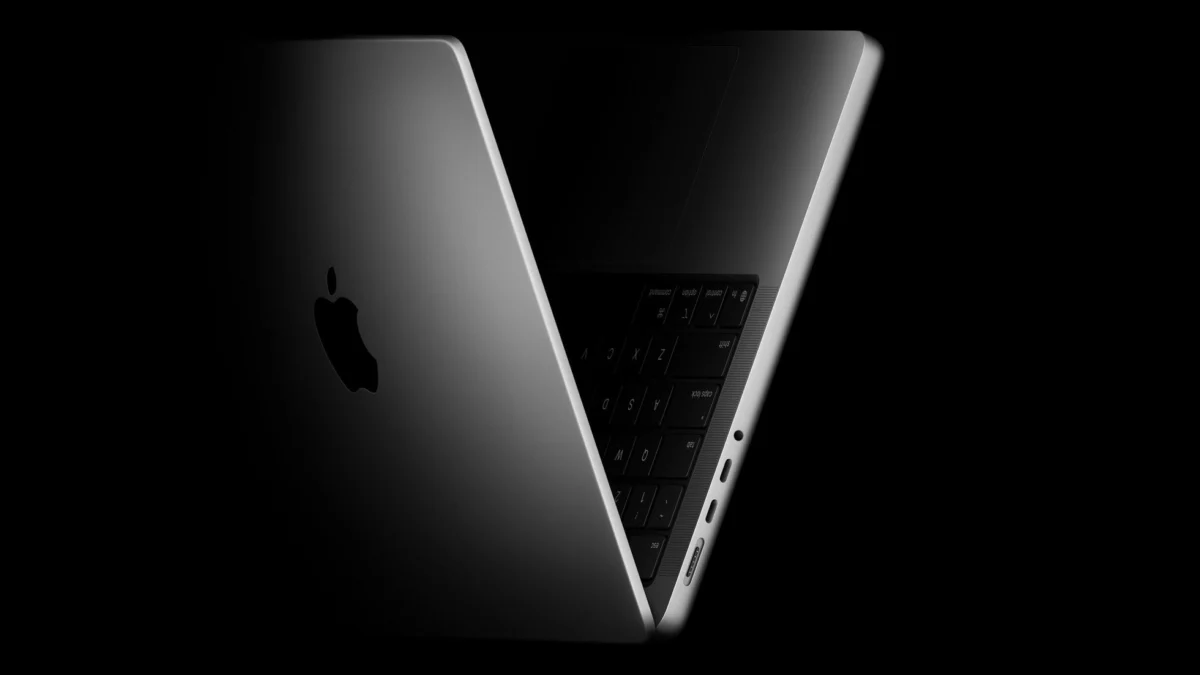
In the high-stakes world of consumer electronics, few product lines command the scrutiny and anticipation of the Apple MacBook Pro. As the industry approaches a pivotal moment in laptop design, Apple’s roadmap for its next-generation high-end portable has become the subject of intense speculation. Central to this narrative is the long-rumored transition to OLED display technology and the introduction of touchscreen functionality—a departure from Apple’s long-standing design philosophy.
However, recent reports indicate that the physical silhouette of these machines may not be as radical a departure as once expected. Bloomberg’s Mark Gurman, a primary source for Apple’s internal development pipeline, has adjusted his previous reporting regarding the chassis of the upcoming MacBook Pro. While the internal technology is set for a massive overhaul, the physical dimensions appear destined for a more subtle evolution rather than a revolutionary thinning.
The Core Revelation: A Shift in Expectations
For months, the tech community operated under the assumption that the transition to OLED panels—which require significantly less space than traditional mini-LED backlit displays—would enable Apple to slash the thickness of the MacBook Pro chassis. This expectation was rooted in the logic that removing the complex backlight array would create a "weight and space" dividend.
On Wednesday, October 7, 2026, Gurman addressed this directly via a post on X (formerly Twitter). In response to a query regarding the forthcoming high-end laptops, he stated, "I don’t think it’ll be significantly thinner in the end." This correction effectively decouples the benefits of OLED technology from the aggressive thinning of the device’s profile. While the machines are still expected to be "significantly lighter" than their predecessors, the physical depth of the device is likely to remain consistent with current models.
This distinction is crucial for power users and industry analysts alike. In laptop engineering, "thinness" is often a trade-off for thermal headroom, battery capacity, and port connectivity. By opting to maintain the current chassis thickness, Apple appears to be prioritizing the functional longevity and performance stability of the "Pro" moniker over the aesthetic allure of a paper-thin profile.
A Chronology of Reporting: The "Thinning" Narrative
To understand how the conversation shifted, one must examine the progression of leaked information over the past twelve months. The evolution of this report highlights the complexities of tracking Apple’s internal design cycles, where prototypes often undergo radical revisions just weeks before mass production.
The Initial Forecast (October 2025)
In October 2025, reports began surfacing that Apple was developing a high-end MacBook Pro that would fundamentally alter the user experience. This version, as described by Gurman, promised a "thinner and lighter" design. At the time, the narrative was centered on the efficiency of the M5-series chips combined with the slim nature of OLED panels, which suggested a complete re-engineering of the internal logic board and cooling architecture.
The Refinement (November 2025)
By November 2025, the narrative solidified. Further leaks reiterated the "thinner chassis" claim, leading to widespread speculation that Apple was aiming for a design closer to the 13-inch MacBook Air’s profile, but with the power density of a Pro machine. During this phase, enthusiasts speculated about the removal of certain ports or a shift to an all-USB-C architecture that would necessitate a thinner footprint.
The Correction (October 2026)
As the October 2026 launch window approaches, the reality of the hardware has crystallized. In his most recent Power On newsletter, Gurman clarified the distinction: the weight reduction is confirmed, but the chassis thickness will remain stable. This pivot serves as a reminder that even the most well-sourced rumors are subject to the realities of thermal physics and manufacturing limitations.
The Engineering Challenge: Why "Thin" Is Not Always "Better"
The decision to retain a familiar thickness while reducing weight points to several technical realities inherent in the next-generation MacBook Pro design.
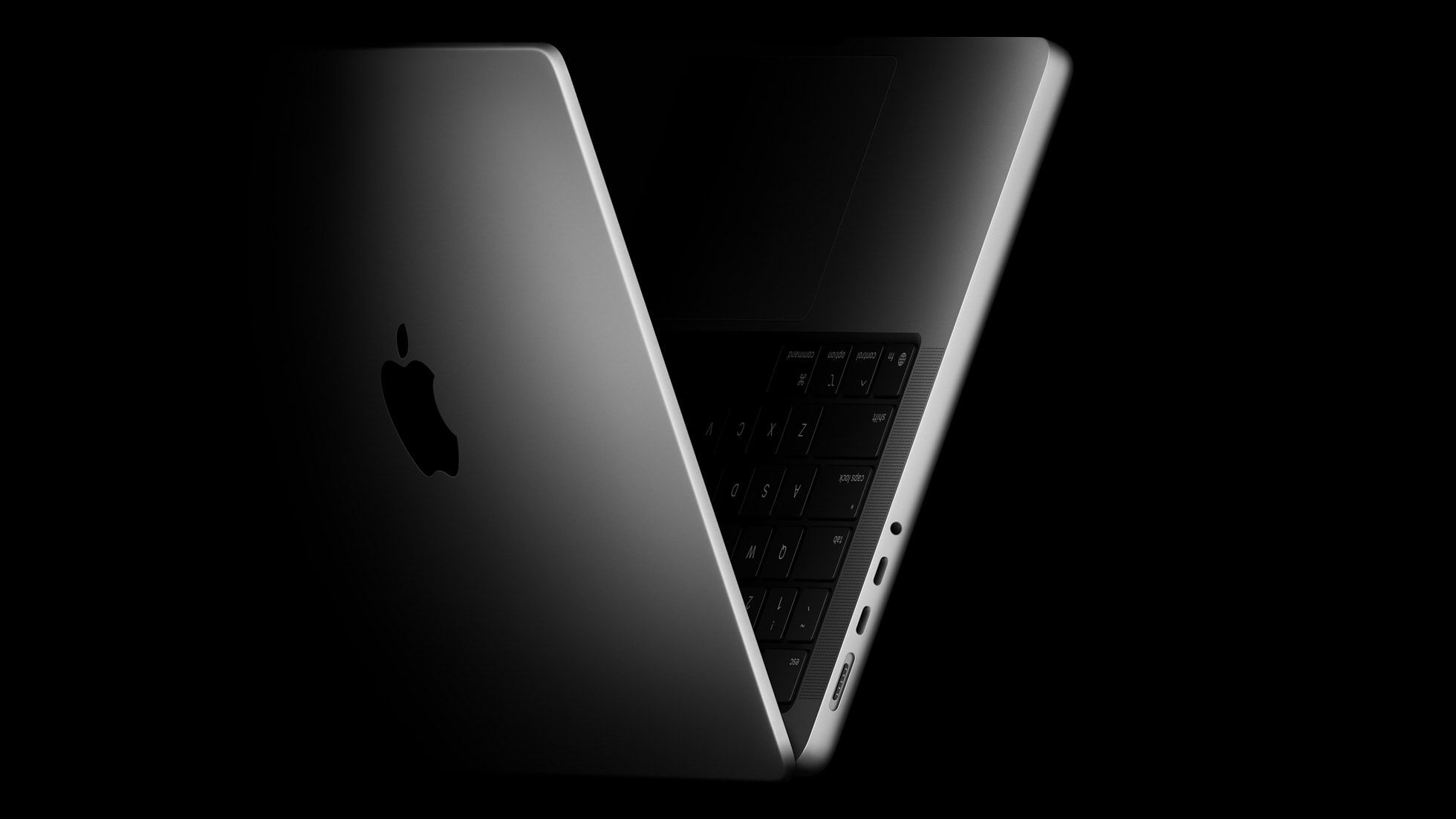
1. The Thermal Envelope
Modern Apple Silicon, particularly the high-performance iterations destined for the MacBook Pro, generates substantial heat under sustained workloads. A thinner chassis provides less surface area for heat dissipation and limits the volume of air that can be moved by internal fans. By keeping the chassis at its current depth, Apple ensures that the thermal envelope remains sufficient to prevent throttling during intensive tasks like 8K video rendering or complex software compilation.
2. Battery Density vs. Chassis Volume
OLED panels are indeed thinner than their mini-LED counterparts, but that reclaimed space is not merely "empty." Apple has historically utilized reclaimed space to increase battery density. If Apple has chosen to keep the laptop’s thickness, it is highly probable that the extra internal volume is being utilized for larger battery cells, thereby extending the "all-day" battery life that has become a hallmark of the MacBook Pro.
3. The Structural Integrity of the Touchscreen
The introduction of a touchscreen adds a new variable to the display assembly. Adding digitizer layers and potentially strengthening the glass to handle tactile input can add weight. By keeping the overall chassis thicker, Apple may be maintaining the structural rigidity necessary to ensure that the screen does not flex under the pressure of a user’s finger—a common criticism of thinner, non-touch laptops that attempted to bridge the gap.
Implications for the Professional User
For the professional creative, the news that the MacBook Pro will be "significantly lighter" is arguably more important than the news that it won’t be "thinner."
The current 14-inch and 16-inch MacBook Pros are powerful, but they are undeniably heavy. For digital nomads, photographers in the field, and software engineers who carry their rigs on daily commutes, a noticeable reduction in weight is a tangible upgrade. If Apple has managed to shed weight through the use of new alloys or internal component optimization—while keeping the dimensions identical—it allows for a seamless transition for those using existing sleeves, bags, and docking stations.
Furthermore, maintaining the current thickness suggests that the port selection (HDMI, SD Card slot, and Thunderbolt) is likely to remain untouched. Users who rely on these ports for professional workflows will likely breathe a sigh of relief, as "thinner" designs often result in the removal of legacy I/O in favor of dongle-dependent connectivity.
The Wider Apple Ecosystem: October 2026 Events
The shift in the MacBook Pro design narrative coincides with a busy October for Apple. Reports indicate that Apple is planning a significant product event for Tuesday, October 13, 2026. While the MacBook Pro is the headline-grabber, the event is expected to be a comprehensive showcase of Apple’s renewed focus on the home.
Key items expected at the event include:
- The Smart Home Hub: A new device featuring a 6-inch square display, rumored to take design cues from the iconic iMac G4. It is designed to act as the central nervous system for Apple’s HomeKit ecosystem.
- HomePod Mini Refresh: While the design will remain consistent, the internals will receive a performance boost to handle advanced Siri AI requests locally.
- Apple TV 4K: A refreshed iteration aimed at integrating more tightly with the new smart home hub and its AI capabilities.
Conclusion: A Measured Approach to Evolution
The transition to OLED and touch-enabled MacBooks represents a significant shift for Apple, moving away from the "no-touch" stance held by executives for over a decade. By tempering expectations regarding the chassis thickness, Apple is signaling a more mature, measured approach to design.
This decision reflects a company that is no longer chasing "thinness for the sake of thinness"—a philosophy that previously led to controversial design choices like the butterfly keyboard. Instead, the upcoming MacBook Pro appears to be a study in pragmatic engineering: integrating the best display technology available while maintaining the thermal and structural standards that professionals demand. As we look toward the October 13th event, the focus will undoubtedly shift from the laptop’s dimensions to its capability: whether the integration of touch and OLED can truly revolutionize the desktop-class laptop experience.



