










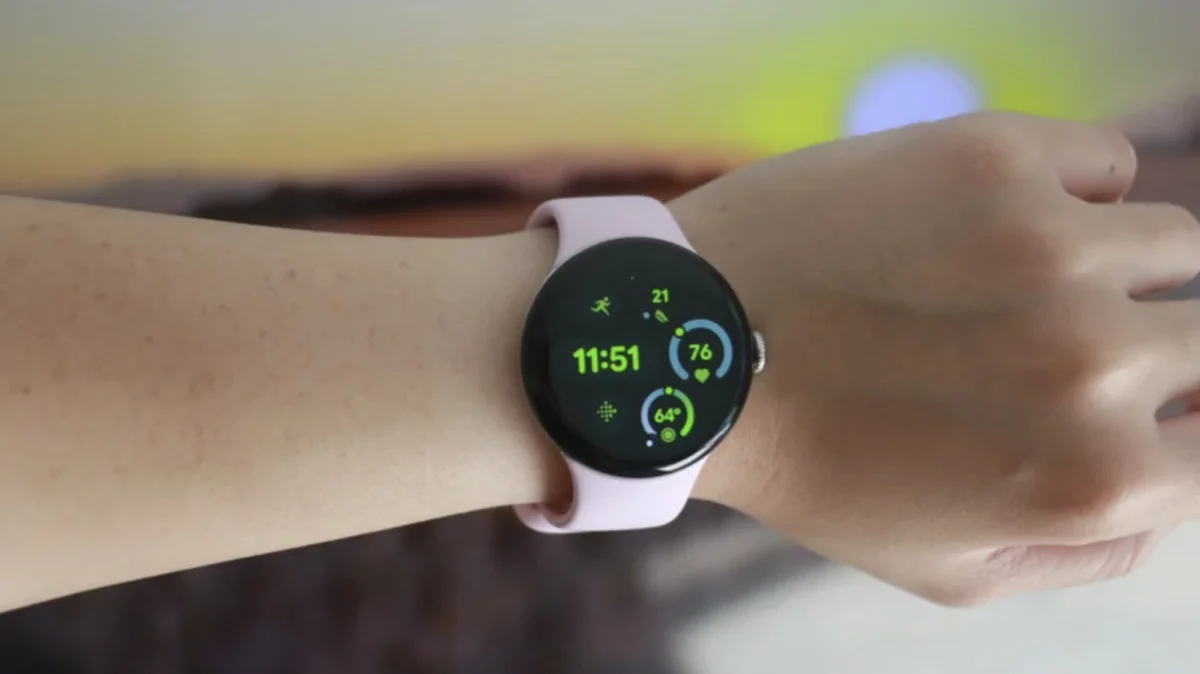
In a significant shift for the wearable tech ecosystem, Google has officially announced that it will be discontinuing its "Safety Signal" feature for LTE-enabled Google Pixel Watch 2 and Pixel Watch 3 models. The feature, which allowed users to access critical emergency services without a dedicated cellular data plan, is slated to sunset by December 12, 2024. This development marks a pivot in Google’s strategy regarding how it bundles safety-critical software with its hardware offerings.
Main Facts: The End of a Connectivity Lifeline
Safety Signal was introduced as a value-add for owners of LTE-capable Pixel Watches. Its primary function was to ensure that even if a user had not purchased a monthly cellular subscription from a wireless carrier, their watch could still communicate with emergency services and specific contacts in life-threatening situations.
The core services affected by this change include:
- Emergency SOS: The ability to dial emergency services directly from the wrist.
- Fall Detection: Automatic alerts triggered when the watch detects a hard fall, provided the user does not respond to a wellness check.
- Emergency Sharing: The ability to share real-time location and status with pre-selected emergency contacts.
Under the current setup, these features functioned via an LTE connection even in the absence of an active carrier plan. As of mid-December, this "emergency-only" LTE connectivity will cease to function. It is important to note that this does not mean the features themselves are being removed from the watches; rather, the method of connection is changing. Users will still be able to utilize Emergency SOS and Fall Detection if their watch is connected to a stable Wi-Fi network, paired via Bluetooth to a smartphone with cellular service, or connected to a dedicated, paid cellular plan through a carrier.
Chronology of the Safety Signal Era
The evolution of Google’s wearable safety suite has been a cornerstone of the Pixel Watch marketing strategy. Understanding the timeline of this feature provides context for why its removal is being met with scrutiny from the tech community.
2022: The Debut
With the launch of the original Pixel Watch, Google began emphasizing the integration of Fitbit’s health tracking with its own ecosystem. However, it was with the second iteration that the company sought to solve a common pain point: the cost of cellular plans for secondary devices.
2023: The Rollout
Safety Signal was introduced as a marquee feature for the Pixel Watch 2. Google marketed it as a "peace of mind" tool, particularly for users who wanted the security of a connected wearable for activities like running or hiking but did not want to pay a recurring monthly fee for a secondary data plan.
2024: The Sunset Announcement
In late 2024, Google issued formal communications via its support forums and direct user emails. The company announced a 30-day transition period for existing users, effectively setting a hard deadline of December 12, 2024, for the permanent deactivation of the service.
Supporting Data: Understanding the Ecosystem Shift
To understand the implications of this change, one must look at the landscape of the wearable market. Most competitors, including Apple and Samsung, have historically required an active cellular plan to enable standalone emergency features on LTE-capable watches. Google’s decision to offer Safety Signal for free was a competitive differentiator that arguably helped drive sales of the Pixel Watch 2 and 3 LTE variants.
According to Google’s support documentation, the move is being framed as a streamlining of its service offerings. While Google has not released specific usage data regarding how many users relied exclusively on Safety Signal versus those who had active carrier plans, the decision suggests a realignment of costs. Maintaining a dedicated "emergency-only" network handshake requires ongoing negotiations and infrastructure costs with cellular providers. As the Pixel Watch user base grows, the cost of subsidizing this "free" connectivity may have reached a threshold that Google deemed unsustainable.
Official Responses and Communication
Google has moved to mitigate user frustration through a structured communication plan. According to the official Google Pixel Watch Help community:
- Direct Notification: Users currently relying on the Safety Signal feature are being contacted directly via the email address associated with their Google account.
- Push Notifications: A series of in-app notifications are being pushed to devices to ensure that users who may not check their email regularly are informed.
- The 30-Day Grace Period: The transition period serves as a buffer, allowing users to either subscribe to a cellular plan or adjust their expectations regarding their watch’s capabilities.
In their statement, a Google spokesperson noted: "We are constantly evaluating our service offerings to ensure we provide the best possible experience for our users. We are notifying all affected users well in advance to ensure they have the time to understand their options and maintain access to critical safety features through alternative connectivity methods."
Implications: What This Means for Users
The discontinuation of Safety Signal has several practical implications for current and prospective Pixel Watch owners.
1. The "Hidden" Cost of Safety
For users who bought the LTE version of the Pixel Watch specifically for the Safety Signal feature—intending to avoid a monthly $10–$15 carrier fee—this represents a significant change in the total cost of ownership. Owners who want to maintain the same level of standalone safety will now be forced to enter into a contract with a carrier.
2. Dependency on Smartphones
The most common workaround for users who do not wish to pay for a cellular plan is to ensure their watch is always paired with their smartphone via Bluetooth. For the vast majority of users, this is standard practice. However, the loss of Safety Signal highlights the "un-tethered" weakness of the device. If a user goes for a run and leaves their phone at home, they will no longer have the security net that the LTE chip previously provided.
3. The Future of Premium Wearable Features
This move raises questions about the long-term viability of "freemium" hardware features. As Google continues to lean into its subscription-based services—such as Fitbit Premium—the company may be looking to move away from subsidizing standalone connectivity. This trend suggests that in the future, if you want a smartwatch to function independently, you should expect to pay for the privilege of that independence, either through a carrier plan or a proprietary service subscription.
4. Consumer Trust and Brand Perception
For a company like Google, which is attempting to establish its hardware as a premium alternative to the Apple Watch, removing a feature that was advertised as a core security benefit can be a double-edged sword. While it saves the company overhead, it may erode the "peace of mind" narrative that the marketing team spent two years building.
Moving Forward: Recommended Actions for Owners
If you are an owner of a Pixel Watch 2 or 3 LTE, there are several steps you should take before December 12:
- Check Your Connectivity: Verify if you are currently using a paid cellular plan. If you are, this change will not affect you, as your safety features will continue to operate through your carrier’s network.
- Evaluate Your Needs: If you are not on a cellular plan, consider whether your usage patterns require standalone connectivity. If you frequently exercise without your phone, you may want to contact your carrier to discuss adding your watch to your existing mobile data plan.
- Update Your Contacts: Regardless of connectivity, ensure your emergency contact information is up to date within the Pixel Watch app.
- Prepare for "Bluetooth-Only" Use: If you choose not to subscribe to a cellular plan, ensure you develop the habit of carrying your smartphone with you, as the device will rely entirely on that Bluetooth connection to perform emergency functions once Safety Signal is deactivated.
In conclusion, while the end of Safety Signal is a loss of a convenient, no-cost safety net, it does not render the Pixel Watch 2 or 3 obsolete. The hardware remains highly capable, and its safety features remain fully functional under the standard conditions of Wi-Fi, Bluetooth-pairing, or active cellular subscriptions. For Google, this move is a strategic refinement; for users, it is a reminder to always verify the terms of service that accompany the hardware on their wrists.



