










In the high-stakes world of e-commerce, personalization has long been the gold standard for driving conversion. However, most brands rely on what marketers call "behavioral indicators"—the what of a customer journey. They track clicks, scroll depth, and purchase history. But a revolutionary shift is underway, one that pivots from tracking activity to understanding intent.

Emotions drive approximately 80% of human decisions. Every customer journey is a complex tapestry of micro-moments fueled by visceral feelings: hesitation, urgency, doubt, or excitement. When brands ignore these emotional signals, they miss the opportunity to connect. Enter EmotionsAI, a groundbreaking platform designed to decode the psychological underpinnings of online shoppers, turning raw behavioral data into a blueprint for human-centric digital experiences.
The Genesis of EmotionsAI: A Decade of Data
The development of EmotionsAI did not happen overnight. The technology is the culmination of over eight years of intensive behavioral data analysis. By applying sophisticated machine learning engines to massive datasets, the creators behind EmotionsAI sought to solve a fundamental problem: why do two visitors performing the same action on a website often have entirely different motivations?
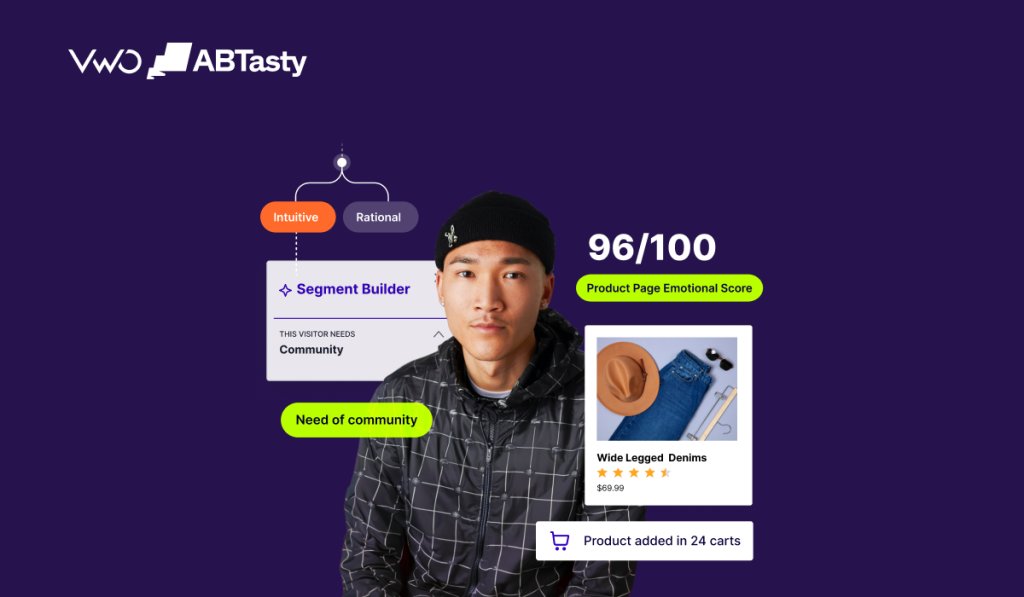
The platform functions by surfacing hidden patterns in real-time user journeys. Within 30 seconds of a visitor landing on a page, the AI engine processes their interaction style and identifies their specific emotional mindset. This speed is critical; it allows marketing teams to segment, target, and personalize content with a degree of precision that was previously the stuff of data science fiction.
The 10 Pillars of Emotional Segmentation
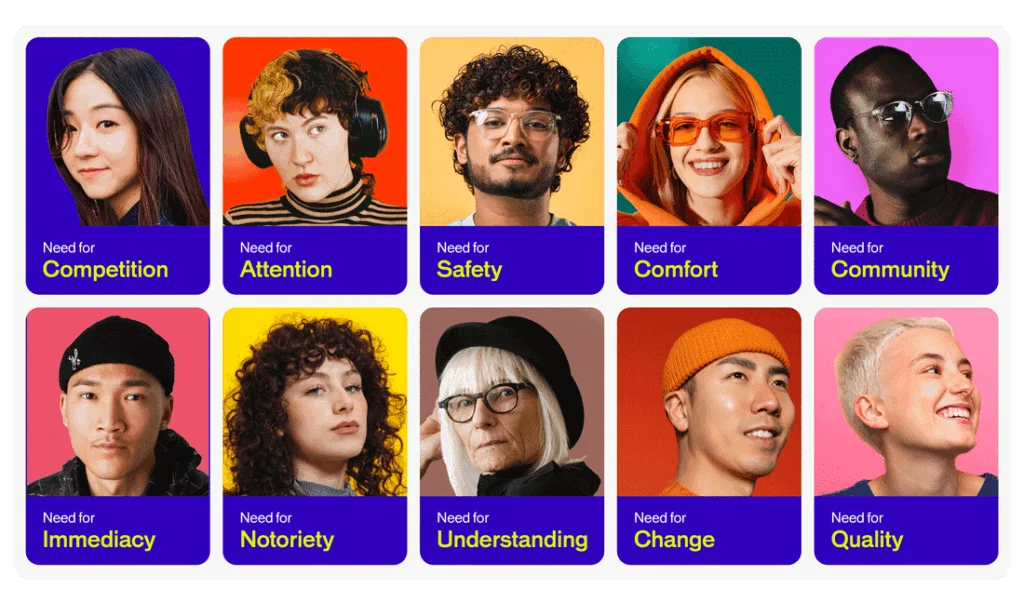
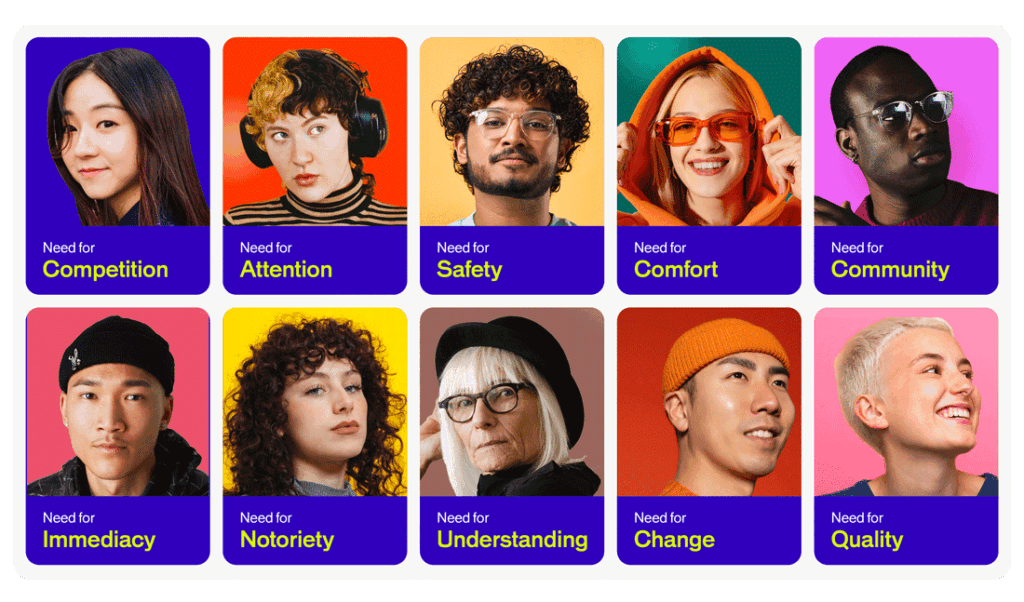
While the human psyche is vast, EmotionsAI has identified that online shoppers consistently fall into one of 10 distinct emotional profiles. Each profile represents a unique set of needs, fears, and drivers. Understanding these segments is the first step toward transforming static websites into responsive, empathetic digital storefronts.
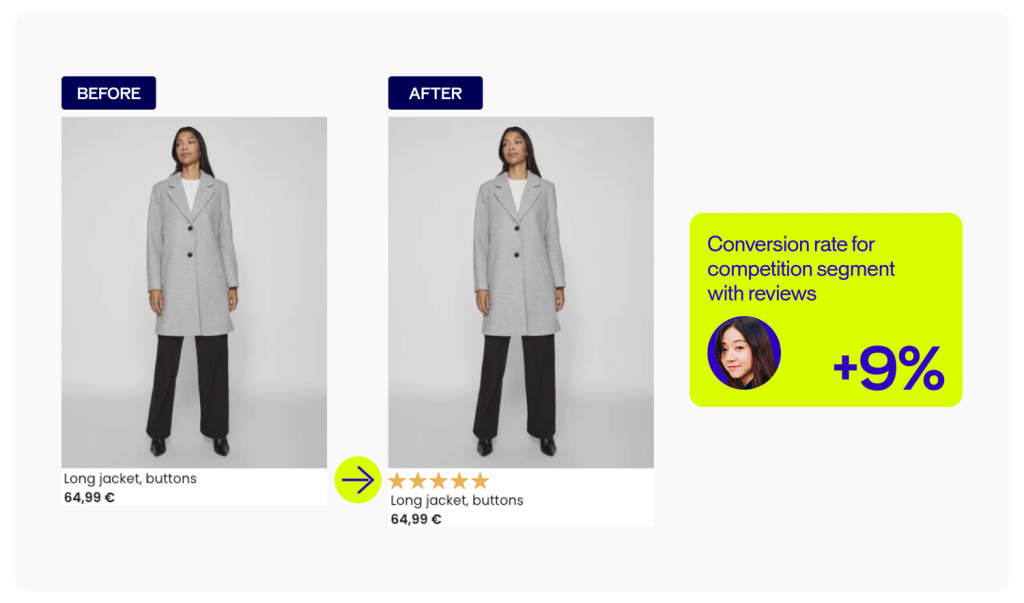
1. Competition (~10% of audience)
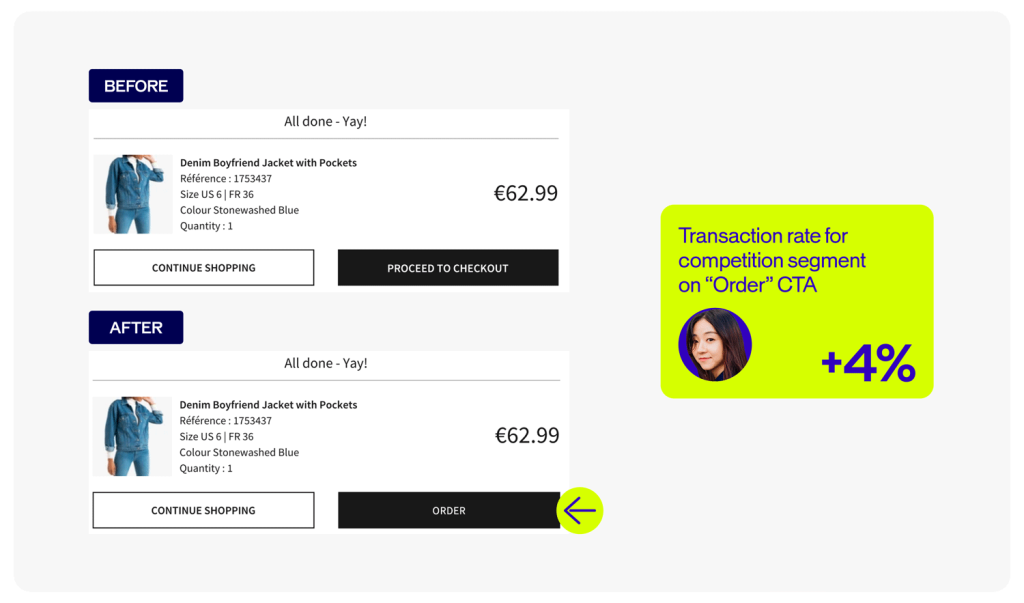
Competitive visitors aren’t just shopping; they are winning. They care about status and leadership.
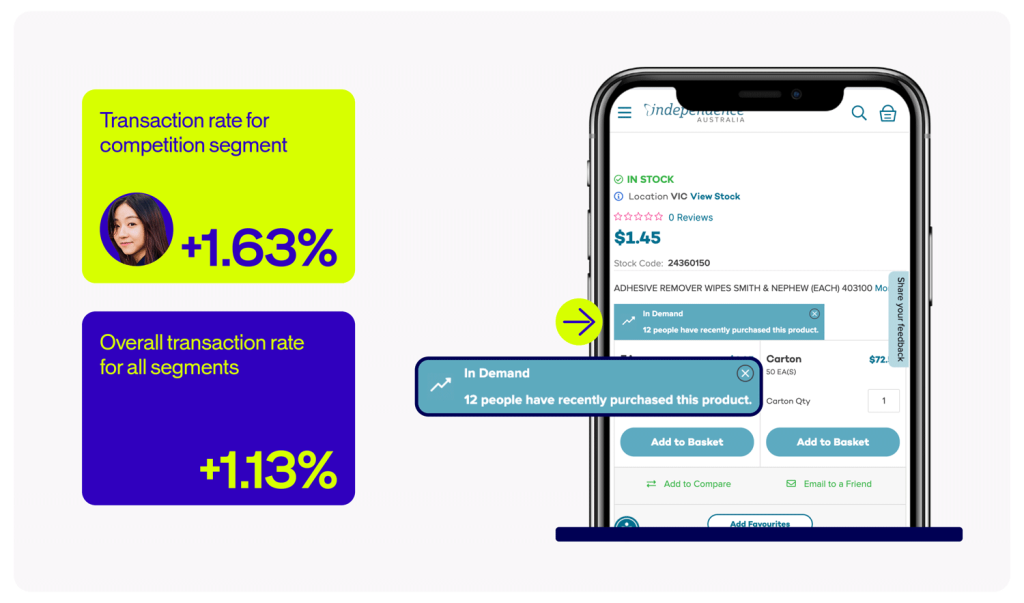
- The Driver: A desire to stay ahead of the curve.
- Tactics: Use quantitative proof—star ratings, ranked lists, and "X people recently purchased" messaging. Keep copy sharp and action-oriented.
2. Attention (~10% of audience)
These visitors want to feel like the center of the universe.
- The Driver: A need for immediate gratification and to feel valued.
- Tactics: Lead with perks, surprise discounts, and personalized offers. Soften the focus on price, emphasizing the value of the experience instead.
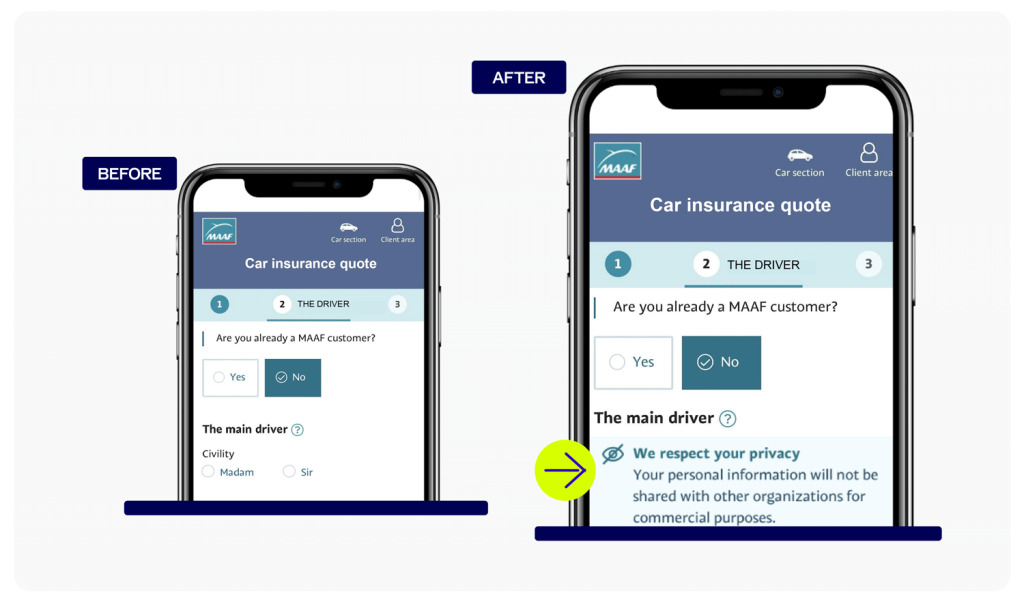
3. Safety (~27% of audience)
The largest segment, these users are sensitive and prone to anxiety.
- The Driver: Fear of making the wrong choice or being misled.
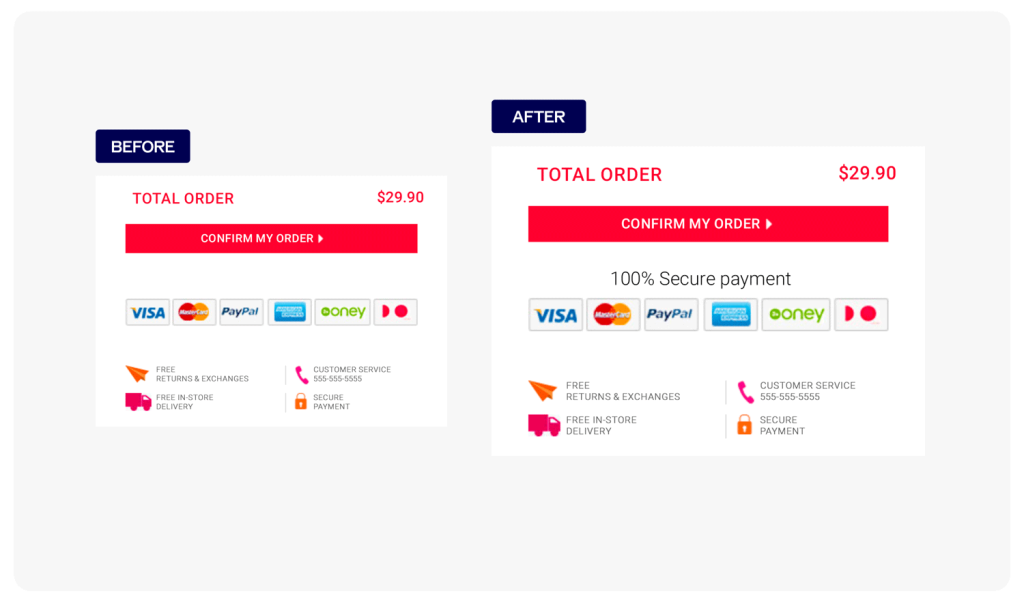
- Tactics: Avoid pressure tactics or "stress marketing." Use clear, transparent communication regarding data privacy and security. Reassure them at every step, particularly at checkout.
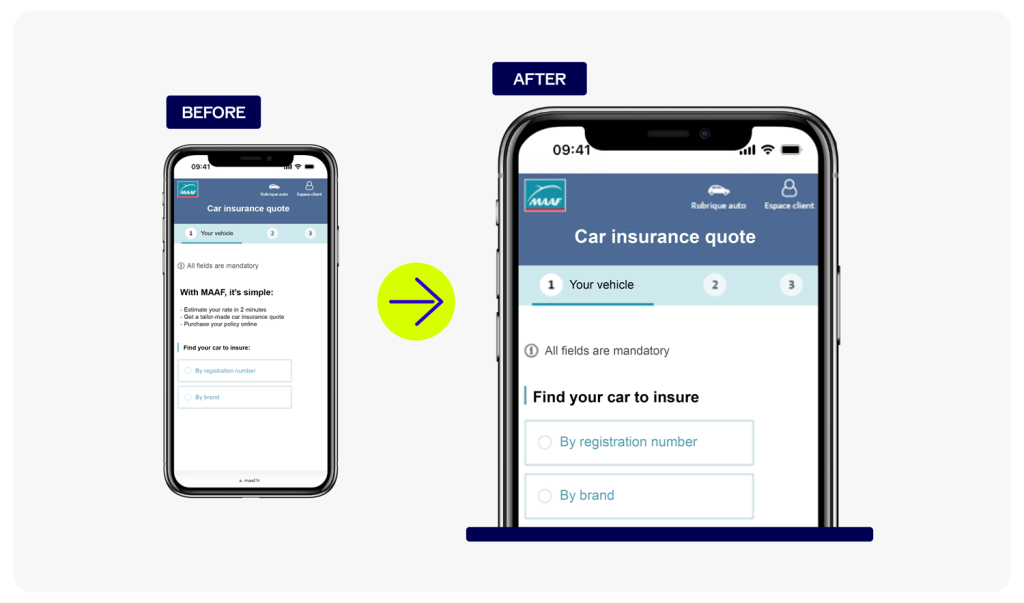
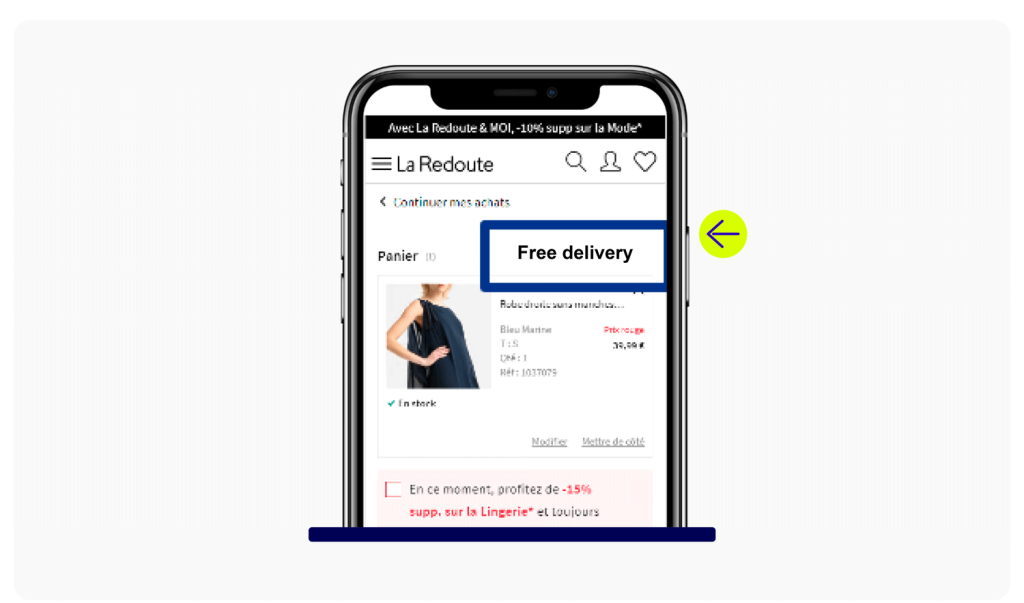
4. Comfort (~10% of audience)
These shoppers prioritize ease over everything else.
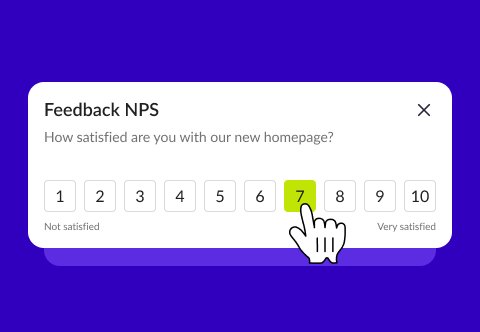
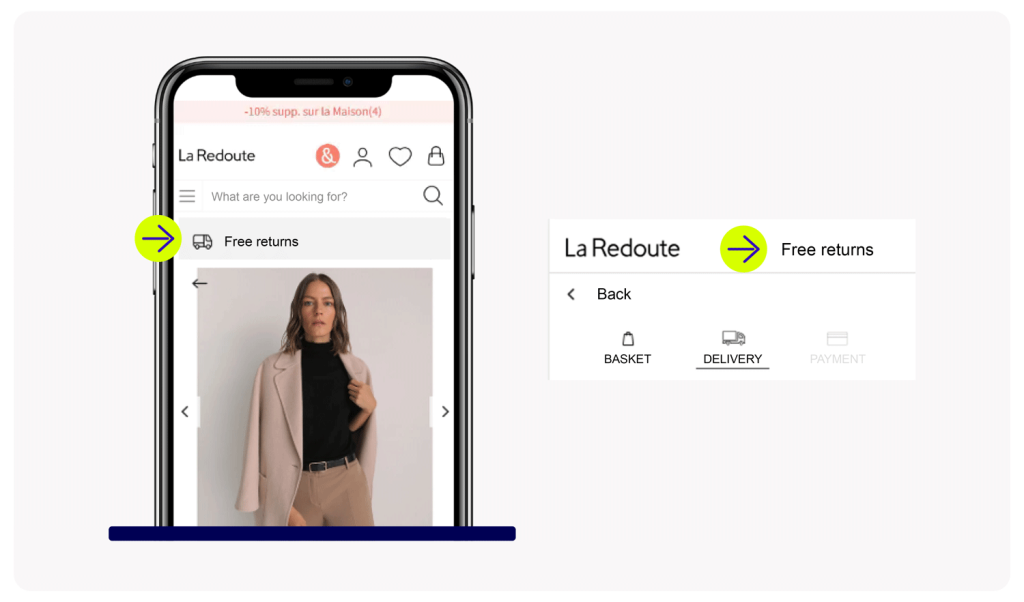
- The Driver: A desire for an effortless, friction-free experience.
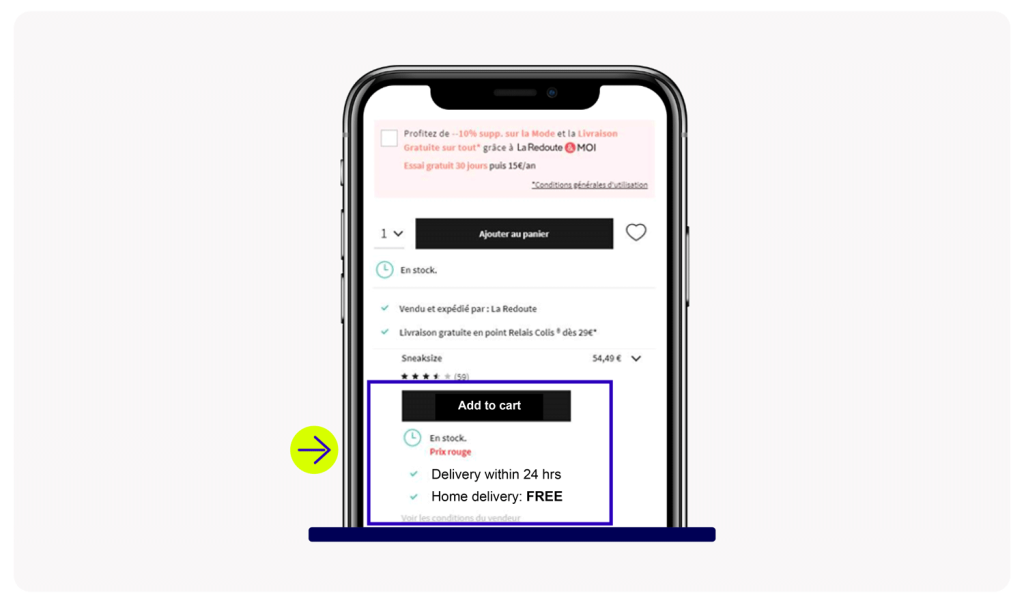
- Tactics: Highlight free delivery and painless payment options. Emphasize that the post-purchase experience is just as smooth as the shopping experience.
5. Community (~6% of audience)
Driven by connection, these visitors care about shared values.
- The Driver: A sense of belonging and positive impact.
- Tactics: Highlight sustainability, ethical sourcing, and gifting options. Personalize by using names and showcasing brand mission.
6. Immediacy (~5% of audience)
The "need for speed" group. They want to act now and hate delays.
- The Driver: Instant gratification and momentum.
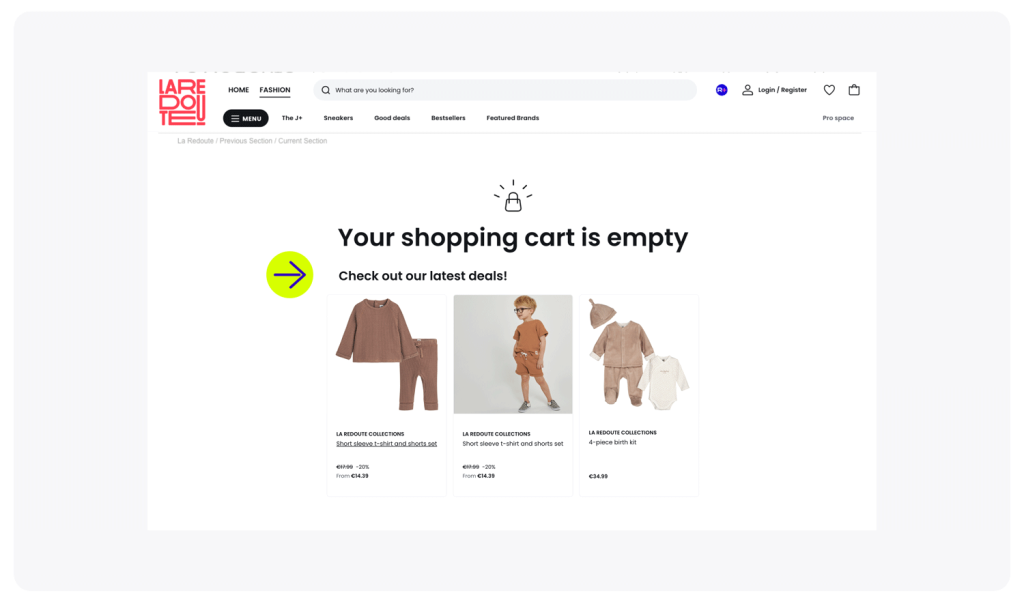
- Tactics: Remove all non-essential navigation. Use bold, directive calls-to-action (CTAs) and keep information scannable and tight.
7. Notoriety (~2% of audience)
They avoid risk by following the proven path.
- The Driver: A reliance on established reputations and credibility.
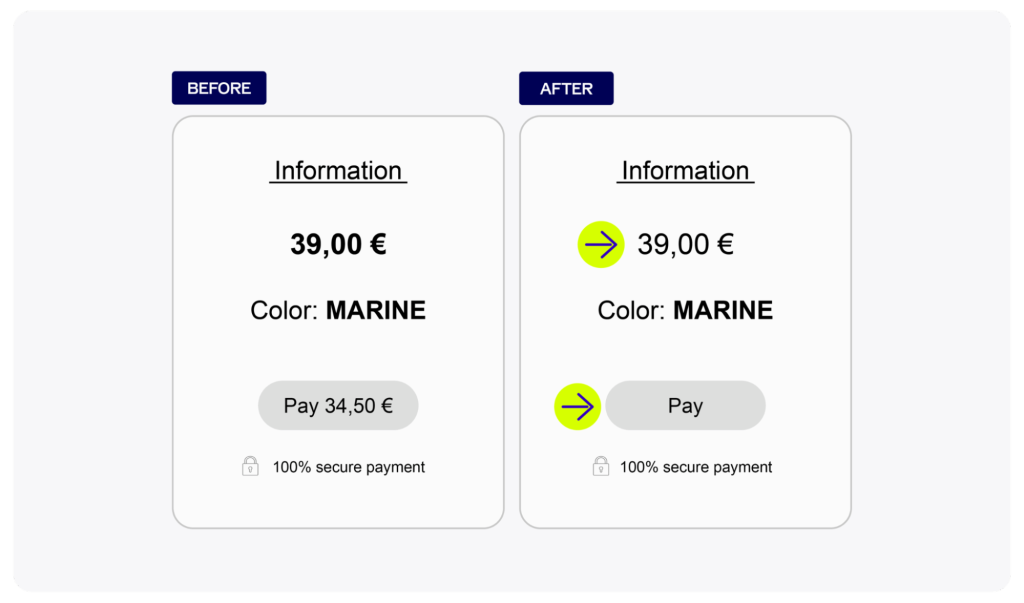
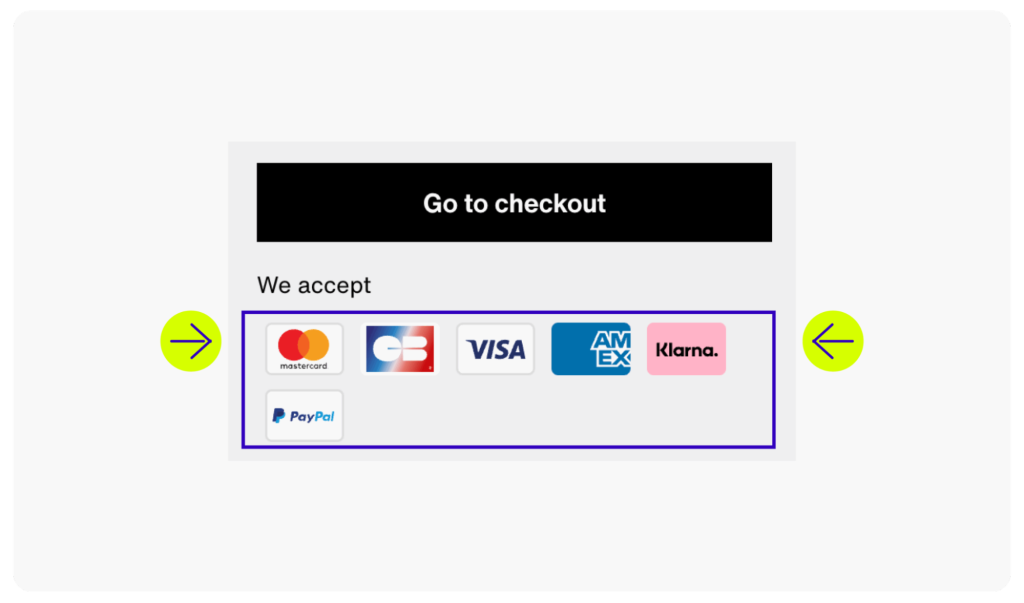
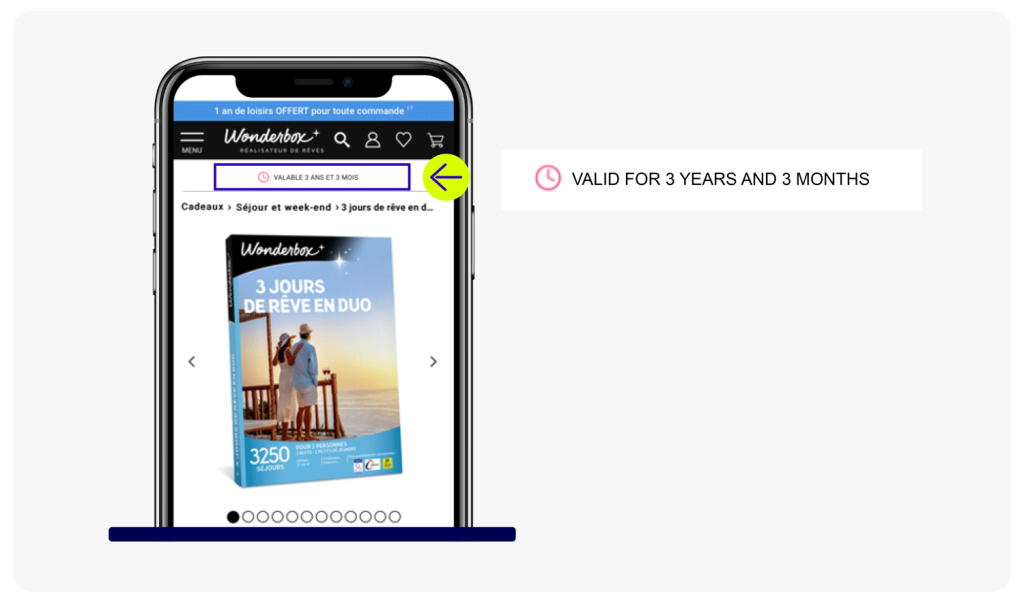
- Tactics: Use professional, high-quality visuals and clearly display warranties or quality guarantees. Stick to familiar, traditional payment methods.
8. Understanding (~9% of audience)
The logical, detail-oriented shopper.

- The Driver: A need to see the "full picture" before committing.
- Tactics: Provide extensive, well-structured data. Lead with concrete figures and percentages rather than storytelling. Show progress bars to give them a sense of control.
9. Change (~8% of audience)
The explorers of the digital world.
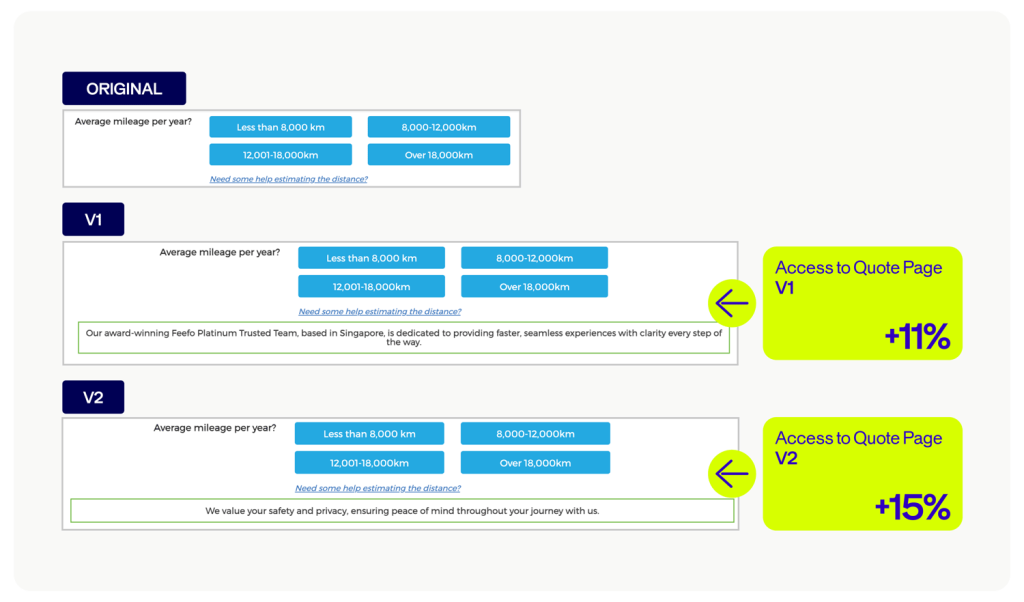
- The Driver: A desire for novelty and a disdain for routine.
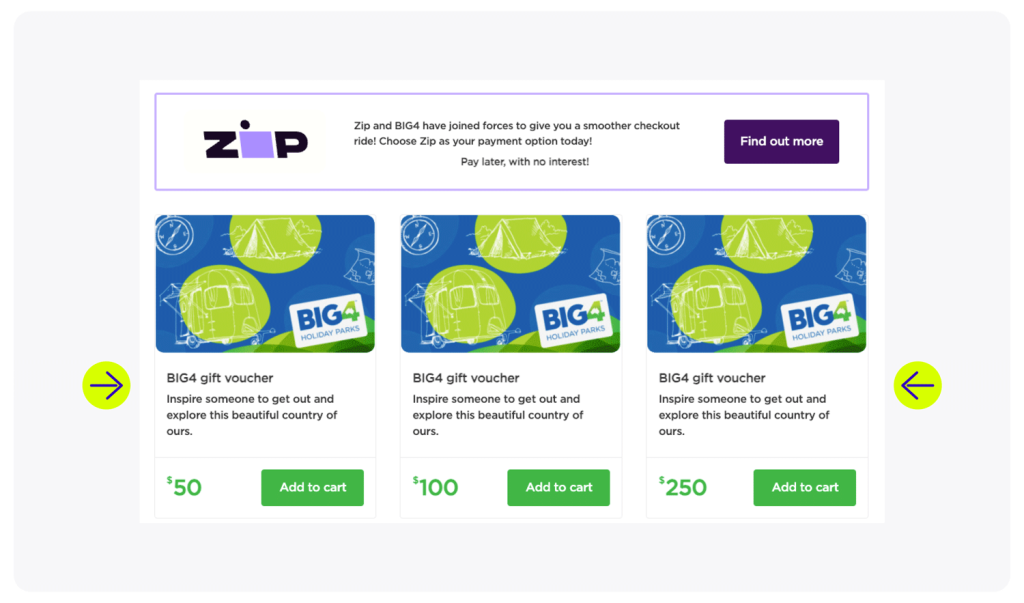
- Tactics: Feature new products prominently. Embrace innovative, modern payment methods like BNPL (Buy Now, Pay Later) and offer discovery-based shopping tools.
10. Quality (~3% of audience)
They aren’t swayed by a 20% discount; they want the best.
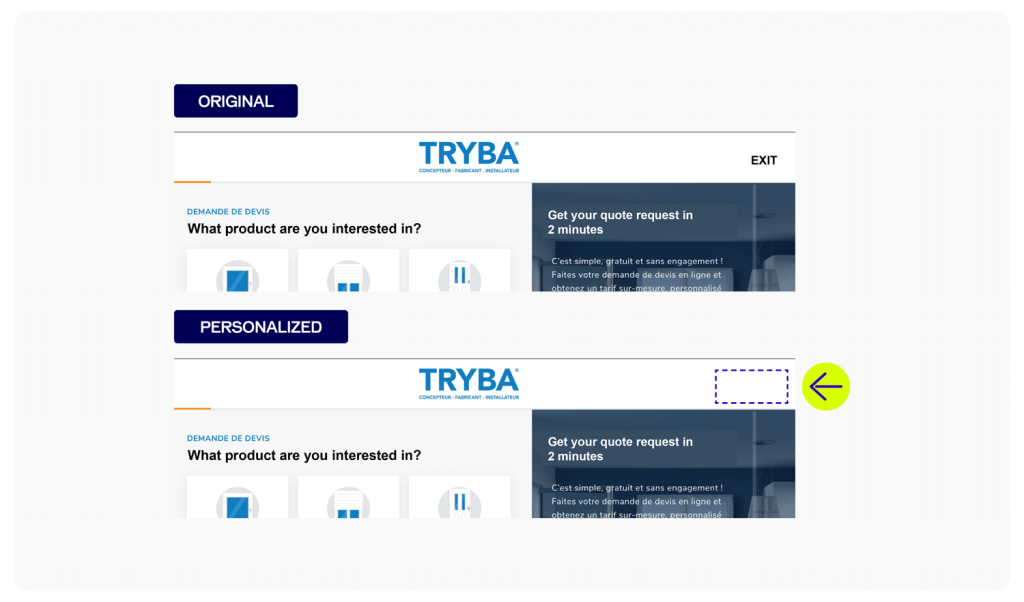
- The Driver: A deep appreciation for craftsmanship and brand heritage.
- Tactics: Tell the brand story. Use peer validation through expert reviews rather than generic star ratings. Avoid deep discounts that may undermine the perceived value of the product.
Integrating Insights with Wingify
Identifying these segments is only the beginning. To realize the full potential of this data, companies are integrating EmotionsAI with platforms like Wingify. By combining emotional insights with robust experimentation tools and widget libraries, brands can deploy A/B tests that are tailored to specific psychological needs.
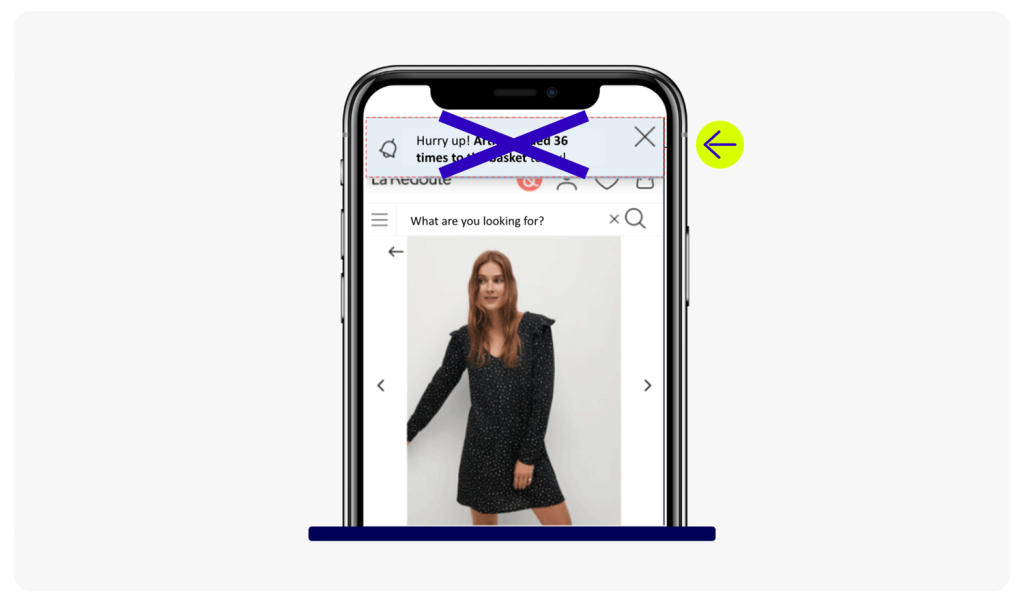
For example, a "Safety" segment visitor might receive a version of the checkout page with explicit security badges and clear policy links, while a "Competition" segment visitor might see a real-time notification of how many people are currently looking at the same item. This level of customization ensures that the right message reaches the right person at the precise moment of psychological readiness.
Official Perspective: The Humanization of Marketing
In recent statements, advocates for this technology have emphasized that this is not about manipulation; it is about "empathetic alignment."
"Traditional marketing often treats customers as data points to be funneled," says a senior strategist in the field. "EmotionsAI allows us to treat them as people. When a user feels that a brand understands their hesitation or their need for speed, the barrier to conversion drops significantly. It transforms the digital experience from a transactional necessity into a helpful, human-led interaction."
Implications for the Future of Retail
The adoption of AI-driven emotional intelligence signals a profound shift in how brands view their digital infrastructure.
1. The Death of the "One-Size-Fits-All" Website
We are entering an era where the website you see is not the same as the one your neighbor sees. As brands begin to dynamically adjust their interfaces based on emotional cues, the traditional static landing page will become obsolete.
2. A Shift in Metrics
While conversion rate and bounce rate will remain, they will be supplemented by "Emotional Alignment Scores." Brands will begin to measure how effectively their content resonates with the dominant emotional segments of their traffic.
3. Increased Loyalty
Trust is the most valuable currency in the digital age. By addressing the specific emotional needs of users—such as providing safety for the anxious or status for the competitive—brands can move beyond simple transactions and foster genuine, long-term brand advocacy.
Conclusion: Designing for the Human Experience
The landscape of digital experience is no longer just about optimizing buttons or shortening forms; it is about navigating the complexity of human emotion. EmotionsAI provides the lens through which businesses can see their users clearly, not just as visitors, but as individuals with distinct motivations.

By leveraging these 10 emotional profiles, marketing teams can move away from guesswork and toward a strategic, empathetic framework for growth. The goal is simple yet transformative: to create digital experiences that feel less like marketing and more like genuine understanding.
As the digital marketplace becomes increasingly crowded, the brands that win will be those that master the art of emotional connection. The data is waiting, the AI is ready, and the opportunity to build a more human internet has never been closer. Are you prepared to meet your customers where they truly are?



