The media industry is currently navigating a period of profound structural change, characterized by high-stakes corporate acquisitions, shifting editorial talent, and the aggressive rebranding of news networks as they adapt to the multi-platform era. From the boardroom battles involving Paramount and Warner Bros. Discovery (WBD) to the evolving lineups at major cable news outlets, the current landscape reflects a tug-of-war between legacy television prestige and the demands of modern digital integration.
Kara Swisher’s Stand: A Symbolic Exit Amidst Consolidation
At the center of the current discourse is tech journalist and industry provocateur Kara Swisher. Swisher, who joined CNN as an on-air contributor in November 2023, has formally reaffirmed her commitment to depart the network once Paramount Skydance completes its acquisition of Warner Bros. Discovery.
The Chronology of Discontent
Swisher’s decision did not occur in a vacuum. Since June, she has signaled her hesitation regarding the future of CNN under new ownership. The situation reached a tipping point this week following a legal settlement between Paramount Skydance and various state attorneys general, which cleared the final regulatory hurdles for the merger.
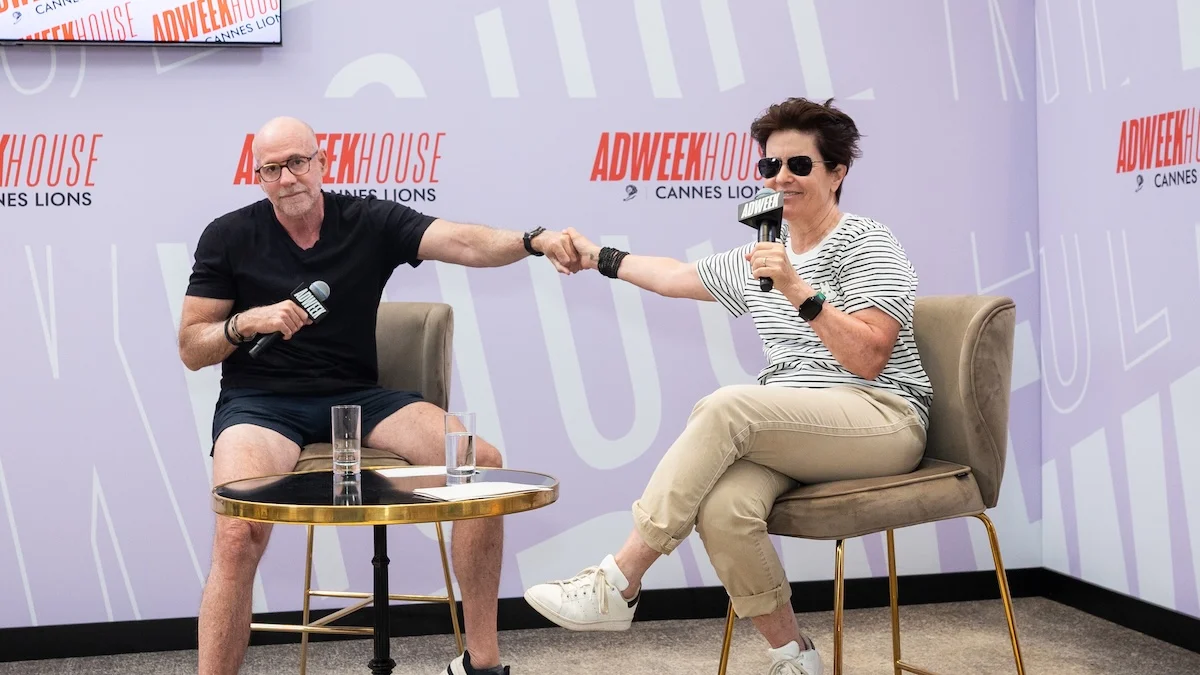
During a recent installment of her Pivot podcast, co-hosted with Scott Galloway, Swisher addressed the audience with characteristic candor. She noted that while she had initially attempted to navigate a professional path forward with the incoming leadership, her sentiment shifted rapidly. "But then I thought, ‘F— these guys! I don’t want to work for them. I just don’t,’" Swisher remarked. She has requested an early release from her contract, which is currently slated to conclude on December 31. Her exit serves as a bellwether for how influential media figures are viewing the consolidation of power within the news industry.
CNN’s Strategic Pivot: Festivals, Facilities, and Talent Shifts
While grappling with high-profile departures, CNN is aggressively pursuing a dual strategy of grassroots audience engagement and international facility investment.
The Farm Aid Partnership
CNN has announced a renewed partnership with the non-profit organization Farm Aid to broadcast the Farm Aid 2026: Musical Festival Live. Scheduled for September 26 at 7 p.m. ET, the event will originate from the Veterans United Home Loans Amphitheater in Virginia Beach, Virginia.
The broadcast aims to bridge the gap between hard news and cultural storytelling, with anchors John Berman and Laura Coates hosting the event. Simultaneously, chief climate correspondent Bill Weir will provide on-the-ground reporting, focusing on the intersection of climate change, sustainability, and the struggles of modern family farmers. This move signals CNN’s attempt to diversify its content portfolio beyond traditional political punditry.
The Qatar Expansion: A New Paradigm for Production
Further highlighting the network’s commitment to modernization, CNN has unveiled a state-of-the-art facility in Media City Qatar, Doha. This hub is the heartbeat of the network’s "CNN Creators" multiplatform initiative.
The facility represents a radical departure from traditional broadcast architecture. Featuring an open-plan layout, the studio, newsroom, and production center are integrated into a single, cohesive space where the technical process is intentionally placed "in front of the camera." By removing the physical barriers between production staff and on-air talent, CNN is looking to foster a more transparent, agile, and content-rich environment suitable for social media distribution and digital-first storytelling.
The "Revolving Door": Shifts at Fox, CNBC, and Beyond
The current instability in the industry is perhaps best illustrated by the constant flux of talent across competing networks. The "revolving door" has accelerated, particularly at Fox News and CNBC.
Fox News: Rebuilding and Refocusing
Fox News continues to shuffle its roster to maintain its dominant position in cable ratings. The network recently announced that media personality Billy Bush will join as a contributor across all platforms. Bush made his inaugural appearance on Jesse Watters Primetime earlier this week, signaling a desire to inject fresh, recognizable faces into the primetime lineup.
Furthermore, the network is managing a temporary leadership change at Sunday Morning Futures. Following the departure of long-time host Maria Bartiromo, announced on September 3, veteran commentator Larry Kudlow has been named the temporary anchor. He is expected to hold the post through November 8 as the network evaluates its long-term strategy for the Sunday morning slot.
CNBC’s Talent Acquisition Strategy
While others are shedding staff, CNBC is actively poaching top-tier talent to bolster its digital and market analysis capabilities. The network’s latest hiring spree includes:
- Megan Morrone: Formerly of Axios, she joins as a technology editor in the San Francisco bureau, reporting to Christina Passariello.
- Daren Fonda: Bringing deep expertise from Barron’s, Fonda joins as a senior editor for investing, reporting to John Melloy.
- Sebastien Chasse & Paulina Likos: Chasse joins as a senior equity analyst, while Likos transitions to the role of markets reporter, having previously contributed to the CNBC Investing Club.
These hires indicate that CNBC is doubling down on its core mission: high-end financial news and analysis that appeals to a sophisticated, investment-focused audience.
Industry Spotlight: Dateline’s 35th Anniversary
Amid the corporate maneuvering, legacy television remains a force. NBC News’ Dateline is celebrating a major milestone: its 35th season. To commemorate the occasion, the production team and on-air talent, including Lester Holt, Josh Mankiewicz, Blayne Alexander, and Andrea Canning, gathered at the Empire State Building this week.
The building was bathed in blue light to mark the premiere of the new season, which begins Friday at 9 p.m. ET. For Lester Holt, the celebration was not just about the show, but about the endurance of the broadcast format itself. "It’s appropriate, I think, that a program that’s certainly become an icon of television broadcasting in this country is here celebrating at this iconic place here in NYC," Holt noted.
Implications for the Media Ecosystem
The convergence of these events suggests three primary implications for the future of the media landscape:
- The Rise of the "Independent-Minded" Journalist: Figures like Kara Swisher demonstrate that high-profile talent is increasingly prioritizing editorial independence and corporate culture over traditional network tenure. As consolidation continues, networks may find it harder to retain outspoken, influential voices who fear the bureaucratic constraints of large conglomerate ownership.
- The Death of the "Black Box" Studio: CNN’s Qatar initiative signals a permanent shift in how news is produced. Audiences are no longer interested in the "wizard behind the curtain" model; they expect a raw, authentic, and multi-platform-ready view of the newsroom. Future facilities will likely emulate this open-concept design to satisfy the demands of digital native viewers.
- Consolidation Breeds Instability: The mergers of media giants often lead to a "revolving door" of talent as networks attempt to reconcile conflicting visions of their brand identity. As seen with the transitions at Fox and the hiring sprees at CNBC, the industry is currently in a state of rapid recalibration. Networks that fail to clearly define their identity in this environment risk losing both their audience and their most valuable assets.
As 2025 approaches, the media sector remains in a state of high alert. With regulatory changes settling and new corporate hierarchies taking hold, the next six months will likely serve as the definitive test for how these organizations intend to survive in an increasingly fragmented, digital-first, and highly politicized information environment.