










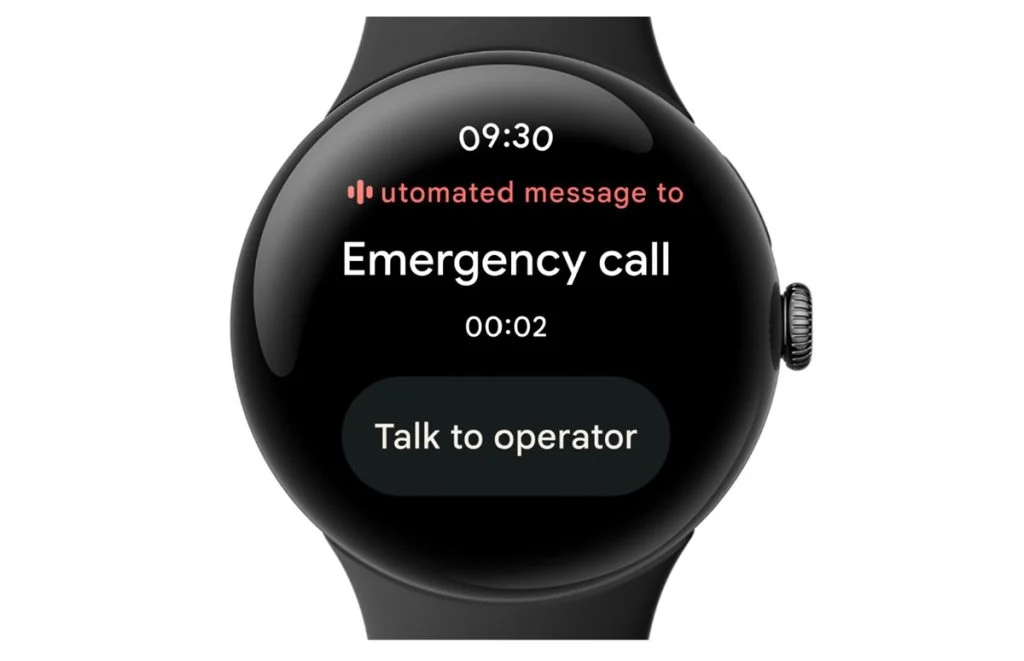
In a move that marks a significant shift in the wearable ecosystem strategy for Google, the technology giant has officially announced that it will discontinue "Safety Signal," a premium feature bundled with Fitbit Premium that granted LTE connectivity to Pixel Watch users without requiring a dedicated standalone carrier plan. As Google streamlines its hardware and service offerings, this decision impacts a specific segment of its user base—those who relied on the watch’s independent emergency connectivity without the added cost of a monthly cellular subscription.
The discontinuation of Safety Signal is scheduled for December 12, 2026. This article explores the implications of this change, the technical background of the service, and the strategic pivot Google is undertaking regarding its wearable connectivity roadmap.
Main Facts: What is Happening to Safety Signal?
Safety Signal was marketed as a bridge for Pixel Watch owners who opted not to add their wearable device to a primary cellular plan. By utilizing the LTE capabilities inherent in the watch hardware, the service allowed the device to maintain emergency connectivity even when the user was physically separated from their paired smartphone.
As of December 12, 2026, this capability will be formally deactivated. Users who previously relied on the service will no longer be able to utilize the watch’s independent LTE radio for safety features unless they have an active cellular plan provisioned through a mobile network operator.
Key Takeaways:
- The Deadline: All Safety Signal services will cease globally on December 12, 2026.
- Affected Regions: The service was available in the United States, Canada, the United Kingdom, and Germany. Roaming agreements between these specific regions (US-Canada and UK-Germany) will also be terminated.
- The Transition: Google is providing a 30-day grace period for existing users starting from the date they receive their official notification via email or push notification.
- Hardware Impact: The change applies specifically to LTE-enabled models of the Google Pixel Watch series.
Chronology: The Life and Times of Safety Signal
To understand the weight of this decision, one must look at the trajectory of the Google Pixel Watch series. When Google entered the smartwatch market with the first-generation Pixel Watch, it faced stiff competition from Apple and Samsung, both of which had well-established cellular ecosystems.
The Inception (2022–2023)
Safety Signal was introduced as a key differentiator. It was designed to leverage the Fitbit Premium ecosystem, providing users with a sense of security without the "data plan anxiety" often associated with wearables. By allowing the watch to function as an emergency communication device, Google successfully marketed the Pixel Watch as a premium safety-first accessory.
The Expansion (2024–2025)
Over the past two years, Google expanded the reach of the service to include international markets like Germany and the UK. The service proved popular among hikers, runners, and elderly users who wanted the peace of mind of emergency services access without paying for a full-fledged data plan they might not fully utilize.
The Announcement (Late 2026)
Following internal reviews of service adoption and the evolution of the Fitbit Premium subscription model, Google’s hardware team reached the conclusion that the service was no longer sustainable in its current form. The announcement in late 2026 serves as the final chapter for this specific feature, signaling a return to the industry-standard model where connectivity is handled exclusively by carriers.
Supporting Data: Why Connectivity Models Are Shifting
The decision to sunset Safety Signal highlights the complex relationship between hardware manufacturers and mobile network operators (MNOs).
The Economics of Wearable Connectivity
Maintaining an active LTE connection on a wearable device involves significant backend infrastructure, including managing eSIM profiles, carrier provisioning, and emergency service routing. When a company like Google subsidizes this connectivity through a flat-rate subscription like Fitbit Premium, they are essentially acting as a Mobile Virtual Network Operator (MVNO) for safety-critical traffic.
Data trends suggest that while users valued the safety aspect of the service, the cost of scaling this across international markets—with varying regulatory requirements for emergency calls (like 911 or 112 services)—created a high operational overhead. By offloading this to traditional carriers, Google is shifting the burden of network compliance and traffic management to the companies specifically equipped to handle it.
User Behavior Patterns
Internal metrics likely showed a shift in user behavior. As wearables have become more integrated into daily life, a higher percentage of users have opted for traditional cellular plans, either through family plan add-ons or standalone smartwatch data packages. The shrinking demographic of "Safety Signal-only" users likely made the service an outlier in Google’s broader software portfolio.
Official Responses and Guidance
The Google Pixel Watch Team has been proactive in communicating the change to its user base, aiming to mitigate confusion and ensure that users are not left without a safety net.
Official Stance
In a public support thread, the team clarified: "Safety Signal was a unique offering designed to provide emergency connectivity to our users. However, as the ecosystem for connected wearables matures, we are realigning our focus to support native cellular integration through established carrier partners."
Recommendations for Users
Google’s official guidance for those who wish to maintain cellular connectivity is straightforward:
- Check Compatibility: Users are encouraged to check the Google Pixel Watch support page to verify if their current carrier supports eSIM for the Pixel Watch.
- Transition to Carrier Plans: Users should contact their mobile provider to add their watch to an existing plan or purchase a standalone wearable plan.
- Utilize Existing Infrastructure: Google emphasizes that even without Safety Signal, the watch remains fully functional. Features such as Fall Detection, Emergency SOS, and contact alerts will continue to work perfectly as long as the watch is connected via Bluetooth to a phone, linked to a Wi-Fi network, or provisioned with an active SIM/eSIM.
Implications: The Future of Wearable Safety
The sunsetting of Safety Signal is not merely the removal of a feature; it is a signal of the maturation of the smartwatch market.
The "All-in-One" Device Evolution
For several years, the industry experimented with "half-connected" devices. These were wearables that could do some things (like emergency calls) but not others (like streaming music or browsing) without a phone. As the industry moves forward, it appears the market has clearly bifurcated: you either have a fully connected device with a carrier plan, or you have a Bluetooth-only companion device. The middle ground that Safety Signal occupied is disappearing.
Regulatory and Technical Hurdles
Emergency services connectivity is heavily regulated. Providing a service that bypasses traditional carriers requires constant negotiation with local governments and emergency response authorities. As these regulations tighten, the administrative cost for a tech company to maintain these "soft" connections increases, making the service less attractive from a business development perspective.
Impact on Fitbit Premium
This change also raises questions about the value proposition of Fitbit Premium. With one of its key LTE-based features gone, users may wonder what the future holds for the service. Google will likely need to double down on health analytics, AI-driven wellness coaching, and exclusive fitness content to justify the subscription cost, shifting the focus from "safety hardware" to "software-driven health insights."
Conclusion: Adapting to the New Reality
For current Pixel Watch owners, the end of Safety Signal requires a proactive adjustment. If your lifestyle relies on being away from your phone while maintaining a safety net, now is the time to evaluate carrier options. While it is disappointing to see a value-add service disappear, the move is consistent with the broader telecommunications industry, which favors standardized, carrier-managed connectivity.
The Google Pixel Watch remains a powerful tool for health and safety, and by tethering its connectivity to standard carrier channels, Google ensures that users are using a robust, tested, and globally compliant infrastructure for their emergency needs. As we look toward the end of 2026, the transition serves as a reminder of the transient nature of software-defined hardware features and the importance of owning one’s connectivity path in an increasingly mobile world.
As Google continues to refine its hardware, the focus will undoubtedly shift toward deeper integration with the Android ecosystem, potentially offering more seamless ways for users to add their watches to existing mobile plans. For now, the sunset of Safety Signal marks the end of an experimental era, moving toward a more unified and carrier-centric future for the Pixel Watch series.



