










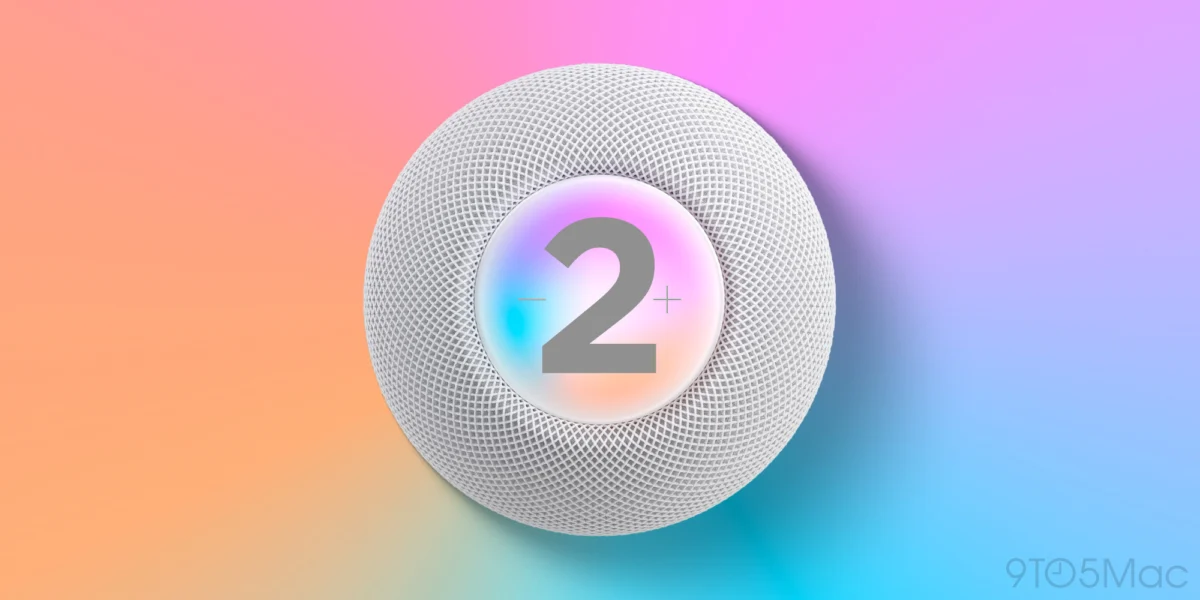
Apple is poised to redefine its footprint in the connected household ecosystem. According to reports from industry insiders, including Bloomberg’s Mark Gurman, the technology giant is mere days away from unveiling a sweeping overhaul of its smart home product lineup.
At the center of this announcement is the long-awaited HomePod mini 2, which will be joined by a refreshed Apple TV 4K, a brand-new dedicated smart home hub dubbed "HomeView," and a curated collection of smart home accessories developed in collaboration with LG.
As consumers increasingly demand interoperability, artificial intelligence integration, and robust security in their living spaces, Apple’s upcoming product drop signals a massive strategic push to capture the modern smart home market.
Main Facts: A Major Leap in Performance and Connectivity
The headline addition to the second-generation HomePod mini is a monumental hardware upgrade under the hood. While the original HomePod mini relies on the aging S5 chip—first introduced in the Apple Watch Series 5—the upcoming iteration is slated to feature the advanced S10 chip.
While the S10 may not represent the absolute bleeding edge of Apple’s silicon capabilities, it marks a generational generational breakthrough for the compact speaker line. Most notably, the processing power of the S10 will enable Siri AI features—a historic first for any product within Apple’s Home division.
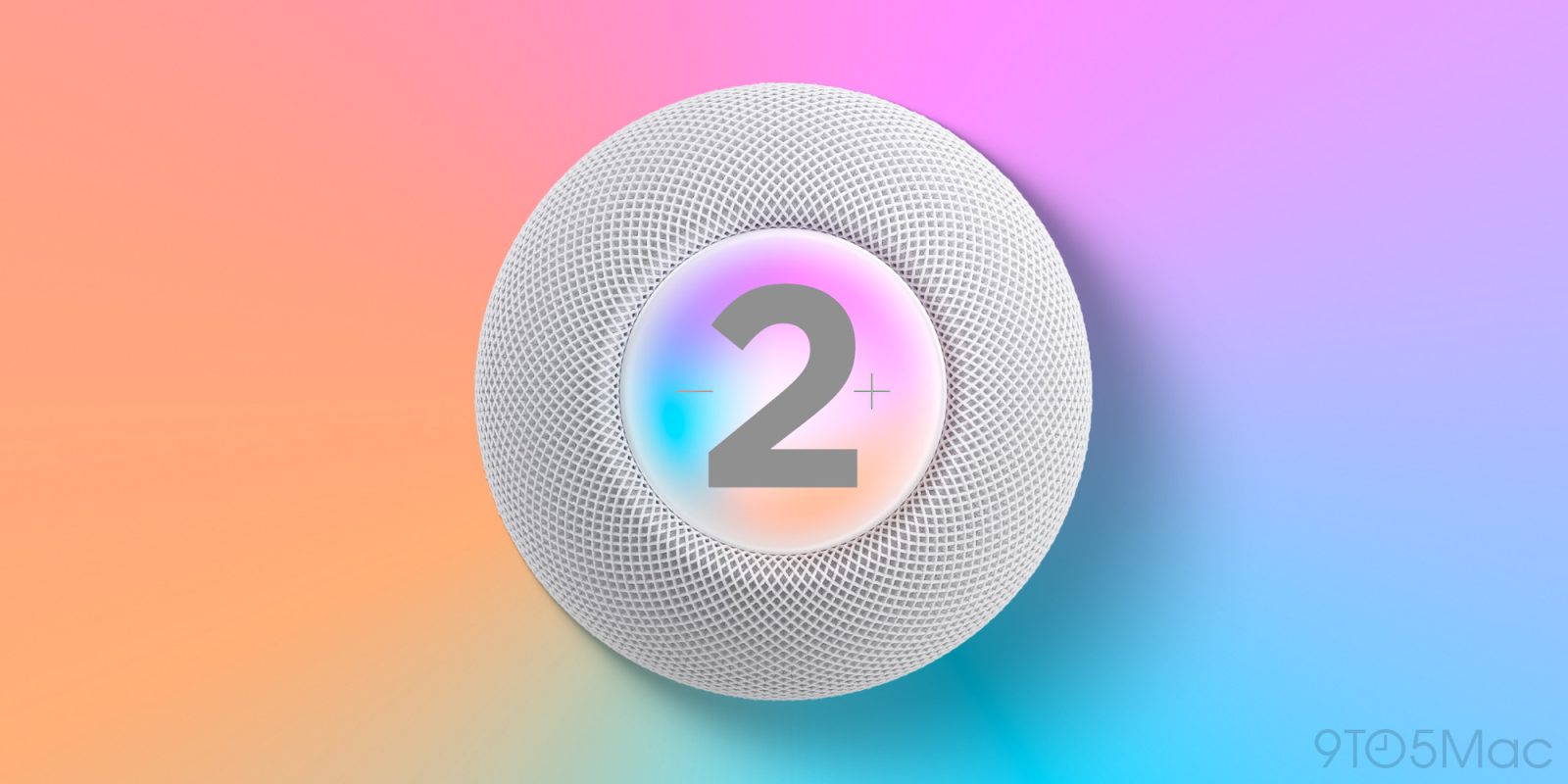
Beyond processing power, connectivity is receiving a dramatic overhaul:
- N1 Networking Chip: The HomePod mini 2 is expected to incorporate Apple’s specialized networking hardware to serve as a dedicated Thread and Matter radio, ensuring seamless integration with third-party smart home devices.
- Wi-Fi 7 Support: Upgrading from the legacy Wi-Fi 4 standard found in the first-generation model, the new mini will boast ultra-fast, low-latency Wi-Fi 7 capabilities.
- Extended Ecosystem Synergy: The speaker will act as a structural extender for the new HomeView hub, allowing voice control commands and synchronized music playback to ripple effortlessly throughout the house.
Aesthetically, Apple is injecting vibrant energy back into the lineup. Alongside traditional Midnight and White finishes, the HomePod mini 2 will debut in a fresh palette of colors, including Pink, Green, and Blue.
Chronology: The Timeline Leading Up to the Launch
The path to Apple’s October smart home event has been marked by iterative hardware adjustments, supply chain shifts, and strategic developments over several years:
- November 2020: Apple launches the original HomePod mini at a $99 price point, praised for its audio quality and Siri integration relative to its compact size, though constrained by older Wi-Fi standards.
- June 2026: Amid industry-wide component cost adjustments and memory-related price hikes, Apple quietly adjusts the price of the first-generation HomePod mini from $99 to $129.
- Early October 2026: Industry leaks intensify, with Bloomberg’s Mark Gurman detailing Apple’s comprehensive smart home hardware blitz planned for mid-October.
- Mid-October 2026 (Imminent): Apple is expected to officially pull back the curtain on the HomePod mini 2, the upgraded Apple TV 4K, and the HomeView hub.
- October 30, 2026: Projected store launch date for the second-generation HomePod mini and the updated Apple TV 4K.
- Mid-November 2026: The anticipated staggered release window for the brand-new HomeView smart home hub.
Supporting Data and Hardware Specifications
To understand the scale of the upgrade, it is helpful to look at the architectural evolution between the first and second generations of the HomePod mini:
| Feature / Component | First-Generation HomePod mini | Second-Generation HomePod mini (Expected) |
|---|---|---|
| Processor | Apple S5 Chip | Apple S10 Chip |
| AI Capabilities | Standard Siri (Cloud-reliant) | Local/Advanced Siri AI Processing |
| Networking Standard | Wi-Fi 4 (802.11n) | Wi-Fi 7 |
| Smart Home Protocols | Thread, Matter (via older radio) | Thread, Matter (via dedicated N1 chip) |
| Color Options | Space Gray, White, Blue, Yellow, Orange | Midnight, White, Pink, Green, Blue |
| Base Price | $99 (later increased to $129) | Expected to hold steady around $129 |
Pricing Speculation
While Apple implemented memory-related price increases across several product categories in mid-2026—bumping the original mini’s cost to $129—analysts suggest that the company likely anticipated these upcoming hardware expenses in advance. Consequently, market watchers expect the base price of the HomePod mini 2 to remain stable at $129, avoiding an additional consumer-facing price surge.

Official Responses and Industry Context
Apple has historically maintained a tight-lipped stance regarding unannounced hardware, and official press invitations for the upcoming October event rely on characteristic cryptic phrasing ("Home is where the Apple is"). However, ecosystem partners such as LG have confirmed joint hardware development initiatives aimed at bridging high-end home entertainment displays with Apple’s interconnected control protocols.
Industry analysts note that Apple’s renewed focus on the smart home is a direct response to aggressive moves by Amazon and Google. Both competitors have spent the past few years deploying ambient computing and localized AI assistants throughout the household. By introducing the S10 chip to the HomePod mini and pairing it with the dedicated HomeView hub, Apple is signaling that it is no longer content with being a niche luxury player in the automated home space; it intends to compete aggressively on intelligence, speed, and cross-device unity.
Implications: What This Means for Consumers and the Smart Home Market
The introduction of the HomePod mini 2 and the broader October product sweep carries profound implications for consumers, developers, and the broader tech industry:
1. The Realization of Ambient AI
By bringing Siri AI capabilities to the HomePod mini, Apple is shifting the smart home speaker from a passive audio playback device to an active, context-aware household assistant. Because the S10 chip allows for faster, more sophisticated on-device processing, users can expect fewer cloud delays and more nuanced comprehension of complex, multi-step home automation commands.
2. Mesh Networking and Reliability
The integration of Wi-Fi 7 and advanced Thread/Matter radios via the N1 chip addresses one of the most persistent pain points of smart home technology: network congestion and dropped connections. Households cluttered with smart bulbs, security cameras, and locks will benefit from vastly improved bandwidth and reduced latency.

3. Consolidation of the Apple Ecosystem
The synergy between the updated Apple TV 4K, the HomePod mini 2, and the upcoming HomeView hub creates a unified fortress of hardware. Consumers heavily invested in the Apple ecosystem will find that media consumption, intercom messaging, security camera monitoring, and lighting control operate with unprecedented fluidity.
4. Pressure on Competitors
As Apple bridges the gap between privacy-focused local AI and ambient home hardware, competitors like Amazon (Alexa) and Google (Google Home/Nest) will face mounting pressure to prove their own ecosystems can match the security, design cohesion, and processing power of Apple’s newly minted smart home lineup.
As store shelves prepare to welcome the HomePod mini 2 and Apple TV 4K on October 30th, followed by the HomeView hub in mid-November, the smart home landscape is on the verge of a definitive transformation.



