










New Delhi | Updated: May 11, 2026
In a strategic pivot that signals a departure from the "always-on" notification culture of modern smartwatches, Google has officially unveiled the Fitbit Air. This ultra-lightweight, screenless wearable represents the company’s most ambitious attempt to capture the growing demographic of users who prioritize seamless health monitoring over the constant digital distractions of wrist-based computing. By stripping away the display, Google is betting on a "background-first" philosophy, positioning the device as a sophisticated, AI-augmented health companion that operates silently in the periphery of the user’s life.
The Core Concept: Minimalist Design Meets Maximalist Data
The Fitbit Air is a radical departure from the aesthetic language established by the Fitbit Luxe or the Inspire series. Designed with a footprint roughly 25% smaller than the Luxe and 50% smaller than the Inspire 3, the device weighs a mere 12 grams with its strap—dropping to an astonishing 5.2 grams for the core module alone.
This minimalist approach is not merely a design choice; it is a statement on digital wellbeing. In an era where consumers are increasingly wary of "tech fatigue," the Fitbit Air offers a solution that tracks metrics without demanding visual attention. Priced at $99.99, the device is positioned as an accessible, high-utility tool that competes directly with the likes of the Whoop strap, focusing on continuous physiological data collection rather than app-based interaction.
A Technical Deep-Dive: What’s Under the Hood?
Despite its diminutive size, the Fitbit Air is packed with a comprehensive sensor suite that rivals far larger flagship devices. Google has engineered the wearable to serve as a 24/7 health hub, offering:
- Cardiac Monitoring: Continuous heart rate tracking and proactive atrial fibrillation (AFib) detection via photoplethysmography (PPG) sensors.
- Respiratory & Blood Metrics: SpO2 monitoring for blood oxygen levels and comprehensive heart rate variability (HRV) tracking, which serves as a key indicator of recovery and stress.
- Sleep Science: Advanced sleep stage monitoring, which feeds directly into the new Google Health app to provide longitudinal data on sleep quality and efficiency.
- Activity Tracking: Automatic exercise detection that utilizes machine learning to identify movement patterns, eliminating the need for manual start-stop interactions.
- Durability: The device is rated for water resistance up to 50 meters, ensuring it is as capable in the pool as it is in the boardroom.
Battery Longevity and Ecosystem Synergy
One of the primary friction points for smartwatch users is the daily charging ritual. Google claims the Fitbit Air delivers up to seven days of battery life on a single charge. Furthermore, the inclusion of rapid-charging technology allows for a full day of use from a mere five-minute charge, addressing one of the most common consumer pain points in the wearable market.
Perhaps most interestingly, Google is positioning the Fitbit Air as a "companion" rather than a replacement for its Pixel Watch line. Users can leverage the Pixel Watch for its communication and GPS capabilities during the day, then swap to the ultra-light, unobtrusive Fitbit Air for sleep tracking or high-intensity athletic sessions where a large smartwatch might be cumbersome.
The Arrival of Google Health Coach: AI at the Helm
The hardware is only half of the story. The launch of the Fitbit Air coincides with the rollout of the Google Health Coach, a new AI assistant powered by the Gemini model. This integration marks a significant shift in how fitness data is consumed.
Rather than presenting users with raw charts and graphs that require interpretation, the Gemini-powered coach synthesizes data into actionable, personalized insights. Whether a user is looking to improve their VO2 max, optimize their REM sleep, or develop a sustainable workout regimen, the Health Coach acts as a digital personal trainer. Available to Google Health Premium subscribers, this feature leverages the user’s long-term health data to offer bespoke recommendations, moving from reactive tracking to proactive health management.
Chronology of Development: A Strategic Evolution
The development of the Fitbit Air did not happen in a vacuum. It follows a distinct trajectory of Google’s integration of Fitbit following the 2021 acquisition:
- 2021–2022: Initial post-acquisition period characterized by the merging of Fitbit’s hardware engineering teams with Google’s Pixel hardware division.
- 2023: The rebranding of the Fitbit app interface to align with Google’s "Material You" design language, setting the stage for a more unified ecosystem.
- Early 2025: Beta testing of AI-driven health insights, utilizing Google’s Gemini large language models to process biometric data.
- May 2026: The official launch of the Fitbit Air, marking the first hardware product designed from the ground up as an AI-first, screenless wearable.
Official Perspectives and Industry Implications
Google’s marketing messaging for the Fitbit Air emphasizes the concept of "living in the moment." By removing the screen, the company is attempting to remove the friction of checking a device, thereby fostering a healthier relationship with technology.
Market Positioning
Analysts suggest that by pricing the Fitbit Air at $99.99, Google is making a direct play for the "casual athlete" market—users who find smartwatches either too expensive or too bulky. This puts pressure on legacy fitness tracker manufacturers and specialized companies like Whoop, which typically operate on a high-cost subscription model. By bundling the hardware with the broader Google Health ecosystem, Google is leveraging its massive user base to create a "sticky" wellness platform that is difficult for competitors to replicate.
Implications for Data Privacy
With the deep integration of Gemini AI into personal health data, questions regarding privacy remain at the forefront. Google has reiterated its commitment to keeping health data siloed from broader advertising profiles, emphasizing that the Health Coach operates within the secure parameters of the Google Health Premium framework. As the AI begins to offer more "prescriptive" advice, the burden of accuracy and ethical data handling becomes even more critical for the company.
Looking Ahead: The Future of Wearables
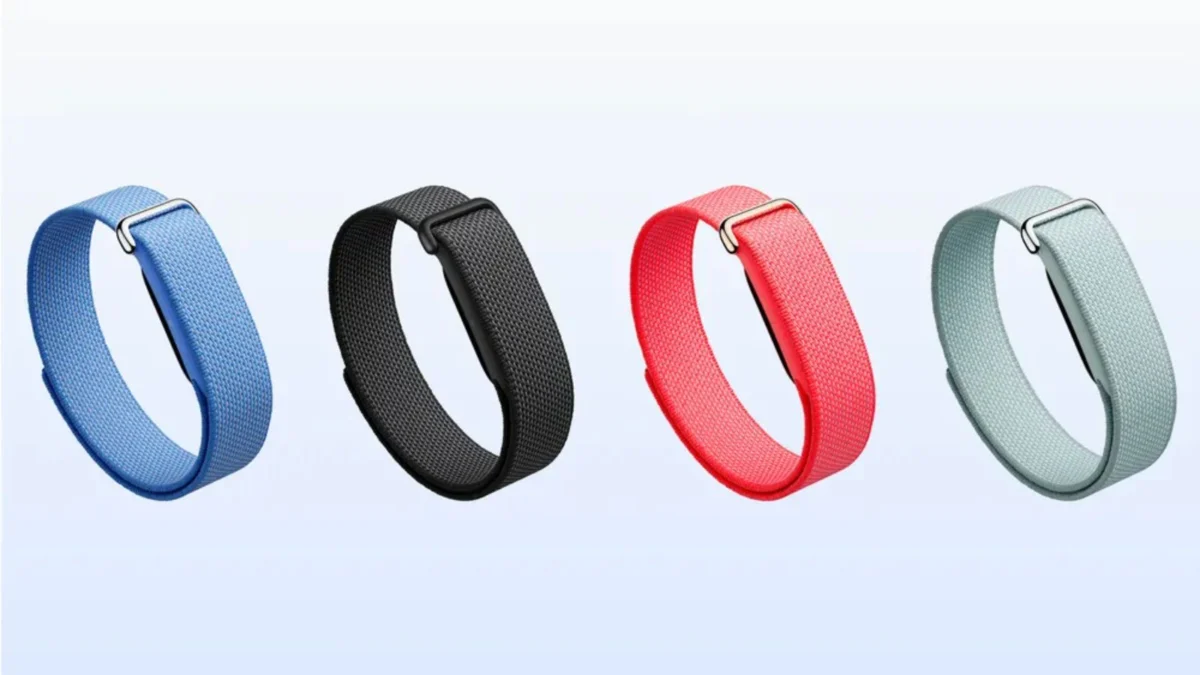
The Fitbit Air is available for preorder as of today, with a wide retail release scheduled for May 26. The launch is accompanied by three distinct strap options: the breathable Performance Loop (made from recycled ocean plastics), a Waterproof Active Band, and an Elevated Modern Band for a more refined look.
As we move toward the latter half of the decade, the success of the Fitbit Air will likely serve as a litmus test for the industry. If consumers embrace the screenless, AI-centric model, it could trigger a broader shift in the wearable market, moving away from "miniature phones on the wrist" toward specialized, high-fidelity biometric monitors that serve as the foundation for modern preventative medicine.
By merging the legacy of Fitbit’s reliable tracking with the cutting-edge capabilities of Google’s generative AI, the Fitbit Air is more than just a new product—it is a blueprint for the next generation of digital health. For users who have felt overwhelmed by the constant ping of notifications, the Fitbit Air offers a compelling, quiet, and profoundly intelligent alternative. As Google’s ecosystem continues to evolve, the distinction between "technology" and "wellness" will likely blur further, leaving the user with a more seamless, data-backed approach to human longevity.



