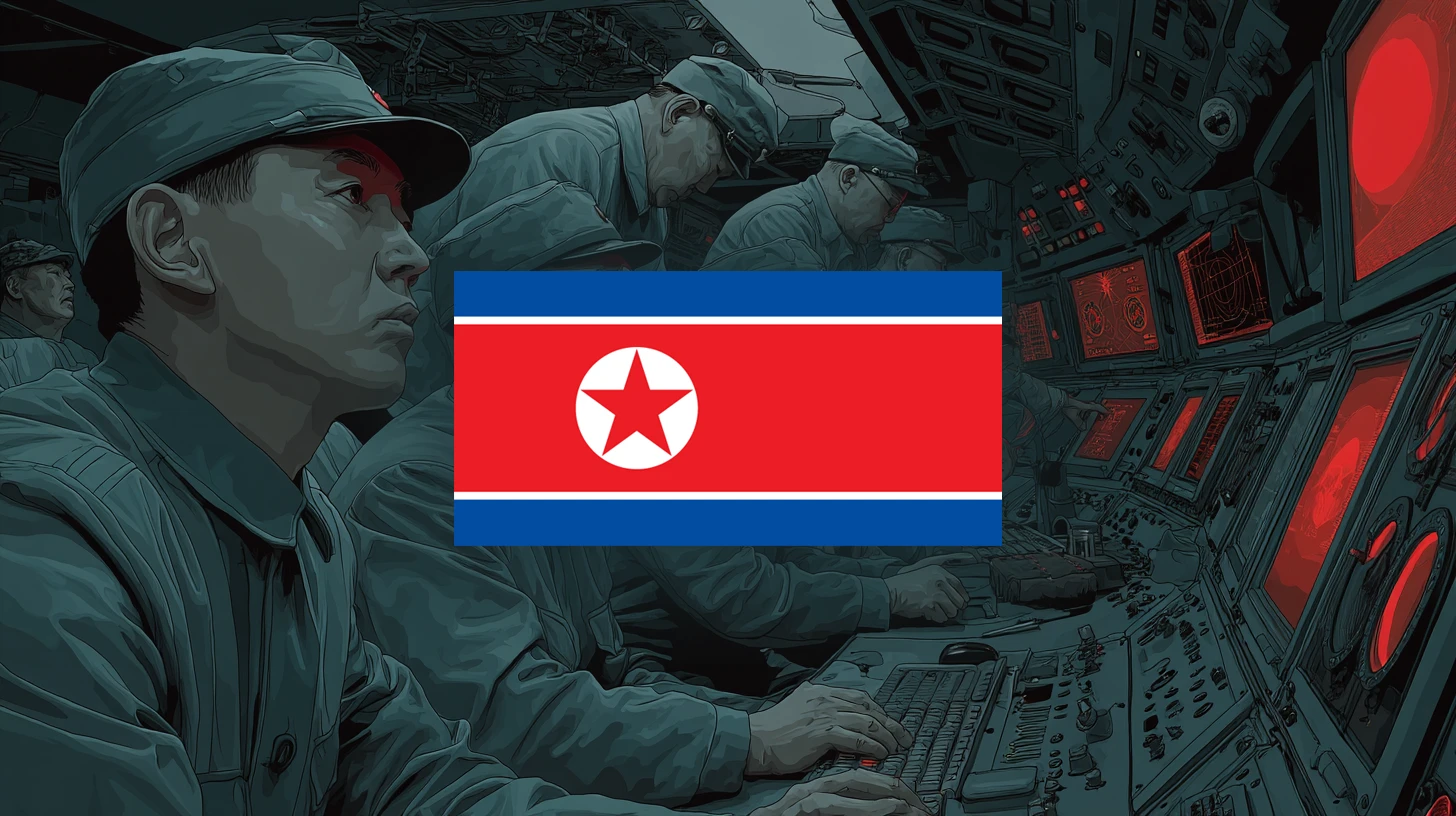
In a sophisticated operation that blends traditional espionage with modern remote-work culture, a sprawling network of North Korean IT workers has successfully infiltrated more than 70 U.S. companies. By leveraging stolen identities, coerced American accomplices, and high-tech "laptop farms," these operatives have funneled millions of dollars back to the Democratic People’s Republic of Korea (DPRK) to bolster the regime’s illicit weapons programs.
The U.S. Department of Justice (DOJ) recently unveiled the scale of this infiltration, marking a significant escalation in the government’s battle against foreign cyber-threats. The operation, which persisted from 2019 until mid-2025, highlights a growing vulnerability in the post-pandemic corporate landscape: the reliance on remote work and digital identity verification.
The Anatomy of the Operation: How "Famous Chollima" Functions
At the heart of this scheme is a group identified by cybersecurity firm CrowdStrike as "Famous Chollima." This collective does not rely on traditional hacking methods, such as malware or brute-force entry. Instead, they exploit the "trust-but-verify" model of modern HR departments.
The strategy relies on a physical, domestic presence within the United States. Because most U.S. companies use geolocation services and strict identity verification software to prevent foreign log-ins, the North Korean operatives require a local "proxy." This is where the "laptop farms" come into play.
The Rise of the Laptop Farm
A laptop farm is a covert, residential setup—often disguised as a standard home office—where dozens of employer-issued laptops are kept running simultaneously. These machines are connected to KVM (Keyboard, Video, Mouse) switches, allowing the actual North Korean workers to remotely access the U.S.-based hardware from abroad.
By keeping these laptops active in states like Texas and Pennsylvania, the operators bypass corporate geofencing. The employer sees a connection originating from a domestic IP address, making the activity appear legitimate.
The Human Element: Co-opting American Complicity
The operation’s success hinges on the recruitment of U.S.-based "facilitators." According to the FBI, these intermediaries are often individuals under financial stress who are hired to act as the "face" of the employee. Their duties include:
- Identity Laundering: Using stolen Social Security numbers and personal data to pass background checks.
- Presence Simulation: Sitting in for video interviews, recording professional networking profiles, and even managing social media footprints to provide a veneer of authenticity.
- Logistics: Receiving company-issued hardware via mail and maintaining the power and internet connectivity required to keep the "farms" operational.
A Chronology of Infiltration and Discovery
The unraveling of this scheme was not an overnight success but the result of a multi-year intelligence gathering effort involving federal agencies and private-sector cybersecurity partners.
- 2019–2022: The nascent stages of the operation see North Korean operatives refining their tactics, moving from simple freelance work to securing full-time employment at mid-sized and large U.S. firms.
- 2023–2024: The network expands significantly. "Laptop farms" begin appearing in residential neighborhoods across the U.S., with recruiters increasingly targeting vulnerable Americans to act as proxies.
- September 2025: Operation "Lonestar Roundup" commences. FBI agents conduct a series of raids across Texas, targeting over 40 locations suspected of hosting laptop farms. 187 laptops and dozens of KVM switches are seized.
- October 2025: Formal indictments are unsealed in Ohio, naming Michael James Bostelle of Pennsylvania and Juan Cecilio Pena Carrillo of Texas, alongside ten China-based defendants, for their roles in money laundering, wire fraud, and identity theft.
- 2026: A series of follow-up sentencing hearings occur, with federal courts handing down multi-year prison terms to U.S.-based facilitators, signaling a "zero-tolerance" policy for those assisting the regime.
Supporting Data: The Cost of Compromise
The economic and national security implications of this infiltration are staggering. While the $3 million seized in the most recent indictment is a significant figure, it represents only a fraction of the total revenue generated by the scheme. Estimates suggest that 85% to 90% of all earnings from these remote roles are funneled directly into the North Korean government’s coffers.
Diversification of Targets
The infiltration is not limited to IT departments. While technical roles were the initial entry point, recent investigations reveal that Famous Chollima has branched out into:
- Sales and Marketing: Providing the regime with insights into Western consumer habits and market trends.
- Healthcare: Allowing access to sensitive medical records and HIPAA-protected data.
- Manufacturing: Exposing trade secrets and proprietary production methodologies.
The victim pool is vast, spanning 17 states and the District of Columbia. These companies, which range from small healthcare clinics to large communications firms, have unwittingly become financiers of international instability.
Official Responses and the "Famous Chollima" Threat
The U.S. government has adopted a stern stance, categorizing this not as a victimless crime of identity fraud, but as an act of national security sabotage.
U.S. Attorney Ryan Raybould, speaking on the recent Texas raids, emphasized the severity of the threat: "Every laptop farm we dismantle shuts down a revenue stream that the North Korean government relies on to fund weapons programs that threaten global stability."
CrowdStrike, in their analysis of the group, noted that these physical farms are the only way the regime can circumvent the legal and financial safeguards of Western corporations. Without a "man-in-the-middle" on U.S. soil, the North Korean regime would be unable to navigate the rigorous identity verification protocols that define modern employment.
The FBI’s Warning
The FBI has issued a public service announcement (PSA) specifically targeting companies and individuals. They warn that the operatives are increasingly aggressive. In cases where they are caught or fired, the workers have been known to escalate their tactics, issuing death threats against former managers and their families, or threatening to leak exfiltrated corporate data unless they are paid a "ransom."
Implications for Corporate Security and Future Outlook
The "Famous Chollima" scheme has exposed a fundamental weakness in the "Work from Anywhere" era. Companies that have embraced fully remote work models without robust, continuous identity verification are now being forced to re-evaluate their onboarding processes.
Strengthening Corporate Defenses
To mitigate the risk of infiltration, cybersecurity experts recommend:
- Strict Biometric Verification: Moving beyond simple passwords or multi-factor authentication (MFA) to include live, non-recorded video identity checks during onboarding and regular intervals.
- Hardware Controls: Prohibiting the use of personal devices for corporate tasks and monitoring for anomalies in IP address consistency and hardware behavior.
- Third-Party Audits: Conducting deep background checks that verify professional history through direct contact with previous employers rather than relying solely on provided documentation.
The Human Cost
Beyond the corporate loss, the human cost is severe. The facilitators—often recruited under the guise of "remote admin work"—are frequently caught in a legal trap. Many of those currently facing federal charges are individuals who, in a state of financial desperation, allowed themselves to be used as tools for a foreign regime. As the FBI notes, participating in these schemes—even in a seemingly minor capacity like receiving a package—places individuals in the crosshairs of federal law enforcement, leading to multi-year prison sentences.
As North Korea continues to refine its digital warfare capabilities, the U.S. corporate sector remains on the front line. The "Laptop Farm" crisis is a stark reminder that in a globalized digital economy, the weakest link in the security chain is often the human one. The collaborative effort between the FBI, the DOJ, and private cybersecurity firms like CrowdStrike is expected to continue, as the fight against Famous Chollima evolves from a regional problem into a permanent fixture of global cyber-defense.