Introduction: A New Era for WordPress Default Themes
In the ever-evolving landscape of content management systems, WordPress continues to set the standard for accessible, extensible, and adaptable web publishing. At the heart of the WordPress ecosystem are its default yearly themes—signposts that mark the platform’s technological maturity and design philosophy. Following a lineage of increasingly sophisticated layouts, the official release of the Twenty Twenty-Five theme marks a watershed moment for the platform. Surpassing one million active installations in record time, Twenty Twenty-Five has rapidly become one of the most widely adopted default themes in WordPress history.
Developed and supported by the global WordPress community, Twenty Twenty-Five is built from the ground up to champion simplicity, adaptability, and modern Full Site Editing (FSE). Whether powering a minimalist personal blog, a bustling online magazine, a comprehensive corporate portfolio, or a high-conversion business landing page, Twenty Twenty-Five bridges the gap between raw power and intuitive design. This article provides an exhaustive look at the theme, exploring its core architecture, feature set, community impact, and the broader implications of its design philosophy for web developers and content creators worldwide.
Main Facts: What Defines Twenty Twenty-Five?
At its core, Twenty Twenty-Five is designed to be a chameleon among themes—adaptable to nearly any niche without sacrificing performance or visual integrity.
- Active Installations: Over 1,000,000+ active sites.
- Architecture: Fully block-based theme utilizing WordPress Full Site Editing (FSE).
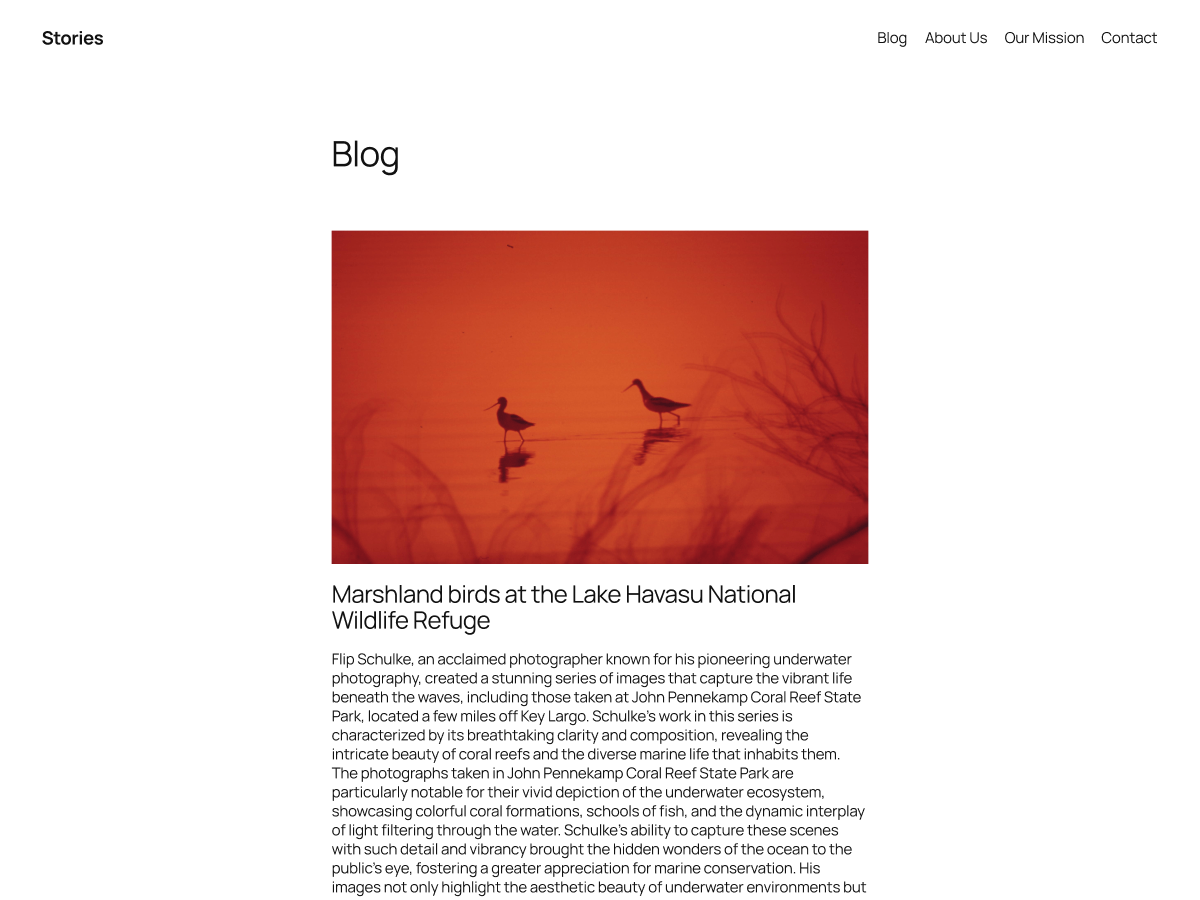
- Style Variations: 16 distinct style variations out of the box, offering completely different visual moods through color palettes, typography pairings, and layout structures.
- Design Philosophy: Simplicity, adaptability, accessibility, and internationalization.
- Layout Versatility: Supports single-column layouts, text-focused journalism, image-heavy portfolios, and structured service/landing pages.
Unlike older classic themes that relied heavily on rigid templates and PHP overrides, Twenty Twenty-Five leverages the power of the WordPress Block Editor. It provides creators with granular control over every pixel, header, footer, and post template without requiring a line of code. Its deep integration with international typography standards and diverse color palettes ensures that sites built with Twenty Twenty-Five look stunning and perform reliably on any device, anywhere in the world.
Chronology: The Journey to Twenty Twenty-Five
To understand the significance of Twenty Twenty-Five, it is helpful to trace the evolution of WordPress default themes over recent years, culminating in the release of version 1.5 and beyond.
The Shift to Full Site Editing (2021–2023)
When WordPress introduced Full Site Editing with Twenty Twenty-Two, it revolutionized how users built websites. For years, default themes served primarily as showcases for new WordPress core features. However, as block themes matured with Twenty Twenty-Three and Twenty Twenty-Four, the focus shifted toward versatility and out-of-the-box usability. Twenty Twenty-Four, in particular, proved immensely popular by catering to diverse use cases like agencies and photography sites.
The Development and Refinement of Twenty Twenty-Five (2024–Present)
As development on Twenty Twenty-Five ramped up, the contributor community focused heavily on modularity and streamlining the user experience.
- Early Concepting: Community discussions emphasized the need for a theme that felt lightweight yet incredibly robust—a foundation that could be dressed up or down depending on the user’s brand identity.
- Beta Phases and Style Variations: Through rigorous community testing, the team expanded the theme’s style variations to 16, ensuring that users weren’t locked into a single aesthetic.
- Version 1.5 Milestone: Recent updates, including version 1.5, have fine-tuned block patterns, improved responsiveness, and bolstered accessibility compliance, pushing the theme past the monumental milestone of one million active installations.
Supporting Data & Feature Breakdown
Twenty Twenty-Five is packed with features designed to meet the demands of modern web development while remaining approachable for novices. Below is a comprehensive breakdown of its technical capabilities and supported features:
1. Style Variations (16 Distinct Looks)
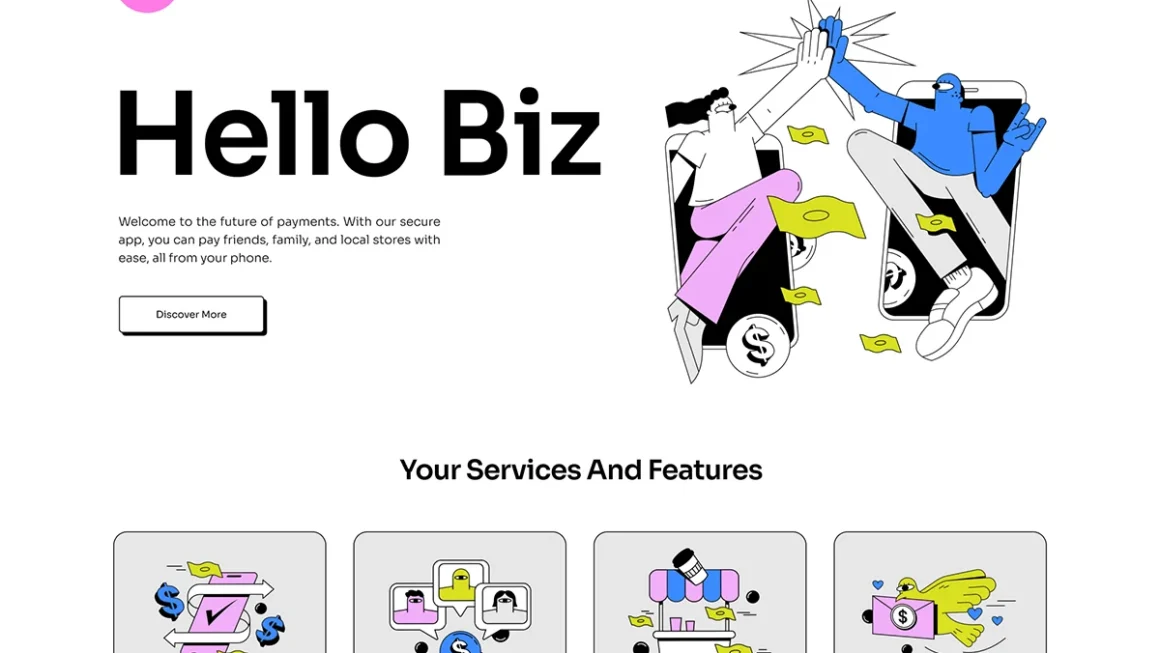
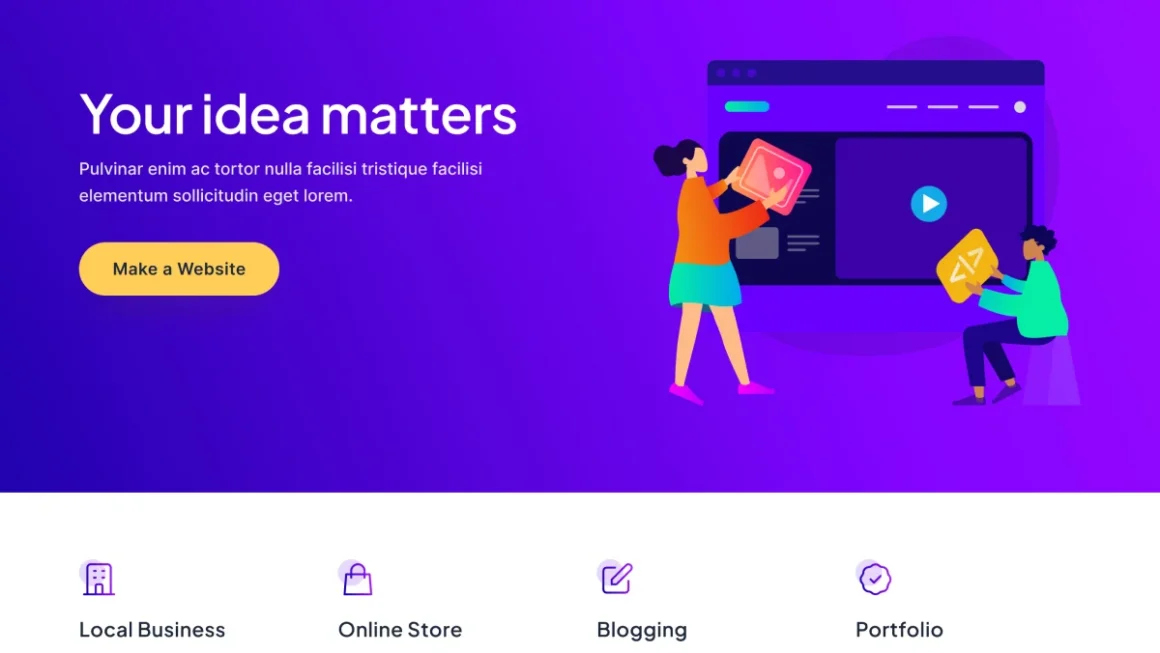
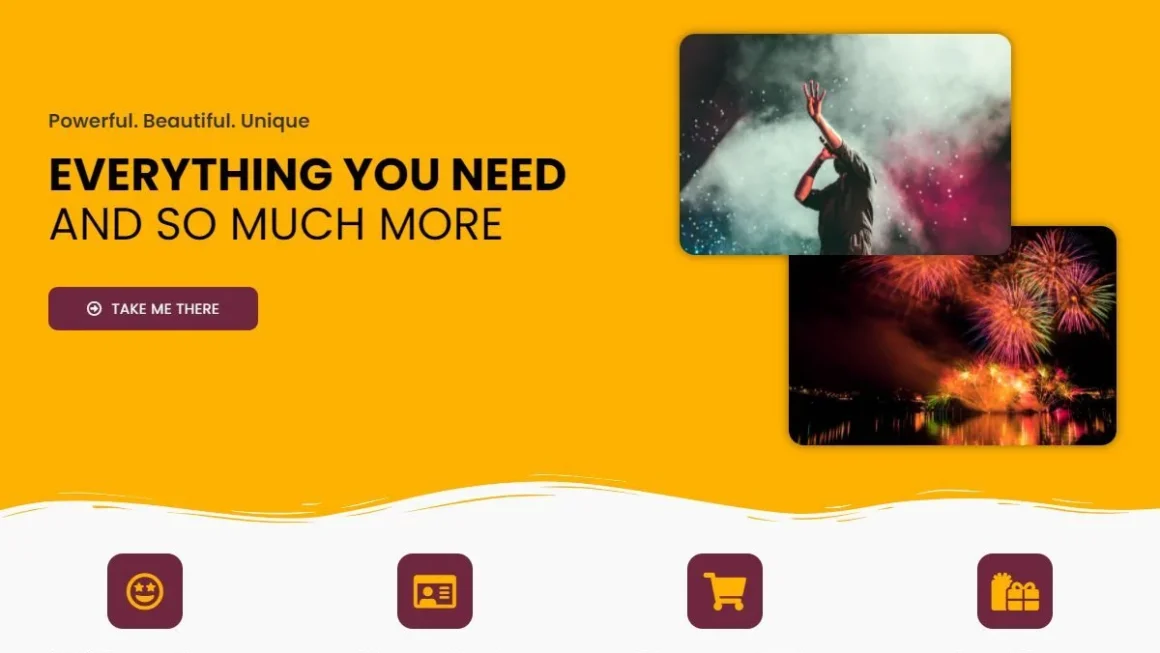
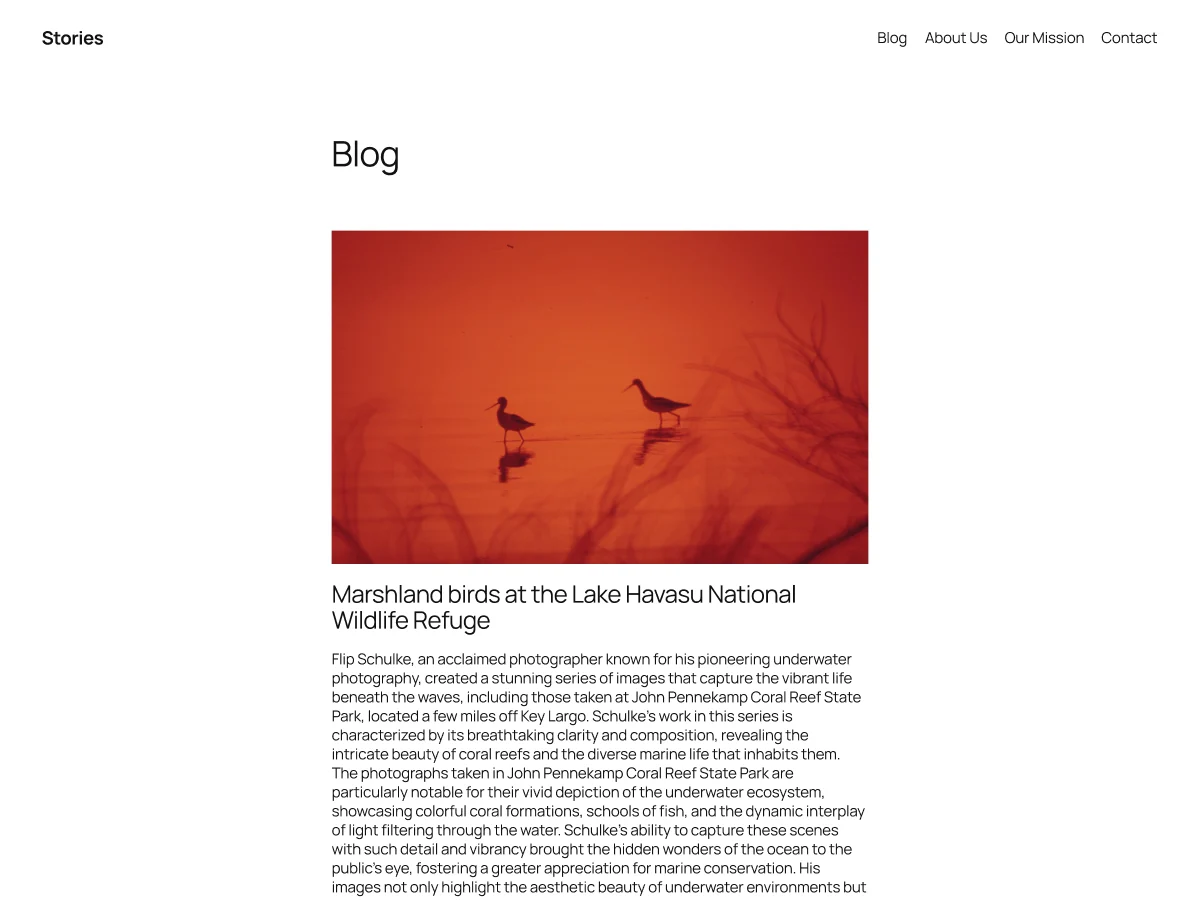
One of Twenty Twenty-Five’s most powerful features is its collection of 16 style variations. Without changing the underlying structure of the site, administrators can completely transform the visual mood—shifting from stark, high-contrast editorial layouts to soft, muted, organic palettes with a single click.
2. Comprehensive Block Pattern Library
Instead of starting with a blank canvas, users have access to an extensive array of pre-built block patterns. These include:
- Hero sections and call-to-action blocks for landing pages.
- Service grids and team profiles for business websites.
- Image galleries and masonry layouts for portfolios.
- Text-heavy layouts optimized for long-form journalism and personal blogs.
3. Native WordPress Features and Tag Support
According to official repository data, Twenty Twenty-Five is categorized with a robust set of tags that reflect its modern engineering:
- Accessibility Ready: Built with screen readers, keyboard navigation, and high-contrast standards in mind.
- Block Editor Patterns & Styles: Deep integration with WordPress block customization tools.
- Full Site Editing (Block Themes): Complete control over templates, template parts, and global styles.
- Customization Ecosystem: Supports custom logos, custom menus, custom colors, editor styles, and wide blocks.
- Content Management Utilities: Featured image support, sticky posts, and threaded comments.
- Language Support: Full RTL (Right-to-Left) language support and translation-ready architecture.
4. Global Accessibility and Localization
WordPress is a global platform, and Twenty Twenty-Five reflects this ethos. The theme has been translated into dozens of languages—ranging from Arabic, Catalan, and German to Japanese, Korean, Vietnamese, and multiple dialects of Spanish. Furthermore, the community-driven translation project continues to expand its reach, ensuring that non-English speakers can deploy the theme effortlessly in their native tongues.
Official Responses and Community Governance
The success of Twenty Twenty-Five is a testament to the open-source collaborative model of WordPress. Developed entirely by a community-led team of designers, developers, accessibility experts, and translators, the theme represents the collective wisdom of the WordPress ecosystem.
Community Support and Governance
Unlike commercial themes backed by single corporate entities, Twenty Twenty-Five is supported directly through the WordPress.org support forums. Users encountering bugs, styling glitches, or configuration questions can tap into a vast network of volunteer contributors and power users.
Furthermore, the WordPress theme review team maintains strict quality guidelines. For issues requiring core attention or bug reporting, the Make WordPress Themes team provides a transparent reporting pipeline (make.wordpress.org/themes), allowing users to submit feedback and security or layout concerns directly to the maintainers.
Translation and Localization Initiatives
The localization data highlights the sheer scale of community involvement. Hundreds of translators contribute to making Twenty Twenty-Five accessible globally. Through platforms like translate.wordpress.org, community members continuously update language packs, ensuring that grammatical nuances and localized typography render correctly across all supported regions.
Implications: What Twenty Twenty-Five Means for the Future of Web Design
The rapid adoption of Twenty Twenty-Five—scaling past one million active installations—signals several important shifts in the web development and content creation industries.
1. The Maturation of Full Site Editing
For years, skeptics questioned whether native WordPress block editing could truly compete with third-party page builders like Elementor, Divi, or Beaver Builder. Twenty Twenty-Five proves that native FSE has reached a point of stability, speed, and design flexibility that makes heavy third-party plugins unnecessary for many projects. By relying on core WordPress blocks and lightweight style variations, sites load faster, consume fewer server resources, and remain secure against plugin-vector vulnerabilities.
2. Democratization of High-End Design
Historically, achieving a polished, professional aesthetic required hiring a specialized web designer or purchasing premium commercial themes. Twenty Twenty-Five democratizes high-end design by offering 16 professional style variations and a rich pattern library completely free of charge. Small businesses, independent journalists, and local creators can deploy a world-class web presence in minutes.
3. The Power of Open-Source Collaboration
Finally, Twenty Twenty-Five stands as a shining example of what open-source communities can achieve when working toward a unified vision. By combining rigorous accessibility standards, global localization, and modular flexibility, the community has delivered a default theme that doesn’t just act as a technical demonstration—it serves as a production-grade powerhouse used by millions worldwide.
Conclusion
Twenty Twenty-Five is much more than just the latest default theme for WordPress; it is a comprehensive design system that encapsulates the modern ethos of the web: fast, accessible, adaptable, and globally inclusive. With over a million active installations, robust support for Full Site Editing, 16 distinct style variations, and a thriving community behind it, Twenty Twenty-Five ensures that WordPress remains at the cutting edge of digital publishing for years to come. Whether you are launching your first blog or redesigning an enterprise portfolio, Twenty Twenty-Five provides the ultimate canvas for your digital vision.