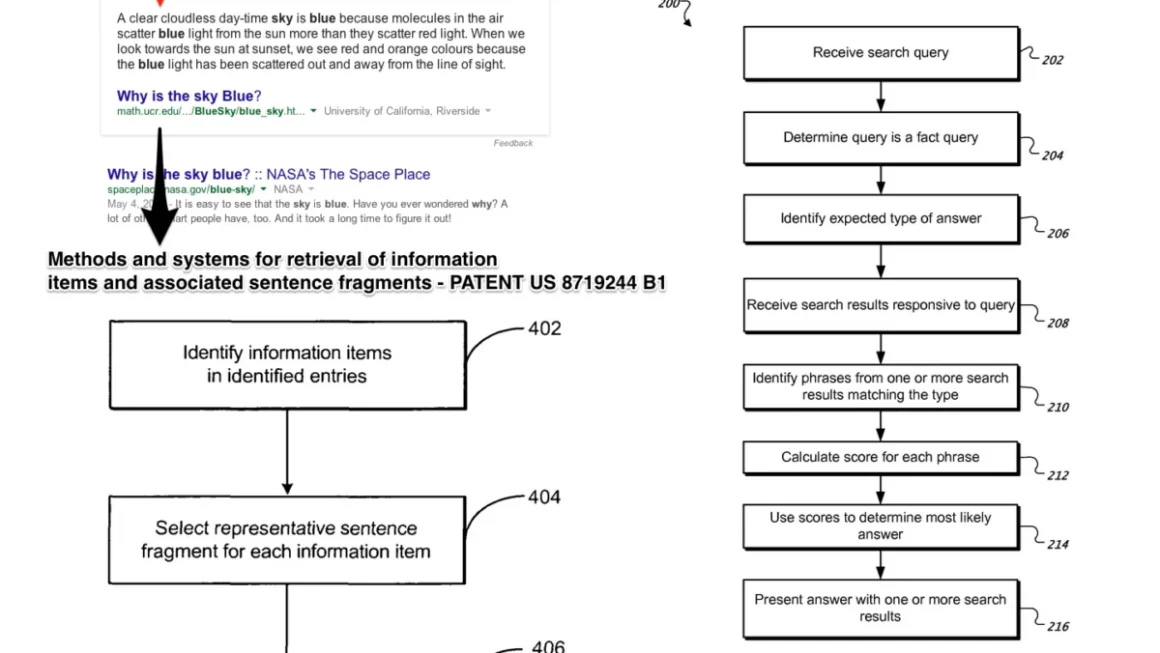
The digital landscape is undergoing a tectonic shift. As traditional search engines evolve into conversational AI-driven platforms, the way users discover brands, products, and services is being rewritten in real-time. For businesses, this transition represents both a significant challenge and a massive opportunity. To navigate this new terrain, Mangools has introduced AI Search Watcher, a sophisticated LLM tracker designed to bring clarity to the opaque world of AI-generated search results.

This guide provides a professional deep dive into the architecture, implementation, and strategic utility of AI Search Watcher, ensuring your brand maintains visibility in an era dominated by ChatGPT Search, Google AI Overviews, Gemini, and Claude.
The New Frontier: Why AI Search Visibility Matters
In the past, SEO focused on ranking a URL on the first page of a traditional search engine. Today, AI models aggregate data, synthesize information, and present answers directly within the chat interface. Being the "source of truth" in an AI response is the new gold standard for digital marketing.
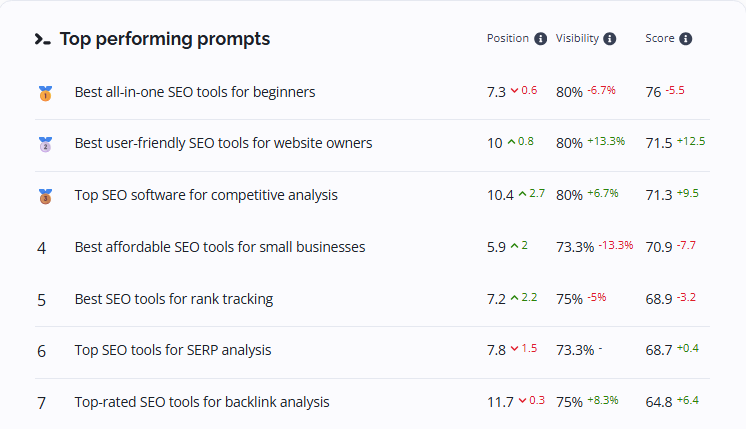
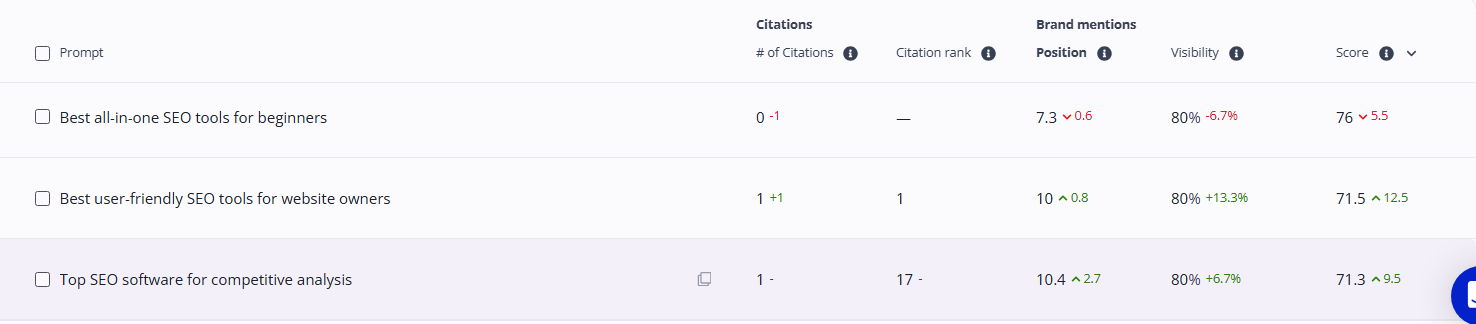
AI Search Watcher acts as a specialized monitoring tool that runs thousands of simulated user prompts across various LLMs to determine how often, and in what capacity, your brand is being cited. By tracking average positions, visibility scores, and citation frequency, this tool bridges the gap between traditional SEO and generative AI optimization.
Chronology: From Setup to Strategic Insight
Understanding the operational flow of AI Search Watcher is essential for any marketing team looking to integrate the tool into their existing workflow.
1. The Initial Configuration
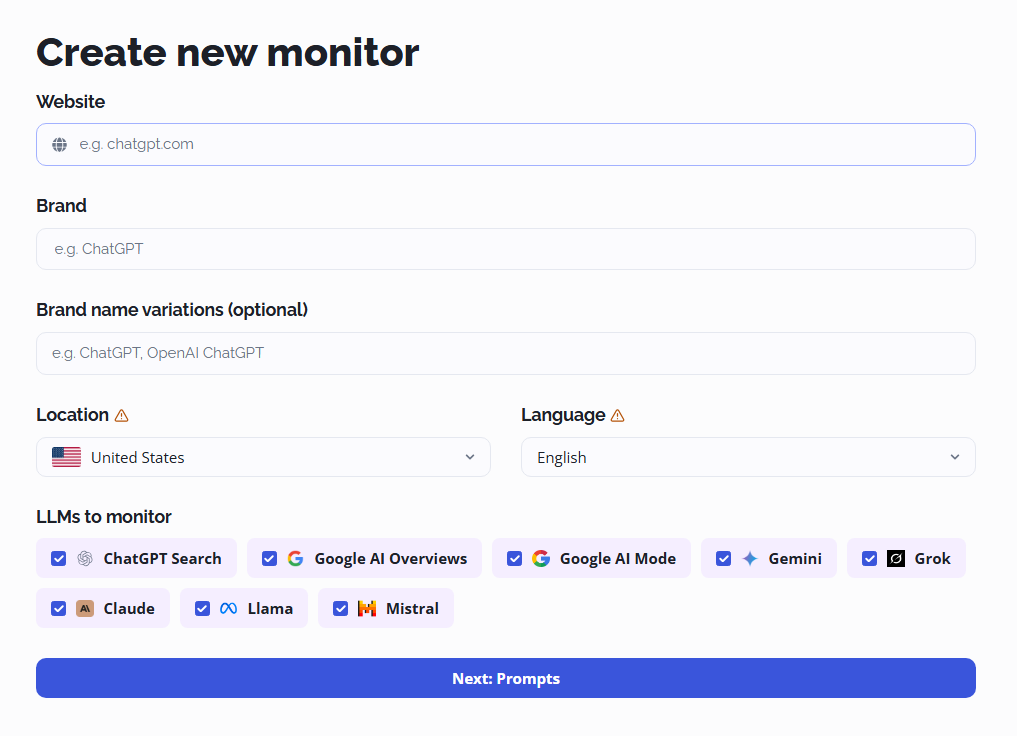
The process begins with the creation of a tracking project. Upon entering the web app, users define their core brand identity. A critical, often overlooked step here is the input of Brand Name Variations. Because AI models may refer to your business by a domain name, a shorthand, or a legal alias (e.g., "Volkswagen," "VW," "volkswagen.com"), failing to map these aliases leads to fragmented data. By consolidating these variations into a single entity, the tool provides a cohesive view of your total AI presence.
2. Prompt Engineering and Data Integration
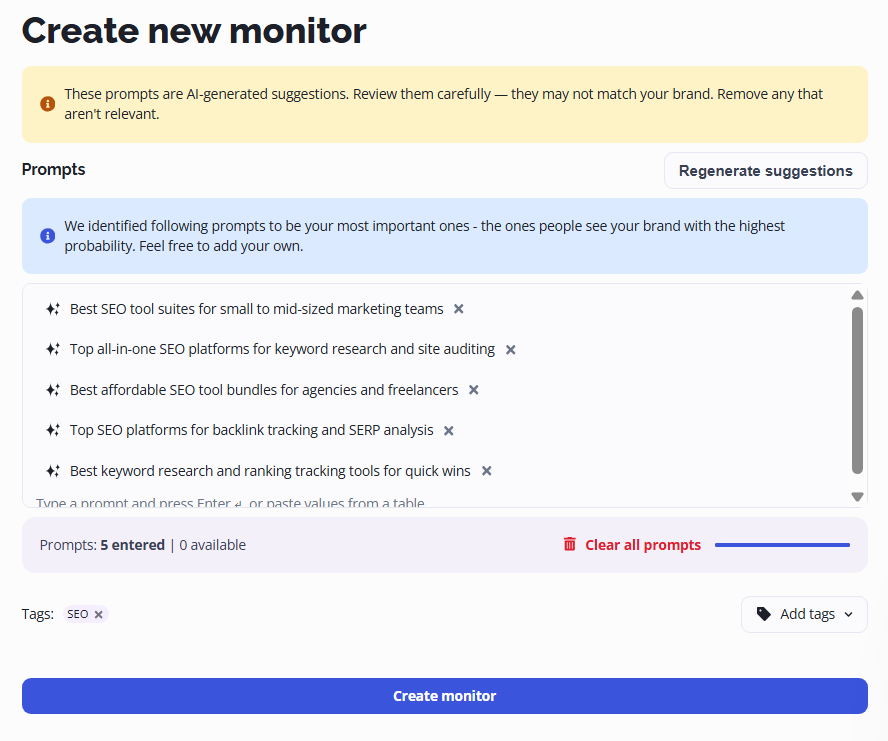
Once the brand is defined, users must curate the prompts that trigger AI responses. While the system provides AI-generated suggestions, professionals are encouraged to cross-reference these with existing SEO data.

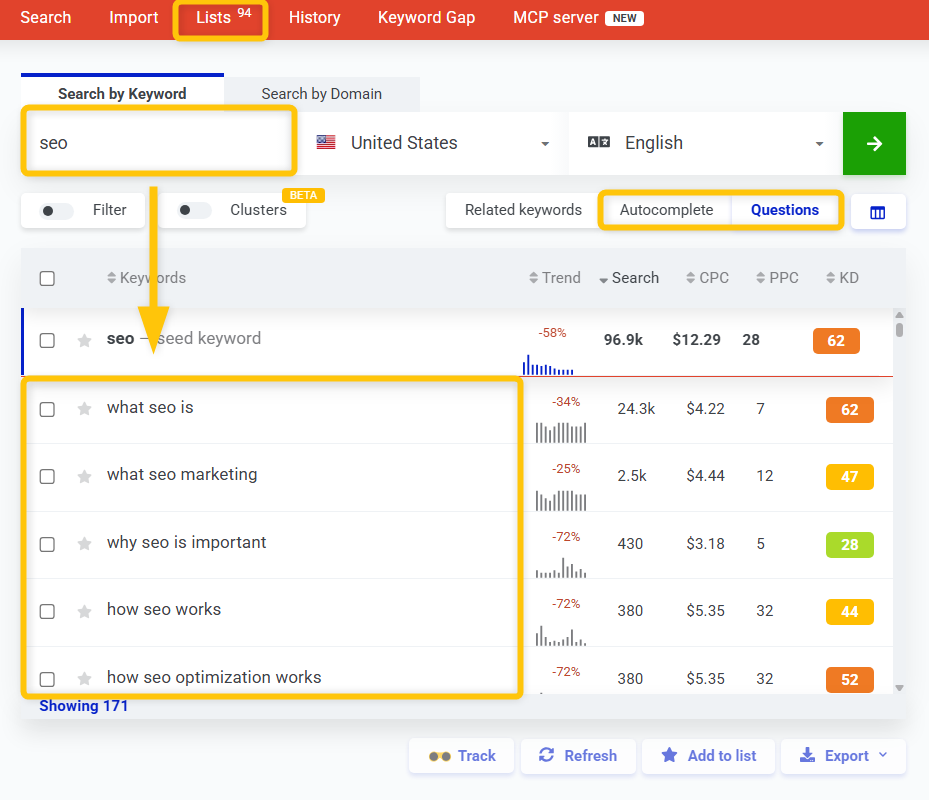
- KWFinder Synergy: Utilize Mangools’ KWFinder to identify long-tail, question-based queries—the very queries that drive modern AI interactions.
- SERPWatcher Migration: If you are already tracking keyword performance, you can convert these traditional ranking targets into high-intent conversational prompts by using a simple LLM-based translation query.
3. Dashboard Analytics
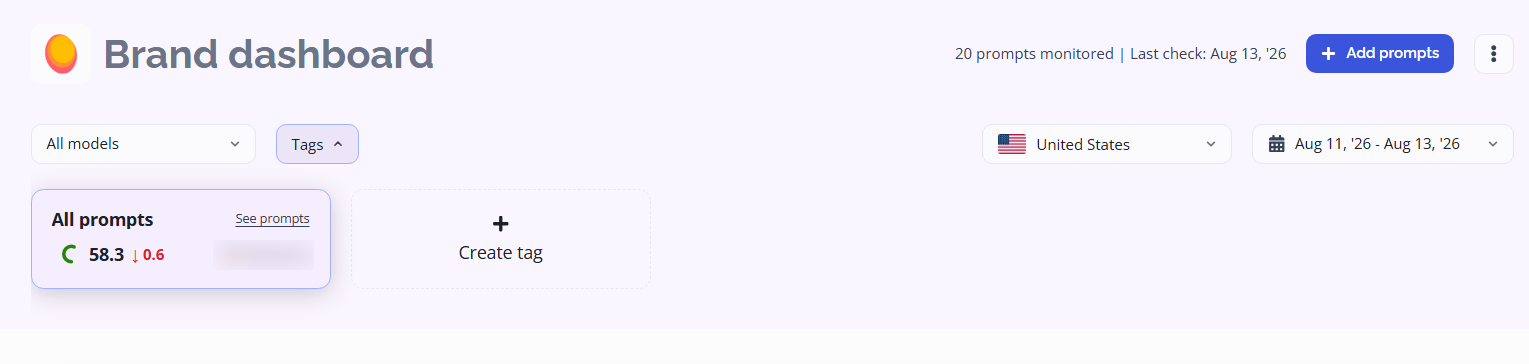
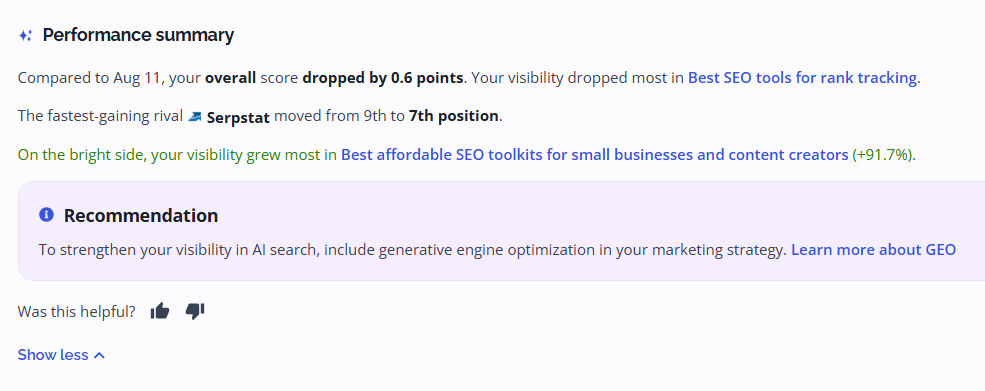
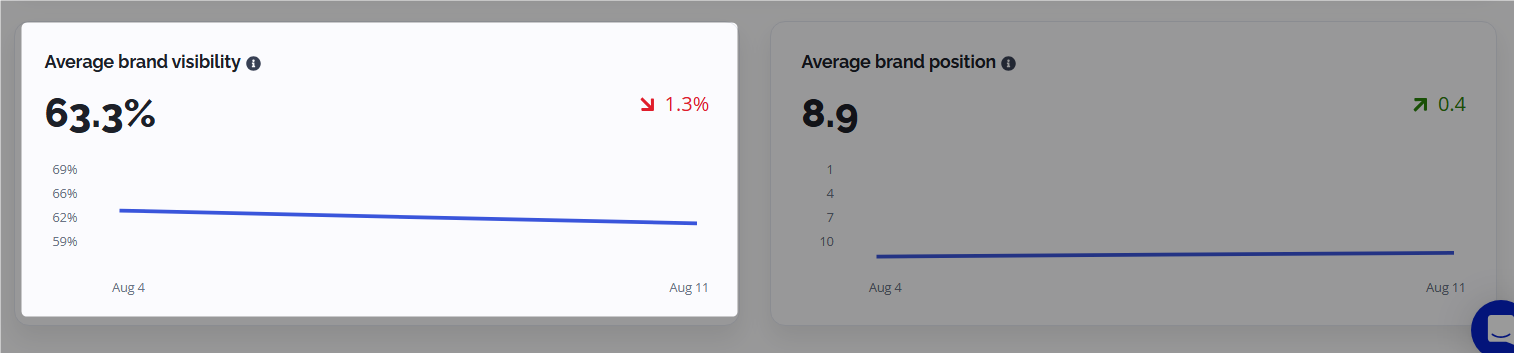
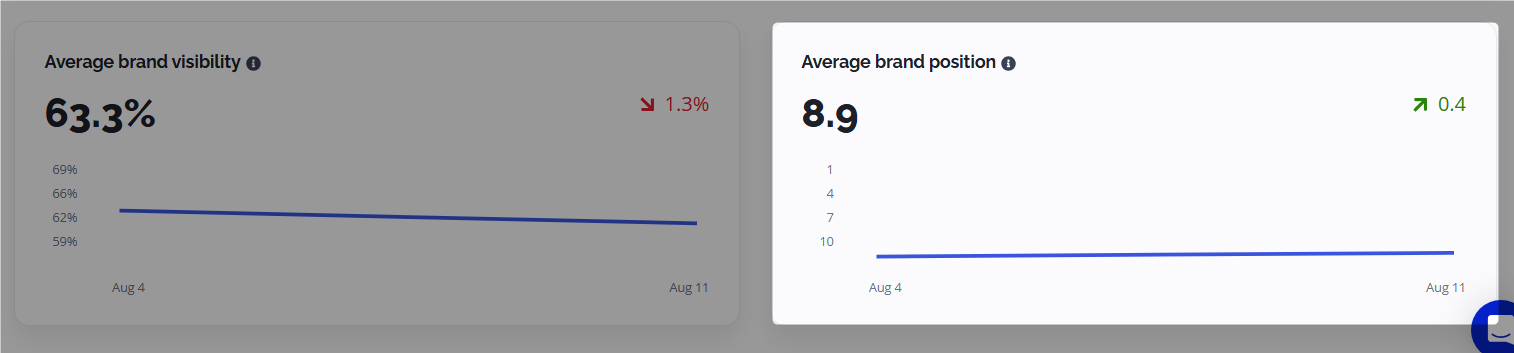
The dashboard functions as the central nervous system of your AI visibility strategy. It offers a macro-level view of performance across all selected AI models, allowing users to toggle between different time frames and geographic locations. This real-time feedback loop is essential for identifying where your brand is gaining traction and where it is losing ground to competitors.
Supporting Data: Decoding Key Performance Metrics
AI Search Watcher relies on proprietary metrics to quantify visibility in a non-linear search environment. Understanding these data points is crucial for making informed adjustments.

The AI Search Score
This is the primary health metric for your brand’s AI presence. Ranging from 0 to 100, the score is categorized to provide immediate context:

- 0-59 (Needs Improvement): The brand is largely absent or unrecognized.
- 60-69 (Fair): Sporadic visibility; opportunities for growth are present.
- 70-79 (Good): The brand is a regular feature in relevant answers.
- 80-89 (Excellent): The brand is a preferred authority.
- 90-100 (Outstanding): The brand is the primary citation of choice.
Performance and Visibility Cards
The dashboard utilizes specialized "cards" to parse complex data:

- Best Performing In: Highlights which specific LLM is delivering the highest quality engagement for your brand.
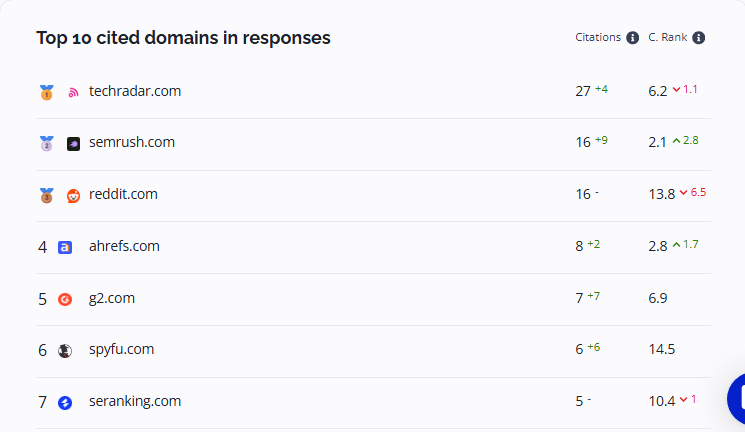
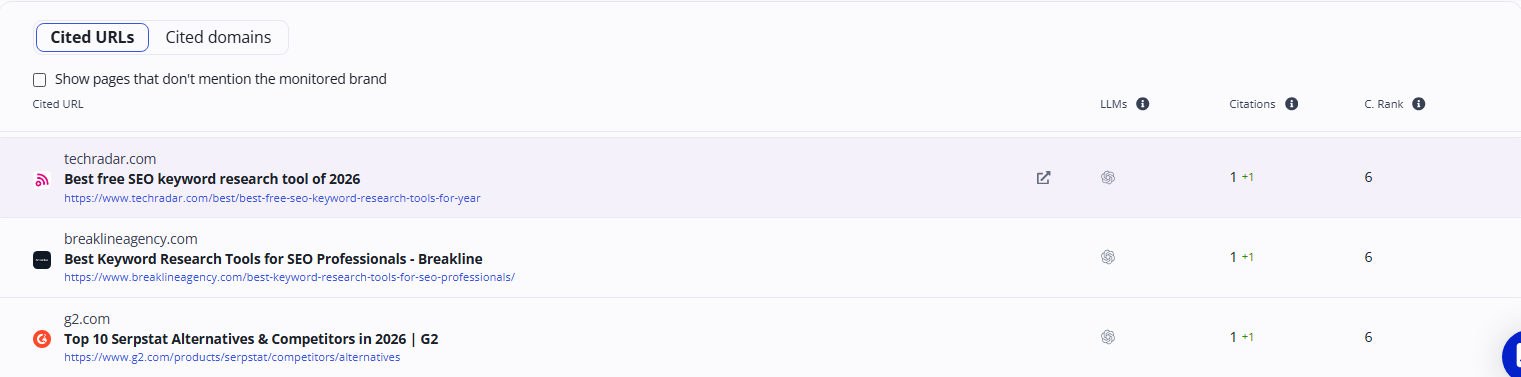
- Most Cited In: Identifies the AI model that most frequently links back to your domain. This is a vital indicator of your brand’s "authority" in the eyes of an AI.
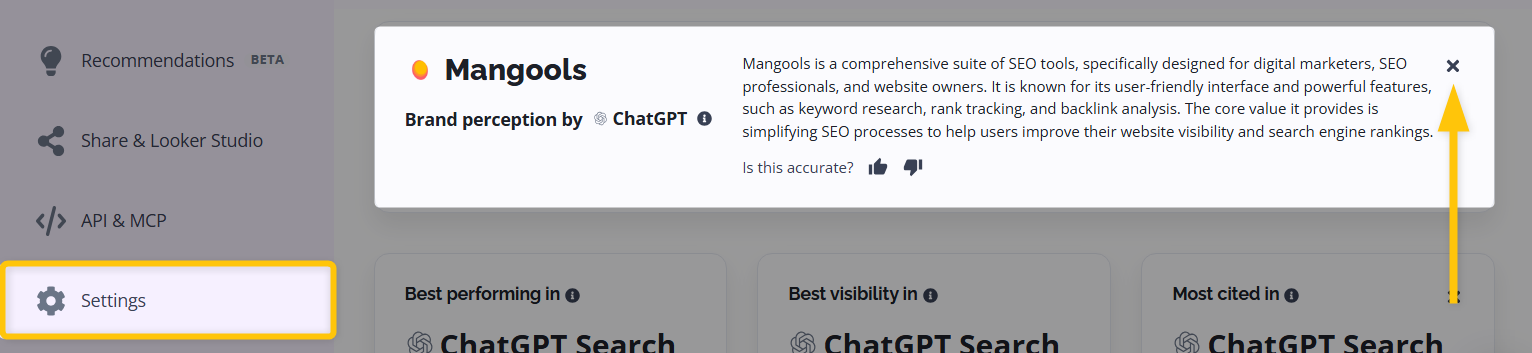
- Brand Perception: This unique feature reveals how an AI describes your business when queried directly. If the description is inaccurate, it serves as an actionable signal that your schema markup, "About" pages, or PR footprint require immediate optimization.
Official Perspective: Integration and Scalability
Mangools has positioned AI Search Watcher not merely as a standalone dashboard, but as a modular component of a larger data ecosystem.
Advanced Connectivity
For agencies and enterprise users, the platform offers:
- Looker Studio Connector: Allows teams to pull AI visibility data directly into custom reporting dashboards alongside traditional PPC and organic traffic metrics.
- API and MCP (Model Context Protocol): For those building custom applications, the Mangools API provides raw data access. Furthermore, the inclusion of an MCP server allows AI assistants like Claude Desktop to directly query your brand’s performance data, creating a self-referential loop of intelligence.
Collaborative Reporting
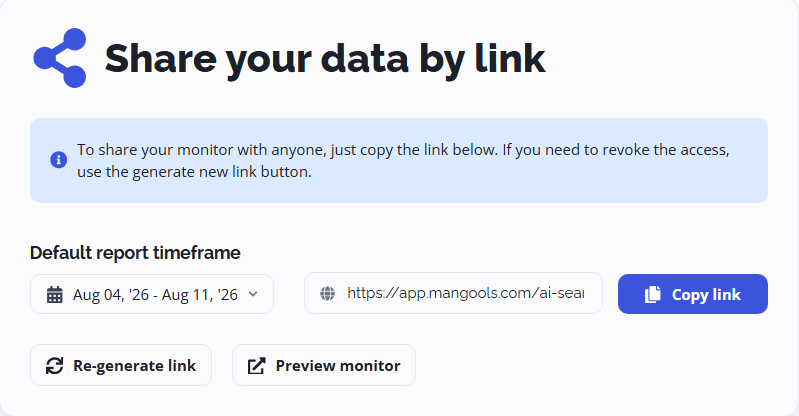
Transparency is facilitated through shareable links. By generating custom report URLs, managers can provide stakeholders with live, read-only access to performance data without requiring them to log into the main account. This streamlines communication and ensures that decision-makers are always looking at the most current data.
Implications: The Future of Brand Authority
The rise of AI search is not the death of SEO; it is an evolution toward AI-Driven Brand Authority. As the data from AI Search Watcher highlights, the brands that win are those that provide structured, verifiable, and consistent information across the web.
Addressing the "Inaccuracy Gap"
One of the most profound implications of the tool is the ability to detect and correct AI hallucinations or misrepresentations. If AI Search Watcher reveals that a model is providing incorrect information about your services, it acts as a diagnostic tool. By identifying the specific prompts where this occurs, companies can update their website content, refine their technical SEO, and provide the clear signals that LLMs need to categorize them correctly.
Protecting Your Reputation
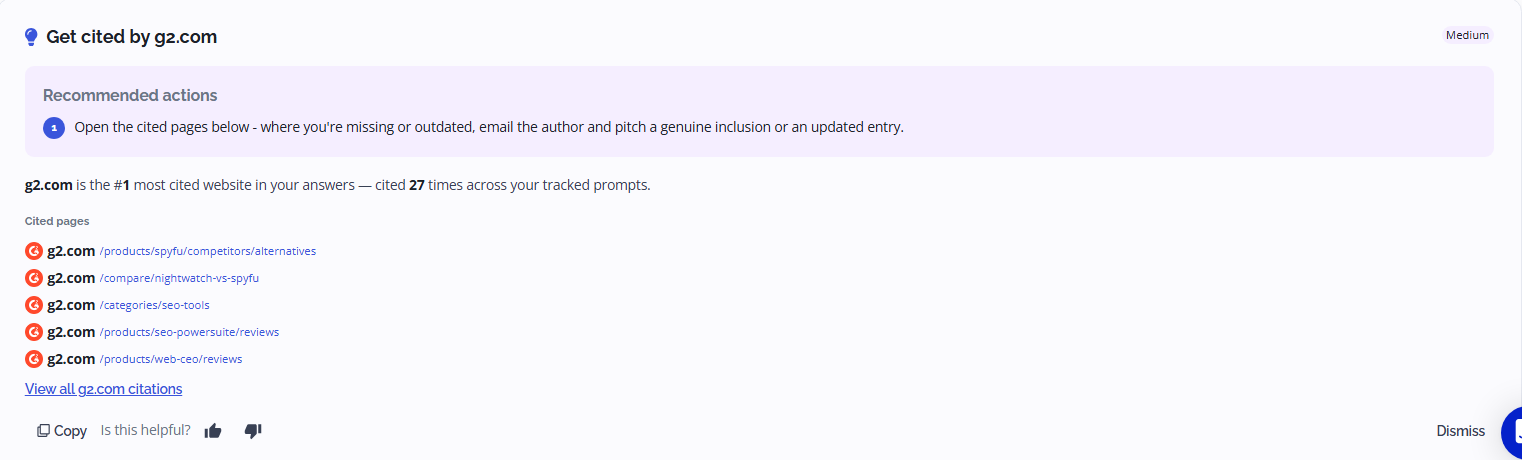
In an AI-first search world, your competition is just a prompt away. If a user asks, "What are the best alternatives to [Your Brand]?" and your brand is missing, you have lost a potential customer before the search even ended. AI Search Watcher allows you to track these competitive queries, giving you the necessary insights to pivot your content strategy to ensure your brand is included in the conversation.
Conclusion: A Proactive Stance
AI Search Watcher is a necessary evolution for any professional tasked with digital growth. By combining the rigor of traditional search tracking with the nuances of modern generative AI, it offers a pathway to visibility that was previously inaccessible.
Whether you are utilizing the free tier to test the waters or integrating the full API suite for enterprise-grade analytics, the objective remains the same: to ensure that when the world asks AI a question, your brand is the answer. As the digital landscape continues to fragment across multiple AI platforms, the ability to monitor, analyze, and optimize your presence is no longer just an advantage—it is a requirement for survival in the digital age.
To begin your journey into AI search monitoring, visit Mangools AI Search Watcher to configure your first tracking project and secure your brand’s future.