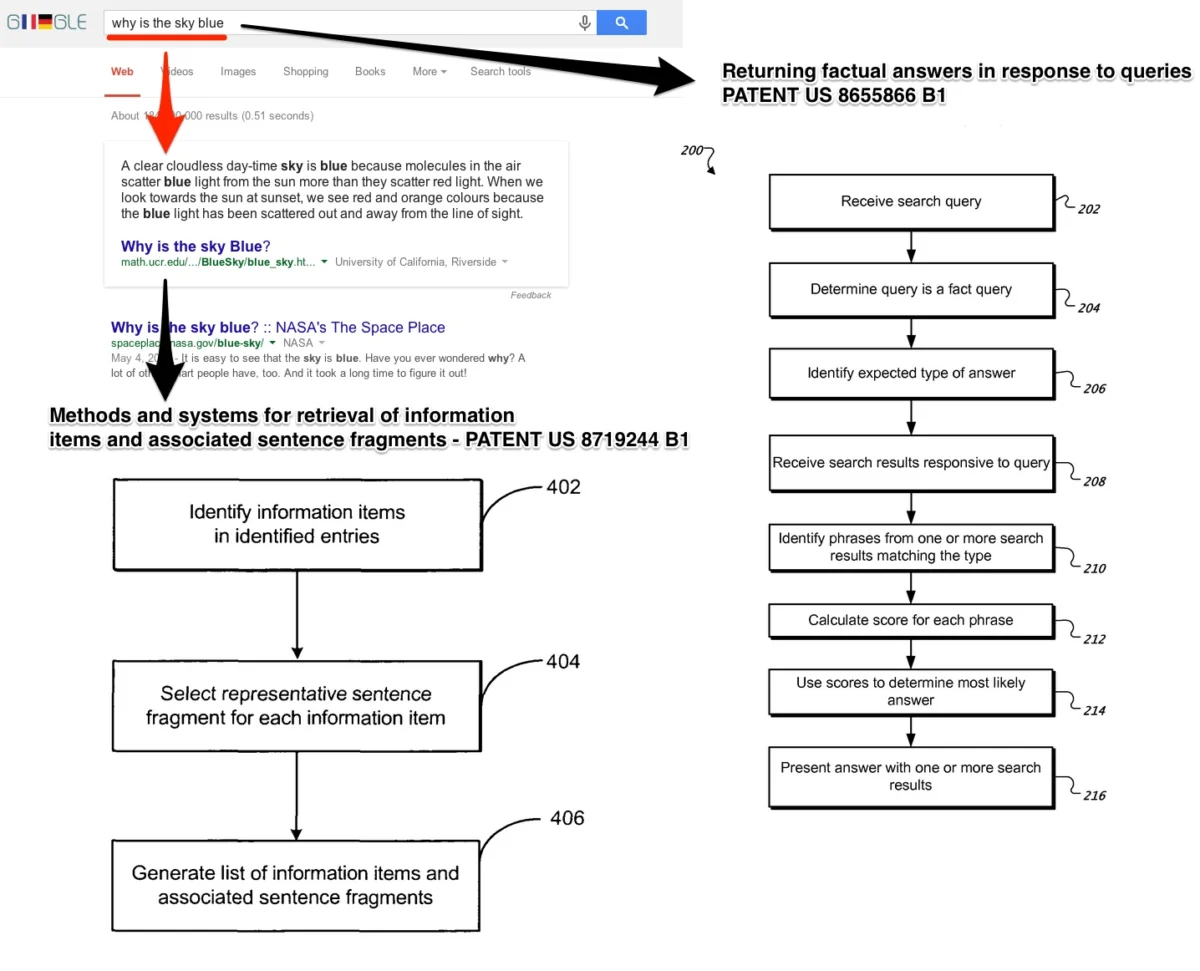
In the modern digital landscape, ranking number one on Google is no longer the final frontier. The true "holy grail" of search engine optimization (SEO) is now "Position Zero"—the coveted Google Answer Box. By appearing in this prime real estate at the top of the search engine results page (SERP), brands can bypass the traditional list of blue links, securing immediate visibility and establishing themselves as the ultimate authority for a specific query.
However, as we enter 2026, the mechanics of search are shifting once again. While the traditional Answer Box remains a staple of user experience, the rise of AI Overviews and conversational search has fundamentally changed how Google surfaces information. To dominate the SERP, webmasters must now move beyond simple keyword optimization and embrace a holistic strategy that builds brand authority across the entire digital ecosystem.
What Is a Google Answer Box?
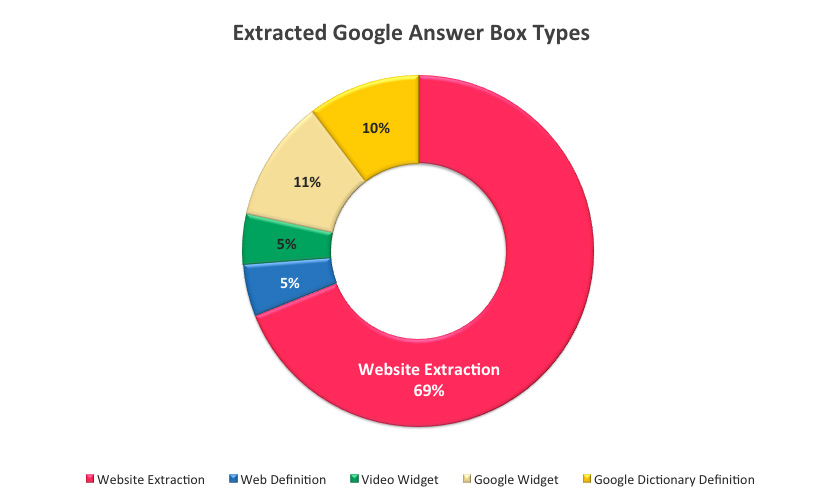
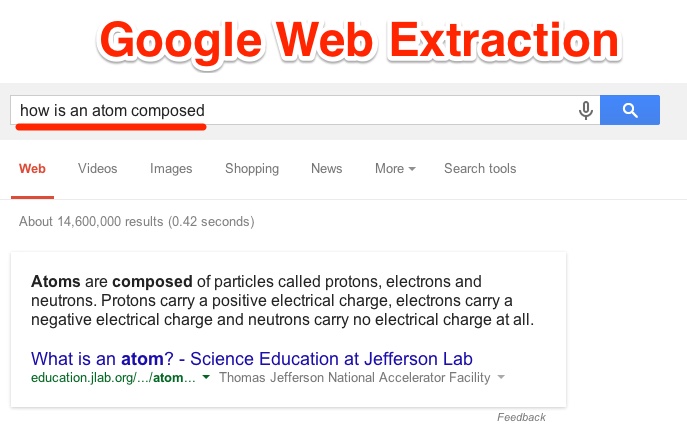
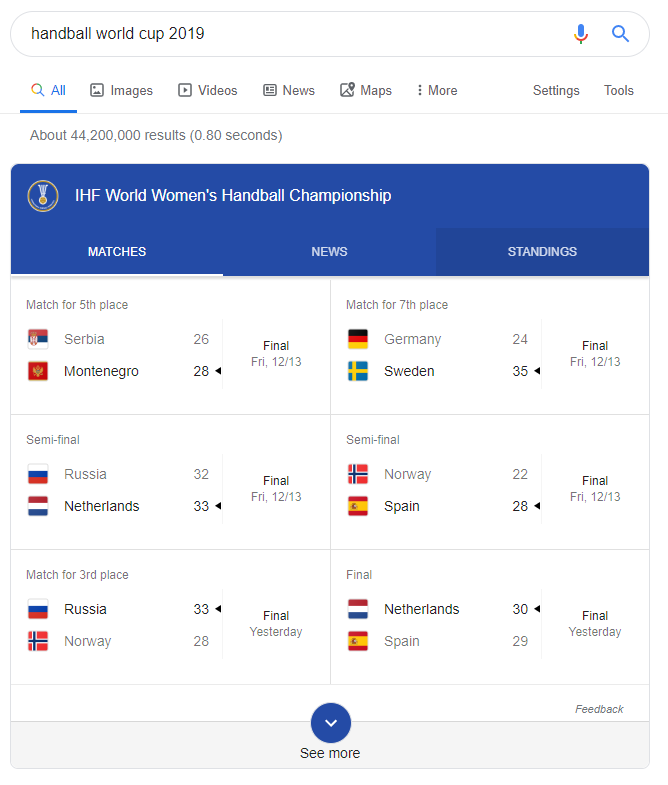
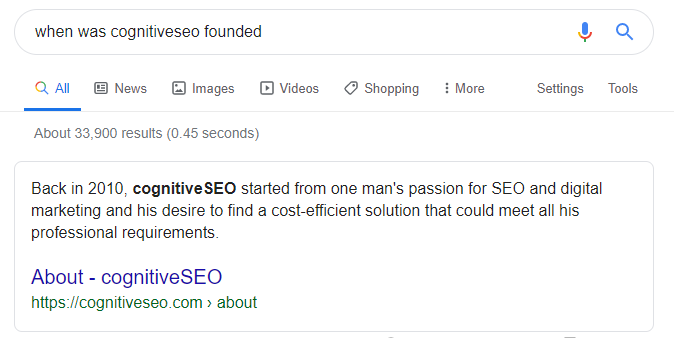
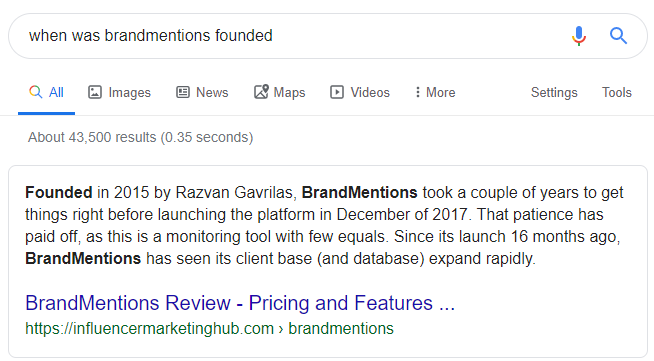
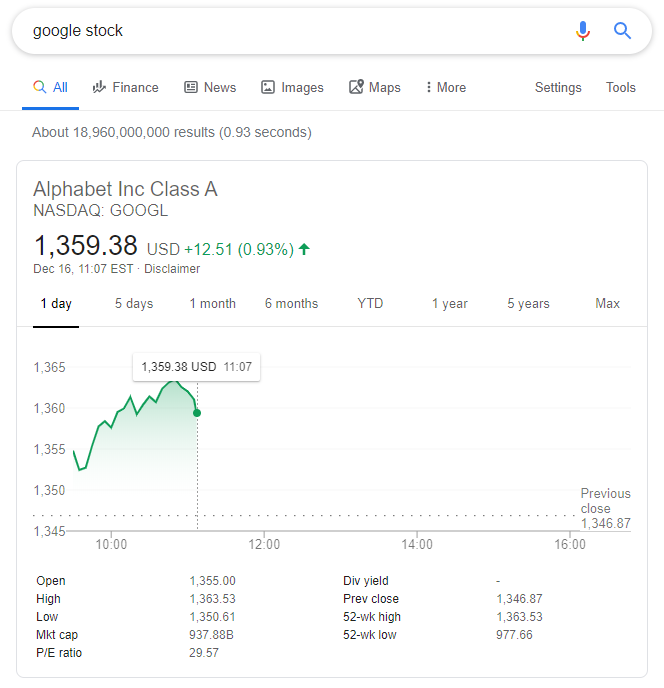
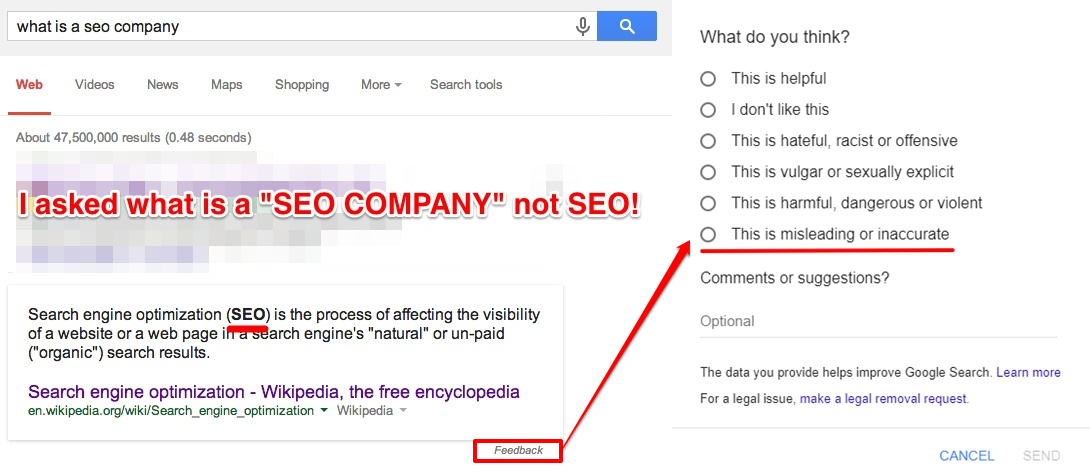
Google’s Answer Box, often referred to as a "featured snippet," is a specialized search result displayed prominently at the top of the SERP. Unlike standard organic results, these boxes provide users with an immediate, synthesized answer to their query without requiring a click through to a website.
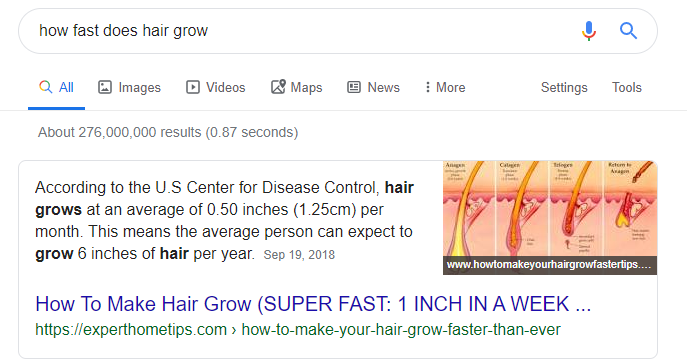
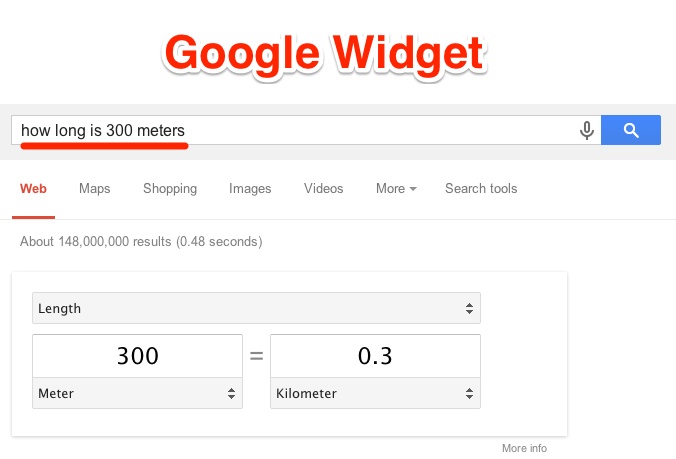
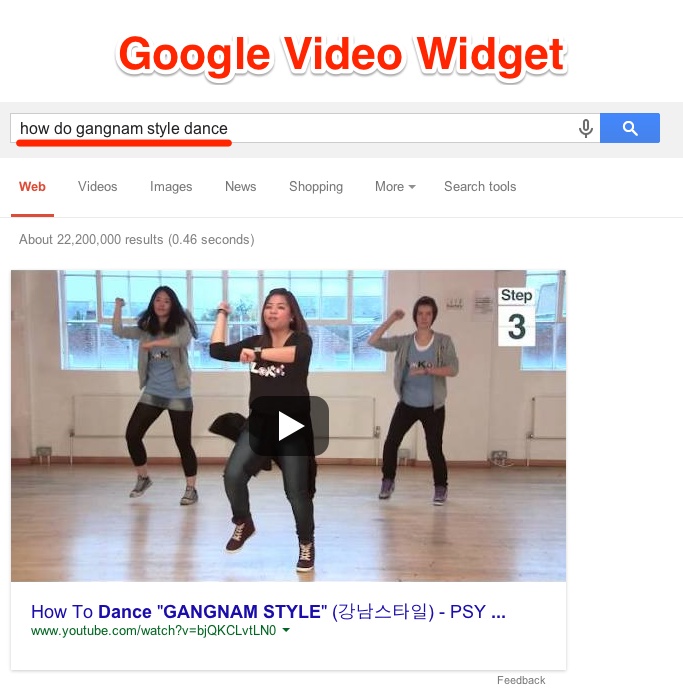
These features are powered by Google’s sophisticated Knowledge Graph and algorithms that scrape high-quality content to provide direct, context-aware answers. Whether a user asks "how fast does hair grow" or looks for a complex technical definition, the Answer Box acts as an oracle of information. It can contain text, bulleted lists, tables, images, or even integrated video clips.
From an SEO perspective, being featured here is a game-changer. It occupies a significant portion of the "above the fold" SERP landscape, effectively pushing competitors further down the page and signaling to the user that your site is the most trustworthy source of information for that specific intent.
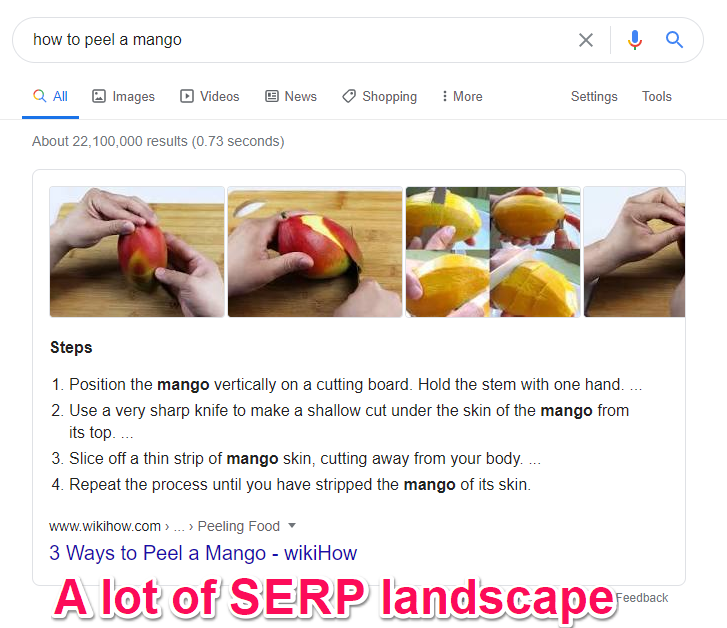
The Evolution of Search: From Snippets to AI Overviews
The search landscape of 2026 is vastly different from the one that existed a decade ago. While traditional Featured Snippets are still prevalent, Google has rapidly accelerated its transition toward AI-generated answers.
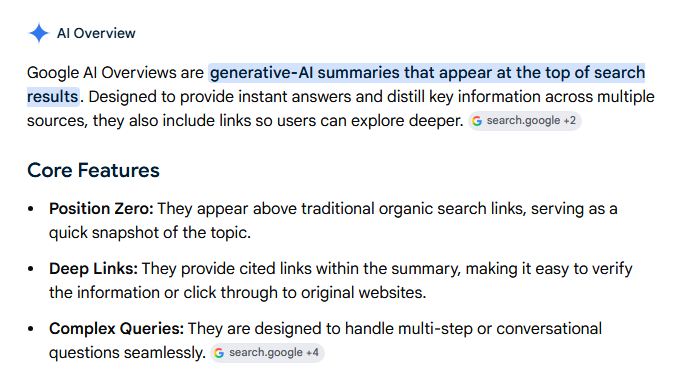
Today, users are increasingly turning to AI Overviews—conversational, synthesised responses generated by large language models that aggregate data from multiple sources. In this new era, traditional on-page SEO is no longer sufficient. AI systems do not just look at a single page; they evaluate the overall reputation, credibility, and "entity authority" of a brand.
If you want to be the source that AI systems reference, you must ensure your brand is consistently mentioned, reviewed, and discussed across third-party industry publications, social media, and forums. In 2026, SEO is less about "tricking" an algorithm and more about building a brand that is collectively recognized as an authority by the web itself.
Why Position Zero Matters
Why should businesses invest time in optimizing for Position Zero? The answer is simple: visibility and trust.
- Dominating the SERP Landscape: By securing the Answer Box, you effectively push competitors below the fold. You become the first point of contact for the user.
- Increased Authority: Being selected by Google to answer a question creates a psychological "halo effect," where users perceive your brand as the expert in your niche.
- High-Intent Traffic: While some users may be satisfied with the snippet alone, those who do click through are typically highly motivated, as they are looking for a more in-depth exploration of the topic you’ve just summarized.
In a world where ads and rich features crowd the SERP, Position Zero is often the only way to ensure your content is seen by the majority of your target audience.
How the Algorithm Decides: The Science of Extraction
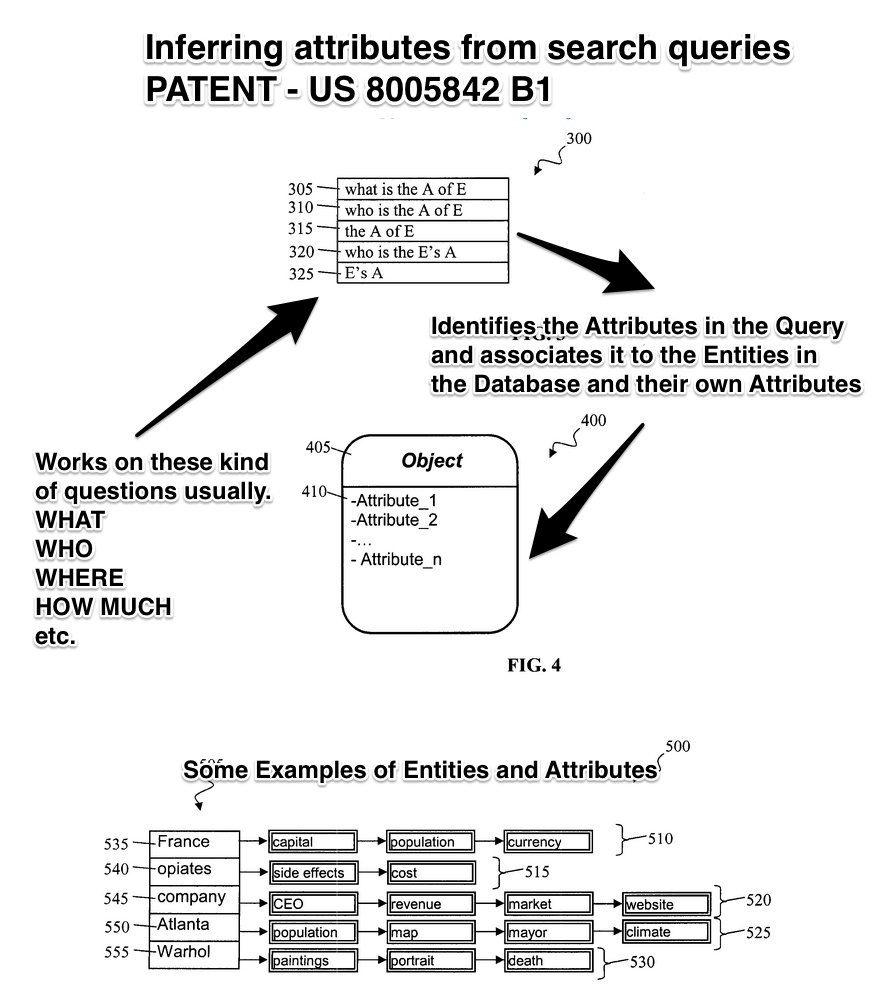
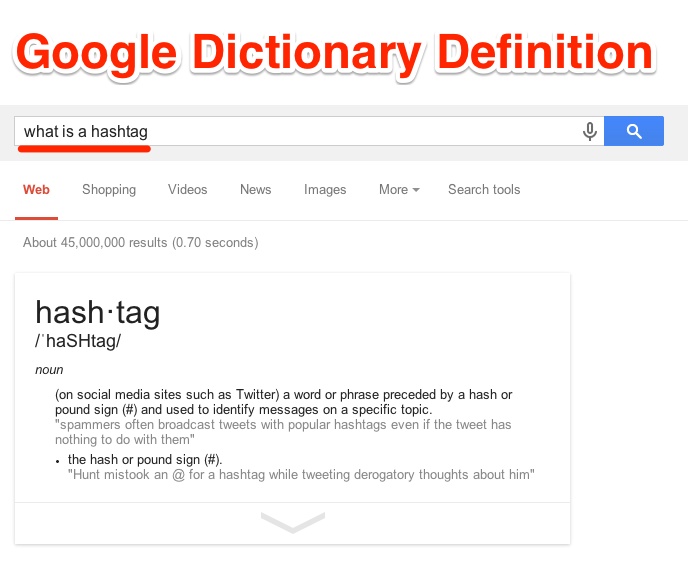
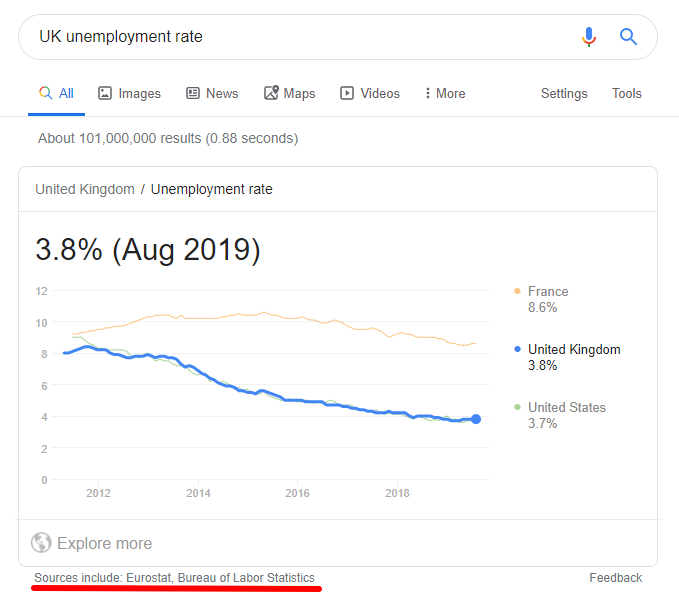
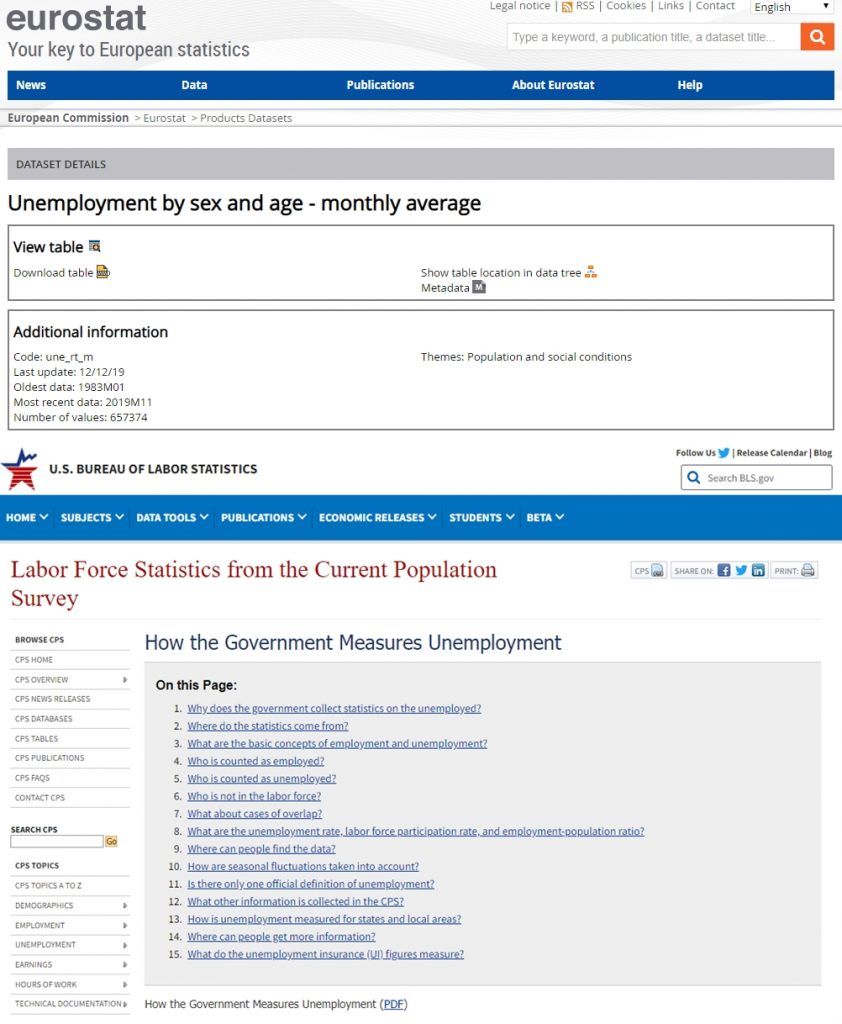
Google’s mechanism for selecting an answer is rooted in "Entity-Attribute" extraction. Google views a search query as a request for information about a specific "Entity" (e.g., a country, a celebrity, or a product) regarding a specific "Attribute" (e.g., GDP, birth date, or price).
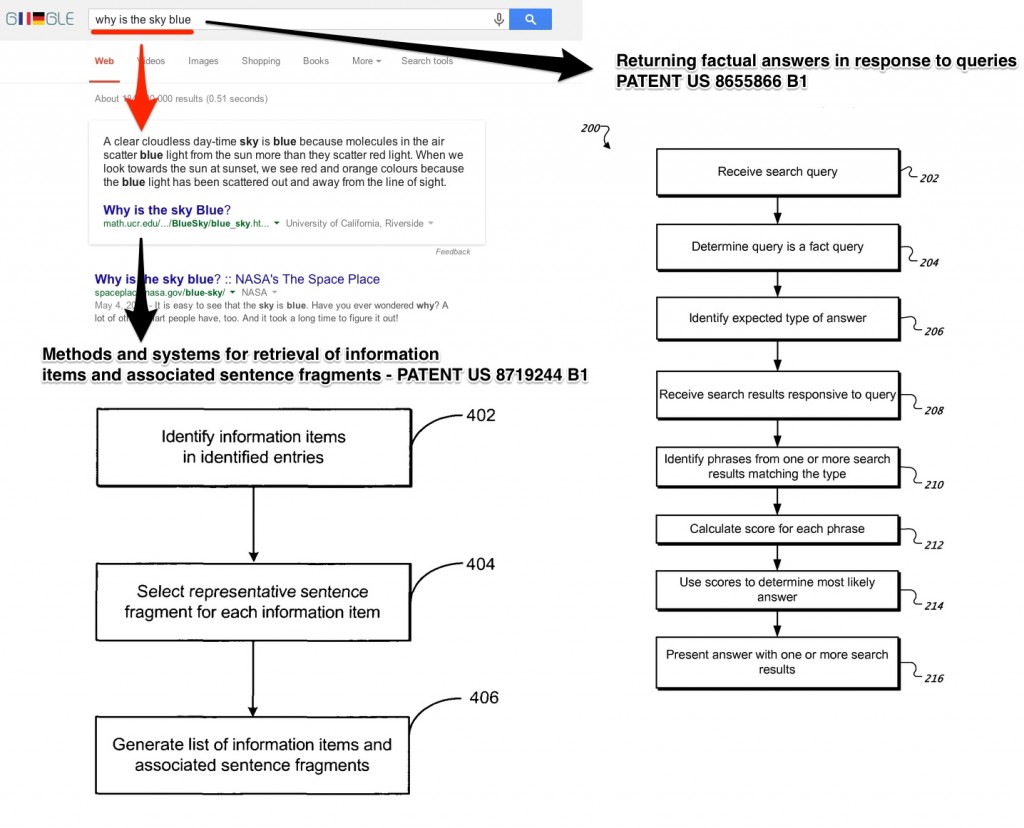
Google maintains a massive database of these entities. When a query is entered, the algorithm scans its index for the most authoritative and well-structured content that answers that specific "fact query." Research indicates that the highest-scoring results usually follow a pattern:
- Directness: The answer appears in the very first paragraph of the page.
- Structure: The content uses clear headers, bullet points, or numbered lists.
- Authority: The domain has a strong backlink profile and is recognized as an industry leader.
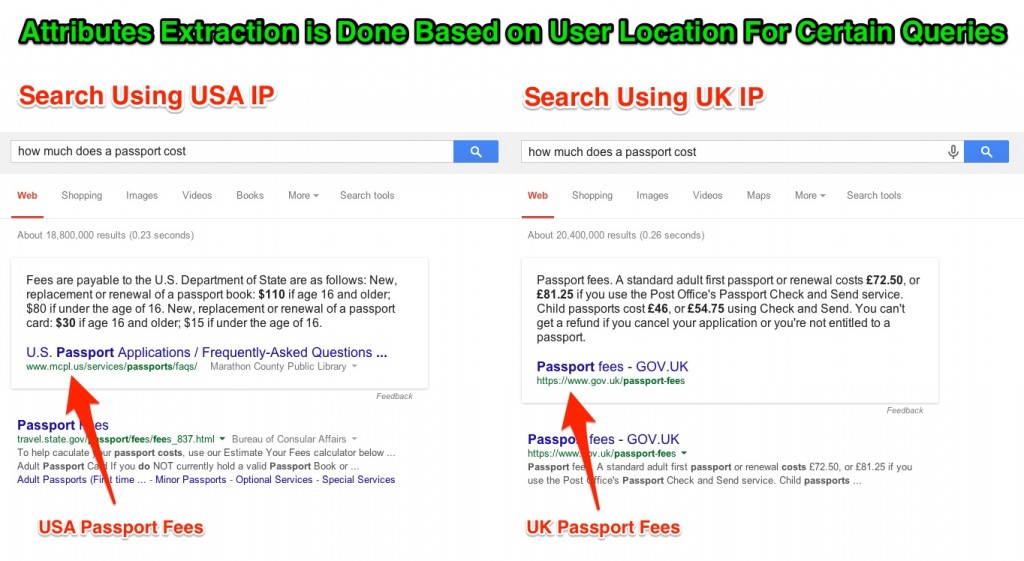
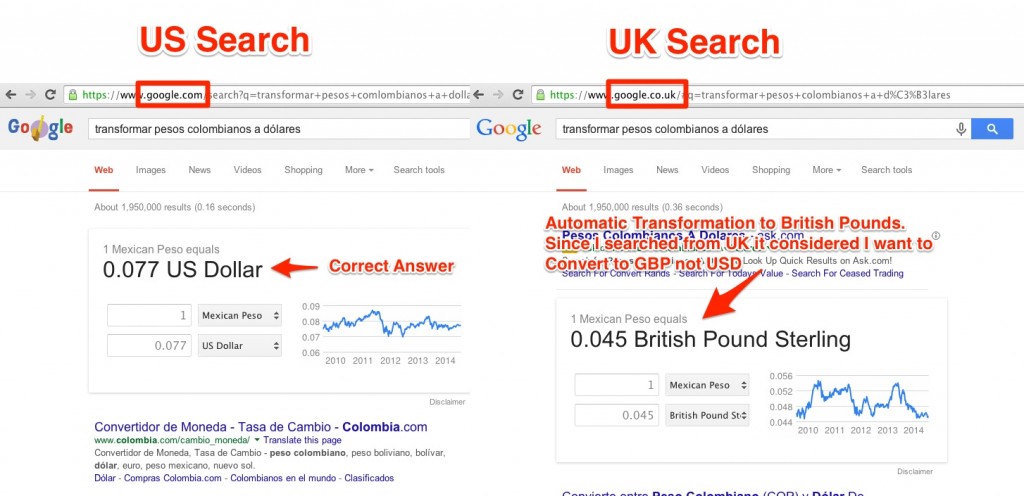
Additionally, Google’s algorithm is highly sensitive to user location and context. For instance, a search for "how much does a passport cost" will yield different results depending on whether the user is in the UK or the USA. Google is smart enough to serve local, relevant information, meaning your SEO strategy must be localized where appropriate.
Strategic Optimization: A Four-Step Guide
If you are ready to claim your spot in the Answer Box, follow this structured approach:
Step 1: Identify "Answer-Ready" Keywords
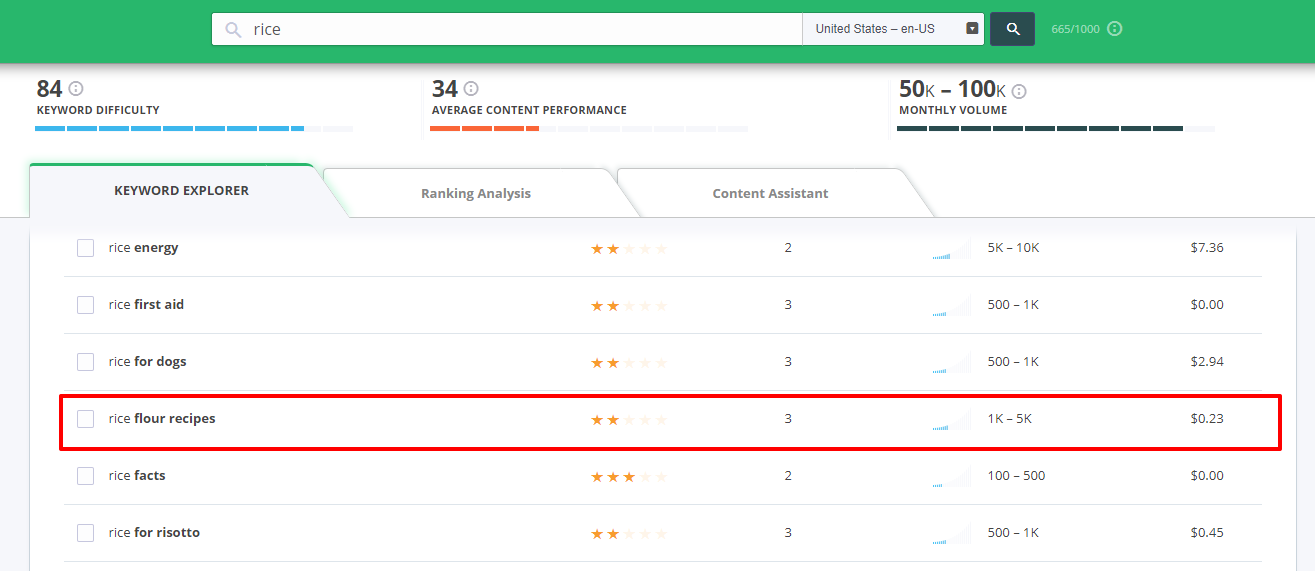
Not every keyword is meant for an Answer Box. Focus on queries that start with "what is," "how to," or "why." Use tools like a Keyword Explorer to identify high-volume, information-heavy queries that have a clear, direct answer. Avoid hyper-competitive head terms and focus on long-tail questions that your specific niche is uniquely qualified to answer.
Step 2: Segment Keywords by Current Relevance
Conduct an audit of your existing rankings. Look for keywords where you currently rank in the top 5 but aren’t yet in the Answer Box. These are your "low-hanging fruit." If you find that a competitor has an Answer Box but their information is outdated or thin, this is your opportunity to create a superior, more comprehensive piece of content that Google will favor as a replacement.
Step 3: Write for Structured Clarity
Google loves clean, logical content. Structure your articles with:
- H2/H3 headers that match the query phrasing.
- Short, punchy paragraphs (40–60 words) immediately following the header.
- Bulleted lists for steps or summaries.
- Schema Markup to help Google understand the content type (e.g., FAQ schema).
Step 4: Monitor and Refine
SEO is not a "set it and forget it" task. Use Google Search Console to monitor your CTR and average position for your target queries. A spike in CTR usually signals that you have earned a featured snippet or an AI mention. Continue to refine your content to ensure it remains the most up-to-date and comprehensive resource available.
Can You Advertise in the Answer Box?
A common question among marketers is whether they can pay to be in the Answer Box. The official stance from Google is clear: No.
Answer boxes are intended to be neutral, informational, and objective. Google does not sell this space because it is designed to provide the best user experience, not the most profitable one. However, brands can indirectly influence their presence by building a robust brand image. When a user sees your brand name consistently associated with an answer, it builds brand equity that pays dividends in organic traffic and conversions over the long term.
The Role of Topical Authority
Does every site have a chance to reach Position Zero? Generally, yes, but sites with "Topical Authority" have a distinct advantage.
If you are a medical blog, Google will favor you for health-related queries over a generic news site. If you are a financial institution, you will be favored for stock-market or banking queries. To build this authority, you must consistently produce deep, high-quality content that covers a subject from every possible angle. The more content you create on a specific topic, the more "clout" you gain in the eyes of Google’s algorithm, making it significantly more likely that you will be the source chosen for that topic’s Answer Boxes.
Conclusion
The pursuit of Position Zero is not merely about gaining a spot at the top of the SERP; it is about proving to the world’s most powerful search engine that your content is the definitive source of truth in your industry.
While the rise of AI Overviews has added a layer of complexity to the process, the core requirements remain the same: high-quality, well-structured, and authoritative content. By focusing on user intent, maintaining technical excellence, and fostering a strong, trusted digital presence, you can ensure that when Google looks for an answer, it looks to you. The SERP landscape will continue to evolve, but the brands that prioritize providing value to the user will always find themselves at the top.