





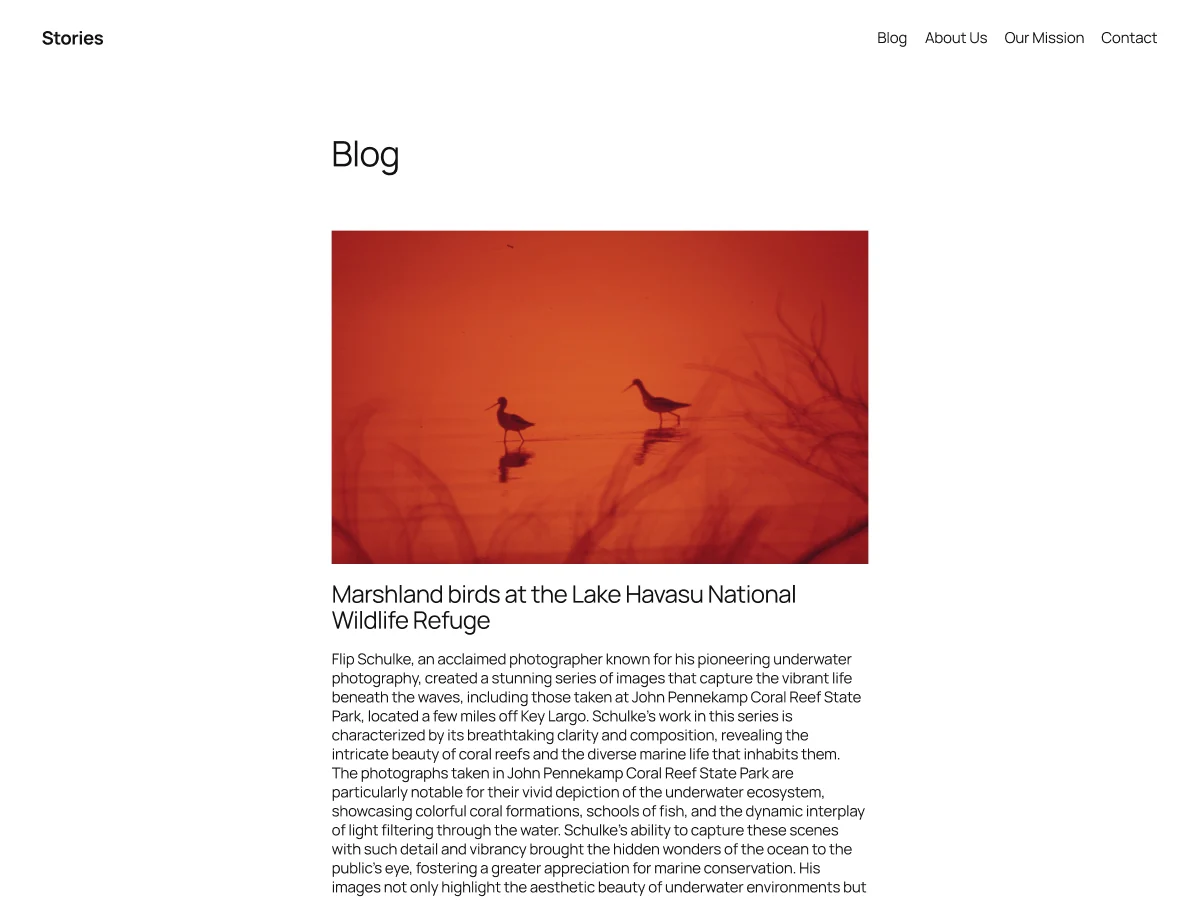
GLOBAL — In the ever-evolving ecosystem of content management systems, few releases generate as much anticipation as WordPress’s flagship default themes. Continuing a storied tradition of annual design innovations, the WordPress community has officially introduced Twenty Twenty-Five, the latest default theme engineered to power everything from personal journals to massive corporate networks.
Boasting an impressive milestone of over 1 million active installations right out of the gate, Twenty Twenty-Five is more than just a fresh coat of paint for the world’s most popular CMS. It represents a watershed moment for block-based web design, prioritizing universal accessibility, international typographic versatility, and a streamlined user experience that caters to creators of all technical backgrounds.
Developed and supported entirely by the global open-source community, this new flagship offering emphasizes adaptability without sacrificing minimalism. As digital creators look for cleaner, faster, and more intuitive ways to build web presence, Twenty Twenty-Five arrives as a robust, highly customizable toolkit designed to meet the demands of modern web publishing.
Main Facts: What Defines Twenty Twenty-Five?
At its core, Twenty Twenty-Five is built to be a chameleon of the digital landscape. It is designed around the principles of simplicity, flexibility, and profound adaptability, making it an ideal choice for a diverse array of web projects. Whether deployed for a minimalist personal blog, a dynamic online magazine, a high-converting landing page, or a sophisticated professional portfolio, the theme provides the structural integrity required for seamless execution.
Key Highlights and Technical Specifications:
- Massive Adoption: Crossing the 1 million active installations threshold almost immediately, the theme has proven its widespread appeal across the global WordPress user base.
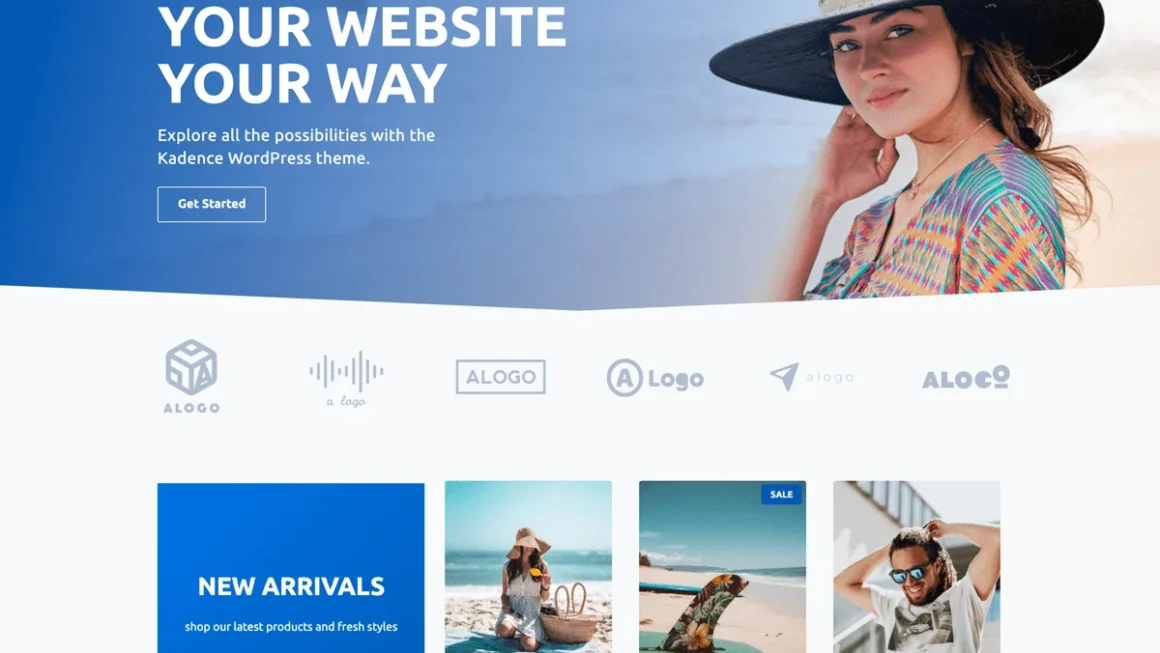
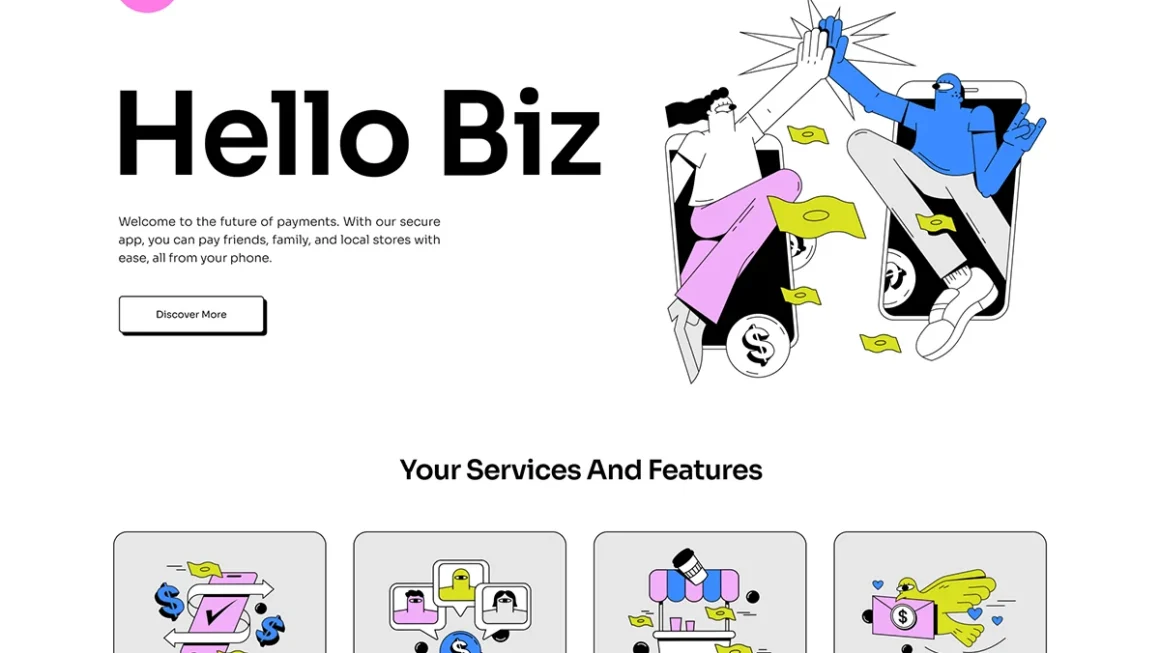
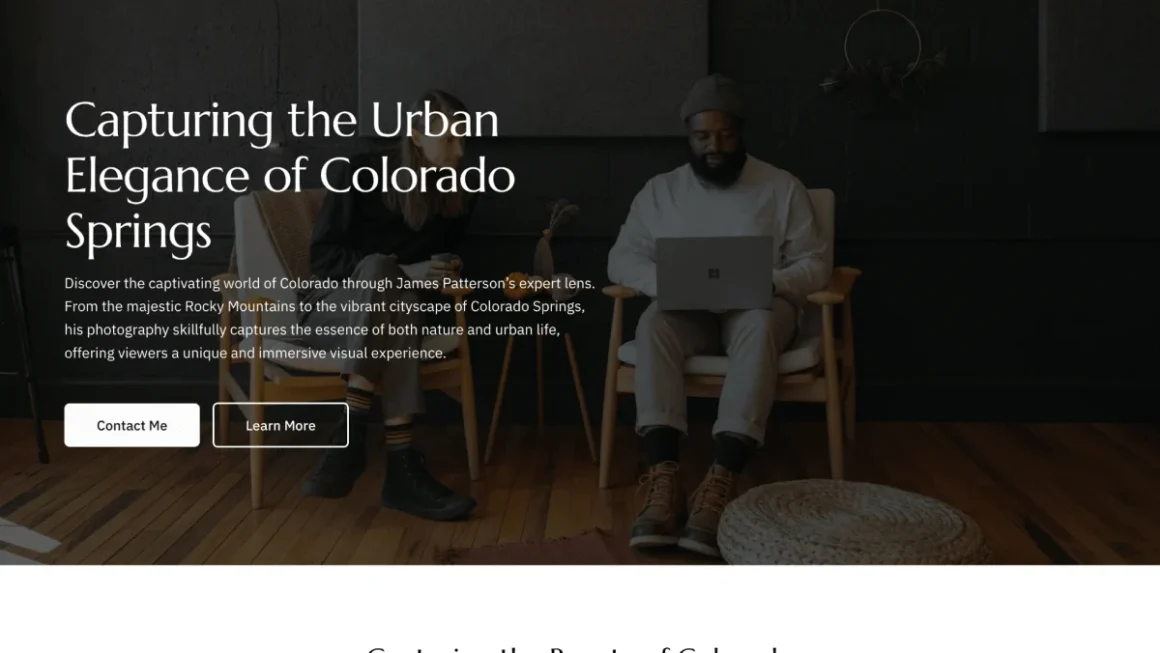
- Style Variations (16): The theme ships with 16 distinct style variations, allowing administrators to completely alter the aesthetic mood of their site with a single click.
- Full Site Editing (FSE) Native: Fully optimized for WordPress block themes, allowing deep customization of templates, template parts, and global styles without touching a line of code.
- Layout Versatility: Supports an expansive range of blog styles, seamlessly transitioning from text-heavy editorial layouts to bold, image-focused portfolios.
- Global Accessibility and Internationalization: Built from the ground up to be accessibility-ready, featuring robust support for RTL (Right-to-Left) languages and wide-ranging international typography.
Chronology: The Journey to Twenty Twenty-Five
The release of a default WordPress theme is never a hurried affair; rather, it is the culmination of months of rigorous planning, community collaboration, and iterative development within the Make WordPress Themes team.
Phase 1: Conceptualization and Community Ideation
Months prior to its launch, the WordPress community set out to design a theme that would embody "adaptability through simplicity." Unlike previous iterations that sometimes chased avant-garde design trends, Twenty Twenty-Five was conceived as a blank canvas—one rich enough to tell complex brand stories yet intuitive enough for a novice blogger. The core focus was placed on expanding the utility of WordPress block patterns, ensuring that site builders could assemble complex page layouts in minutes.
Phase 2: Beta Testing and Block Integration
As development progressed through GitHub and the WordPress Themes repository, contributors concentrated heavily on refining the Full Site Editing (FSE) experience. Rigorous testing went into ensuring that the 16 style variations interacted fluidly with custom color palettes and international typography standards. Accessibility audits were conducted concurrently to guarantee compliance with modern web standards, making sure that screen readers and assistive technologies could navigate the theme effortlessly.
Phase 3: Global Launch and Milestone Achievement
Upon its official rollout, Twenty Twenty-Five was integrated directly into the WordPress ecosystem, instantly becoming available to millions of sites worldwide. The adoption rate was swift and unprecedented, surging past 1 million active installations within a remarkably short window. Today, the theme continues to receive updates, community translations, and localized support across dozens of languages.
Supporting Data: By the Numbers
To truly understand the scale and reach of Twenty Twenty-Five, one must look at the quantitative metrics surrounding its deployment and community backing:
- Active Installations: 1,000,000+
- Included Style Variations: 16 unique visual presets
- Supported Languages: Available in over 40 distinct language packs—ranging from major global tongues like Spanish, French, German, and Mandarin, to regional dialects and RTL scripts like Arabic and Persian.
- Core Tag Ecosystem: Classified across nearly 20 official WordPress directory tags, including Accessibility Ready, Block Editor Patterns, Full Site Editing, Portfolio, News, and Custom Colors.
These numbers underscore a shift in how WordPress users interact with default themes. They are no longer viewed merely as placeholder templates to be immediately replaced by third-party themes, but rather as powerful, production-ready frameworks capable of sustaining enterprise-level traffic and intricate design requirements.
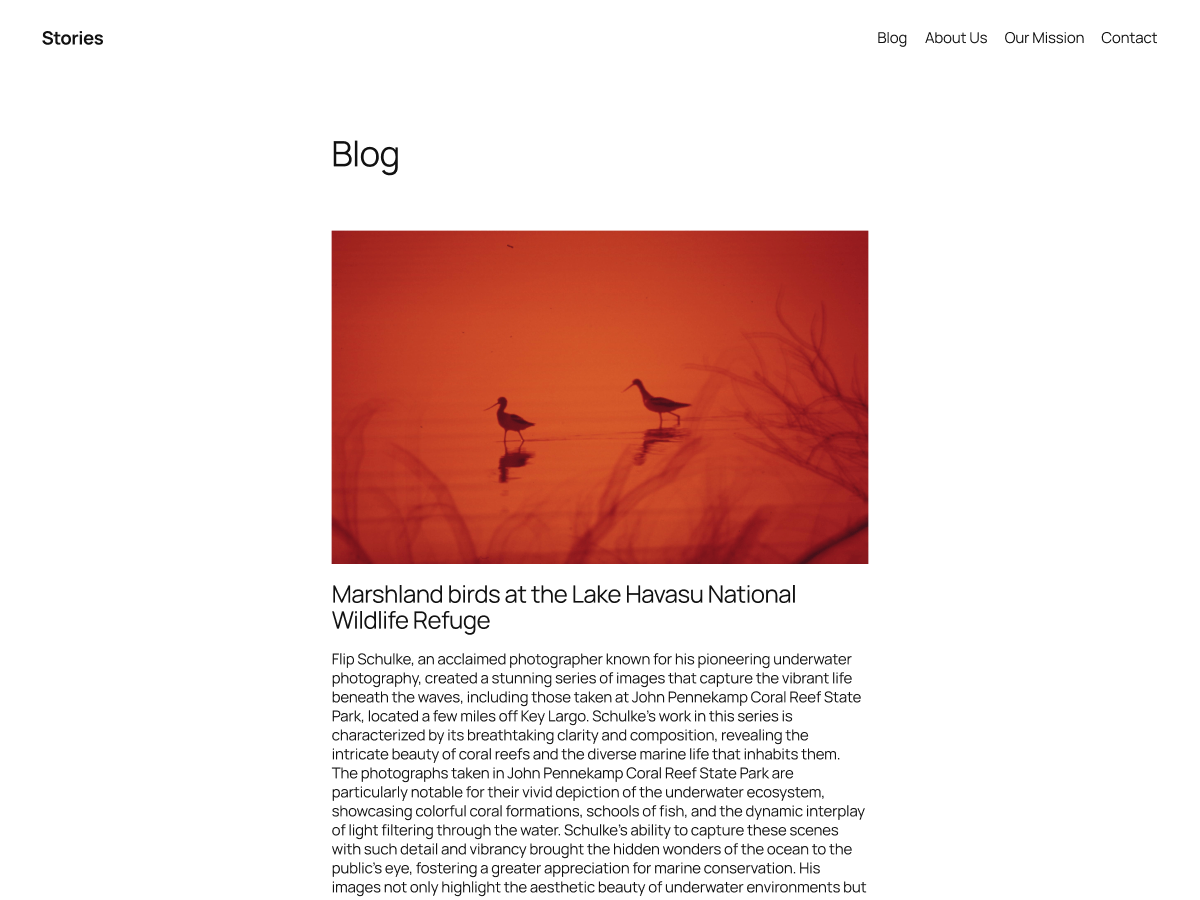
Official Responses and Community Perspectives
The reception from the open-source community, theme developers, and end-users has been overwhelmingly positive. Because Twenty Twenty-Five is a community-developed project, its success is a direct reflection of the collaborative spirit driving WordPress forward.
Lead developers and contributors have emphasized that the primary design philosophy of Twenty Twenty-Five was to "get out of the way of the content." In official community forums and development blogs, maintainers noted:
"Twenty Twenty-Five was built with the understanding that every website tells a story. By providing a clean, accessible, and deeply adaptable foundation, we are empowering creators—from independent journalists to international enterprises—to let their content take center stage without being bogged down by bloated code or rigid design constraints."
Support forums have also seen an influx of engagement, with users praising the seamless integration of block patterns and the ease with which the 16 style variations can be deployed to transform a site’s visual identity. Furthermore, translators from around the globe have rallied to ensure the theme is fully localized, bridging linguistic divides and reinforcing WordPress’s commitment to a truly global web.
Implications: What Twenty Twenty-Five Means for the Future of Web Development
The rapid adoption of Twenty Twenty-Five signals several critical trends in the broader web development and content management landscape:
1. The Maturation of Full Site Editing (FSE)
With each successive default theme, WordPress solidifies its transition from a traditional blogging platform to a fully realized visual site builder. Twenty Twenty-Five showcases the full potential of block-based architecture, proving that complex layouts, custom landing pages, and intricate editorial structures can be achieved natively without relying on heavy page-builder plugins.
2. Democratization of High-End Design
By bundling 16 diverse style variations and advanced typographic controls into a free, core-supported theme, WordPress continues to democratize web design. Small business owners, non-profits, and independent creators who lack the budget for bespoke agency designs now have access to enterprise-grade aesthetics out of the box.
3. Uncompromising Accessibility
As web accessibility standards (such as WCAG) become legally and ethically paramount, Twenty Twenty-Five’s "Accessibility Ready" tag sets a vital benchmark. By ensuring that semantic HTML, keyboard navigation, and screen-reader compatibility are baked into the default experience, WordPress is helping drive a more inclusive digital future.
Looking Ahead
As Twenty Twenty-Five continues to anchor millions of sites across the web, it serves as a testament to the power of open-source collaboration. It challenges developers to think simpler, build smarter, and design more inclusively—ensuring that the next generation of the web remains open, accessible, and endlessly adaptable.