



As of October 23, 2026, the mobile landscape has undergone its most significant shift in a decade. The iPhone Duo, Apple’s long-awaited entry into the foldable smartphone market, has officially arrived in the hands of consumers. Priced at a premium starting point of $1,999, the device represents a bold, if somewhat contentious, leap into a new form factor.
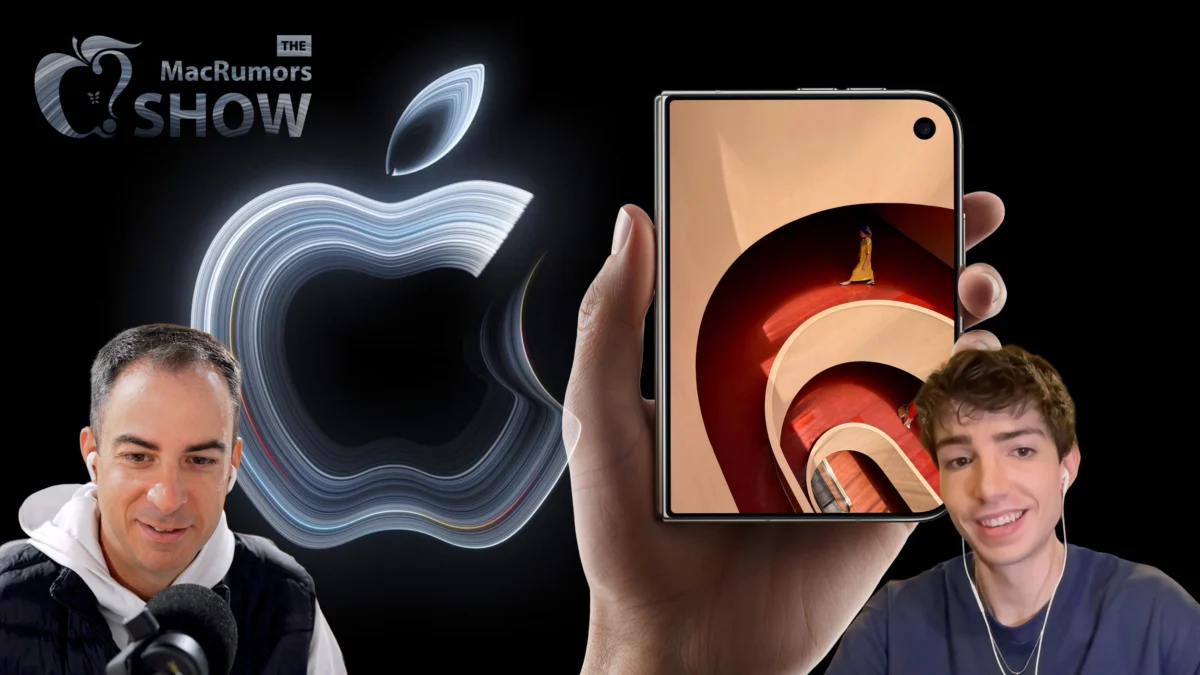
This week’s episode of The MacRumors Show dissects the immediate reception of this device, balancing the excitement of innovation against the harsh realities of first-generation hardware. Alongside this launch, anticipation is building for the upcoming "Pro and Tell" event on October 28, which promises to redefine the MacBook Pro lineup with long-rumored touchscreen integration.
Main Facts: The iPhone Duo in Focus
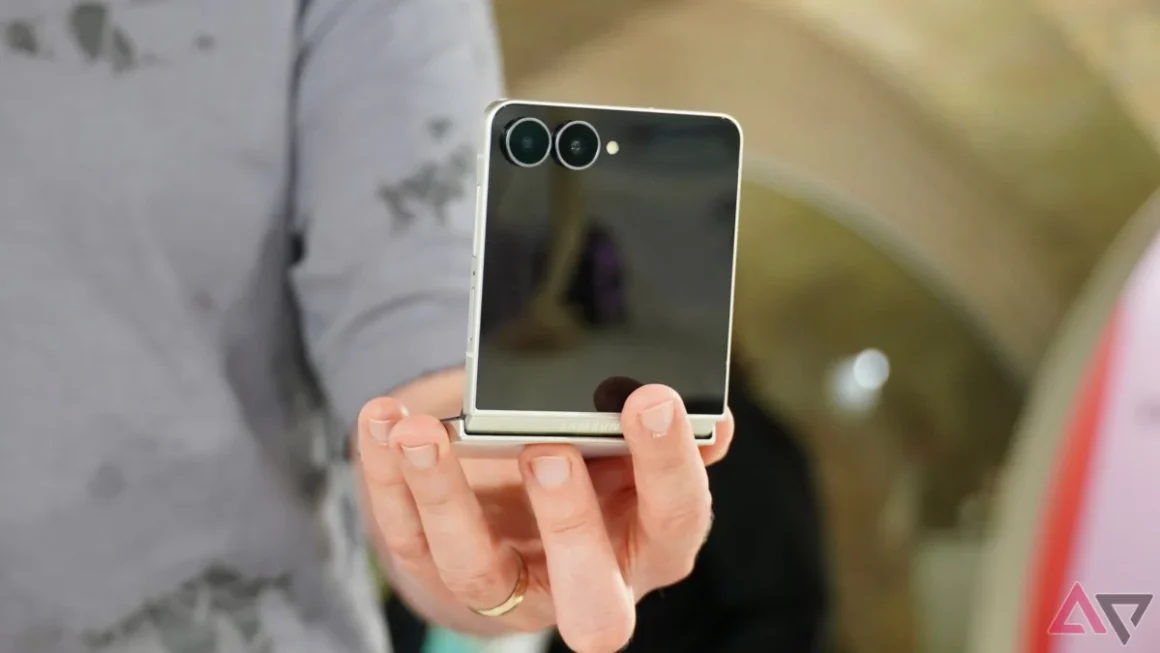
The iPhone Duo is not merely a new phone; it is a fundamental reimagining of the iPhone’s utility. When folded, it functions as a compact device with a 5.4-inch outer display. When opened, it reveals a 7.6-inch inner canvas, designed for power users who demand more screen real estate for multitasking, media consumption, and creative workflows.
Hardware Specifications and Design
- Form Factor: A sophisticated folding mechanism that transitions between a standard smartphone size and a tablet-like experience.
- Displays: The matte inner display is the device’s crowning achievement, specifically engineered to mitigate the "crease" that has plagued competitors. By reducing glare and tactile disruption, it offers a refined experience for reading and photo editing.
- Performance: Built on the latest Apple Silicon architecture, the Duo delivers high-end performance consistent with Apple’s Pro-tier devices.
The Compromises
Despite the engineering marvel, the device is not without its detractors. Critics have pointed to several "first-generation" hurdles:
- Software Inconsistency: Many third-party applications remain unoptimized, leading to wasted screen space or awkward scaling.
- The Camera Gap: Perhaps most notably, the camera system does not currently match the industry-leading standards found in the standard iPhone Pro models, a bitter pill to swallow for a device costing $1,999.
- Ergonomics: The increased width and weight of the device have sparked debate regarding one-handed usability. For many, the outer display feels restrictive, yet the inner display is too cumbersome for quick, on-the-go interactions.
Chronology of a High-Stakes Launch
The road to the iPhone Duo’s release was paved with intense speculation and supply chain warnings.
- October 17, 2026: Reports surfaced that Apple retail staff were explicitly instructed to discourage walk-in customers from attempting to purchase the device on launch day. The message was clear: supply was strictly allocated for pre-orders.
- October 20, 2026: The App Store updated its interface, revealing how native Apple apps appear on the unfolded Duo display. This provided the first real-world glimpse of how Apple intends to handle landscape-oriented multitasking.
- October 20, 2026 (The Controversy): Mark Gurman of Bloomberg characterized the launch strategy as a "major mistake." He highlighted that Apple was fully aware of severe manufacturing constraints but proceeded with pre-orders regardless, leading to significant consumer frustration and a lack of floor stock.
- October 23, 2026: The device officially hits the market. Simultaneously, Apple celebrates the 25th anniversary of the original iPod, a stark reminder of how far the company has traveled since the launch of its first portable digital music player in 2001.
Supporting Data and User Experience
In our own "first 24 hours" hands-on testing, the duality of the iPhone Duo became immediately apparent. The device is a masterpiece of hardware engineering, yet it highlights a disconnect between Apple’s hardware ambition and its current software ecosystem.
The Multitasking Argument
The primary justification for the $1,999 price tag is the ability to run applications side-by-side. For users who juggle email, Slack, and document editing, the 7.6-inch display is a game changer. However, this utility is gated by how well an app is coded to support the transition from the outer screen to the inner display. When it works, it is fluid; when it fails, it serves as a reminder that Apple is still finding its footing in the foldable space.
The "Touch ID" Regression
In a move that surprised many, the inclusion of a form of Touch ID (integrated into the power button or display) suggests that Apple recognizes the logistical difficulty of using Face ID while unfolding the device. For long-time iPhone users, this return to biometric fingerprint authentication requires a significant adjustment period.
Looking Ahead: The "Pro and Tell" Experience
While the world digests the iPhone Duo, Apple is already pivoting to its next major event: the "Pro and Tell" presentation scheduled for October 28 in Los Angeles. This event is expected to be a watershed moment for the Mac lineup.
The Touchscreen MacBook Pro
For years, Apple maintained that touchscreens on laptops were ergonomically unsound. With the upcoming 14-inch and 16-inch MacBook Pros, that narrative is being rewritten.
- The Technology: These models are expected to feature OLED displays, offering deeper blacks and higher contrast ratios.
- The Hardware: The chassis is rumored to be thinner and lighter, reinforced specifically to handle the physical pressure of touch input.
- The Design: A long-awaited feature, the "notch," is expected to be replaced by the Dynamic Island, creating a more cohesive design language across the entire Apple ecosystem.
- Performance: Powered by M5 Pro and M5 Max chips, these machines are clearly positioned for creative professionals who need both power and new, tactile interaction methods.
The iPad Mini and Beyond
Beyond the Mac, we expect a refresh of the iPad mini. Featuring the A20 Pro chip and a landscape-oriented front camera, this update addresses common complaints regarding video conferencing and processing overhead. The addition of water resistance would also mark a significant durability upgrade for the portable tablet, making it a more viable device for field work.
Implications for the Apple Ecosystem
The release of the iPhone Duo and the impending touchscreen MacBooks suggest a company in a state of rapid experimentation. Apple is no longer content with iterative updates; they are aggressively testing which form factors resonate with a market that has grown stagnant.
The Developer Challenge
The primary implication of these launches is the increased pressure on developers. With the introduction of foldables and potentially touch-enabled macOS apps, the "universal app" strategy is becoming more complex. Developers must now optimize for standard screens, foldable screens, and desktop-class touch interfaces.
The Price of Innovation
With the iPhone Duo’s $1,999 price tag, Apple is signaling that these new form factors are luxury items. They are intended for early adopters and power users, not the mass market. The long-term success of the Duo will depend not on its hardware prowess—which is already high—but on whether Apple can refine the software experience to make these "compromises" disappear in future iterations.
A Legacy of Change
As we look back at the 25th anniversary of the iPod, it is worth noting that Apple’s greatest successes often come from products that were initially met with skepticism. The iPod was criticized for its lack of CD support; the original iPhone was mocked for its lack of a physical keyboard. The iPhone Duo is currently walking that same path of initial doubt. Whether it becomes the next defining product in the Apple catalog or a footnote in the company’s history will be decided in the coming months as software updates and hardware revisions begin to smooth the rough edges.
For more in-depth analysis of the iPhone Duo, including our full review and the latest updates on the upcoming "Pro and Tell" event, stay tuned to The MacRumors Show. We invite you to subscribe on Apple Podcasts, Spotify, or your preferred podcast player. Join the conversation on the MacRumors forums or reach out to us at [email protected] with your thoughts on the future of Apple hardware.