




Executive Summary: A Measured Step Back
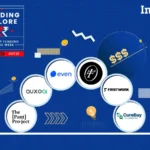
The Indian startup ecosystem witnessed a period of cooling during the third week of October 2026. Data aggregated between October 19 and October 23 indicates that 17 startups successfully secured funding, aggregating a total of over $184 million. This performance represents a noticeable 22% decline compared to the $236.2 million raised during the previous week. Furthermore, the volume of deals also experienced a contraction, sliding 32% from the 25 funding events recorded in the prior seven-day window.
Despite the quantitative dip, the qualitative nature of the capital inflow remains robust, with significant interest concentrated in high-growth sectors such as Artificial Intelligence (AI) and HealthTech. These sectors continue to be the primary engines driving venture capital momentum, even as broader macroeconomic indicators suggest that investors are adopting a more discerning and strategic approach to capital deployment.
The Funding Landscape: Sectoral Breakdown and Performance
The investment landscape this week was characterized by a clear preference for deep-tech and high-impact infrastructure solutions. AI startups dominated the charts, accounting for $93.9 million across six distinct deals, representing over 50% of the week’s total funding value. HealthTech followed closely behind, securing $60.6 million across two major transactions, underscoring the growing investor appetite for tech-enabled clinical healthcare solutions in the Indian market.
AI: The Undisputed Frontrunner
The surge in AI funding highlights the rapid maturation of India’s AI application layer. Notable players like Different ($48 million) and AuxoAI ($20.7 million) secured significant capital, signaling that venture capitalists are placing aggressive bets on the B2B SaaS and AI infrastructure space. This trend suggests that the Indian startup narrative is shifting from consumer-facing digital transformation to sophisticated, enterprise-grade AI integration.
HealthTech: Clinical Precision
The HealthTech sector continues to be a cornerstone of investor interest. Even Health’s $50 million Series B round, led by Khosla Ventures and Alpha Wave, stands out as the largest single deal of the week. This influx of capital into the in-clinic healthcare subsector reflects a post-pandemic shift toward hybrid, technology-integrated physical medical services.
Chronological Analysis of Funding Events (Oct 19–23)
The week’s funding activity began with a flurry of activity and sustained momentum through the mid-week point before tapering off slightly toward the weekend.
Monday, October 19: Setting the Tone
The week opened with massive momentum. Even Health anchored the day with its $50 million Series B funding. Simultaneously, The Pant Project secured $11.5 million to expand its D2C footprint, and Hunar closed a $4.2 million round backed by Blume Ventures and notable angel investors, including PhysicsWallah’s founders. These early-week deals demonstrated that both late-stage and early-stage capital remained accessible for companies with strong growth metrics.
Tuesday, October 20 – Wednesday, October 21: Deep Tech and Strategic Expansion
Mid-week saw a heavy focus on B2B AI applications. AuxoAI’s $20.7 million Series A round on October 21 underscored the global investor interest in Indian AI talent. Logistics startup RAAHO also made headlines with its Pre-Series A round, signaling a continued interest in the unorganized but vital logistics shipping and delivery space.
Thursday, October 22 – Friday, October 23: Diversification and Emerging Tech
The latter half of the week featured a diverse mix of investments. Different’s $48 million seed round on October 22 highlighted the massive scale at which AI startups are now operating from their inception. The week concluded with specialized tech investments, including Paar Autonomy ($1 million in Defense Tech) and SpectraGaze Systems ($389K in Space Tech), reflecting the government’s "Make in India" push and the growing viability of the Indian space-tech ecosystem.
Supporting Data: Investor Activity and Market Trends
A key takeaway from the data is the role of institutional investors and venture debt firms in sustaining the momentum.

- Most Active Investors: Trifecta Capital and Blume Ventures emerged as the most active participants this week, each backing two startups. The involvement of venture debt firms like Trifecta suggests that startups are increasingly looking to optimize their capital structures, blending equity with debt to minimize dilution while fueling operations.
- The Rise of Syndicate Funding: The diversity of investors—ranging from marquee names like General Catalyst and Lightspeed to family offices and individual angel investors—indicates a healthy, multi-layered funding ecosystem.
Funding Round Breakdown
| Sector | Total Funding ($ Mn) | Number of Deals |
|---|---|---|
| AI | $93.9 | 6 |
| HealthTech | $60.6 | 2 |
| Ecommerce (D2C) | $19.1 | 3 |
| Other (Travel, Logistics, Hardware) | $10.4 | 6 |
(Note: Certain deals included a mix of equity and debt, indicating a cautious approach toward pure equity-based valuation.)
Official Responses and Market Perspectives
While official press releases were limited, investor behavior across the week offers a clear insight into the current market sentiment. Analysts note that while the total funding volume saw a dip, the average ticket size for high-potential AI ventures remains strong.
Investors participating in rounds for companies like Different and AuxoAI emphasized the "application layer" potential of Indian AI firms, suggesting that the current wave of funding is less about speculative research and more about tangible, revenue-generating B2B products. Furthermore, the involvement of established names like Flipkart in the travel-tech space (investing in TravClan) points toward a trend of strategic investments where industry giants are acquiring or backing startups to gain a competitive edge in their respective verticals.
Implications: What This Means for the Indian Startup Ecosystem
1. Quality Over Quantity
The 32% decline in deal count coupled with a smaller 22% decline in total value suggests that investors are focusing on fewer, higher-quality startups. We are witnessing a shift from "growth at all costs" to "profitable growth," where companies with strong business models, particularly in AI and HealthTech, continue to attract capital while others face a more challenging fundraising environment.
2. The AI "Super-Cycle"
The overwhelming dominance of AI in this week’s funding report is not an anomaly but a reflection of a broader global trend. India is positioning itself as a primary hub for AI application, moving beyond basic service-based models to become a product-led AI powerhouse. This is evidenced by the diverse range of investors, including US-based venture capital firms, which suggests that Indian startups are increasingly viewed as global contenders.
3. Resilience of D2C and Consumer Tech
Despite the focus on AI, D2C brands like The Pant Project and Chapter Homes continue to thrive. This confirms that India’s domestic consumption story remains a pillar of the startup economy. However, these brands are now under pressure to prove operational efficiency, with investors favoring companies that show a clear path to unit economics and sustainable scaling.
4. The Need for Diversification
The emergence of Defense and Space Tech (Paar Autonomy and SpectraGaze) serves as a reminder that the Indian ecosystem is maturing. As the tech landscape evolves, we expect to see more capital flowing into "Deep Tech" and "Hard Tech," moving the ecosystem away from pure software plays into industries that require significant physical infrastructure and R&D.
Looking Ahead
As we move into the final quarter of 2026, the startup ecosystem is likely to see a continued emphasis on disciplined spending. The data from October 19–23 suggests that while the "easy money" era has definitively ended, the "smart money" era is well underway. Startups that can successfully integrate AI to drive B2B efficiencies or solve fundamental problems in the Indian healthcare and logistics sectors will continue to find support.
Investors remain cautious but active, and the upcoming months will be critical in determining whether the current cooling trend is a sign of a deeper slowdown or merely a necessary correction to build a more sustainable and resilient startup foundation for the years to come. For founders, the message is clear: focus on robust fundamentals, clear product-market fit, and the ability to leverage technology to solve real-world problems. The capital is available for those who can demonstrate value in a changing, more demanding market environment.