





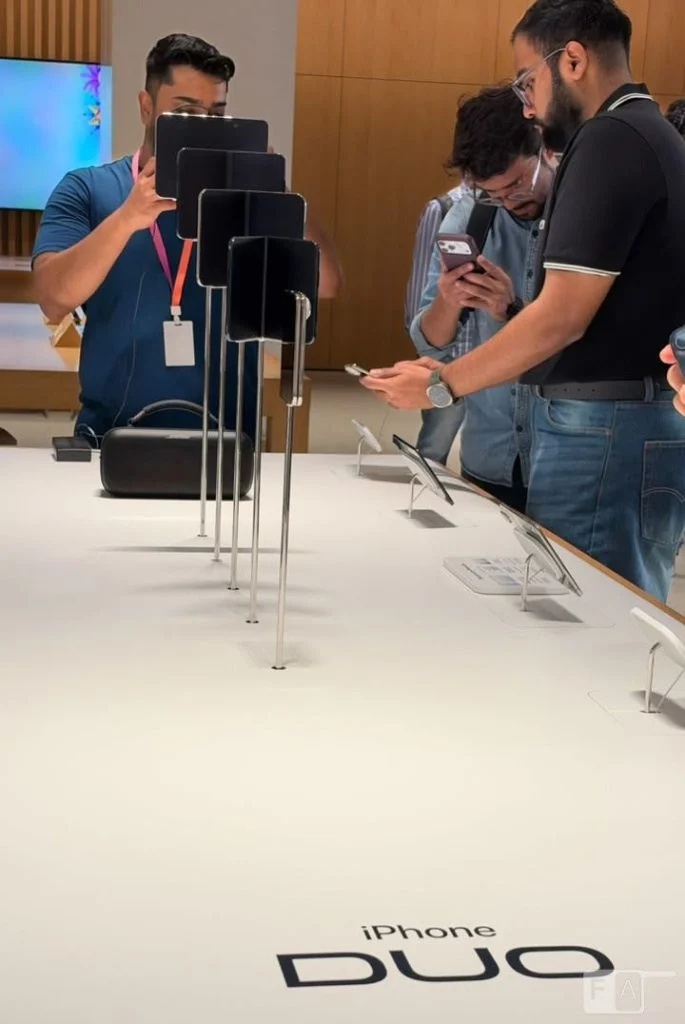
The landscape of mobile innovation shifted permanently this week as Apple officially commenced retail availability for the iPhone Duo, the company’s highly anticipated foray into the foldable smartphone market. Following a global announcement last month and the initiation of pre-orders on October 16, the device has finally landed in the hands of Indian consumers.
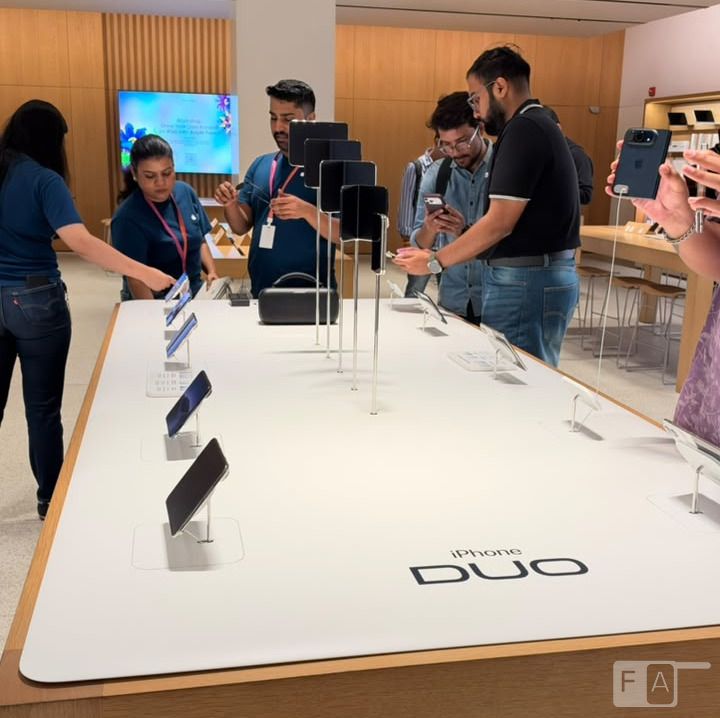
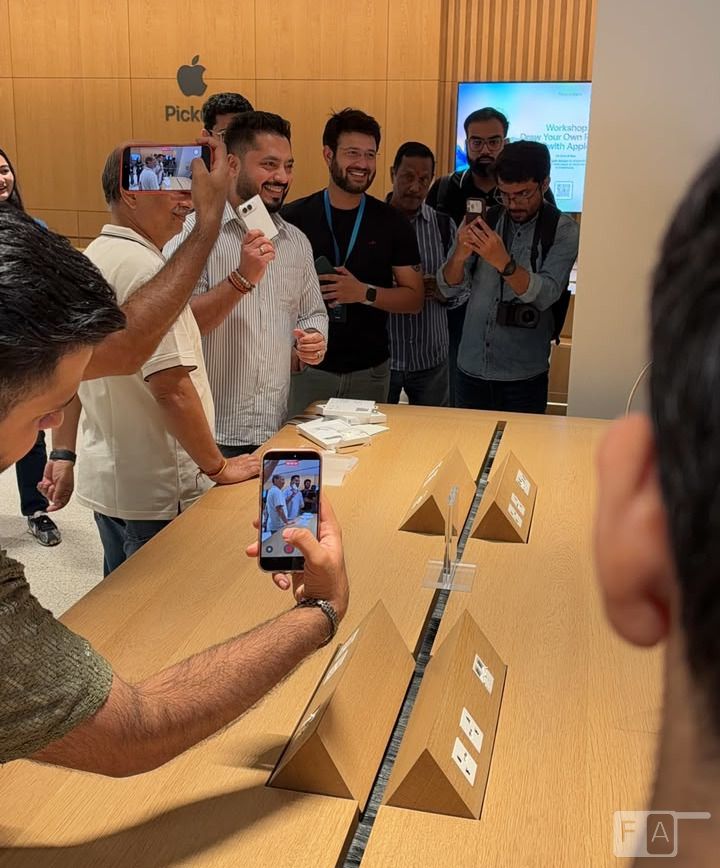
The launch, characterized by a mix of high-energy excitement and a strictly controlled digital-first retail strategy, marks a pivotal moment for Apple’s hardware division. At the Apple Saket store in New Delhi, the atmosphere was electric, with early adopters and tech enthusiasts queuing to get their first tactile experience with the device that aims to redefine the foldable category.
The Main Facts: A New Chapter in Cupertino’s Design Language
The iPhone Duo represents more than just a hardware refresh; it is a calculated entry into a premium segment that has been dominated by competitors for years. Apple has opted for a sophisticated approach, focusing on a refined hinge mechanism and a seamless software integration that distinguishes the Duo from its foldable predecessors.
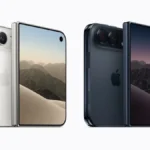
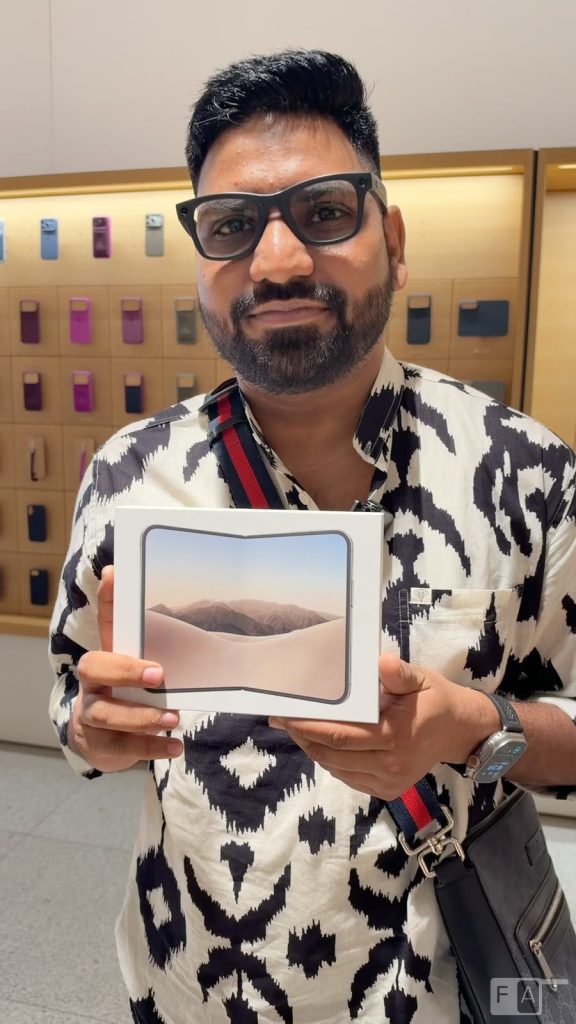
The device is available in two striking colorways: Star White and Night Sky. Recognizing the needs of professional power users, Apple has rolled out a comprehensive range of storage capacities, starting at 256GB and scaling up to a massive 2TB, ensuring that the device serves as a primary hub for creative workflows and high-end multimedia consumption.
However, the launch has not been without its hurdles. Due to unprecedented global demand, Apple has been forced to adjust its shipping timelines. Current orders placed via the official website and the Apple Store app are experiencing significant fulfillment delays, with delivery dates currently pushed to January 2027—a three-month lead time that underscores the sheer scale of the interest surrounding this device.
Chronology of the Launch
To understand the scale of this release, one must look at the timeline of events leading up to the retail rollout:
- September 2026: Initial global unveiling of the iPhone Duo, setting the stage for a new era of foldable Apple devices.
- October 16, 2026: Pre-orders officially opened, triggering an immediate surge in traffic across Apple’s digital storefronts.
- Late October 2026: Retail arrival in India. Apple Saket in Delhi served as the flagship location for the first wave of in-store handovers.
- Present Day: Ongoing digital-first fulfillment, with retail locations operating as experience hubs rather than traditional point-of-sale storefronts for this specific model.
Retail Strategy: The "Online-First" Paradigm
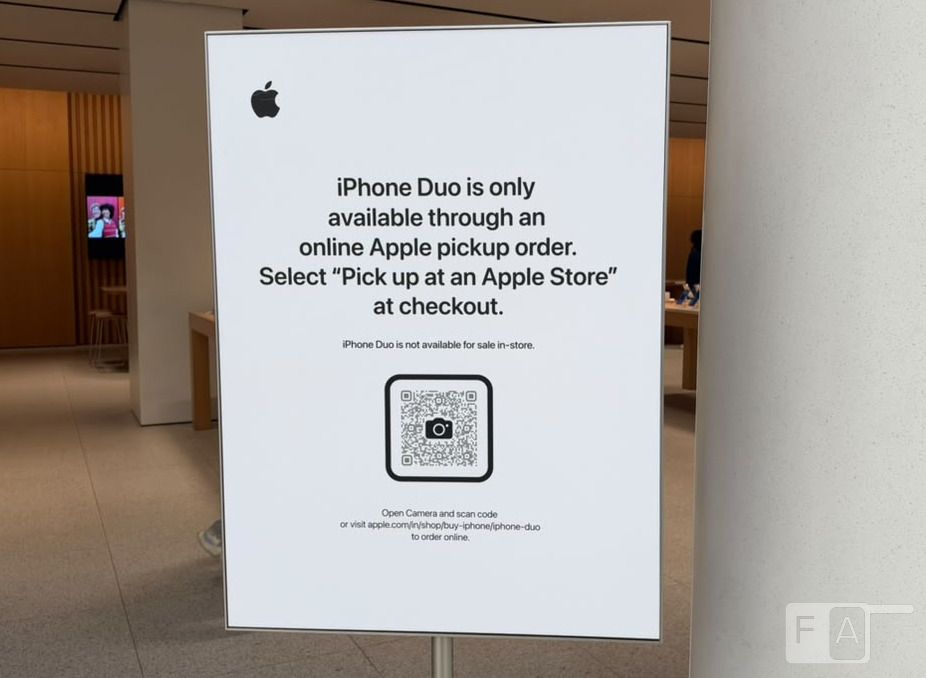
Perhaps the most interesting aspect of the iPhone Duo’s launch is the retail strategy employed by Apple. In a deliberate departure from the traditional "walk-in and buy" model, the company has implemented a strictly enforced online-pickup protocol.
The Digital Gatekeeper
Signage throughout the Apple Saket location clearly communicated the new mandate: “iPhone Duo is only available through an online Apple pickup order.” Prospective buyers who arrived at the store expecting to walk out with a device in hand were instead guided by store staff to use on-site QR codes. This redirected customers to the Apple online platform, where they were required to complete the purchase and schedule a specific time for an in-store handover.
The Experience Hub
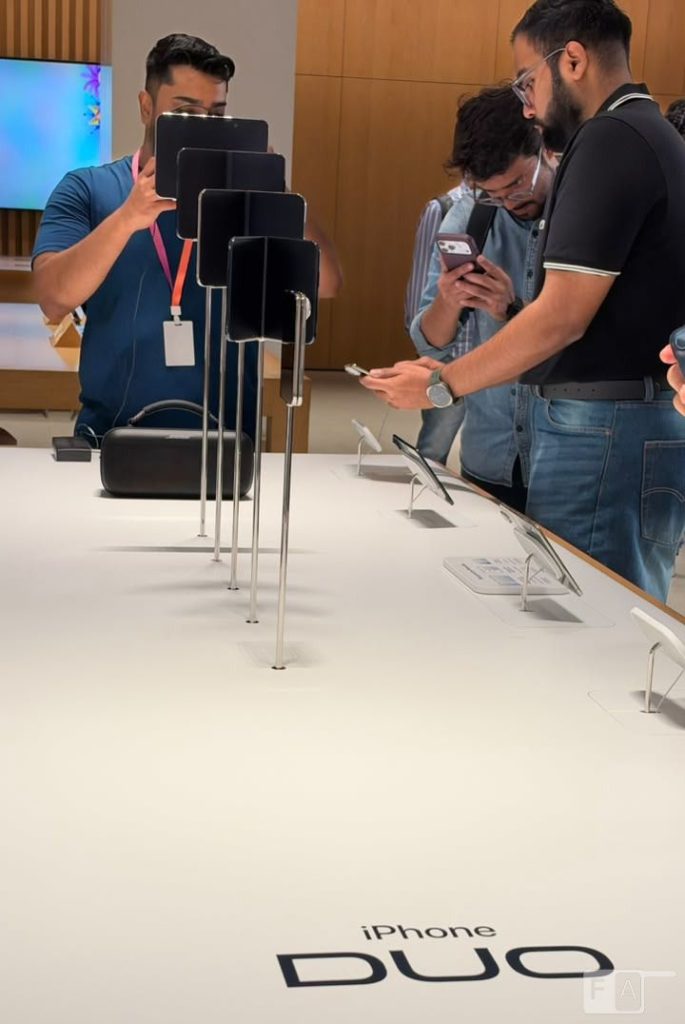
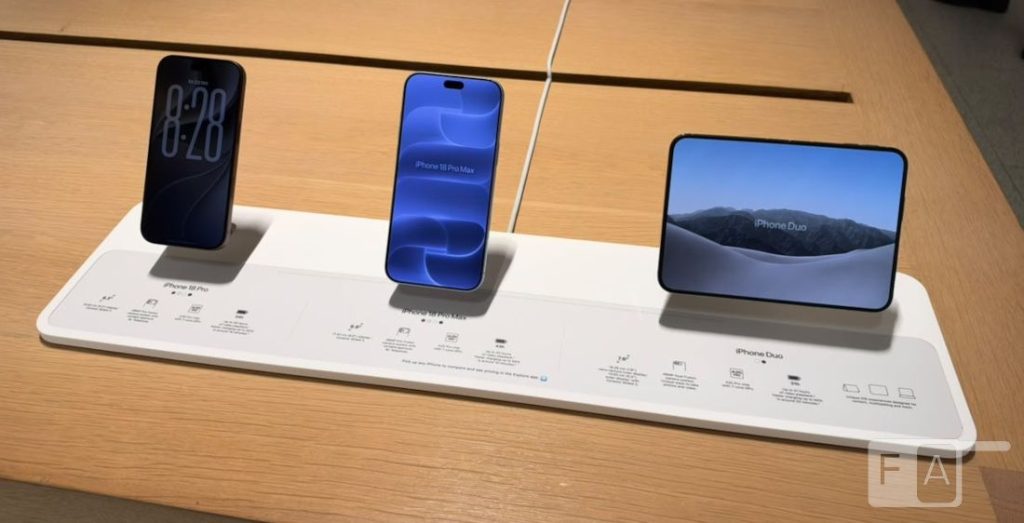
While the transactional side of the business moved to the digital realm, the physical stores were repurposed as "Experience Hubs." Apple installed high-traffic demo units across central counters, allowing the public to test the hinge mechanism and the display quality firsthand. This approach successfully mitigated store crowding while maintaining the "Apple experience" that customers have come to expect, emphasizing product education over impulsive retail transactions.
Supporting Data: Pricing, Financing, and Market Constraints
Apple’s pricing strategy for the iPhone Duo is designed to capture the ultra-premium market while offering flexible entry points for long-term users.
Financial Incentives
- Bank Cashback: Customers can avail themselves of introductory bank cashbacks of up to ₹7,000 on select card networks.
- Trade-in Allowances: To lower the barrier to entry, Apple is offering aggressive trade-in exchange values of up to ₹81,500, depending on the condition and model of the existing device.
- EMI Structures: To ensure accessibility for a wider demographic of premium users, the company has introduced no-cost EMI structures spanning up to 12 months.
Strategic Purchase Limits
To maintain brand integrity and combat the "gray market" phenomenon, Apple has implemented strict purchase limits. Each customer is restricted to a maximum of two units. This policy is clearly aimed at preventing bulk reselling and ensuring that the initial inventory reaches genuine consumers rather than intermediaries.
Official Responses and Consumer Sentiment
While Apple has remained characteristically tight-lipped regarding specific sales figures, the visible engagement at retail locations tells a compelling story. Store staff were observed providing white-glove service, assisting customers with data migration and product demonstrations—a hallmark of the Apple retail philosophy.
Early feedback from the tech community, as documented by reviewers who have spent time with the device, points to a "premium foldable experience." The primary focus of the early discourse has been the durability of the hinge and the software optimizations in iOS that allow for a seamless transition between the folded and unfolded states. The consensus among the first wave of buyers is that Apple has taken the time to "get it right" rather than being the first to market, a sentiment that has seemingly paid off in consumer trust.
Implications for the Smartphone Market
The release of the iPhone Duo has profound implications for the global and domestic Indian smartphone market.
1. Validation of the Foldable Form Factor
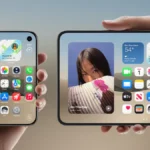
For years, the foldable market was considered a niche for "early adopters." Apple’s entry serves as a massive validation of this form factor. By entering the space, Apple is signaling to the industry that foldables are not merely a gimmick but the future of mobile productivity. This will likely force other manufacturers to accelerate their R&D cycles to compete with the ecosystem integration that Apple offers.
2. The Shift in Retail Dynamics
The "Online-First" model used for the iPhone Duo may become the standard for high-end, high-demand product launches. By controlling the inventory through digital channels, Apple can better manage supply chain fluctuations and prevent the chaotic scenes often associated with major tech product launches. It also allows for a more personalized in-store experience, where the focus remains on customer support and product education rather than the transactional logistics of inventory management.
3. Supply Chain Pressure
The three-month waiting list for the iPhone Duo highlights a persistent challenge for Apple: scaling manufacturing for complex devices. The intricate hinge and custom display technologies required for the Duo are clearly straining existing production capacities. As we head into 2027, the industry will be watching closely to see how effectively Apple can ramp up production to meet global demand without compromising on quality.
4. Economic Impact in India
India’s role as a manufacturing and retail hub for Apple continues to grow. The smooth launch at Apple Saket demonstrates that the Indian market is now a primary tier for Apple’s global releases. As the company continues to invest in the region, the success of the iPhone Duo will likely lead to further localization of supply chains and a deeper integration of Apple’s services within the Indian tech ecosystem.
Conclusion: A High-Stakes Bet
The iPhone Duo launch is a masterclass in controlled anticipation. By blending a high-tech, premium product with a rigid, digital-centric retail strategy, Apple has successfully turned a hardware launch into a cultural event. While the three-month shipping delay is a significant point of friction, it appears that for the Apple enthusiast, the wait is part of the experience.
As we look toward the start of 2027, the success of the iPhone Duo will be measured not just by the units sold, but by its ability to hold up to the rigors of daily use and its capacity to change the way users interact with their mobile devices. For now, the foldable frontier is no longer a promise—it is a reality, and Apple has arrived to claim its seat at the table.