






In a significant advancement for health technology, Apple is rolling out its highly anticipated suite of hearing health features to users in Canada. With the impending release of iOS 27.2 and iPadOS 27.2, owners of the AirPods Pro 2 and AirPods Pro 3 will gain access to professional-grade hearing testing and amplification capabilities. However, the rollout is currently geographically restricted, highlighting the intersection of cutting-edge consumer electronics and local provincial regulatory frameworks.
Main Facts: What the Update Brings to Canadian Users
The forthcoming software updates—iOS 27.2 and iPadOS 27.2—mark a pivotal shift for Apple’s audio hardware. By transforming the AirPods Pro into FDA-cleared, clinical-grade hearing aids, Apple is effectively bridging the gap between high-end consumer technology and medical-grade assistive devices.
The Hearing Aid Feature
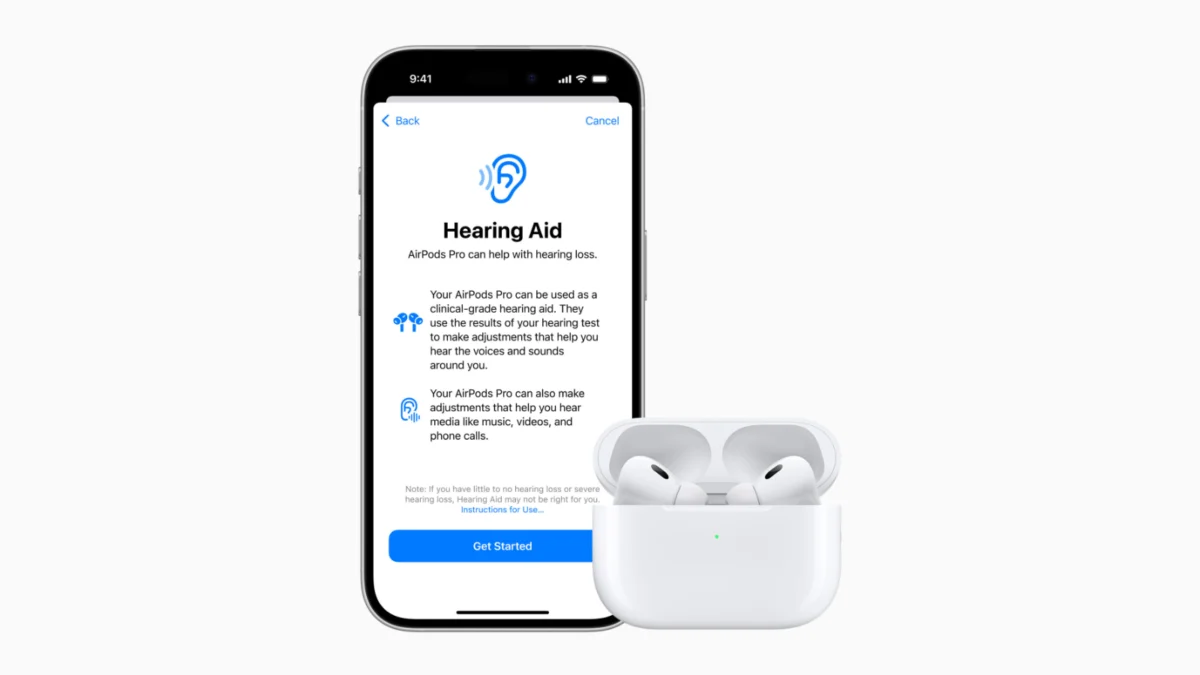
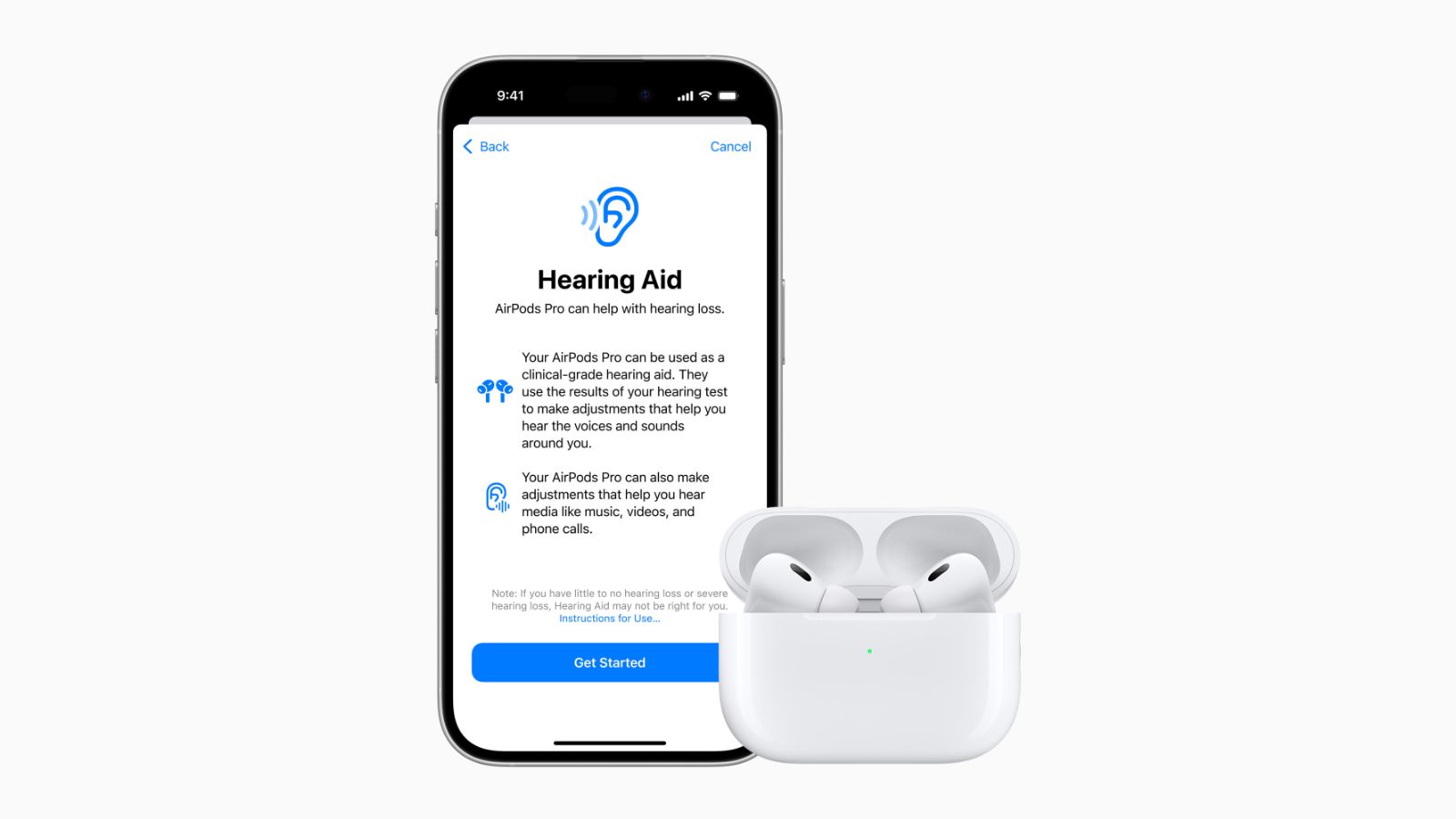
The centerpiece of this update is the clinical-grade Hearing Aid feature. Designed specifically for adults (aged 18 and older) with perceived mild to moderate hearing loss, this feature utilizes the onboard processing power of the AirPods to amplify environmental sounds in real-time. Unlike traditional volume boosters, this feature is highly personalized; it leverages the user’s specific hearing profile—derived from the accompanying hearing test—to adjust frequencies, clarify speech, and reduce background noise interference.
The Five-Minute Hearing Test
To support the Hearing Aid feature, Apple has integrated a scientific-grade Hearing Test directly into the iOS ecosystem. This test, which takes approximately five minutes to complete, utilizes pure-tone audiometry to assess a user’s hearing sensitivity across various frequency ranges. Upon completion, users receive a comprehensive report detailing their hearing health, a classification of any identified hearing loss, and actionable recommendations.
Regional Limitations and Regulatory Hurdles
As of late October 2026, these features are officially supported in only five Canadian provinces: Alberta, British Columbia, New Brunswick, Prince Edward Island, and Saskatchewan.
The staggered availability is not a technical limitation, but a regulatory one. Because these features are classified as medical devices, Apple must ensure compliance with provincial health regulations regarding the sale and distribution of hearing assistive technology. The exclusion of major population centers—most notably Ontario—has been a point of frustration for many users. However, reports indicate that the Ontario provincial government is currently in the process of amending relevant health legislation to accommodate over-the-counter (OTC) hearing aid technology, which will likely clear the path for a future expansion of these services.
A Chronological Perspective: From U.S. Debut to Global Expansion
The journey to bringing these features to Canada began long before the 2026 software cycle. To understand the significance of this rollout, it is helpful to look at the timeline of Apple’s venture into audiology.
- October 2024: Apple officially launches its Hearing Aid and Hearing Test features in the United States and several other international markets. The reception is overwhelmingly positive, with audiologists praising the accessibility of the technology.
- Late 2024–2025: Apple begins the arduous process of navigating international medical device regulatory bodies. During this period, Canadian users have access to the "Hearing Protection" feature, which helps reduce loud environmental noises, but the diagnostic and assistive features remain dormant.
- September 2026: Apple releases iOS 27.0, marking the start of the latest software generation. While hardware support for the AirPods Pro 3 is finalized, the hearing health software remains region-locked.
- October 2026: Apple seeds the Release Candidate (RC) for iOS 27.2, signaling an immediate public rollout. It is here that the specific provincial support for Canada is confirmed, setting the stage for the current deployment.
Supporting Data: Why This Matters for Public Health
The necessity for such technology is underscored by sobering statistics regarding hearing loss. According to the World Health Organization and local health agencies, hearing loss is one of the most common sensory impairments globally, yet it remains significantly undertreated due to the high cost of traditional hearing aids and the social stigma associated with them.
Clinical-Grade Precision
Apple’s approach is unique because it moves away from "one-size-fits-all" amplification. By using clinical-grade, pure-tone audiometry—the same method used by professional audiologists in sound-isolated booths—the AirPods create a "Hearing Profile" that is saved to the user’s Apple ID. This profile is then synced across devices, ensuring that the amplification is consistent whether the user is listening to a podcast on their iPhone or a movie on their iPad.
The Cost-Benefit Analysis
Traditionally, a pair of digital hearing aids can cost anywhere from $2,000 to $6,000 CAD. By bundling these features into a device that millions of Canadians already own, Apple is effectively democratizing access to hearing assistance. While Apple maintains that the device is not a replacement for a full clinical evaluation by an ENT (Ear, Nose, and Throat) specialist, it serves as a critical entry point for individuals who might otherwise ignore their hearing health for years.
Official Responses and Industry Outlook
Apple has been measured in its communications, emphasizing that the technology is intended for adults with "perceived" hearing loss. A spokesperson for the company noted: "The Hearing Test and Hearing Aid features are supported in select provinces in Canada on AirPods Pro 2 and later with the latest firmware when paired with a compatible iPhone or iPad running iOS 27.2 or later."
Industry analysts suggest that Apple’s move is putting immense pressure on traditional hearing aid manufacturers to lower costs and improve the user experience. The "invisible" nature of AirPods—which are already a ubiquitous lifestyle accessory—removes the psychological barrier that prevents many people from seeking help for hearing loss.
Implications: The Future of Wearable Health
The implications of this rollout extend far beyond the Canadian border.
1. The Normalization of Health Monitoring
By integrating health diagnostics into everyday hardware, Apple is positioning the iPhone as the central hub of personal health. From ECGs on the Apple Watch to hearing tests on the AirPods, the ecosystem is evolving into a preventative medicine tool.
2. Regulatory Evolution
The fact that Ontario is moving to change its laws to accommodate this feature suggests that the law is finally catching up to innovation. As more provinces and countries observe the success of these features in the US and the initial five Canadian provinces, we can expect a domino effect of legislative updates.
3. Long-Term Healthcare Savings
By enabling early detection through the five-minute Hearing Test, the healthcare system may see long-term benefits. Identifying and addressing hearing loss early is linked to better cognitive outcomes and improved quality of life for the aging population. If millions of people can address mild hearing loss before it becomes severe, the collective burden on the healthcare system could be substantially reduced.
Conclusion
As Canadians in the supported provinces prepare to update their devices to iOS 27.2, they are participating in a major experiment in consumer-driven healthcare. The AirPods Pro are no longer just devices for listening to music; they are now sophisticated diagnostic and assistive tools. While the wait continues for those in Ontario and other regions, the path forward is clear: the integration of medical-grade technology into our daily carry is no longer a futuristic concept—it is the new standard.
For now, users should ensure their devices are updated, their firmware is current, and they are prepared to undergo the brief testing process to unlock a world of clearer sound. As the regulatory landscape shifts, the dream of universal access to hearing health technology in Canada is closer than ever before.