





If you were granted one million followers on a single social media platform today, choosing the right destination comes down to a simple question: Do you actually want to get paid for your work? Historically, the answer has been an undisputed, resounding YouTube. While platforms like TikTok and Instagram excel at driving viral fame, brand awareness, and cultural cachet, YouTube has long stood alone as the undisputed king of direct creator monetization, distributing tens of billions of dollars to its creator ecosystem through its reliable ad-sharing model.
However, a major strategic pivot by Meta could soon challenge YouTube’s iron grip on the lucrative long-form video market. In a surprising reversal of years spent aggressively prioritizing bite-sized vertical content, Instagram has announced tests for a brand-new format allowing creators to upload videos up to 90 minutes long. If Meta plays its cards right—and importantly, figures out a sustainable revenue-sharing model—this move could completely upend the creator economy, redefining how digital video is consumed, shared, and monetized.
Main Facts: Instagram’s Pivot to Long-Form Content
The landscape of internet media has been defined by short-form vertical video for the better part of the 2020s. Platforms from TikTok to LinkedIn have flooded feeds with quick hits of content designed to capture dwindling attention spans. Yet, this format has always come with a glaring flaw for content creators: it is notoriously difficult to monetize directly.
Instagram’s latest announcement introduces "Features," a new video upload option that accommodates clips up to an hour and a half in length. Alongside this, the platform is rolling out a companion feature called "Clips as Reels." This tool enables creators to chop up their longer-form projects into bite-sized Reels that directly link back to the main video, creating a symbiotic loop between short and long-form media.
Furthermore, Instagram is working on an episodic Reels hub on creator profiles—resembling TikTok’s playlist feature—and improving its live-streaming discovery tools. Crucially, Meta is not confining these experiments to the mobile screen; the company has signaled an ongoing commitment to optimizing these new long-form formats for TV apps as well.
Chronology: From IGTV’s Failure to the Birth of "Features"
To understand the significance of Instagram’s new gamble, one must look backward at the platform’s complicated history with long-form video.
- The IGTV Era (2018): Eight years ago, Instagram made its first major push into long-form media with the launch of IGTV, a dedicated app and in-app feature that allowed creators to upload videos up to an hour long. At the time, the industry was convinced that standalone apps and dedicated long-form real estate on photo-sharing platforms were the future. The project ultimately failed to gain meaningful traction with creators or audiences, leading to its quiet demise.
- The Short-Form Domination (2020–2025): Chastened by IGTV’s failure, Instagram pivoted hard in the opposite direction. Following the meteoric rise of TikTok, Meta launched Reels. Head of Instagram Adam Mosseri and his product teams leaned entirely into vertical, short-form clips, arguing that brief, highly shareable moments were what users wanted to send via Direct Message (DMs) and share with friends.
- The Internal Debate: Despite the success of Reels, internal pressure began to mount. Instagram VP of Product Tessa Lyons emerged as a vocal advocate for giving long-form content another chance. Lyons eventually persuaded Mosseri—who had long publicly opposed long-form video on the app—to reconsider.
- The Present Rollout (Late 2025/2026): Instagram officially announced initial testing for "Features" and "Clips as Reels." The features are rolling out first in Brazil before expanding to a small-scale test group in the United States, marking a historic policy and design shift for the Meta-owned platform.
Supporting Data: The Economics of Content Creation
The core friction in the modern creator economy boils down to a fundamental economic reality: how platforms pay the people who make them profitable.
YouTube’s monetization framework is famously transparent and lucrative. Through the YouTube Partner Program (YPP), creators who meet basic eligibility thresholds receive 55% of the ad revenue generated by ads placed on their videos. The scale of this payout is staggering. YouTube reported that it paid out more than $100 billion to creators, artists, and media companies over a four-year period leading up to 2024. For a full-time creator, YouTube functions effectively as a stable digital salary.
In contrast, platforms like Instagram and TikTok have struggled to replicate this model for short-form content. Because vertical clips are short and fast-moving, there is simply less physical and temporal room to place traditional advertisements.
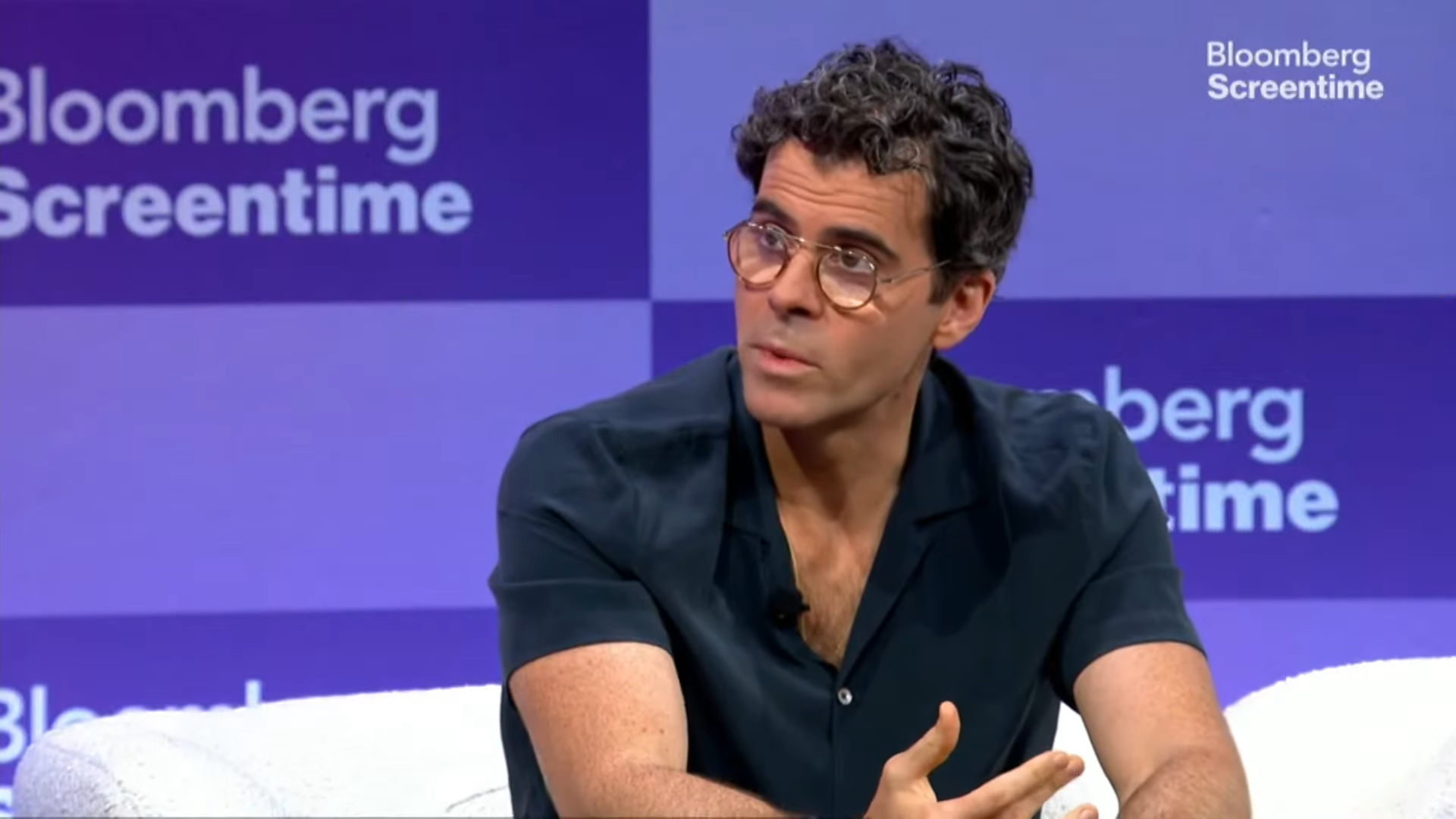
As Instagram Head Adam Mosseri candidly explained during an appearance on the creator economy interview show The Colin and Samir Show, creators on Instagram primarily get paid through external brand sponsorships rather than direct platform payouts.
"You can get paid by the platform directly, you can get paid by a fan, and you can get paid by a brand," Mosseri explained. "And right now, the way that it works on Instagram primarily is you primarily get paid by brands… We have still a small performance-based program, but… we spend more money than we make back by a long shot, and so it doesn’t really make sense to scale up because we’re just burning capital."
Without a reliable per-view ad revenue share similar to YouTube’s, many creators treat their Instagram and TikTok accounts less as revenue-generating powerhouses and more as top-of-funnel marketing funnels designed to drive audiences back to their monetization-friendly YouTube channels.

Official Responses: What Meta is Promising (and Not Promising)
When tech industry analysts immediately began asking whether Meta intends to introduce an ad-revenue sharing model to rival the YouTube Partner Program, Meta’s initial public responses remained cautious.
A Meta spokesperson offered a carefully measured statement to tech publications regarding the company’s long-term monetization strategy:
"It’s too early to share a long-term monetization model, but we’re exploring ways for creators to earn from brands, fans, and Instagram, including performance-based incentives. Over time, we think there will be compounding benefits for creators to tell new stories, reach new audiences, and find new partners, which should lead to many monetization opportunities."
While this official answer is far from a concrete guarantee of a YouTube-style revenue split, it is notably not a flat rejection of the idea. It suggests that Meta recognizes that long-form video cannot succeed on its platform through user goodwill alone; eventually, the tech giant will have to address the financial bottom line if it hopes to convince premier creators to shift their primary uploads away from Google’s video giant.
Adam Mosseri doubled down on the strategic necessity of the pivot in his video announcement, framing it around user retention rather than just revenue competition.
"Reels is still going to be a core part of Instagram," Mosseri noted. "लेकिन [But] when you want to go deeper with the creators you love and the content that they’re creating, you should be able to do that on Instagram."
Implications: Can Instagram Truly Dethrone YouTube?
The implications of Instagram’s long-form experiment stretch far across the broader technology and media landscape. If Meta successfully integrates ads into 90-minute "Features" and devises a competitive creator payout structure, it could fundamentally shift the center of gravity in the digital video market.
1. Retaining the Audience Ecosystem
Currently, a massive point of friction for users is platform fragmentation. A fan might discover a creator via a 30-second Reel on Instagram, but they must close the app and open YouTube if they want to watch a deep-dive podcast, a 20-minute vlog, or an educational documentary. By introducing "Features" alongside the "Clips as Reels" integration, Instagram is attempting to capture the entire lifecycle of a viewer’s attention. If successful, users will no longer need to leave the Instagram ecosystem to consume deep-dive content from their favorite personalities.
2. The Living Room Wars
By explicitly committing to supporting these long-form formats on TV apps, Meta is stepping directly onto YouTube’s most dominant turf: the living room television screen. YouTube has quietly become the most-watched streaming platform on smart TVs in the United States, largely because users prefer watching long-form content on a couch rather than a phone screen. If Instagram can successfully transition its massive mobile audience onto TV apps through episodic series and long-form features, it poses a direct challenge to both YouTube and traditional streaming services.
3. The Ultimate Test for Meta’s Financial Strategy
The lingering question remains financial. Meta is a colossal advertising machine, but its previous attempts at direct creator payouts for short-form content proved unsustainable, as Mosseri admitted. To convince top-tier creators—who currently rely on YouTube’s dependable 55% revenue split—to upload their best long-form work to Instagram, Meta will likely have to open its checkbook and subsidize creator earnings until ad-targeting on the new formats matures.
Whether Meta is willing to absorb those initial capital losses to mount a serious challenge against YouTube will determine whether "Features" becomes a revolutionary turning point for digital creators, or merely a historical footnote alongside the forgotten ghost of IGTV.