









Discord, once defined as the digital equivalent of a private living room for gamers, is undergoing a profound architectural shift. In a move designed to bridge the gap between niche community forums and the broader open web, the platform is preparing to make conversations within its “Discoverable Servers” searchable via Google and other major search engines. While the initiative promises to turn Discord’s vast archives of tribal knowledge into a searchable public resource—much like Reddit or legacy web forums—it simultaneously ignites a complex debate regarding digital privacy, user autonomy, and the evolving nature of online discourse.
The Core Transformation: Indexing the Public Square
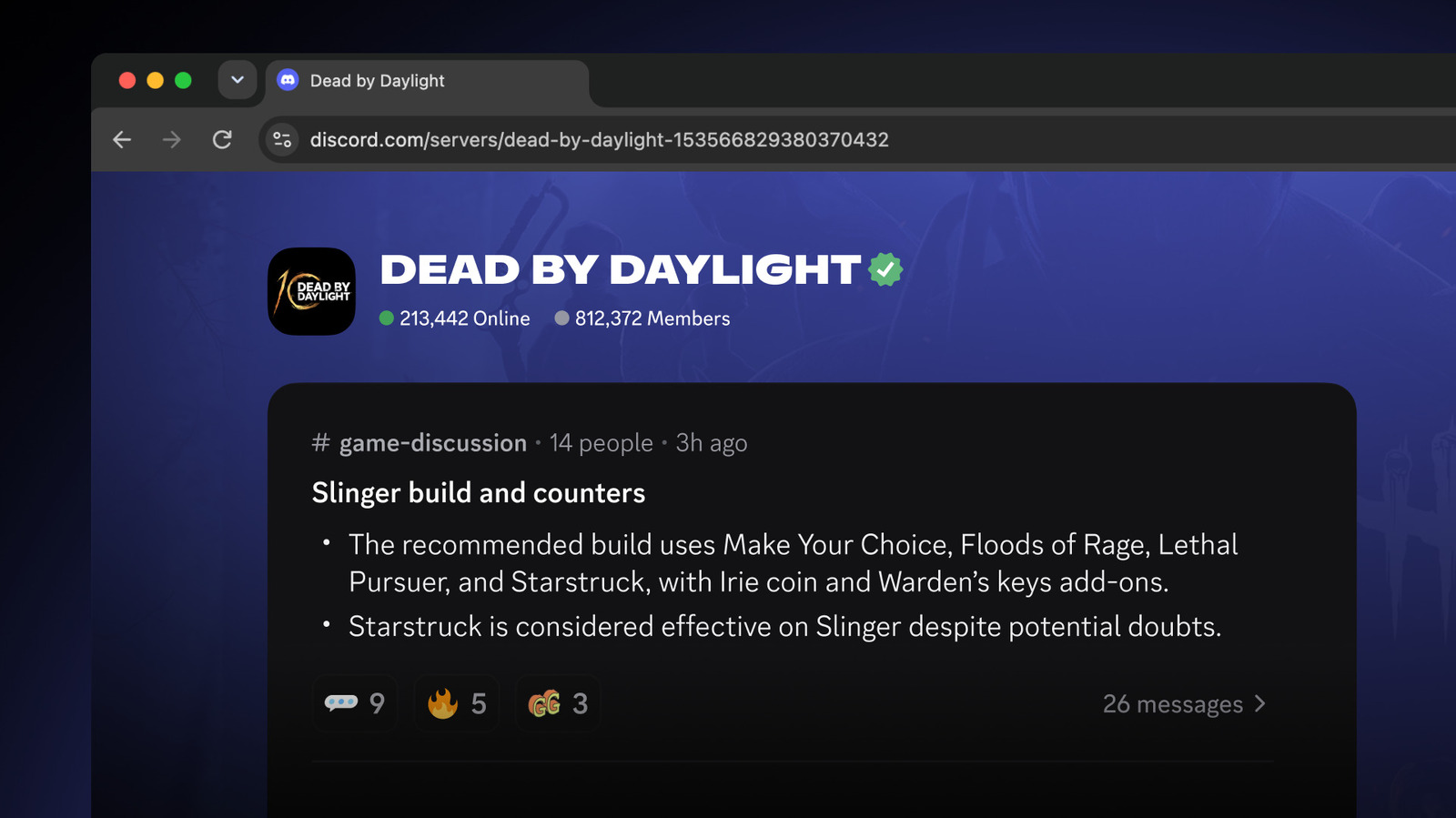
Beginning in mid-December, Discord will fundamentally change how it handles data from its "Discoverable" servers—those communities with at least 1,000 members that do not require an invitation to join. Under the new policy, these servers will be equipped with "Server Web Pages." These pages will act as public-facing hubs, displaying server descriptions, summaries of active discussions, and, eventually, specific, word-for-word message content.
This content will be indexed by web crawlers, meaning that a user searching for a specific niche technical query or game strategy on Google may find a direct link to a Discord message thread. By design, these pages aim to make Discord a more potent engine for information discovery. However, the platform has implemented safeguards to minimize personal identification: while the text of the messages will be visible, the individual poster’s username and avatar will be scrubbed from the public-facing index.
A Chronology of the Shift
The transition is not an overnight event but a carefully orchestrated rollout designed to allow administrators and users time to adjust their privacy settings.
- November 16: Discord officially launched the infrastructure for "Server Web Pages." This phase introduced the framework for displaying community descriptions and AI-generated or curated summaries of ongoing channel discussions.
- Late November to Early December: The grace period for administrators. During this time, community leaders are tasked with reviewing their channel configurations to decide which, if any, discussions should be excluded from the new public web presence.
- Mid-December: The expected commencement of full-scale search engine indexing. From this point forward, the content hosted on these public-facing web pages will begin appearing in global search results, mirroring the discoverability of traditional public web forums.
Supporting Data and Regional Disparities
The scale of this rollout is substantial. Discord hosts thousands of “Discoverable” servers, covering everything from professional software development communities to sprawling fandoms for popular video games. The sheer volume of data involved means that a significant portion of Discord’s total public output is effectively being migrated from a walled garden to the open internet.
However, the rollout is not uniform. Discord is navigating a patchwork of global privacy regulations, leading to a bifurcated user experience:
- International Markets: In the European Union, the United Kingdom, Canada, Brazil, Australia, and South Korea, the default setting for channel message indexing will be “Off.” Users in these regions must manually opt-in if they wish for their content to be searchable. This design choice is a direct response to stringent local data protection laws, such as the EU’s GDPR, which prioritize user control over data processing.
- Age-Restricted Access: Protecting minors remains a critical concern for the platform. Consequently, teen users on Discord are entirely excluded from the indexing feature. Regardless of region or server settings, content posted by teen accounts will not be indexed or made available on public web pages until they reach adult age.
Official Stance and Strategic Rationale
Discord’s decision is rooted in a strategic pivot toward "utility." For years, the platform has struggled with the "dark web" effect—valuable information existed within its servers, but it was impossible to find via a standard browser search. By opening these servers to indexers, Discord hopes to transform itself from a closed chat app into a repository of searchable, high-value community intelligence.
In its official communication, Discord emphasized that this change only affects public-facing, discoverable spaces. Private servers, Direct Messages (DMs), and Group DMs remain untouched, shielded by the same encryption and privacy policies that have existed since the platform’s inception. The company argues that this change is a natural evolution for communities that have already opted into being “public.”
Implications: The Privacy Tug-of-War
While Discord’s logic is sound from a growth and utility perspective, the move has triggered a wave of apprehension among its user base. The platform has recently faced significant scrutiny regarding its age-verification policies and child safety, and this latest change adds a new layer of complexity to the public perception of the company.
The Erosion of "Ephemeral" Context
The primary concern among users is the loss of context. Discord has traditionally been a platform where users speak colloquially, often assuming a level of intimacy even in large servers. When a message is moved from a private chat window to a Google-indexed web page, the "social context" evaporates. A comment made in jest or as part of a fleeting conversation could be surfaced years later in a search result, stripped of the original thread’s nuance and the author’s identity.
The Burden on Community Moderators
The responsibility for managing this transition falls heavily on server administrators. Moderators are now forced to act as data curators, deciding which channels are "public-worthy." This adds an administrative burden to volunteer-run communities, who must now audit their entire server history to ensure that private discussions, sensitive links, or potentially controversial topics are not accidentally exposed to the global web.
The "Opt-Out" Culture
Critics point out that "opt-out" policies are often insufficient. Many casual users may not be aware of the changes to their settings, or they may find the process of navigating the "Data and Privacy" section of their User Settings daunting. By making indexing the default in the United States and other markets, Discord is effectively relying on the inertia of its user base to populate its new web directory.
Looking Ahead: The Future of Public Discord
As mid-December approaches, the internet landscape will change. Discord will shift from a place to "hang out" to a place to "look up." For developers and power users, this is a long-awaited improvement that brings the platform’s vast data into the light. For privacy advocates, it represents a cautionary tale of how quickly a platform can pivot from a private sanctuary to a public billboard.
Ultimately, the success of this transition depends on Discord’s ability to communicate these changes effectively. If the platform can successfully educate its users—ensuring that everyone understands they have the power to opt-out—it may avoid a significant backlash. However, if users wake up in January to find their past messages appearing in search results, the platform may face a significant crisis of trust.
Discord is betting that the benefits of an open, searchable ecosystem outweigh the risks of user discomfort. As the platform enters this new chapter, it serves as a reminder of the fragility of privacy in the digital age: in the eyes of a search engine, the line between "publicly available" and "publicly indexed" is becoming thinner every day. Users are advised to review their privacy settings immediately, ensuring that their digital footprint remains exactly as large—or as small—as they intend it to be.