





A seasoned mechanical design engineer turned tech reporter and reviewer, Chandraveer brings more than four years of consumer tech journalism experience to the table, with bylines at Android Police and iPhoneHacks. He’s written about everything from UI and UX changes across various apps to emerging software and AI trends. At XDA, he showcases his versatility in the tech reporting space with articles rooted in personal experiences and frustrations.
Chandraveer’s passion for consumer tech spills over into hobbies such as mechanical keyboards, photography, and 3D printing. With an academic background in design and manufacturing, his insatiable curiosity spans beyond the digital domain. Chandraveer’s downtime is an eclectic mix of reading fiction, practicing calligraphy, conceptualizing new products, and enjoying an expansive FLAC audio library.
I spend an unhealthy amount of time staring at car dashboards, constantly evaluating Android Auto’s subtle nuances to maximize convenience and safety. When Google finally rolled out the much-anticipated Coolwalk redesign in 2023, it added a necessary, modular split-screen interface allowing the navigation app and a media player to share screen space.
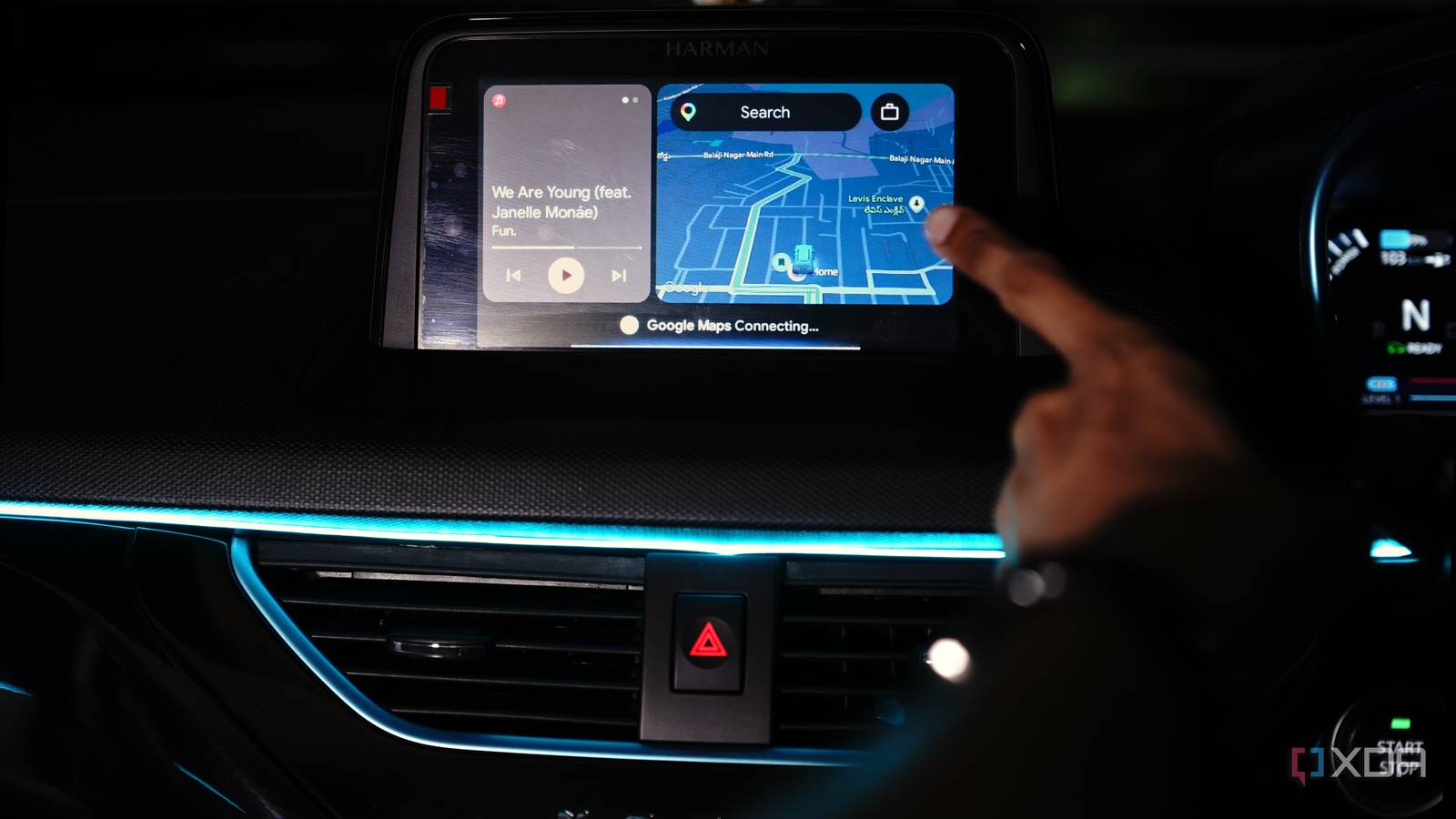
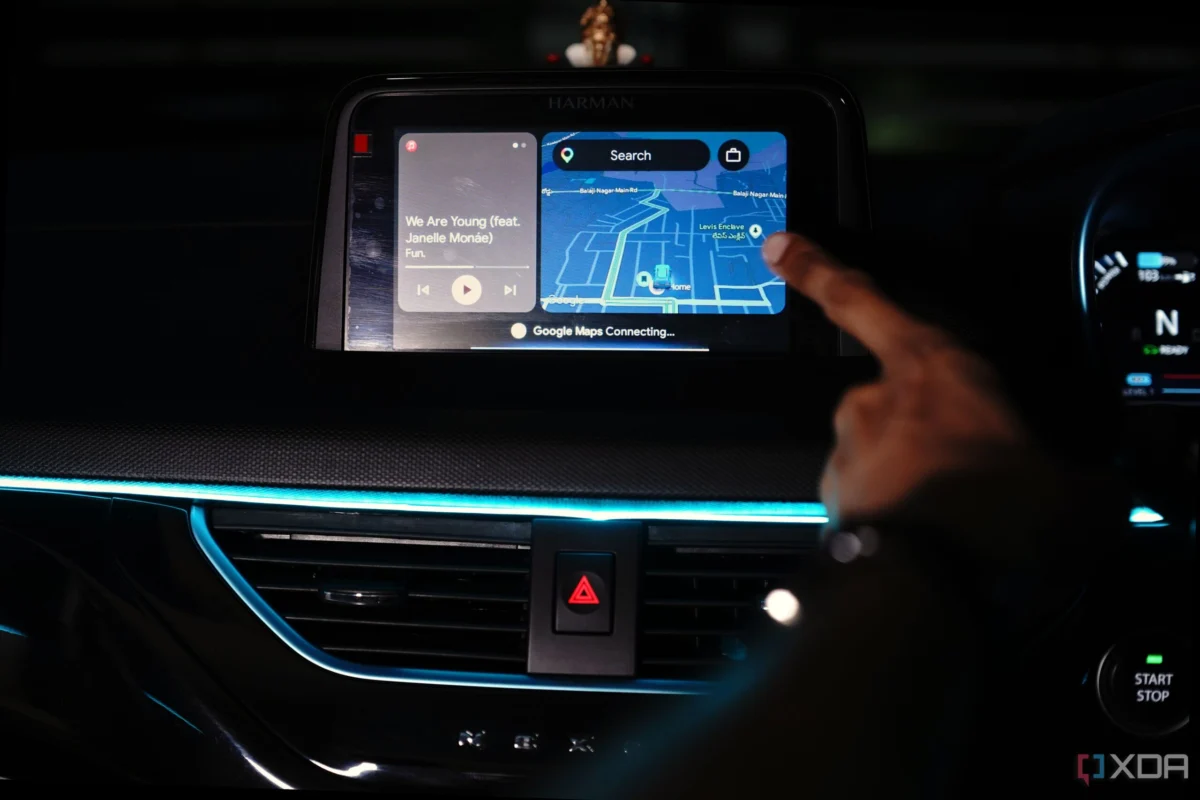
After thousands of kilometers with this setup, I’ve come to understand the importance of keeping those touch targets within reach of your outstretched hand, whether you’re the driver or the passenger. This seemingly minor detail makes a world of difference to ease of access, especially on newer vehicles with massive infotainment screens that sometimes span the entire width of the dashboard. I’ve seen numerous Android Auto (AA) setups in others’ vehicles, set up suboptimally, or even dangerously, although Google’s best inclusion in the AA Settings page allows configuring the split-screen UI.
We do not condone distracted and unsafe driving. Please adjust Android Auto settings when you’re parked safely, or not the person driving. You may need to restart Android Auto for some changes to take effect.
Reaching for a screen behind the wheel is dangerous
So choose what’s within arm’s reach wisely
Depending on the physical width, aspect ratio, and mounting depth of your dashboard display, the distance from your steering wheel to the far side of the screen can be surprisingly large. Reaching across the center console to tap a tiny skip button can require you to physically lean forward and extend your shoulder off the seatback, compromising your driving posture. That split second of physical exertion and visual realignment is more than enough to pull your vital attention away from the brake lights of the car directly in front of you.

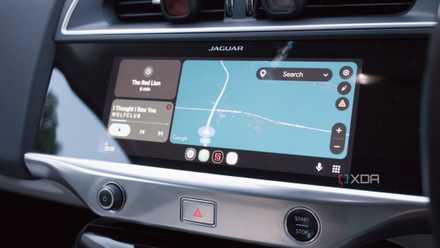
Most drivers falsely assume they are permanently stuck with whatever default layout appears on boot. Thankfully, the split-screen view is customizable, and you can choose whether the persistent navigation info shows up closer to the driver, or along the screen’s opposite edge. It’s easy to miss this impactful customization option unless you’ve carefully read through the list of AA settings tucked away on your connected smartphone.
Apparently, automakers and Google unilaterally decided the vehicle should dictate the layout, by telling your phone on which side the steering wheel is located. While this slashes dev effort since the same AA app can be shipped worldwide, there’s a nonzero chance you’ll see navigation on the far side on aftermarket head units, imported vehicles, or cars produced before this split-screen UI was standardized. The result goes beyond inconvenience, into the realm of a safety hazard at highway speeds.
Reclaim control of your dash
Make Android Auto a true extension of your phone screen
To change the default behavior through your smartphone, head into Settings > Connected Devices > Connection Preferences > Android Auto, and scroll down to the Advanced section. Here, override the Driver seat location from Default to Left (in the US) or Right.
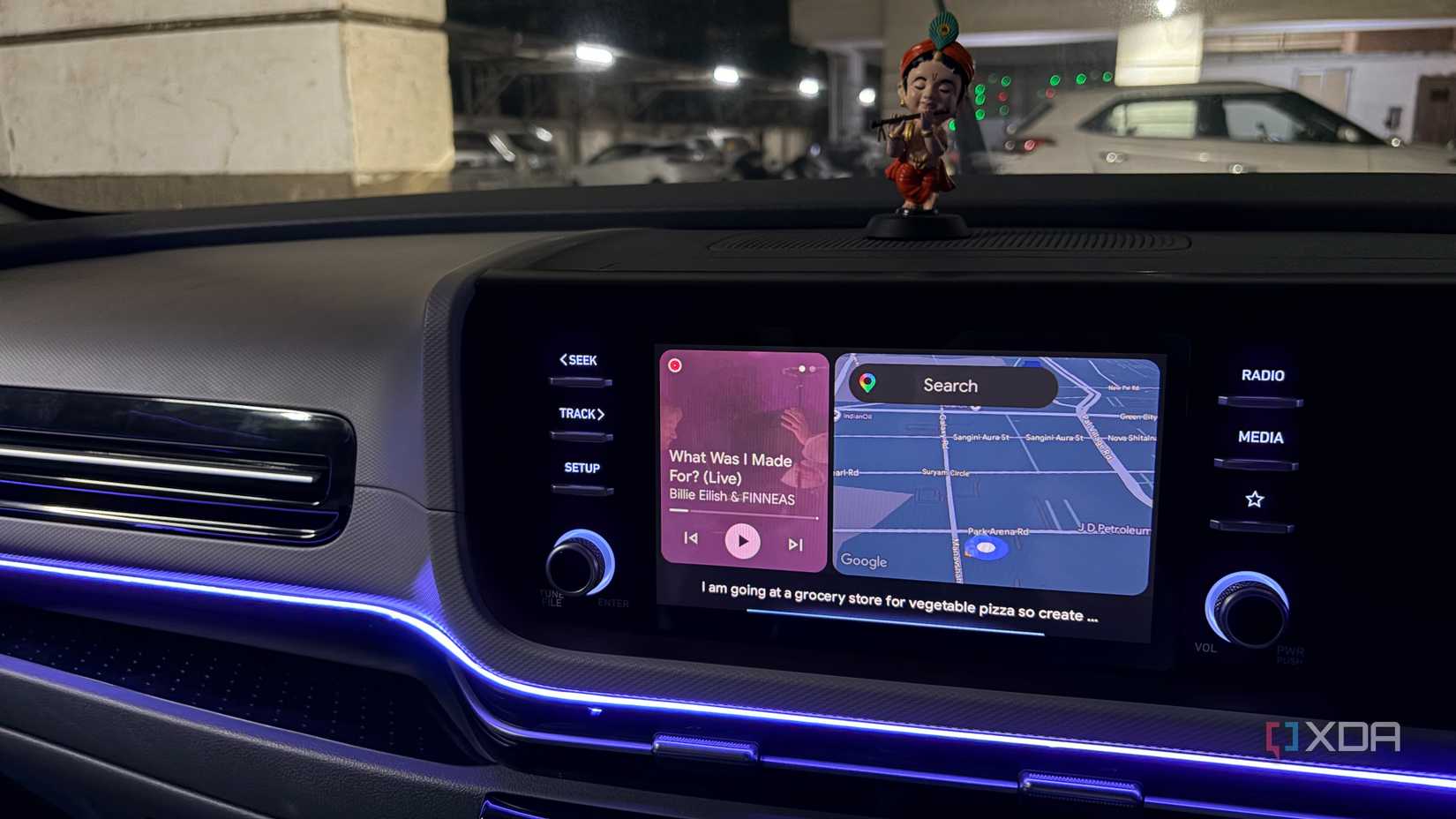
With the vehicle layout stripped of ambiguity, we move on to the split-screen behavior using the Change layout setting in the same section. This menu is arguably the holy grail of Android Auto customization, yet it remains completely ignored by the vast majority of commuters who just plug in and go. You can choose between Media closer to driver and Navigation closer to driver.
The first time I changed this, it, it felt like jailbreaking the dash because it moved important touch targets closer to my outstretched arm. It adds predictable familiarity to the infotainment screen, just like an app launcher or the Start menu on your desktop.
Consider utility before switching
Drivers shouldn’t need to reach for screens frequently
I’ll admit having navigation closer or farther away from the driver is down to personal preference, but there are several factors to consider while we’re discussing this seemingly trivial subject. I find setting media closer to the driver is absolutely essential in stop-and-go city traffic, where I am constantly interacting with the media card—skipping low-energy tracks, pausing podcasts to interact with a parking attendant, answering incoming phone calls, and managing various app notifications.
It also helps with older vehicles running aftermarket AA head units without steering-mounted controls. On these trips, I typically know the route like the back of my hand. Setting navigation closer to the driver is my non-negotiable setup for long road trips, where focus on the freeway is paramount.
At highway speeds over long distances where reaction time and distraction-free driving are critical, I’m happy offloading media management and climate controls to passengers. With navigation close to me, I can see it from the corner of my eye. It also prevents the passenger’s hands from crossing over Maps while they’re interacting with the media streamer. In the rare instance where you’re driving alone and need to interact with both navigation and media, I’d strongly advise putting up with Gemini and its nuances without taking your eyes off the road.
Safety remains paramount
This setting is a brilliant, entirely hidden feature that improves the safety and enjoyment of any drive, provided you are willing to dig into the settings and turn it on for yourself. I’m not suggesting you change this setting every time you hit the road, but instead, set up Android Auto’s split-screen to favor your usage pattern.

4 Android Auto settings I changed to make it feel truly mine
Night Mode, setting a custom wallpaper, shifting media controls, and more.