










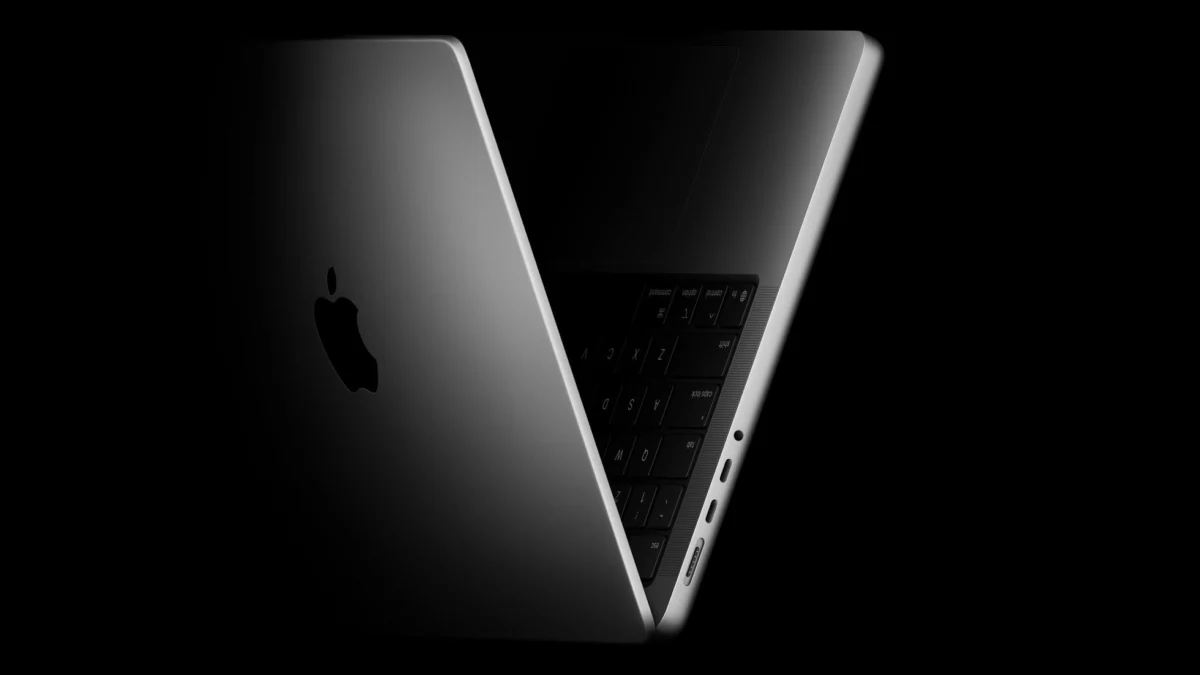
As 2026 enters its final quarter, Apple is recalibrating its traditional launch strategy. Moving away from the high-gloss, pre-recorded, and globally broadcast "Apple Events" that have defined the post-pandemic era, the Cupertino giant is shifting its focus toward intimate, high-impact gatherings tailored for the digital creator economy. According to insights provided by Bloomberg’s Mark Gurman, Apple is preparing to host a two-day product showcase in Los Angeles on October 27 and 28, marking what is expected to be the company’s final major hardware push of the year.
This pivot suggests a calculated evolution in Apple’s marketing. By bypassing the mass-market livestream in favor of hands-on "experiences" for select content creators, Apple is betting that organic, influencer-led engagement will drive more meaningful product adoption than a standard keynote.
The Los Angeles Showcase: A New Era of Engagement
The upcoming Los Angeles event is not an anomaly; rather, it represents a new standard for how Apple intends to unveil high-performance hardware. Following a similar model being deployed in New York this week, the Los Angeles gathering is designed to place the new M5-series hardware directly into the hands of those who stand to benefit most from it: professional editors, filmmakers, and digital artists.
By hosting these creators in a controlled, premium environment, Apple is effectively outsourcing its marketing to the people who influence consumer sentiment. This strategy allows for immediate, high-fidelity feedback and authentic demonstrations that a scripted video simply cannot replicate.
The October Roadmap: A Two-Part Strategy
The remainder of October is packed with activity, split between the early-month smart home push and the late-month performance hardware debut.
The October 13 Prelude: The Smart Home Evolution
Before the Los Angeles event takes center stage, Apple is set to trigger a significant shift in its home ecosystem on Tuesday, October 13. Industry analysts are looking for three key updates that will attempt to solidify Apple’s position in the increasingly crowded smart home market:
- The HomeView Smart Hub: Perhaps the most anticipated device of the month, the "HomeView" is rumored to feature a nostalgic yet futuristic design reminiscent of the iconic iMac G4. It is expected to center around a 6-inch square display, mounted on a base that houses advanced speakers and microphones. It is designed for both countertop placement and wall-mounting, signaling Apple’s desire to make their hub the literal and figurative center of the modern living space.
- HomePod mini 2: Building on the success of its compact smart speaker, the second-generation HomePod mini is expected to arrive with refined audio fidelity and, according to recent leaks, a new array of color options to appeal to a broader aesthetic market.
- Updated Apple TV 4K: While the current Apple TV 4K remains a market leader in streaming performance, the refresh is expected to focus on internal efficiency, potentially leveraging new silicon to handle the enhanced processing requirements of the new HomeView ecosystem.
The October 27 Main Event: Powerhouse Performance
The Los Angeles showcase on October 27 is where the heavy lifting happens. While Apple has yet to publish a formal list of participants, the primary focus of the event will be the latest iteration of the Mac lineup, specifically machines powered by the M5 chip family.
The highlight of this launch is undoubtedly the Mac Studio. As previously signaled by the company, this iteration is designed for the extreme demands of AI development and high-end video production, featuring a staggering 512GB of RAM. For professionals who have long lamented the memory ceilings of the M-series architecture, this announcement represents the "final boss" of Apple’s silicon journey.
Chronology of the 2026 Hardware Rollout
To understand the scale of this operation, one must look at the timeline of development throughout 2026.
- Late September 2026: Leaks began surfacing regarding the A20 Pro-equipped iPad mini. Code discovered by researchers indicated a significant internal redesign, including a new landscape-oriented front-facing camera and an improved speaker array.
- Early October 2026: The first "experience-based" event in New York is announced, setting the stage for the New York/Los Angeles model.
- October 13, 2026: The unveiling of the HomeView hub, HomePod mini 2, and Apple TV 4K. This day marks the company’s attempt to dominate the "lifestyle" side of the technology market.
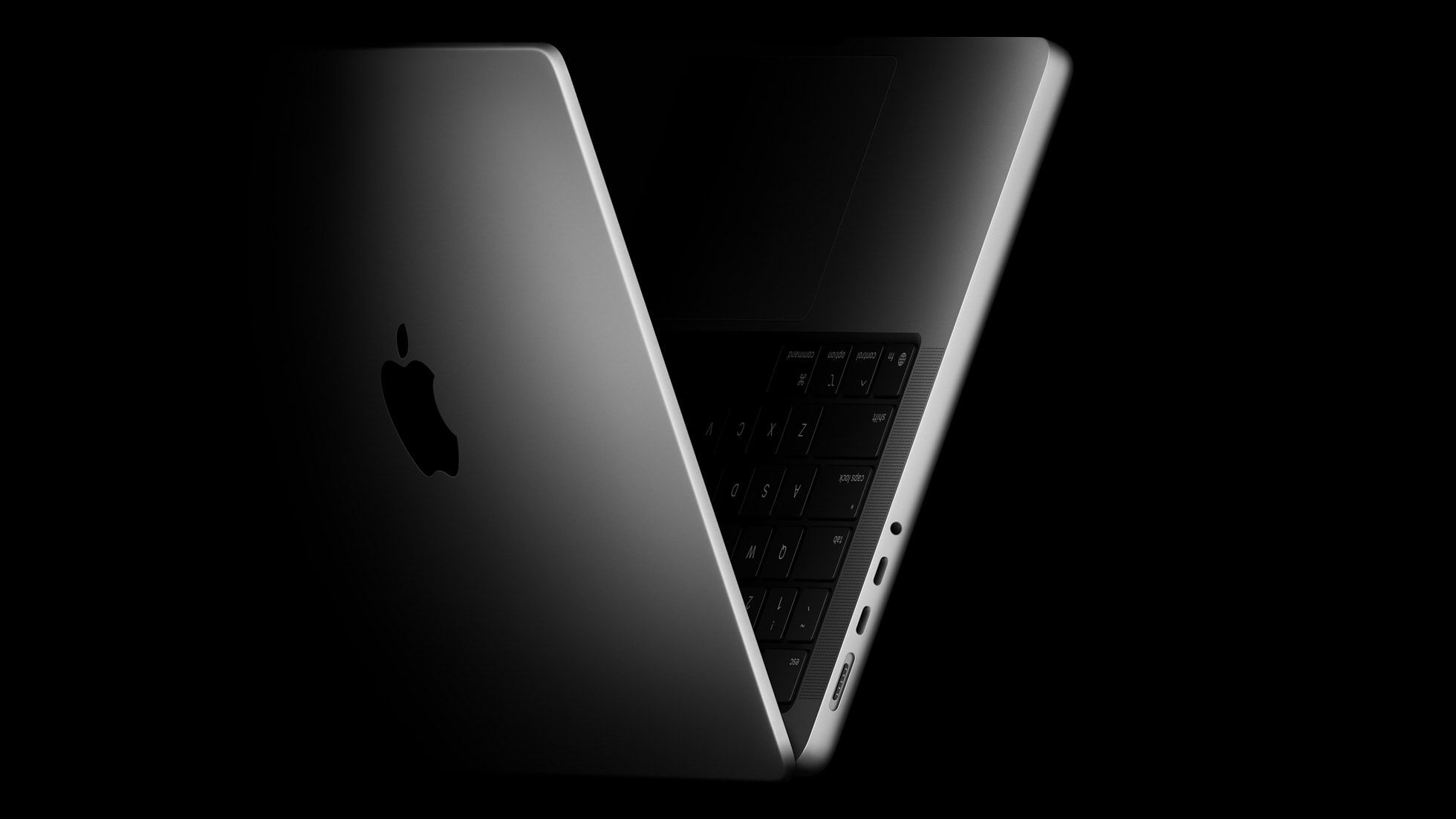
- October 27–28, 2026: The Los Angeles "Creator Experience." This is the core of Apple’s performance-hardware strategy, focusing on the Mac Studio and the high-end M5 MacBook Pro variants.
- Late 2026/Early 2027: The expected market availability for the 512GB RAM Mac Studio, marking the conclusion of Apple’s 2026 hardware cycle.
Supporting Data and Technical Implications
The shift to the A20 Pro chip in the new iPad mini and the deployment of the M5 series across the Mac lineup underscores a critical trend: the total unification of Apple’s silicon architecture. By utilizing the A20 Pro in a tablet, Apple is ensuring that the iPad mini can handle the same heavy-duty machine learning tasks—such as live translation, object recognition, and creative AI generation—as their flagship devices.
Furthermore, the decision to offer 512GB of unified memory in the Mac Studio is a direct response to the "AI boom." LLMs (Large Language Models) require massive amounts of VRAM to load parameters efficiently. By providing this much memory in a consumer-accessible workstation, Apple is effectively providing an on-ramp for developers who want to run advanced AI models locally rather than relying on cloud-based processing.
Official Responses and Corporate Strategy
Apple has maintained its characteristically tight-lipped stance, refusing to comment on the specific timing of the events or the leaked product specifications. However, company insiders have noted that the shift toward "experiences" rather than "broadcasts" is a direct response to the fatigue associated with digital keynotes.
In an internal memo, which has been echoed by industry analysts, the consensus is that the "live-streamed keynote" had become an echo chamber. By moving to regional, invitation-only sessions, Apple is reclaiming the element of surprise and exclusivity. When a creator touches a product in a studio in Los Angeles, the coverage that follows is perceived as "news" rather than "advertising."
Implications for the Tech Industry
The implications of this transition are twofold:
- The Decline of the Standard Keynote: If Apple’s October events prove successful in driving engagement and pre-orders, it is highly likely that other tech giants—Microsoft, Google, and Samsung—will begin to phase out their expensive, high-production-value livestreams in favor of these "roadshow" style events.
- The Silicon Ceiling: By reaching the 512GB RAM milestone in a desktop Mac, Apple has essentially rendered the "memory argument" against ARM-based architecture obsolete. The argument that "Apple Silicon is for consumers, while x86 is for pros" will effectively end on October 27.
As we look toward the end of 2026, it is clear that Apple is not just selling hardware; they are selling a vision of a frictionless, high-performance ecosystem. Whether it is the smart hub managing your home on October 13 or the M5-powered workstation editing your feature film on October 27, Apple is cementing its dominance by ensuring that every corner of the user’s life is powered by its own proprietary technology.
The next few weeks will be pivotal. As the tech world turns its eyes to New York and Los Angeles, the industry will be watching to see if this new strategy—an intimate, creator-focused approach—can maintain the same level of global market dominance that the traditional, broadcast-heavy events once did. If the leaks are any indication, the technology itself is more than capable of doing the talking.



