











In the modern digital economy, the traditional definition of "personalisation"—typically reduced to inserting a customer’s first name into a generic email subject line—is rapidly becoming obsolete. As consumer expectations evolve and data privacy regulations tighten, industry leaders are pivoting toward a more sophisticated model: one that prioritizes context, behavioral intent, and the seamless continuity of the customer journey across both digital and physical touchpoints.
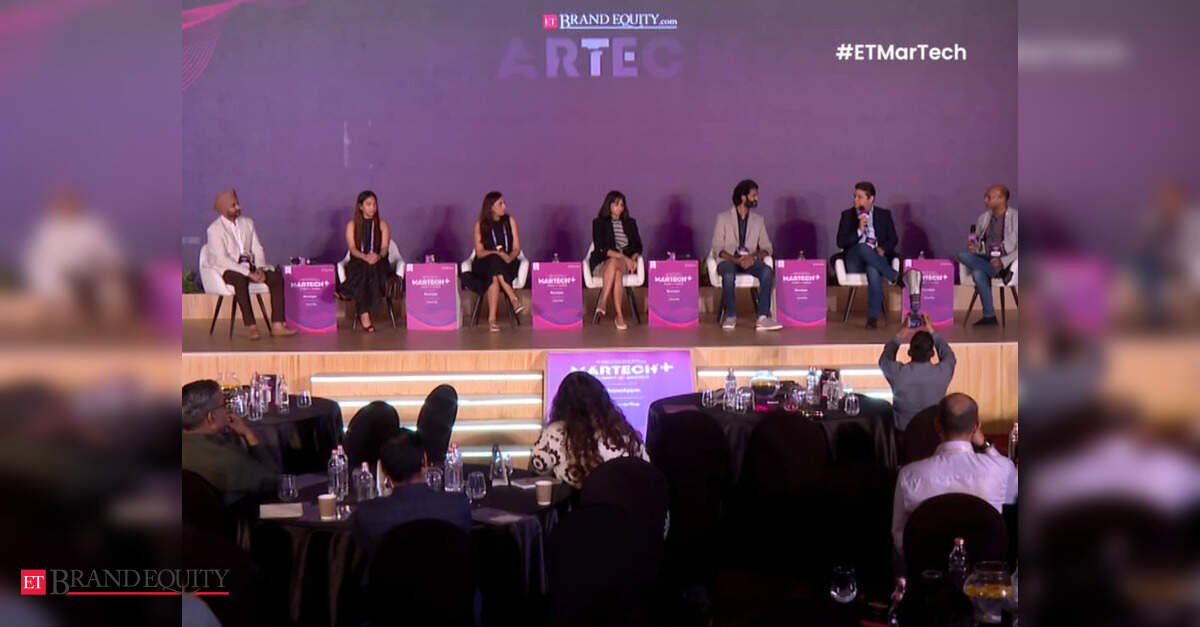
This strategic shift was the focal point of the recent ET MarTech+ Summit 2026, where industry experts from the insurance, beauty, fashion, and hospitality sectors converged to discuss the future of the "Personalisation Stack." The consensus was clear: the winning brands of the next decade will be those that understand why a customer is engaging, rather than merely documenting who they are.
The Strategic Shift: Moving from Identity to Intent
For years, marketing automation was driven by demographic data—age, location, and gender. While these metrics remain foundational, they no longer suffice for driving conversion in a cluttered marketplace. Today’s personalization strategies are increasingly anchored in "intent-based" marketing.
Shubham Choudhary, SVP and Business Head of Growth at Policybazaar.com, underscored this transition during the MarTech Dialogues session. "Personalisation is very rarely about getting somebody’s name right or wrong," Choudhary noted. "It’s more importantly about identifying why you’re here."
In the insurance sector, this philosophy is critical. A misaligned product recommendation is not just a marketing failure; it is a long-term liability. By leveraging granular data—such as income, family structure, and previous interaction history—insurers can ensure that the product suggested actually meets the user’s life-stage needs. This reduces the risk of policy mismatch and fosters long-term customer trust.
Chronology of Evolution: From Mass Marketing to Individual Precision
The journey toward true personalisation has been a steady march toward granularity. The industry evolution can be categorized into three distinct phases:
- The Mass-Market Era (Pre-2015): Marketing was characterized by broad-brush segmentation. Products were pushed to large, homogenous audiences with uniform messaging.
- The Segmented Era (2015–2022): Brands began grouping customers based on shared behaviors or demographics, allowing for tailored messaging at the segment level.
- The Individual/Contextual Era (2023–Present): The current frontier. Brands now strive to treat every interaction as a unique event, fueled by real-time behavioral data and cross-channel context.
Manish Mahajan, VP and Head of Prime Broking at Digit, described this evolution as a move toward "precision." According to Mahajan, Digit’s current endeavor is to transition from segmented marketing to truly individual-level engagement. This isn’t restricted to the initial acquisition phase; it now encompasses customer servicing, new product development, and the holistic management of customer lifetime value (CLV).
Supporting Data and Sector-Specific Applications
Different industries are approaching the personalisation challenge with unique lenses, often dictated by the nature of the product and the frequency of the purchase.
Beauty: Education vs. Replenishment
For brands like MamaEarth and The Derma Co., the consumer’s stage in the category is the primary driver of content. Snigdha Anand, SVP of Marketing, explains that a new customer—one unfamiliar with, for example, high-potency serums—requires a different "stack" of content compared to a loyalist.
- New Customers: Focus is placed on educational content, addressing "why" the product matters and how it outperforms competitors.
- Repeat Customers: The focus shifts to replenishment cycles, routine maintenance, and cross-selling complementary products.
Furthermore, digital platforms enable regional customization, where brands can adapt communication based on local skin concerns, such as regional acne prevalence or climate-driven needs.
Fashion: Driving Discovery Over Intent
While many retail sectors focus on satisfying existing search intent, fashion brands like Libas are leveraging personalization to drive discovery. Nisha Khatri, Head of Marketing at Libas, notes that while removing friction for a customer searching for a specific item is standard, the real value lies in predicting what the customer wants before they know it themselves.
Libas utilizes a three-tiered approach:
- Functional: Past browsing and purchase history.
- Contextual: Occasion-based signals (e.g., upcoming weddings or birthdays).
- Emotional: Storytelling, creator partnerships, and brand perception to build a deeper connection.
Hospitality: The Human Element
Divya Aggarwal, Chief Growth Officer at Impressario Entertainment and Hospitality, highlighted that hospitality has been the "OG" of personalisation, long predating digital data. The challenge today is integrating high-tech data—such as visit frequency and consumption patterns—with the "warmth" of human service. The danger, she warns, is over-digitizing the experience to the point where the hospitality feels cold or robotic.
The Role of MarTech Infrastructure
As journeys become more fragmented across mobile apps, social media, websites, and physical stores, the technology stack acts as the glue holding the narrative together.

Harinder Singh Jaura, Associate VP of Customer Success at Wingify (the parent company of VWO and AB Tasty), emphasized that their platform focuses on capturing "micro-moments." By tracking behavior across multiple sessions—such as cart abandonment vs. completed transactions—brands can build a dynamic profile that informs future interactions. Without this centralized decisioning layer, the customer experience becomes disjointed, with different channels essentially "not talking" to one another.
Critical Challenges: The Fragility of Data
Despite the advancements in MarTech, the panel highlighted significant hurdles that prevent many brands from achieving true personalisation:
- Data Fragmentation: Many organizations suffer from "siloed" data. The customer who shops online is often not recognized as the same person who visits the physical store, leading to inconsistent pricing, conflicting offers, and poor service.
- The Over-Messaging Trap: Many marketers mistake "frequency" for "personalisation." Bombarding a customer with irrelevant offers based on a single search query often leads to brand fatigue and unsubscriptions.
- Identity Resolution: Addressing a customer by the wrong city or targeting them with products they have already purchased are common failures caused by poor data hygiene.
Implications for Future Strategy
The insights from the ET MarTech+ Summit suggest that the future of brand loyalty depends on three pillars:
- Unified Data Strategy: Brands must prioritize breaking down silos between CRM, website, and offline data to ensure a "single view of the customer."
- Contextual Awareness: Personalisation must move away from static profiles toward dynamic, real-time contextual awareness. If a customer is browsing for a wedding gift, the brand’s messaging should reflect that occasion, not their lifetime shopping history.
- Omnichannel Harmony: The transition from online to offline must be frictionless. As seen in the beauty and hospitality sectors, physical stores are increasingly becoming "data-enabled" spaces where store associates can access real-time insights to enhance the customer experience.
Final Thoughts
As the industry moves toward 2026 and beyond, the definition of success in personalisation will no longer be measured by the sophistication of the tool, but by the relevance of the conversation. Brands that can balance the cold, hard logic of data with the human need for empathy and context will undoubtedly lead the market. In an era of infinite choice, the most personalized experience is the one that makes the customer feel seen, understood, and valued—not just as a data point, but as a human being with evolving needs.



