










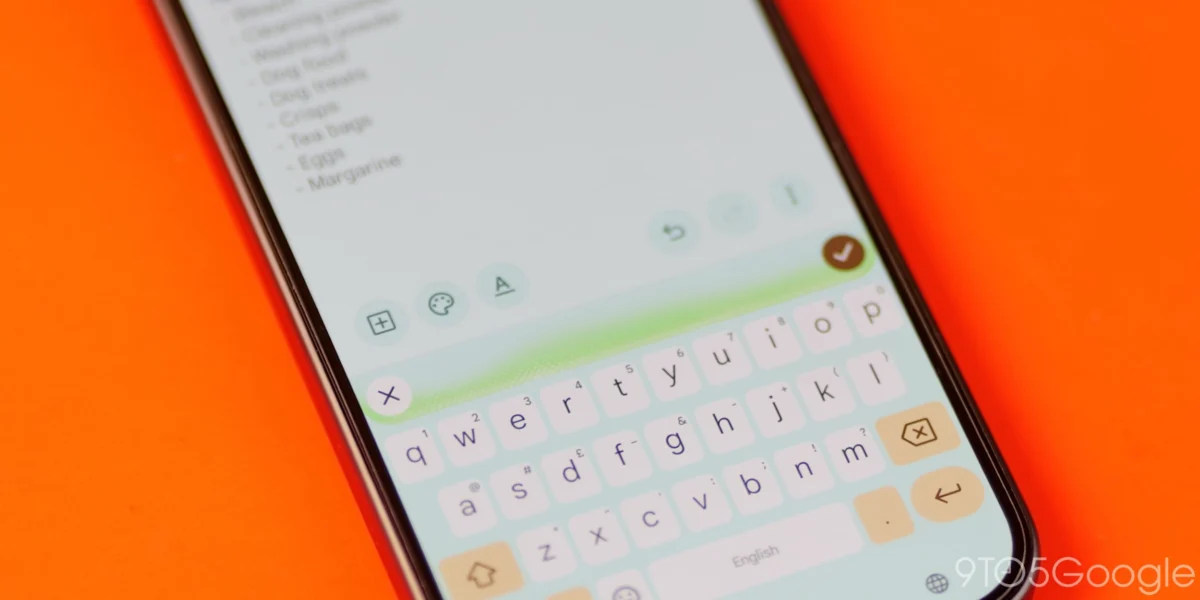
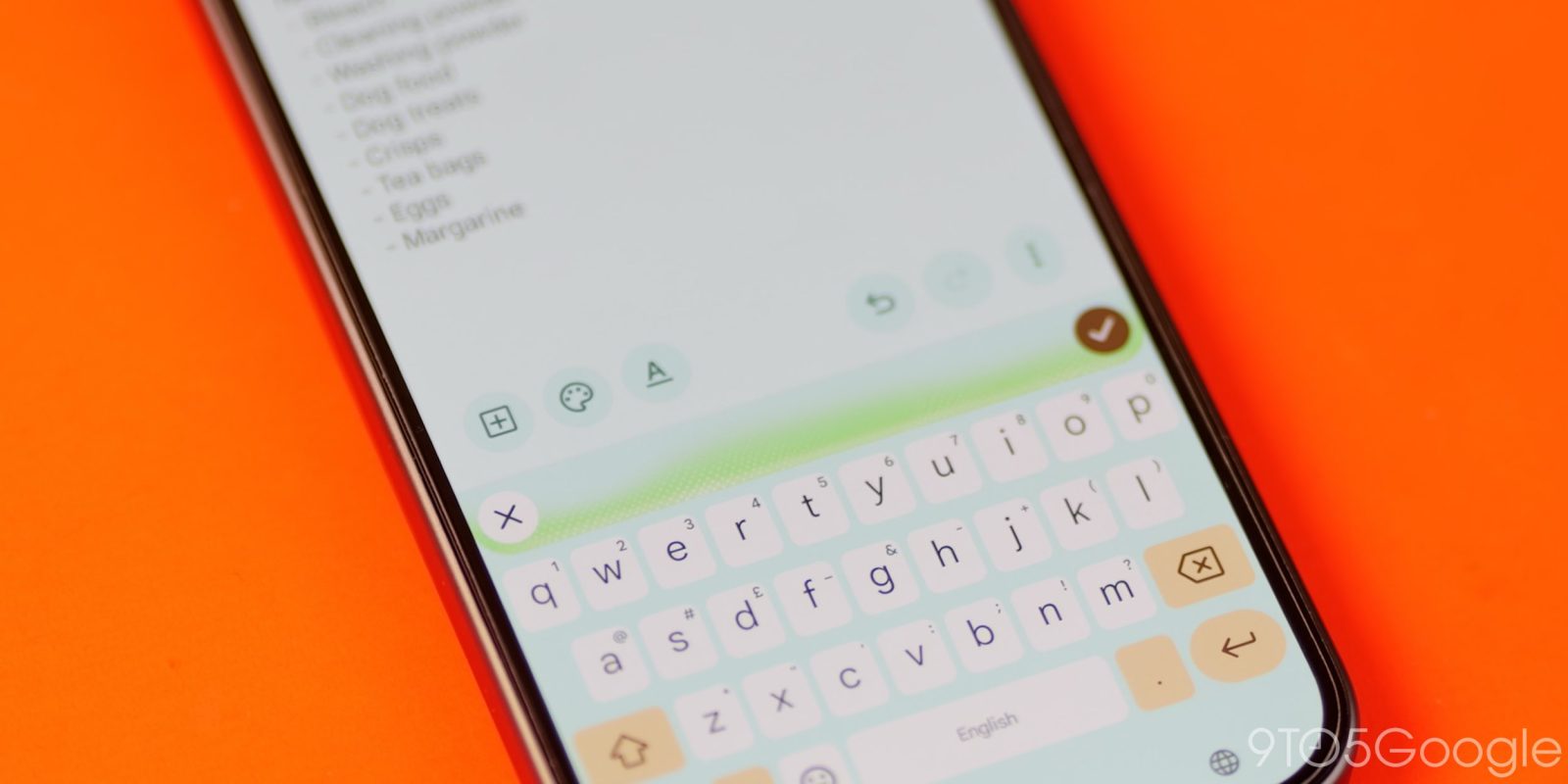
The landscape of mobile productivity was fundamentally altered with the introduction of the Google Pixel 11 and its integrated "Rambler" technology. Positioned as a flagship AI feature, Rambler transformed the often-frustrating experience of mobile voice-to-text into a seamless, intelligent process. However, the exclusivity of this feature—restricted to Google’s latest hardware—left many power users frustrated. Now, a community-driven development effort known as "PixelBoard" has effectively bridged this gap, allowing users of virtually any Android device to experience the power of Rambler, provided they are willing to navigate the complexities of third-party software installation.
Main Facts: The Rise of the Rambler Mod
Rambler represents a significant leap forward in conversational AI. Unlike traditional dictation tools that transcribe speech verbatim—including every stutter, "um," "ah," and grammatical slip—Rambler operates as a post-processing engine. It takes raw voice input and utilizes local and cloud-based AI models to refine the output. The result is a clean, grammatically sound, and properly formatted block of text that feels as though it was professionally drafted rather than dictated.
The core of the issue for non-Pixel 11 users was the artificial software wall erected by Google. While the hardware requirements for such processing are non-trivial, the community quickly realized that the Gboard framework itself was capable of supporting these calls if unlocked. Enter "PixelBoard," a modified version of the ubiquitous Gboard keyboard app. By stripping away the hardware-specific checks that Google implemented, developers have enabled Rambler’s advanced writing tools to function on a wide array of devices, from older Pixel iterations to third-party hardware like the Samsung Galaxy Z Fold 8.
Chronology of Development
The saga of the Rambler port began almost immediately following the official launch of the Pixel 11 series in September 2026.
- Mid-September 2026: The Pixel 11 hits store shelves, with marketing heavily favoring the new "Rambler" AI voice-to-text integration as a primary selling point. Early reviews praise the technology’s ability to clean up messy dictation, but lament its exclusivity.
- Late September 2026: Tech enthusiasts on platforms like X (formerly Twitter) and Reddit begin reverse-engineering the Gboard APK. The goal is to isolate the specific binary calls that trigger the Rambler AI writing tools.
- Early October 2026: A developer releases the first functional iteration of "PixelBoard" on GitHub. The initial build is rough, requiring manual sideloading and potential patching of existing Gboard installations.
- Mid-October 2026: Early adopters begin reporting successful implementations on a variety of non-Google devices. Reports surface from users on high-end foldable devices and mid-range Android phones, confirming that the "gate" was indeed purely software-based.
Supporting Data: Why Rambler is a Paradigm Shift
The transition from standard transcription to AI-enhanced drafting is not merely a convenience—it is a change in how we interact with mobile devices. Standard Voice-to-Text (VTT) has historically suffered from "transcription fatigue," where the user must spend more time editing the errors than it would have taken to type the message manually.
Data suggests that standard VTT has an error rate of roughly 10–15% in casual environments, particularly regarding punctuation and sentence structure. Rambler, by contrast, uses a Large Language Model (LLM) to parse the intent of the speaker. Instead of transcribing "uh I need to buy milk" as a literal string of text, Rambler processes the intent to provide: "I need to buy milk."
Furthermore, the integration of "personalized suggestions" allows the AI to learn the user’s specific writing style, jargon, and common vocabulary. This level of refinement was previously only available in specialized, paid desktop software, making its presence on a mobile keyboard a milestone for productivity.
Technical Risks and Installation Realities
While the allure of having Pixel 11-exclusive features on a legacy device is high, the "PixelBoard" project comes with significant caveats. The installation process is not supported by Google, and it bypasses the standard safety checks of the Google Play Store.

The "Sideloading" Dilemma
Sideloading an APK involves installing an application from a source other than the official Play Store. This inherently opens the device to potential security vulnerabilities. While the current GitHub repository for PixelBoard is open-source and has been vetted by the enthusiast community, there is no guarantee that future builds or forks of the project will remain malicious-free.
Performance and Stability
Users who have successfully installed the mod report varying degrees of success. While it runs flawlessly on flagship devices like the Galaxy Z Fold 8, older devices with limited RAM or older chipsets may struggle to handle the high-intensity AI processing required by Rambler. Users have reported increased battery drain and occasional keyboard "crashes" during intense dictation sessions, which is to be expected when running software outside of its intended environment.
Official Responses and Corporate Strategy
As of late 2026, Google has remained characteristically silent regarding the "PixelBoard" project. In the past, the company has taken a mixed approach to modding culture. While it allows for a highly open Android ecosystem, it often patches out exploits that enable premium features on non-supported hardware to protect its revenue streams and "exclusive" value propositions.
Industry analysts suggest that Google’s strategy is twofold:

- Market Differentiation: By keeping high-end AI features exclusive to the latest Pixel generation, Google creates a strong incentive for users to upgrade their hardware annually.
- Infrastructure Costs: AI processing is expensive. By limiting the user base to the newest chips (which contain specialized Tensor processing units), Google manages the server-side load and latency costs associated with the cloud-based components of Rambler.
It is highly likely that if the mod continues to gain popularity, Google may issue a server-side update that invalidates the authentication tokens used by the modded app, effectively killing the feature for unauthorized users.
Implications for the Future of Android
The emergence of the PixelBoard mod is a microcosm of a larger tension within the Android ecosystem: the battle between "Google-as-a-service" and the original "open-source" philosophy of the platform.
The Commoditization of AI
As AI features become the primary differentiator for new smartphones, the pressure to "unlock" these features will only grow. If a developer can port a feature as complex as Rambler in a matter of weeks, it suggests that the "exclusivity" of these features is becoming increasingly fragile. Manufacturers may find it harder to justify high price tags for "AI-only" hardware if those features can be easily sideloaded onto cheaper, older devices.
Alternatives for the Conservative User
For those who are uncomfortable with the risks of sideloading or modifying their system files, the market is beginning to respond. Microsoft’s SwiftKey has recently introduced its own AI-enhanced voice tools that mimic many of the functions found in Rambler. While it may not offer the exact "Google ecosystem" experience, it provides a stable, play-store-approved alternative for users who want advanced transcription without the security concerns of third-party modifications.

Conclusion
The "PixelBoard" project is a testament to the ingenuity of the Android developer community. It has successfully democratized one of the most exciting mobile features of 2026, proving that many "hardware-exclusive" features are, in fact, software-limited.
However, users must weigh the benefits against the reality of the situation. Installing modified system software is a gamble that requires technical competence and a high tolerance for instability. For the power user, it is a gateway to peak productivity. For the average consumer, it is a reminder that while the Android ecosystem remains open, the "official" path is still the only one that guarantees security and reliability. As the AI arms race continues, the struggle between manufacturer exclusivity and community-driven access will undoubtedly remain one of the most compelling narratives in mobile technology.



