



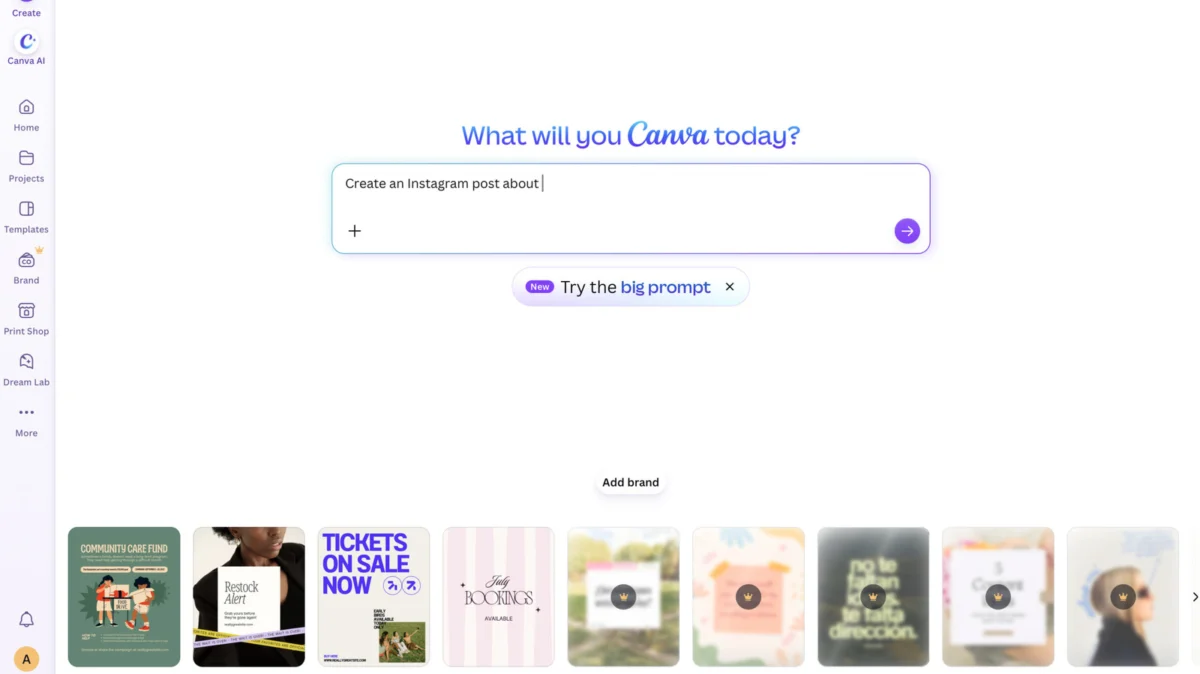
In a significant shift for the design industry, Canva—the ubiquitous graphic design platform—has announced a new suite of user controls that allow subscribers to disable most of its generative artificial intelligence features. As AI integration becomes the standard for creative software, this move represents a rare acknowledgment of user autonomy and the ongoing debate surrounding AI’s role in professional and personal creative workflows.
The update, which applies to both Free and Pro tiers, provides users with granular control over their experience, allowing them to strip away much of the AI-driven automation that the company has spent the last year aggressively implementing.
The Core Facts: What Is Changing?
Canva is rolling out two primary settings designed to empower users who may prefer a more traditional, manual design environment or who have concerns regarding AI-generated content.
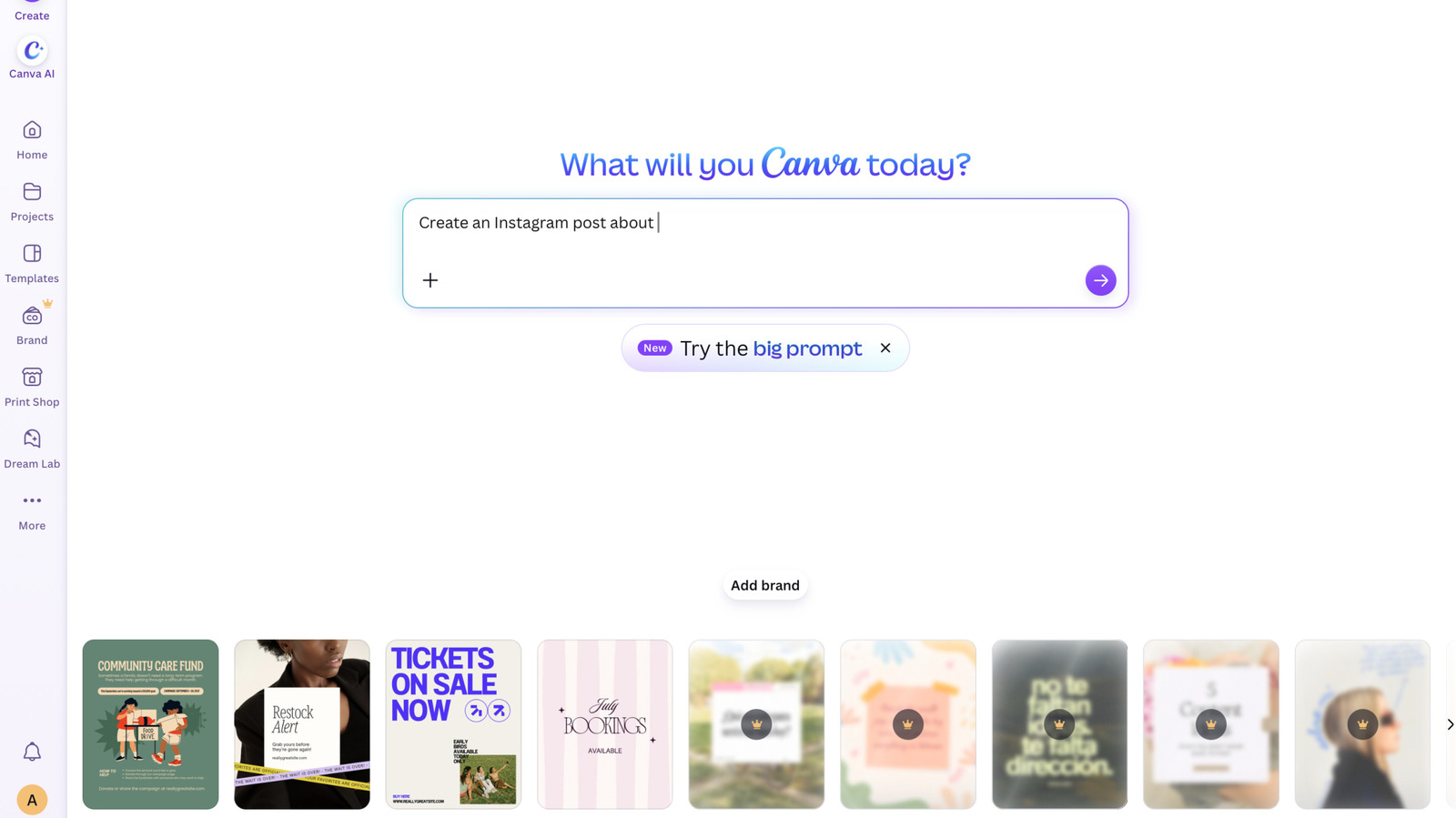
- Global Generative AI Toggle: Users can now navigate to their profile settings to toggle "Enable generative AI features" on or off. This setting serves as a master switch for the platform’s AI-powered generation tools, effectively silencing the influx of predictive and generative prompts that have become common across the Canva interface.
- Library Content Personalization: The second setting allows users to "reduce" the frequency with which AI-generated images appear in their search results and template recommendations. By adjusting this within the "AI personalization" section of their account, users can curate a library experience that leans more heavily toward human-created assets rather than machine-generated content.
While these tools provide a significant "off" switch, Canva has clarified that some utility-based AI tools—such as Background Remover and Magic Grab—will remain functional. These features are classified by the company as "predictive" or "analytical" rather than "generative," as they manipulate existing image data rather than creating new content from text prompts.
Chronology: The Rapid Ascent of Canva’s AI Ecosystem
To understand the significance of this reversal, one must look at the rapid timeline of Canva’s AI adoption over the past 18 months.
- Early 2023: The "Magic" Expansion: Canva launched its "Magic Studio," a comprehensive suite of AI tools designed to compete with enterprise-level creative software. This included text-to-image generators, AI writing assistants, and automatic resizing tools.
- Late 2023: Integration Deepens: The platform integrated these tools into every corner of the user experience, from presentation slides to social media post generators. During this phase, Canva positioned itself as an "AI-first" design company, aiming to make professional-grade design accessible to non-designers through automation.
- Mid-2024: Mounting Feedback: Throughout the first half of this year, a subset of Canva’s massive user base—which spans from amateur hobbyists to corporate marketing teams—began to express fatigue regarding the "clutter" of AI prompts and the prevalence of AI-generated assets in search results.
- Q3 2024: The Implementation of Choice: Recognizing the need for a more customizable interface, Canva’s product teams began developing the opt-out mechanisms released today. This marks the company’s transition from an "AI-only" strategy to a "user-choice" philosophy.
Supporting Data: Why User Control Matters
The move by Canva is not merely a gesture of goodwill; it is a calculated response to shifting market sentiment. According to recent industry surveys, creative professionals and small business owners are increasingly wary of "AI fatigue."
Data from the digital creative sector suggests that while 70% of users utilize AI tools for basic productivity tasks (like resizing or color correction), a significant 40% of professional users express frustration when AI-generated content interferes with their specific creative vision or branding standards. By allowing users to reduce AI content in their libraries, Canva is addressing a critical pain point: the homogenization of design. When every user has access to the same AI-generated images, original branding becomes harder to maintain. By offering a path to turn off these suggestions, Canva is effectively allowing professionals to revert to a more controlled, human-centric design environment.
Official Perspectives and Technical Limitations
Canva has been transparent about the technical boundaries of these new controls. In official documentation released alongside the update, the company highlights that while the user experience can be significantly "de-AI-ed," it cannot be entirely removed.
The "Utility" Exception
The company distinguishes between generative AI and utility AI. Tools like the "Background Remover" are deemed essential to the core functionality of the platform. Because these tools do not generate new pixels based on a prompt but rather intelligently mask existing ones, they are not subject to the opt-out toggle. Furthermore, because these tools do not generate content, they do not trigger the metadata tagging system that Canva uses to identify AI-generated assets.
The "Reduced" Search Results
Regarding the library personalization setting, the company is careful with its terminology. They state that the setting will "reduce the odds" of seeing AI-generated images. This is because, in a modern database of millions of assets, completely filtering out AI content is technically complex and potentially detrimental to the speed of search results. Users should view this as a preference-based filter rather than a total exclusion zone.
Implications: The Future of Creative Platforms
The introduction of these controls signals a turning point in the "AI Wars" within the software industry. Canva’s decision has several far-reaching implications for the future of digital design.
1. The Rise of "Human-in-the-Loop" Design
For years, the industry narrative has been that AI will replace the need for manual design. Canva’s pivot suggests the opposite: that the most successful platforms will be those that provide AI as an option rather than a requirement. This "human-in-the-loop" model acknowledges that professional designers often view AI as a distraction or a hindrance to creative authenticity.
2. Branding and Intellectual Property Concerns
By allowing users to limit AI-generated imagery, Canva is tacitly acknowledging the ongoing controversy surrounding AI copyright. Many corporations have strict internal policies against using generative AI due to the ambiguity surrounding who owns the copyright to machine-generated assets. By allowing these companies to switch off the generative features, Canva makes itself a safer, more compliant option for enterprise clients with rigid legal requirements.
3. Setting a New Standard for Transparency
Canva is setting a precedent that other platforms—such as Adobe, Figma, and Microsoft Designer—will likely be pressured to follow. If the user base demonstrates a strong preference for "AI-optional" workflows, competitors will be forced to implement similar granular controls to avoid losing users who are sensitive to the "AI-ification" of their software tools.
4. A Shift in Search Algorithms
The inclusion of an AI-personalization setting for search results suggests that Canva is refining its search algorithm to prioritize human-made content when requested. This could lead to a renaissance of human-made assets on the platform, as designers realize that the system now respects their preference for non-AI work.
Conclusion: A Balanced Approach
Canva’s decision to allow users to turn off generative AI is a sophisticated move that balances innovation with user agency. It proves that the company understands that the "future of work" is not one-size-fits-all. While the company continues to invest heavily in the potential of AI to accelerate creative tasks, it is simultaneously acknowledging that the best creative tools are those that stay out of the way when the user wants to work manually.
As this rollout continues across the global user base, the creative community will be watching closely to see if other platforms follow suit. The move may well mark the beginning of a new phase in software development: the era of "informed choice," where users decide not just how they use a tool, but how much machine intelligence they want guiding their creative process.
For now, the power is in the user’s hands. By visiting the "permissions" and "AI personalization" tabs in their profile, Canva users can reclaim their digital workspace, proving that even in the age of automation, the final word on design belongs to the human creator.