





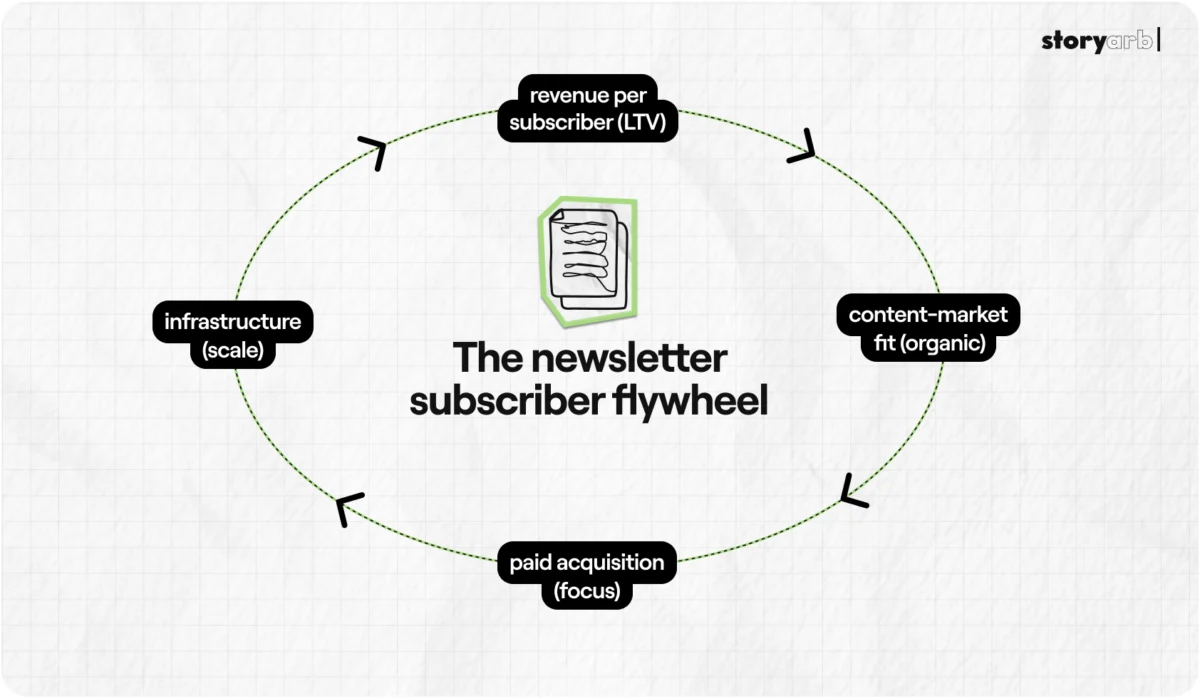
In the modern digital publishing ecosystem, the metric of "subscriber count" is often treated as the ultimate barometer of success. However, for those building sustainable, independent media businesses, the obsession with vanity metrics can be a fatal distraction. True, long-term growth is not merely about the final tally of your mailing list; it is about the strategic integration of audience value, content quality, and infrastructure. Whether you are a nascent creator struggling to secure your first 100 followers or an established publisher hitting a plateau, the path forward requires a shift from passive accumulation to active, loop-based growth.
Main Facts: The Economics of Attention
At its core, the business of newsletters is an exercise in subscriber economics. A high number of subscribers does not automatically equate to revenue if those subscribers are not engaged or aligned with your monetization model. The fundamental shift in perspective for any publisher is to view the newsletter not just as an email service, but as a business entity.
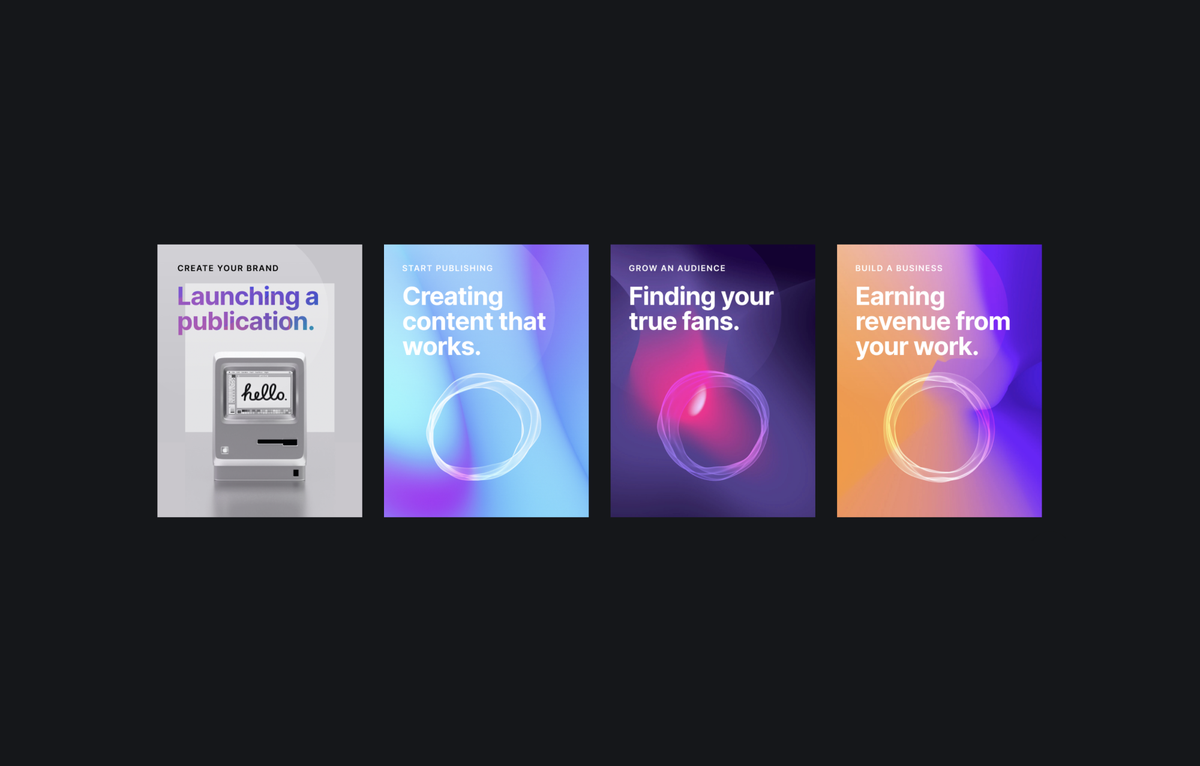
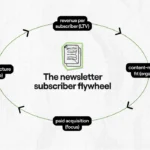
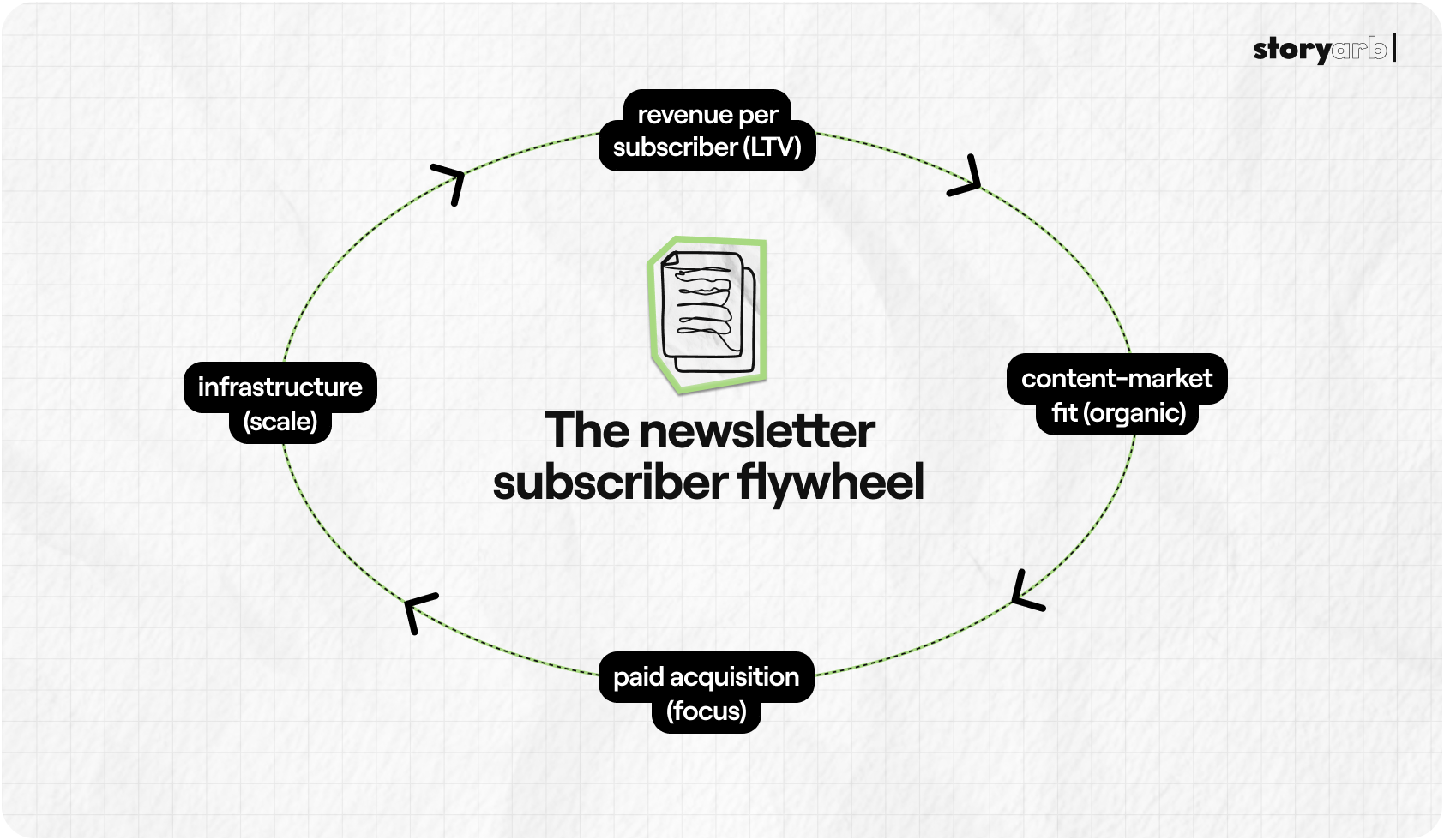
The most successful publications today treat their growth as a "loop." This involves a constant feedback cycle between discoverability, distribution, and infrastructure. As Jen Levisen of storyarb highlights, the "newsletter growth loop" is the engine that drives a publication from a side project to a professional enterprise. This process requires a granular understanding of who your reader is and, more importantly, what your content is worth to them.
Chronology of Growth: From Zero to Scale
Building a subscriber base is rarely linear. It follows a distinct developmental arc that successful creators often mirror:

- The Traction Phase (0–1,000 subscribers): This is the "hustle" period. Growth is almost entirely manual. Creators must lean on direct outreach, personal networks, and high-touch community engagement. The focus here is on proof-of-concept—confirming that your voice has an audience.
- The Optimization Phase (1,000–10,000 subscribers): As the initial surge wanes, the publisher must transition to systematic growth. This involves doubling down on what works, pruning what doesn’t, and refining the onboarding experience.
- The Institutional Phase (10,000+ subscribers): At this stage, growth becomes a matter of infrastructure. You are no longer just writing; you are managing a product. You must leverage cross-promotions, paid acquisition, and sophisticated SEO strategies to maintain momentum.
Supporting Data and Strategic Tactics
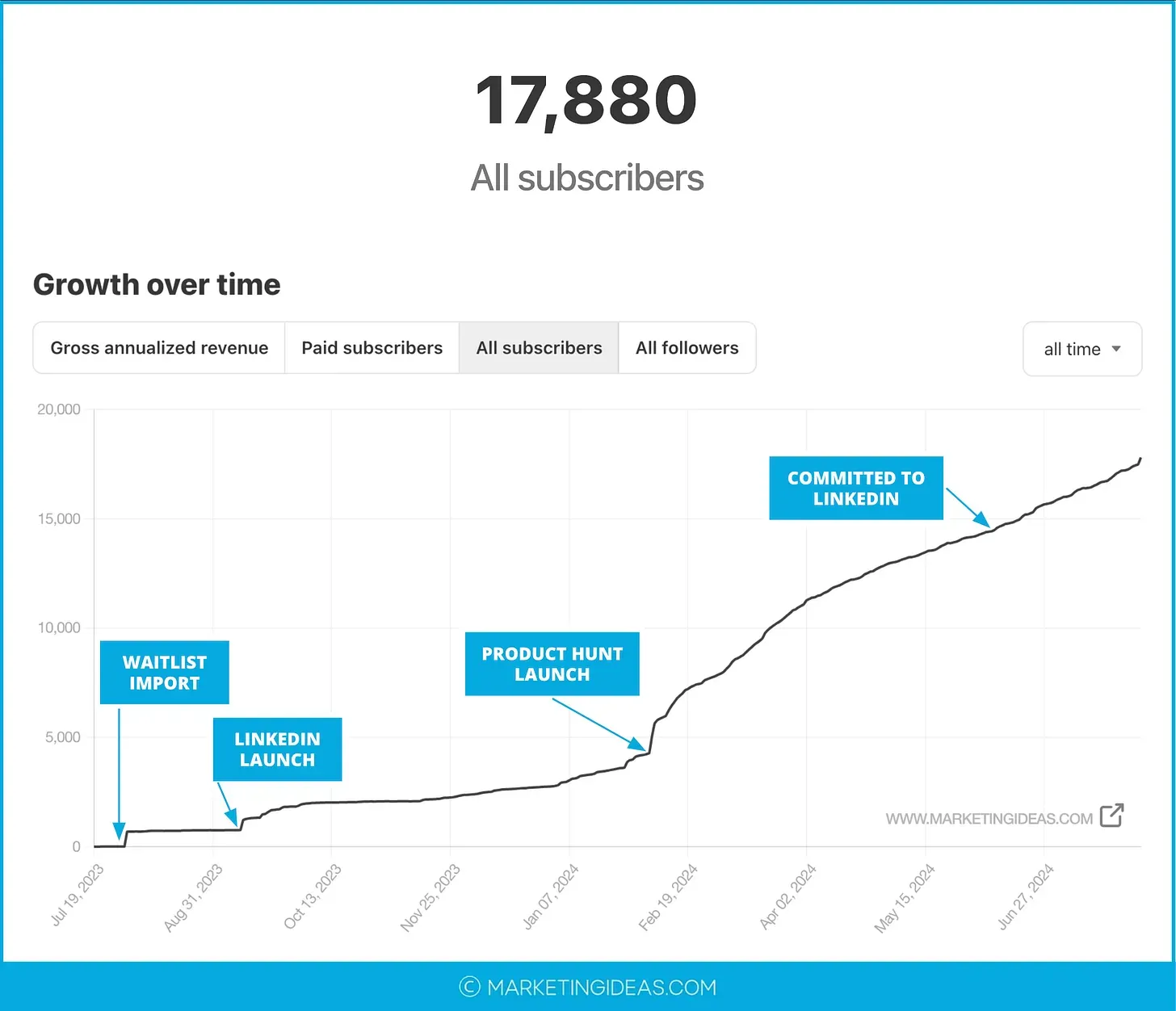
The data suggests that waiting for "organic momentum" is a high-risk strategy. Tom Orbach, the founder of Marketing Ideas, provides a blueprint for rapid scaling, having grown his own newsletter to over 18,000 subscribers in a single year. His methodology focuses on five pillars:
1. Early Aggression
Creators often hesitate to promote their work, fearing they aren’t "ready." Orbach suggests the opposite: start experimenting with different channels—partnerships, guest posts, and social media syndication—immediately. Early leverage creates a compound effect that organic growth simply cannot match.
2. Strategic Targeting
Do not cast your net into the ocean; fish in the aquarium. Target individuals who are already active newsletter readers. Through strategic guest posting and networking with peer publications, you can tap into pre-qualified audiences. Referrals from other established newsletters are, pound-for-pound, the most valuable source of high-intent subscribers.
3. Exploiting "Growth Spikes"
Platforms like Product Hunt or targeted niche forums are not long-term solutions, but they are essential for creating the "spikes" that drive awareness. These events generate a surge of traffic that, if funneled into a well-optimized landing page, can result in significant, lasting growth.

4. The Power of the Waitlist
Even before your content is fully developed, a waitlist acts as a pressure cooker for interest. By social-media-promoting a "coming soon" page, you capture early-adopter energy and transform passive interest into a tangible list of future readers.
5. Cross-Platform Integration
Don’t rely solely on SEO. Engage in active community participation. Answer questions on Reddit, contribute to industry-specific LinkedIn threads, and be present where the conversation is happening. This establishes authority and creates a funnel back to your publication.
The Critical Role of the Landing Page: Official Best Practices
The landing page is the "clearance" point of your entire business. If a potential subscriber arrives at your page and is met with confusion, a poor UI, or a vague value proposition, they will leave—often never to return. To ensure maximum conversion, publishers should adopt the following standards:
- Remove Friction: Eliminate distractions. Your sign-up form should be the primary, if not the only, call to action.
- Active Language: Replace the stagnant "Subscribe" button with action-oriented, benefit-driven text like "Unlock the latest" or "Join the movement."
- Social Proof: If you have numbers, show them. If you have accolades or expert endorsements, feature them prominently. Trust is the currency of the digital age.
- The "Peek Behind the Curtain": Include a visual preview of your newsletter. Readers are more likely to commit if they know exactly what the "product" looks like before they hit submit.
- Clarity of Mission: Why does your newsletter exist? What problem does it solve? If the reader cannot answer these questions in under five seconds, your landing page has failed.
Implications for the Future of Publishing
The implication of these findings is clear: the era of the "passive newsletter" is coming to an end. Today’s creators are becoming small-scale media companies. The barrier to entry has lowered, but the barrier to attention has never been higher.

The Shift Toward Intentionality
Moving forward, publishers must be as skilled in data analysis and distribution as they are in writing. The "growth loop" described by industry experts serves as a vital framework for this transition. By treating every subscriber as an investment and every landing page as a high-stakes pitch, publishers can insulate themselves against the volatility of the digital attention economy.
Sustaining the Loop
Once you have achieved growth, the challenge shifts to retention. An "enjoyable onboarding experience" is not just about the sign-up; it is about the "first-touch" email. The content you provide in the first 48 hours of a subscription determines whether that user becomes a lifetime reader or an unsubscriber within a month.

Conclusion: The Path Ahead
Growth is an iterative process. It is about taking the lessons learned from every milestone—every failed social media post, every successful collaboration, every high-converting landing page—and feeding them back into the system.
Whether you are aiming for your first hundred subscribers or your first hundred thousand, the philosophy remains the same: stop guessing and start building. Use your data to inform your intuition, keep your messaging tight, and never stop experimenting. The tools available today, from sophisticated email platforms to community-driven distribution networks, have made it easier than ever to build an audience—but the responsibility for scaling that audience remains entirely with the creator.
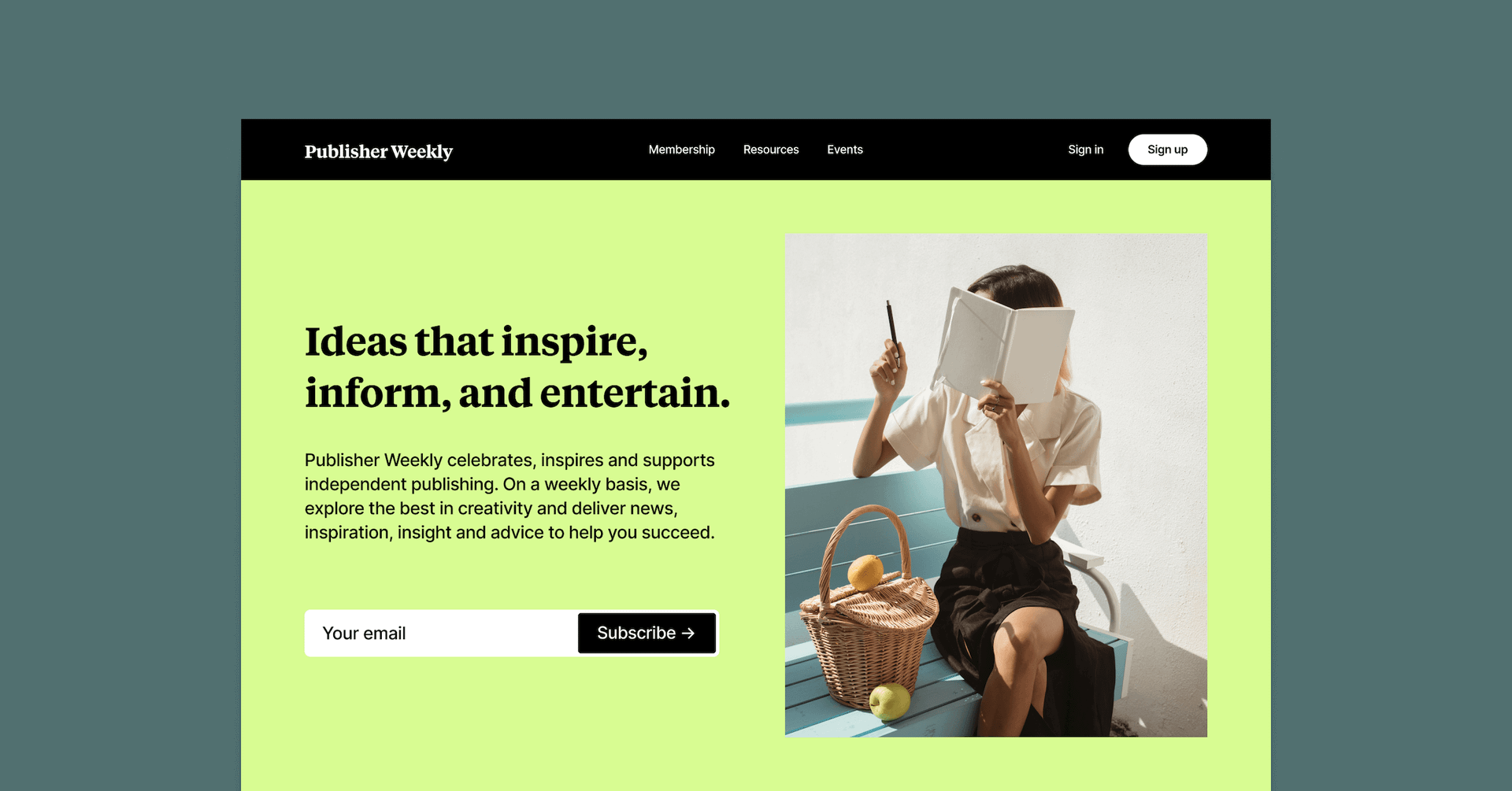
If you are ready to take your publication to the next level, start by auditing your current growth loop. Where is the friction? Where is the drop-off? Where is the untapped potential? The answers to those questions are the roadmap to your next phase of expansion. Now, let’s get to work.