







Executive Summary: A City at a Standstill
Waymo, the autonomous vehicle subsidiary of Alphabet Inc., has officially suspended its robotaxi operations across San Francisco following a series of high-profile incidents involving driverless cars becoming incapacitated in flooded intersections. As an intense atmospheric river event battered the Bay Area, the city’s streets became a proving ground for the limitations of current autonomous driving technology.
The suspension, confirmed by both social media reports from local officials and in-app notifications to users, marks yet another chapter in the strained relationship between autonomous vehicle (AV) companies and the urban environment. While Waymo has positioned itself as the industry leader in safety and reliability, the recent failure to navigate basic inclement weather conditions has reignited a fierce public debate regarding whether these vehicles are truly ready for the complexities of unpredictable, real-world climate events.
The Chronology of the Crisis
The trouble began early in the morning on November 18, 2026, as record-breaking rainfall triggered localized flooding throughout San Francisco. By mid-morning, the city’s social media feeds were flooded—quite literally—with images and videos of Waymo vehicles stranded in the middle of major thoroughfares.
- 10:00 AM: Initial reports surfaced on X (formerly Twitter) of autonomous vehicles idling in flooded crosswalks.
- 11:00 AM: Waymo officially confirmed the suspension of service, citing the need to prioritize safety until weather conditions improved.
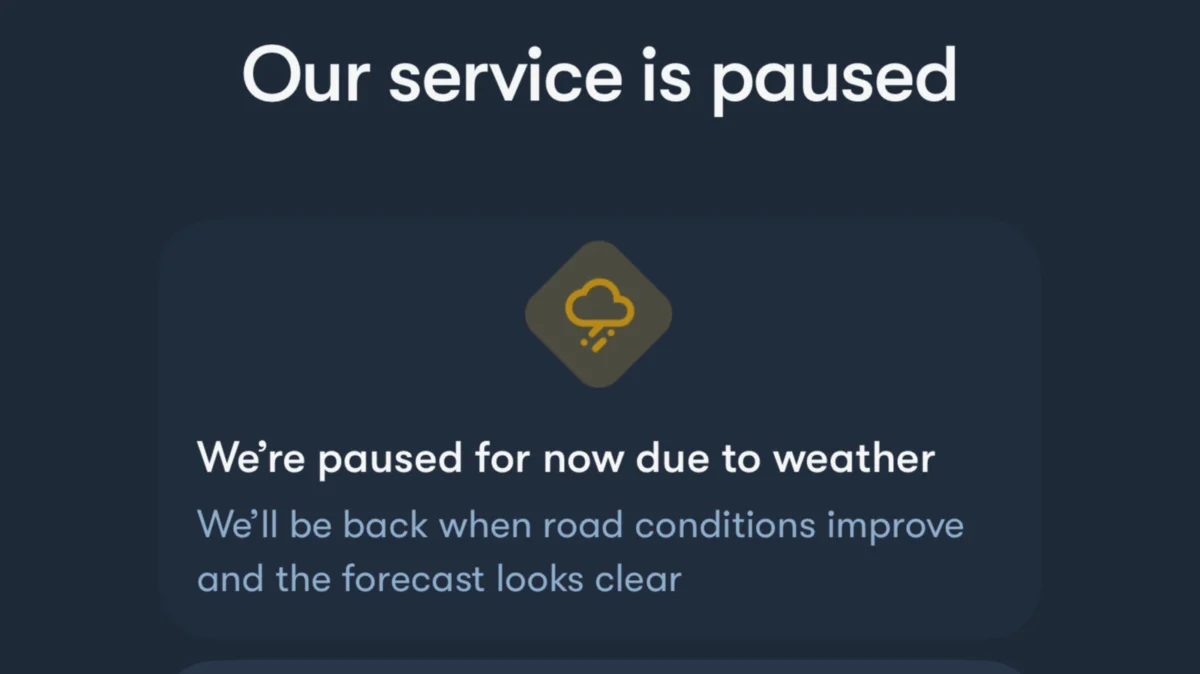
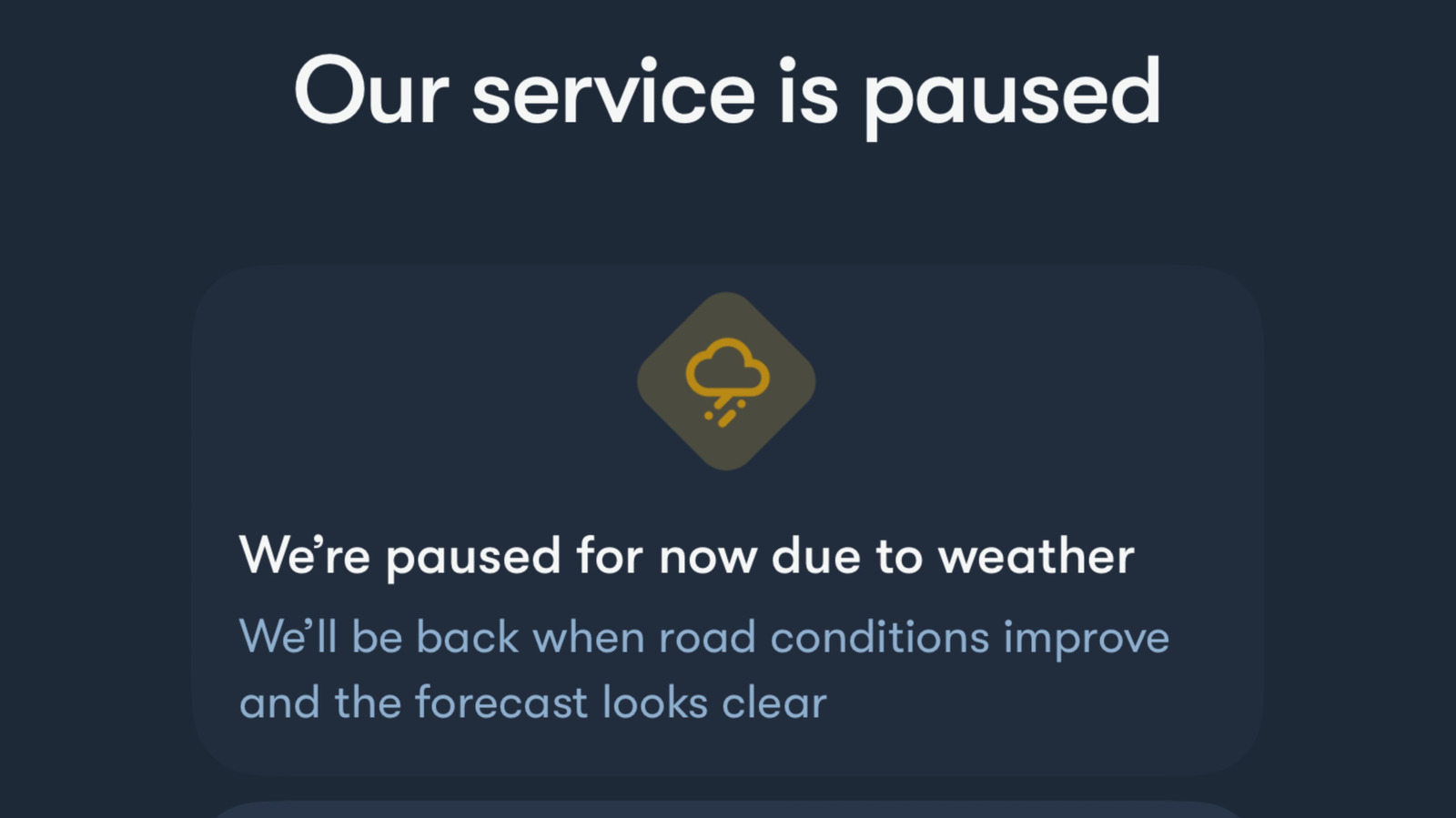
- 11:30 AM: Users attempting to hail a ride were met with an in-app message: "We’re paused for now due to weather." The message noted that service would only resume once road conditions were deemed clear and the forecast improved.
The visual evidence was stark. One video, shared by local residents, depicted a Waymo vehicle trapped in a flooded intersection, its sensors seemingly unable to process the depth of the water or the risk of movement. The vehicle sat stationary, forcing human drivers to maneuver dangerously around it. Another incident involved a passenger being instructed to remain inside their vehicle while it sat idled in the middle of a road, unable to safely navigate the surrounding deluge.
Analyzing the Technical Failure
The recurring nature of these incidents points to a significant gap in the software architecture governing Waymo’s fleet. At their core, Waymo vehicles rely on a combination of LiDAR, radar, and high-resolution cameras to build a 3D map of their surroundings. When roads flood, two primary issues occur:
- Sensor Obscuration: Heavy rain and water spray can interfere with the optical clarity of cameras and the precision of LiDAR pulses, leading to "noise" that the AI may interpret as a physical obstacle.
- Depth Perception and Risk Assessment: Modern AVs are trained to treat deep water as a "hard" obstacle. While this is a safety feature intended to prevent hydroplaning or water-logging the vehicle’s high-voltage battery system, the current programming lacks the nuance to distinguish between a harmless puddle and a flooded intersection that requires a detour.
This "stuck" state creates a secondary safety risk: by becoming immobilized in traffic, the robotaxis themselves become hazards, obstructing emergency vehicles and worsening traffic congestion during an already stressful weather event.
A Pattern of Disruption
This week’s events are far from an isolated incident. Waymo has been wrestling with the "environmental challenge" for years, with a string of failures that have led to regulatory interventions:
- December 2025: A massive power outage in San Francisco left a fleet of Waymo vehicles stranded at key intersections, creating a gridlock that lasted for several hours.
- May 2026: A major recall of nearly 4,000 vehicles was initiated after a robotaxi in San Antonio, Texas, drove directly into a flooded road. Despite a subsequent software update intended to fix the logic, similar incidents were reported in Atlanta shortly thereafter.
The fact that these issues persist across different geographies—from the dry heat of Texas to the mountainous, rainy terrain of San Francisco—suggests that the underlying logic for "adverse weather navigation" remains a "black box" problem that the company’s engineers have yet to fully solve.
The Regulatory Pressure Cooker
The suspension of service comes at the worst possible time for the company. Only 24 hours prior to the flooding incident, the California Department of Motor Vehicles (DMV) issued a directive that essentially banned Waymo from operating on state freeways, citing the vehicles as an "imminent hazard to public safety."
This dual blow—a regulatory ban on high-speed roads and a self-imposed suspension on local streets—has effectively paralyzed the company’s operations in its most significant market. The California DMV, under mounting pressure from local law enforcement and the San Francisco Municipal Transportation Agency (SFMTA), is clearly signaling a shift toward more stringent oversight.
Official Responses and Public Sentiment
In a statement provided to the press, a Waymo spokesperson emphasized that the safety of riders and the public remains the company’s "highest priority." They noted that the decision to pause was a proactive measure to avoid the types of dangerous driving conditions that led to the previous recalls.
However, local officials are far less forgiving. District 5 Supervisor Bilal Mahmood has been vocal about the impact on city infrastructure, stating that the city cannot afford to have its streets clogged by software-driven vehicles that "freeze" at the first sign of rain. "We need innovation that serves the city, not innovation that becomes an obstacle to the city’s basic functioning during an emergency," Mahmood noted in his social media update.
Public sentiment on social media has been polarized. Some tech proponents argue that the cars are merely being "cautious" and that this is a necessary growing pain for the transition to autonomy. Conversely, many San Francisco residents have expressed frustration, viewing the robotaxis as "beta-test" hardware being forced onto the public without adequate preparation for California’s unique climate.
Implications for the Future of Autonomy
The broader implications of this incident reach far beyond San Francisco. The autonomous vehicle industry is currently in a "show me" phase. After years of billions of dollars in investment, the public and investors are demanding proof of scalability.
- The "El Niño" Test: With meteorologists predicting a record-setting El Niño winter, the Bay Area is bracing for more frequent and intense atmospheric rivers. If Waymo cannot operate reliably during these months, the business case for a "24/7 autonomous ride-hail service" weakens significantly.
- The Regulatory Tightening: We are likely to see a shift from a "permissionless innovation" model to one of "pre-authorization." Future deployments of robotaxis will likely require rigorous testing in simulated "extreme weather" environments before being granted a permit for public roads.
- The Software-Hardware Divide: The industry may need to pivot toward more robust hardware, including better sensor cleaning systems and perhaps even a degree of "human-in-the-loop" remote operation for when vehicles encounter conditions that exceed their current AI capability.
Conclusion: Lessons from the Rain
The events of the past few days serve as a sobering reminder that while Artificial Intelligence has made leaps and bounds in processing power, it remains a rigid system in the face of the chaotic, fluid, and unpredictable reality of nature.
For Waymo, the path forward is clear but difficult: the company must move beyond simply "patching" software after failures and instead develop a more sophisticated, context-aware decision engine that can handle the nuance of the physical world. Until then, the promise of a fully autonomous future will remain just out of reach—held back by the very environment it seeks to navigate.
As the rain continues to fall on San Francisco, the city is left to wonder: when the streets finally dry, will the robotaxis return to the same problems, or has this latest pause finally triggered the structural change necessary for true, reliable autonomy? For now, the vehicles remain parked, and the city continues to watch closely.