










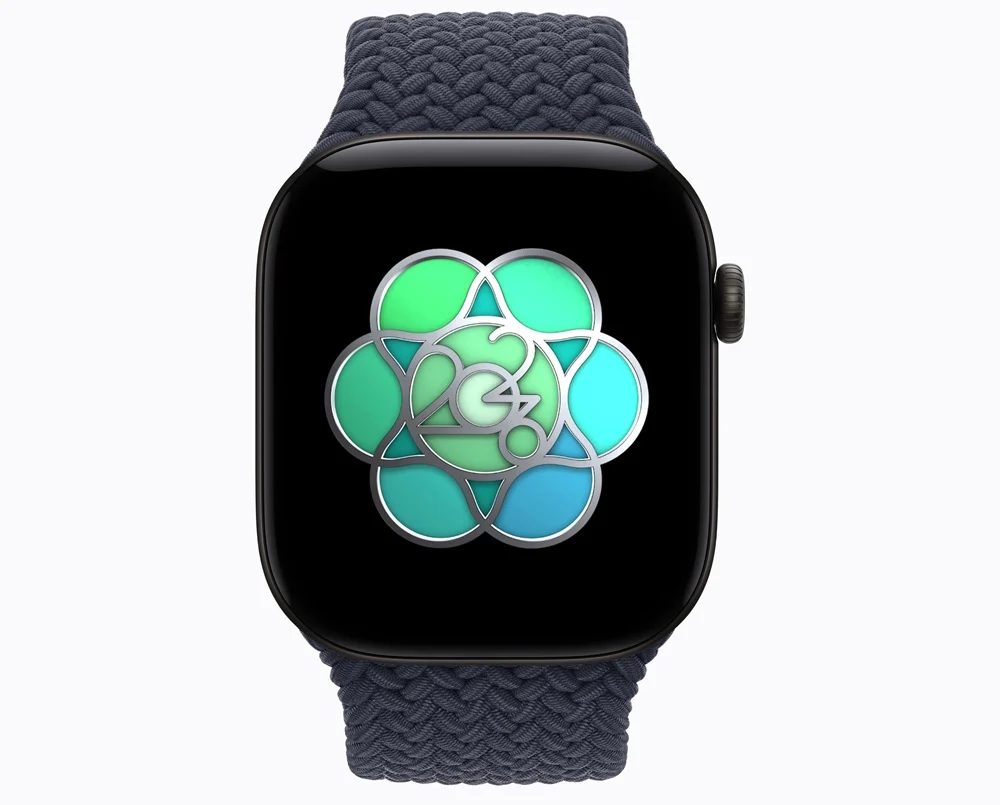
As global awareness regarding psychological well-being continues to gain momentum, technology companies are increasingly positioning themselves as essential partners in the human health journey. This Saturday, October 10, 2026, marks World Mental Health Day, and Apple has once again underscored its commitment to the intersection of hardware, software, and personal wellness. By integrating specialized fitness content, interactive digital awards, and sophisticated diagnostic-style assessments across its ecosystem, the Cupertino-based tech giant is aiming to move mental health from the periphery of personal care into the center of daily digital activity.
Main Facts: The 2026 Mental Health Initiative
Apple’s 2026 World Mental Health Day campaign is designed to be both celebratory and functional. At the core of the initiative is a two-pronged strategy: incentivizing mindfulness through gamified achievement and providing tangible tools for long-term psychological monitoring.
The centerpiece of the user-facing campaign is a limited-edition digital award for Apple Watch users. To earn this accolade, users must complete a 10-minute meditation or workout on October 10. Crucially, the requirement is flexible; the session can be logged through any application that syncs "Mindful Minutes" to the native Apple Health app, emphasizing Apple’s commitment to an open health-data ecosystem.
Simultaneously, Apple Fitness+ has debuted a specialized 20-minute "Sleep Meditation" session led by trainer Christian. This release is part of a broader push to address the often-overlooked connection between sleep hygiene and mental resilience. By leveraging the Apple Watch’s advanced biometric tracking, these tools do not merely offer passive content; they encourage a feedback loop where users can visualize the impact of their mental health practices on their overall physiological state.
Chronology of Apple’s Health Evolution
The 2026 initiatives are the culmination of a multi-year trajectory that saw Apple shift from a "fitness-first" wearable company to a holistic health provider.
- 2020–2021: Apple introduces the "Mindfulness" app to the Apple Watch, replacing the older "Breathe" app. This signaled a strategic pivot toward proactive mental wellness rather than just respiratory guidance.
- 2023: The integration of "State of Mind" tracking arrives. This was a watershed moment, as it allowed users to correlate emotional data with lifestyle factors like sunlight exposure, exercise duration, and sleep quality.
- 2024: The launch of the Journal app for iPhone and iPad introduced a cognitive-behavioral approach to wellness, using on-device machine learning to prompt users to reflect on their daily experiences, further bridging the gap between digital data and human introspection.
- 2026: The current World Mental Health Day campaign serves as a refinement of these tools, emphasizing integration. The focus has moved from "what features can we add" to "how can these features work in concert to improve the user’s daily life."
Supporting Data: The Science of Digital Well-being
Apple’s health strategy is grounded in the recognition that mental health is not a static state but a dynamic process. The data infrastructure provided by the Health app allows users to create a longitudinal study of their own mental health.
The Correlation Model
A significant component of the 2026 feature set is the correlation between emotional state and lifestyle metrics. By aggregating data from the Apple Watch—such as Heart Rate Variability (HRV), sleep duration, and activity levels—and comparing it against subjective "State of Mind" logs, the Health app provides users with a dashboard of their own resilience. For instance, a user might notice that their anxiety levels correlate with periods of low physical activity or irregular sleep patterns. This data-driven approach removes the guesswork from self-care, allowing users to make informed adjustments to their daily routines.
Clinical Assessment Tools
Furthermore, Apple has expanded its suite of mental health assessments. These tools allow users to screen for common symptoms of depression and anxiety using validated clinical questionnaires (such as the PHQ-9 and GAD-7). While Apple is careful to note that these are not diagnostic replacements for medical professionals, they serve as a critical bridge. By providing a "risk assessment" summary, the software empowers users to initiate informed conversations with their healthcare providers, potentially identifying issues much earlier than they might have otherwise.
Official Responses and Philosophical Alignment
Apple’s executives have frequently framed these features as an extension of the company’s core identity. While the company does not typically provide clinical advice, the design philosophy behind the Mindfulness app and Apple Fitness+ reflects a "human-centric" design language.
"Our goal is to give users the tools they need to understand their own minds as clearly as they understand their physical fitness," an Apple representative noted in a recent press briefing. The company emphasizes that privacy remains the cornerstone of these features. All mental health data, including journaling entries and assessment results, are encrypted on-device. Apple maintains that this "privacy-first" approach is essential for mental health features, as users are understandably wary of sharing their most intimate emotional struggles with third-party servers.
By keeping this data locked behind the Secure Enclave on the user’s device, Apple is positioning itself as a "trusted vault" for mental health, a critical distinction in an era where data privacy is a primary concern for consumers.
Implications: The Future of Digital Mental Health
The implications of Apple’s 2026 initiative are profound. By weaving mental health into the fabric of a device that hundreds of millions of people wear 24 hours a day, Apple is effectively normalizing mental health maintenance.
The Normalization of Mindfulness
When "Mindful Minutes" become as routine as "Move" or "Exercise" rings, the stigma surrounding mental health begins to erode. For the average user, the process of recording a mood or engaging in a guided meditation becomes a mundane, unremarkable part of the day—much like checking email or weather. This normalization is perhaps the most significant social contribution of the initiative.
The Professional-Consumer Bridge
The ability for users to export their health data—including mood trends and sleep patterns—as a PDF summary for doctors is a game-changer for the healthcare industry. It provides clinicians with a longitudinal view of a patient’s life that is far more accurate than subjective, once-a-month office reports. This integration of consumer technology into the clinical workflow has the potential to streamline treatment plans and improve outcomes for those suffering from chronic mental health conditions.
A New Frontier for Fitness+
The expansion of Apple Fitness+ into the domain of "stress navigation" programs—such as the six-episode course on managing anxiety—suggests that the platform is evolving beyond mere cardio and strength training. We are seeing a convergence where physical and mental health are treated as a singular, unified entity. As Apple continues to iterate on this, it is likely we will see more integration between real-time biometric sensors (like blood oxygen or stress markers via electrodermal activity) and automated mental health interventions.
Conclusion: A Holistic Vision
As we observe World Mental Health Day in 2026, it is clear that the role of technology in our emotional lives has shifted from a source of distraction to a potential source of stability. Apple’s latest initiatives do not claim to solve the complex, systemic issues that contribute to the global mental health crisis, but they provide the individual with a stronger toolkit to navigate their own experience.
Through the thoughtful combination of hardware-led biometric tracking, software-based cognitive tools like the Journal app, and content-led support through Fitness+, Apple is defining a new standard for how technology should treat the human experience. Whether it is through a 20-minute guided sleep meditation or a simple daily mood check-in, these small digital interactions are helping to build a more aware, informed, and resilient global community. For the user, the message is clear: your mental well-being is not just a secondary concern—it is a measurable, manageable, and essential part of your digital life.



