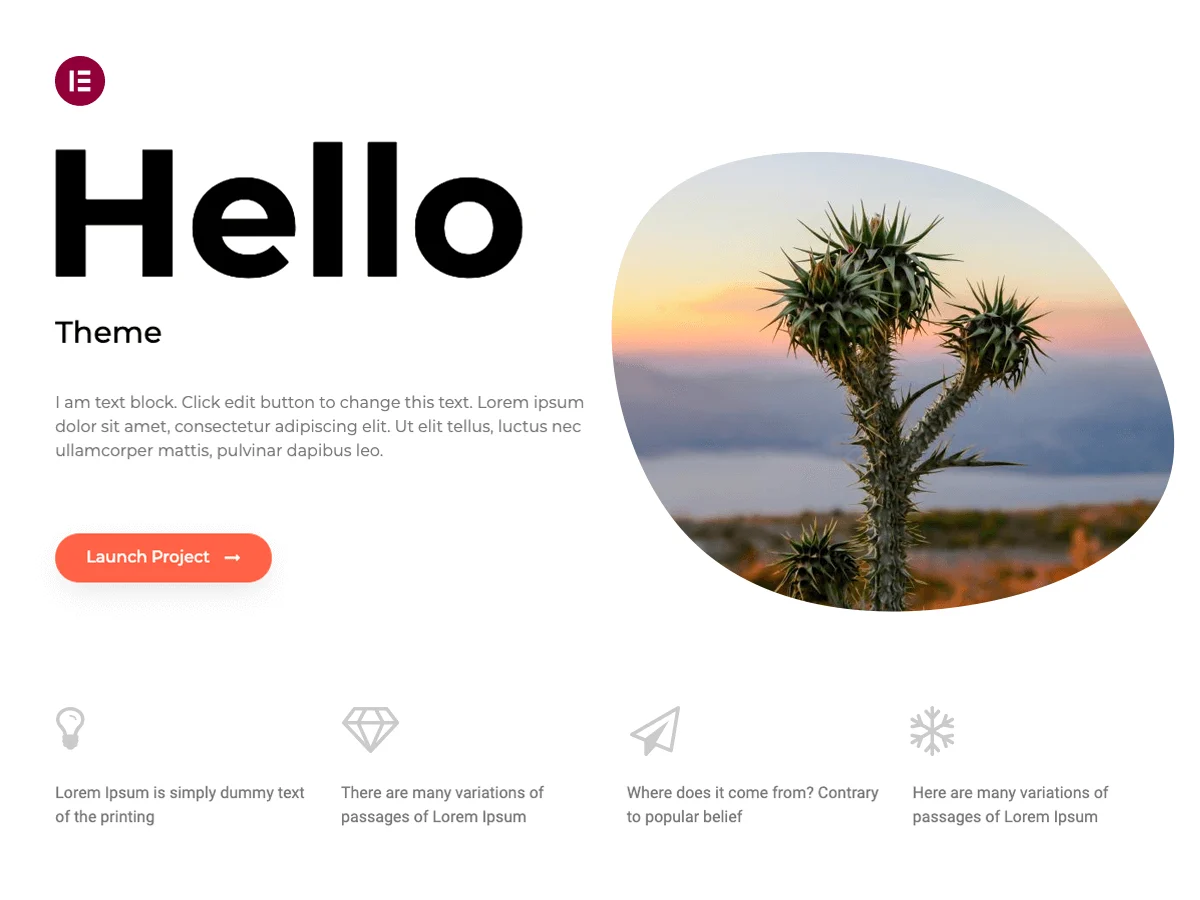
In the vast and ever-expanding ecosystem of Content Management Systems (CMS), WordPress continues to reign supreme, powering over forty percent of all websites on the internet. Central to this dominance is an intricate marketplace of plugins and themes that allow users to transform a blank installation into anything from a personal blog to a sprawling enterprise e-commerce platform. Among the thousands of available design frameworks, few have achieved the monumental adoption rate and cultural footprint of Hello Elementor.
Boasting an active installation base exceeding one million websites worldwide, this lightweight, minimalist theme has quietly become the go-to foundation for web creators, agencies, and DIY enthusiasts alike. Built explicitly to harness the full potential of the popular Elementor site builder plugin, Hello Elementor represents a paradigm shift in how modern WordPress sites are conceptualized, structured, and deployed.
Main Facts: What is Hello Elementor?
At its core, Hello Elementor is a free, open-source WordPress theme designed with one primary objective: to serve as a blank canvas for the Elementor drag-and-drop page builder. Unlike traditional multipurpose themes that come pre-loaded with complex layouts, custom widgets, styling options, and heavy scripts, Hello Elementor takes a radically minimalist approach.
Key Characteristics:
- Lightweight Performance: Because the theme strips away unnecessary styling and backend bloat, it loads exceptionally fast, giving developers a clean slate optimized for Core Web Vitals.
- Seamless Integration: It is engineered to work hand-in-hand with Elementor and Elementor Pro, allowing users to design headers, footers, single post templates, and archives visually without touching a line of code.
- Extensibility: While the base theme is completely free and open-source, it offers pathways to commercial upgrades, advanced support options, and the powerful design ecosystem of the broader Elementor platform.
- Global Accessibility: Translated into dozens of languages—ranging from Spanish, German, and French to Japanese, Hindi, and Arabic—the theme is truly global, accommodating web creators across diverse linguistic landscapes.
Chronology: The Evolution of a Design Powerhouse
The journey of Hello Elementor reflects the broader evolution of website building away from rigid, pre-designed templates toward flexible, visual-first creation.
Phase 1: The Rise of Page Builders
Before the mainstream adoption of advanced visual builders, WordPress users relied heavily on traditional themes that dictated both the design and functionality of a site. Customizing these themes often required deep knowledge of PHP, CSS, and HTML. When Elementor burst onto the scene, it revolutionized the market by introducing a robust visual editor. However, early users frequently encountered conflicts when pairing feature-heavy page builders with equally complex themes.
Phase 2: The Birth of Hello Elementor
Recognizing the need for an unencumbered foundation that wouldn’t clash with visual editing tools, the developers behind Elementor introduced the Hello theme. Initially conceived as a basic boilerplate theme, its sole purpose was to eliminate code bloat, reduce server request overhead, and provide absolute design freedom.
Phase 3: Scaling to a Million Active Users
Over subsequent updates, Hello Elementor matured from a niche developer tool into a mainstream industry standard. By continuously optimizing its codebase for speed, ensuring compatibility with major WordPress core updates, and tightening its integration with Elementor Pro’s Theme Builder, the theme crossed the milestone of one million active installations. Today, it stands as one of the most trusted foundational blocks in the WordPress repository.
Supporting Data: Understanding the Scale
Numbers often tell the most compelling story in software adoption. Hello Elementor’s metrics underscore its dominance within the WordPress ecosystem:
- Active Installations: 1,000,000+ verified active sites running the theme globally.
- License Model: Free and open-source core, supplemented by optional commercial extensions and premium support tiers through Elementor.
- Localization Reach: Available in over 60 localized language versions, ensuring seamless deployment in North America, Europe, Latin America, Asia, and the Middle East.
- Support and Community: Backed by an active community support forum on WordPress.org, extensive developer documentation, and direct channels for reporting theme-specific vulnerabilities or issues.
Performance benchmarks frequently highlight Hello Elementor as one of the leanest themes available. In comparative tests measuring page weight, Time to First Byte (TTFB), and fully loaded DOM content, minimalist themes like Hello consistently outperform multi-purpose alternatives because they do not force browsers to parse redundant stylesheets or unused JavaScript libraries.
Official Responses and Ecosystem Support
The success of Hello Elementor is deeply intertwined with the philosophy of the open-source community and the commercial strategy of its parent company.

Developer Philosophy
In official documentation and community addresses, the creators emphasize that Hello Elementor was built to solve a specific industry frustration: "theme lock-in." With traditional themes, switching themes often breaks layouts because custom shortcodes or styling rules remain tied to the old framework. Because Hello Elementor relies entirely on the Elementor plugin for visual structure, switching or updating visual elements becomes frictionless.
Community and Translation Efforts
The global footprint of the theme is largely sustained by volunteer translators and regional contributors via the WordPress Translate platform. From localized versions in Basque (Català) and Amharic to complex scripts in Persian, Urdu, and Bengali, the localization pipeline ensures that localized agencies can deploy enterprise-grade sites for clients in any region without language barriers.
Maintenance and Security
Maintaining a theme with over a million installations requires rigorous oversight. Through the WordPress Make Themes reporting infrastructure, community members and security researchers can flag bugs, compatibility hitches with new WordPress releases, and accessibility concerns, ensuring the codebase remains stable and secure.
Implications for Web Creators and the Future of WordPress
The widespread adoption of Hello Elementor signals a broader structural shift in how websites are built. Its trajectory carries several key implications for developers, designers, and business owners:
1. The Death of the Monolithic Theme
For years, themes tried to be "all things to all people," packing e-commerce features, portfolio layouts, and complex sliders into a single package. Hello Elementor champions the Unix philosophy of software design: do one thing and do it exceptionally well. By separating design (handled by Elementor) from structure (handled by the theme), web creators enjoy cleaner codebases and fewer compatibility nightmares.
2. Democratization of Web Design
By removing the barrier of complex coding, minimalist foundational themes empower small business owners, freelancers, and marketing professionals to build custom, high-performance websites independently. The combination of a zero-cost base theme and an intuitive drag-and-drop builder lowers the financial threshold for establishing a professional digital presence.
3. Performance-First Development
As search engines like Google place increasing emphasis on User Experience (UX) metrics and Core Web Vitals, site speed is no longer optional—it is a ranking factor. Hello Elementor’s stripped-down architecture provides a high-performance baseline, proving that visual flexibility does not have to come at the expense of loading speeds.
Conclusion
Hello Elementor has evolved far beyond its humble beginnings as a simple developer utility. By championing minimalism, prioritizing speed, and offering a seamless bridge to one of the world’s most popular page builders, it has secured its place as a cornerstone of modern WordPress development.
Whether powering a local bakery’s landing page or a high-traffic international digital magazine, Hello Elementor demonstrates that sometimes, the best tool for creation is simply giving creators a blank page and getting out of the way. As the web continues to demand faster, more flexible digital experiences, minimalist frameworks like Hello Elementor will undoubtedly continue to shape the digital landscape for years to come.