





Main Facts: The 2026 Foldable Display Boom
The global smartphone landscape has faced turbulent waters over the past year, but a surprising bright spot is emerging from an unexpected sector. According to a comprehensive market study published by Omdia on October 21, global shipments of LTPO AMOLED foldable displays are forecast to surge by a staggering 44% in 2026.
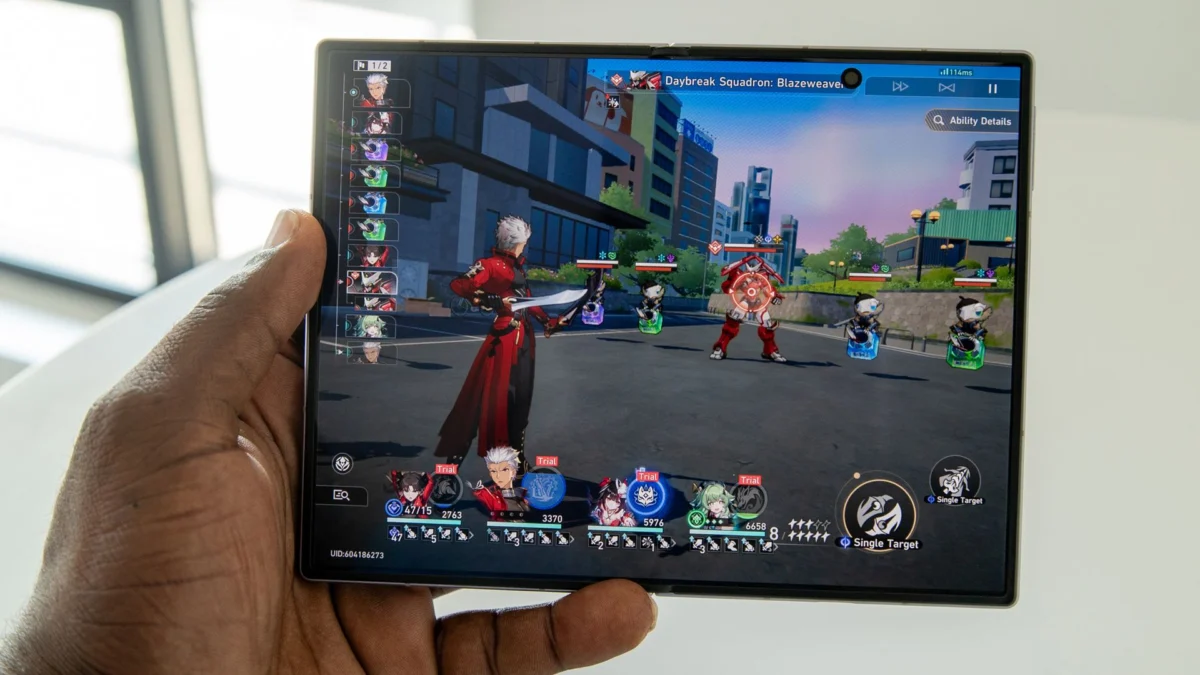
This anticipated resurgence is being primarily driven by a significant consumer and manufacturer shift toward a new industrial design trend: the "wide-screen foldable." Unlike early-generation foldable devices that relied on tall, narrow cover screens—often likened to television remote controls—modern foldables are increasingly adopting wider, more traditional aspect ratios.
Brain Huh, principal analyst at Omdia, highlighted the magnitude of this shift in the report. "Display shipments for wide-screen foldable smartphones are expected to account for 44% of total foldable panel shipments in 2026," Huh noted.
At the center of this industry-wide transformation are flagship powerhouses Samsung and Apple. With major product introductions like the Samsung Galaxy Z Fold 8 and Apple’s long-anticipated entry into the foldable space with the iPhone Duo, the foldable market is experiencing a structural evolution. Samsung, in particular, remains uniquely positioned to capture this wave, acting as a primary exclusive display supplier for several of these high-profile devices while solidifying its dominance over competing panel makers such as BOE, China Star, Tianma, and Visionox.
Chronology: How the Foldable Market Reached This Milestone
The Early Era: Narrow Screens and Niche Appeal (2019–2023)
When foldable smartphones first burst onto the commercial stage nearly a decade ago, they were greeted with immense curiosity paired with substantial skepticism. Devices from this era were plagued by severe durability concerns, astronomical price tags, and awkward usability limitations.
Most notably, the exterior cover screens were exceptionally narrow. Typing on these outer panels felt cramped and unnatural, forcing users to unfold their devices for even the most basic tasks. Despite these limitations, a dedicated base of early adopters embraced the futuristic tech, allowing manufacturers to iterate on hinge designs, ultra-thin glass (UTG), and crease reduction.
The Pivot to Ergonomics: The Rise of the Wide Form Factor (2024–2025)
As manufacturing techniques matured, user feedback made one thing abundantly clear: foldables needed to be just as comfortable to use closed as they were open. Brands slowly began widening their outer displays to match the dimensions of standard candy-bar smartphones.
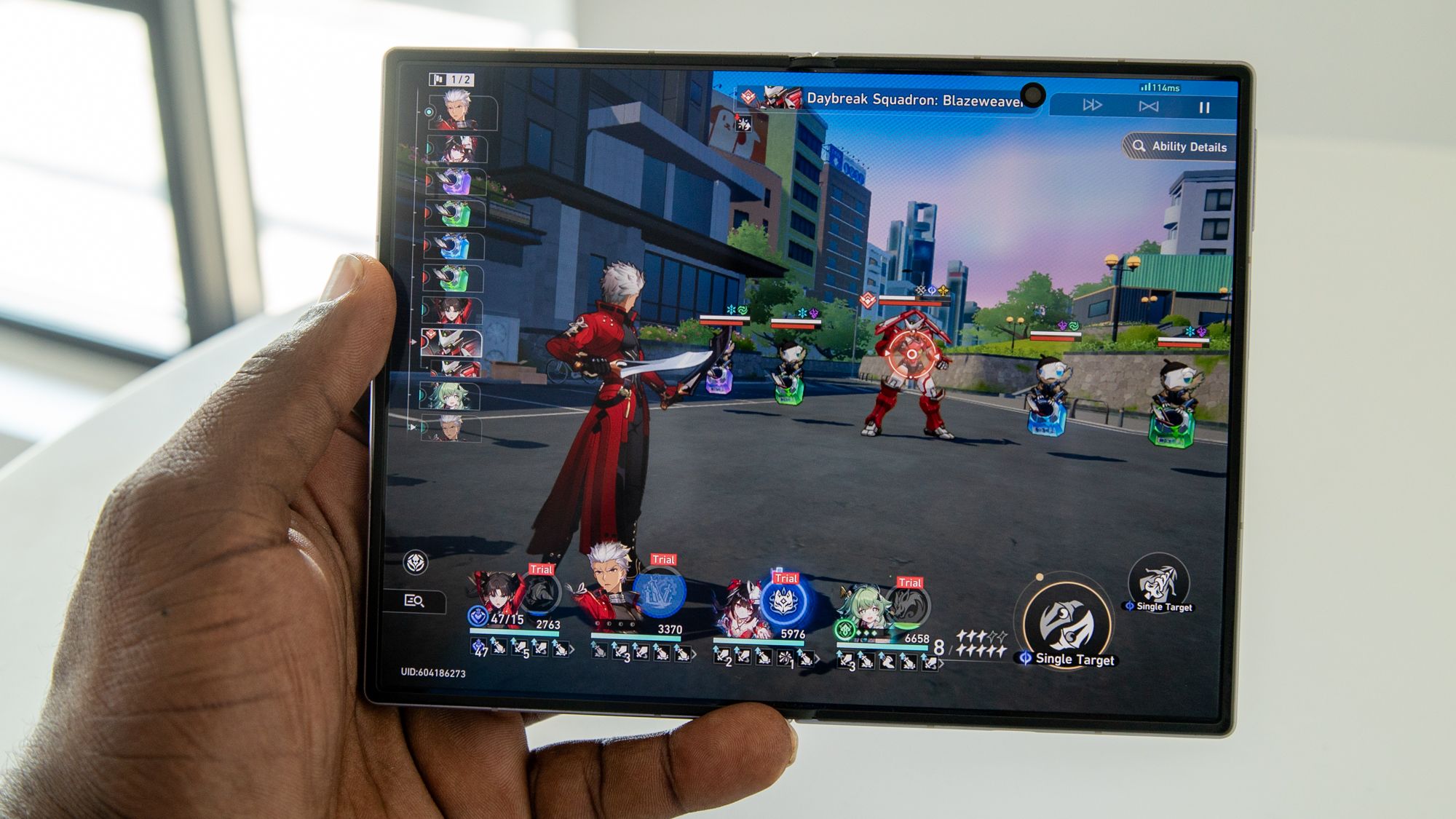
This ergonomic pivot proved to be the catalyst the industry needed. Consumers who were previously deterred by awkward aspect ratios began viewing foldables as viable daily drivers rather than delicate luxury gadgets. Concurrently, rumors and eventual confirmations of Apple developing a foldable device forced the entire supply chain to scale up production capacity and refine LTPO AMOLED panel technologies.
The Current Landscape: A Dual-Engine Market (2026)
By late 2026, the market has crystallized around a few dominant players. Samsung’s launch of the Galaxy Z Fold 8 and Fold 8 Ultra, combined with the market introduction of Apple’s iPhone Duo, has completely revitalized consumer interest.
However, this growth is occurring against a backdrop of macroeconomic strain. The broader smartphone industry has suffered a punishing year, with Q3 marking the sharpest shipment decline in over 14 years. Yet, within this constrained environment, foldable displays are bucking the broader downward trend, proving that premium consumers are still willing to spend—provided the hardware delivers a genuinely transformative experience.
Supporting Data: Numbers Behind the Trend
To understand the weight of Omdia’s latest projections, it is essential to examine the broader economic and market data surrounding the mobile industry in 2026:
- 44% Growth Forecast: Omdia projects that LTPO AMOLED foldable display shipments will climb by 44% year-over-year in 2026, propelled almost entirely by the wide-screen form factor.
- Wide-Screen Dominance: Wide-screen foldable panels are projected to capture 44% of the entire foldable panel market share by the end of the year.
- The Q3 Market Slump: Despite the foldable segment’s success, the overall global smartphone market experienced an unprecedented contraction. Research indicates that global phone shipments plummeted by roughly 20% year-over-year in Q3, marking a 14-year low for the industry.
- The Extreme Memory Shortage: A primary driver behind the broader market decline has been a severe, industry-wide shortage of memory components. Rising component costs have forced original equipment manufacturers (OEMs) to hike retail prices, changing consumer purchasing psychology.
- Samsung’s Resilience: Despite the severe market downturn, Samsung expanded its market share to 23%, achieving the largest footprint among major OEMs. This dominance was heavily buoyed by the strong commercial reception of the Galaxy Z Fold 8 lineup following the market presence established by the iPhone Duo.
- Apple’s Market Positioning: Apple lagged behind in second place during recent quarters, a shift analysts attribute to the iPhone 18 series’ strategic decision to omit a traditional entry-level base model in favor of focusing heavily on the Pro and Pro Max tiers.
Official Responses and Industry Insights
Market research firms and industry insiders have offered varied perspectives on what these conflicting trends mean for the immediate future of mobile technology.
Omdia’s official stance emphasizes that consumer reception to wider displays has surpassed initial internal projections. By solving the usability complaints of earlier generations, display manufacturers have successfully created a halo effect that elevates interest in high-end devices, even when baseline consumer spending is depressed.
However, analysts at Android Central and other leading tech publications have expressed cautious skepticism regarding the broader economic implications. While display manufacturers are celebrating soaring shipment volumes, the reality on retail floors tells a more complicated story.
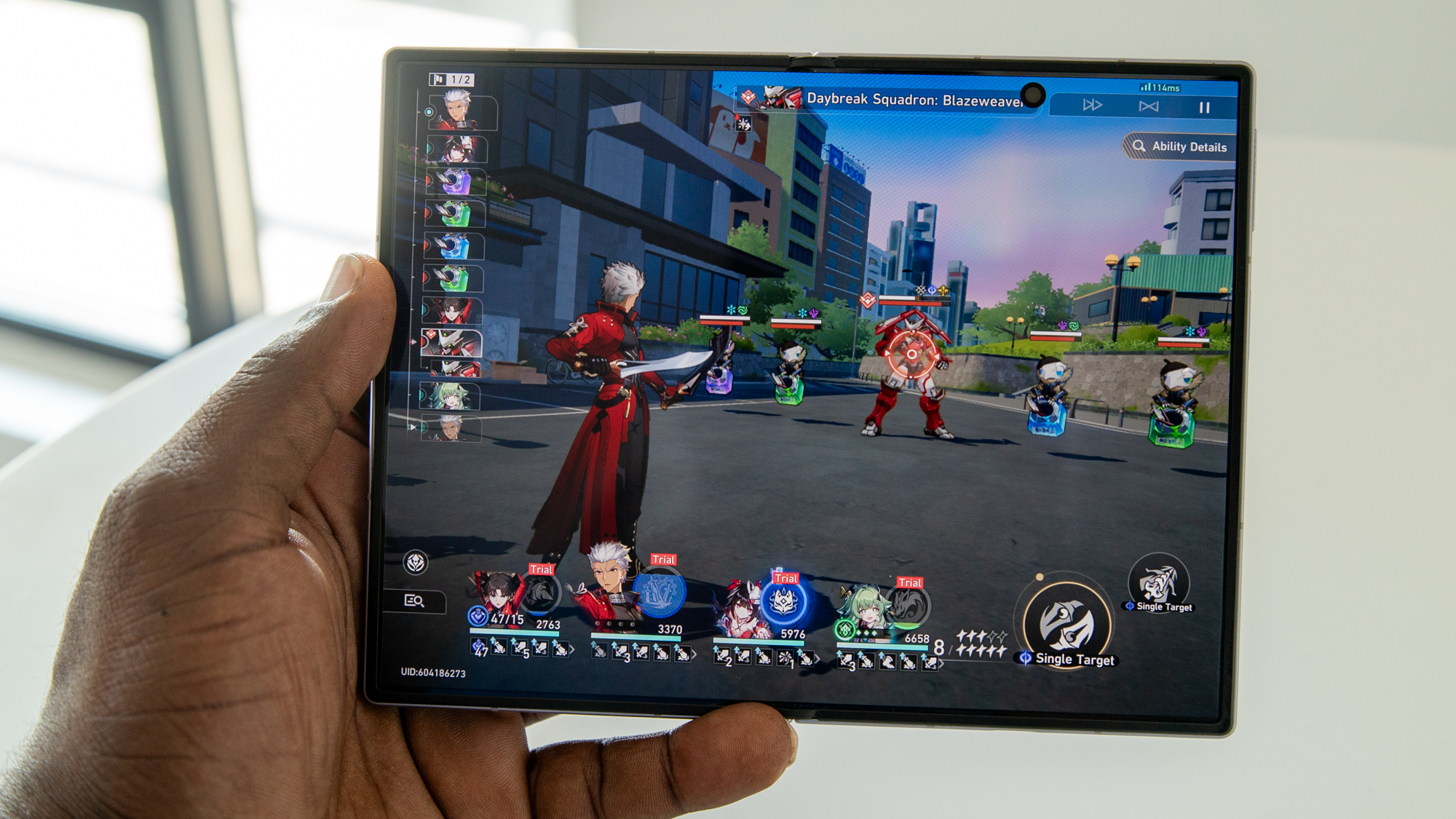
As one industry analyst noted regarding consumer sentiment: "Why get a new phone when that money is better spent elsewhere?" With inflation, rising living costs, and component shortages driving up the price of premium tech, everyday consumers are holding onto their existing devices longer than ever before.
Furthermore, display shipments do not automatically translate to immediate consumer sales. Panel manufacturers are ramping up production to meet aggressive OEM forecasts for upcoming device generations, but sell-through rates will ultimately dictate whether this manufacturing boom is sustainable into 2027.
Implications: What This Means for the Future of Mobile Tech
The convergence of soaring foldable display shipments and a slumping traditional smartphone market signals a profound structural transformation in the consumer electronics industry.
1. The Death of the "Niche" Form Factor
For years, foldables were treated as experimental luxury novelties—expensive showpieces for tech enthusiasts with cash to spare. The pivot toward wide-screen aspect ratios effectively normalizes the category. When a foldable phone feels indistinguishable from a standard flagship when closed, the psychological barrier to entry drops significantly. As supply chains mature and economies of scale take hold, we are moving rapidly toward a future where folding displays are no longer a separate product category, but rather the standard blueprint for ultra-premium smartphones.
2. Apple’s Validation Alters the Landscape
Apple’s entry into the foldable arena with the iPhone Duo cannot be overstated. For smaller component makers and competing OEMs, Apple’s participation validates the entire form factor. It forces suppliers to invest heavily in ultra-thin glass, hinge durability, and crease-mitigation technologies. This R&D trickle-down effect benefits the entire ecosystem, resulting in more durable, refined devices across both iOS and Android platforms.
3. The Growing Divide in the Smartphone Market
The 2026 data highlights a widening chasm in consumer behavior. On one hand, the baseline smartphone market is contracting sharply due to severe memory shortages, rising hardware costs, and consumer fatigue. On the other hand, ultra-premium segments—specifically foldables and pro-tier flagships—are demonstrating remarkable resilience. Manufacturers are learning that if they are going to convince consumers to part with their hard-earned money during an economic downturn, the product must offer a radical, game-changing leap in utility. Increental annual upgrades are no longer cutting it; the future belongs to devices that redefine how we interact with technology.