







Main Facts
The global consumer technology landscape is experiencing a historic convergence of major hardware announcements, significant market corrections, and critical supply chain developments. In a single week, the industry has witnessed structural shifts that will dictate consumer pricing, device capabilities, and competitive positioning heading into the next fiscal cycle.
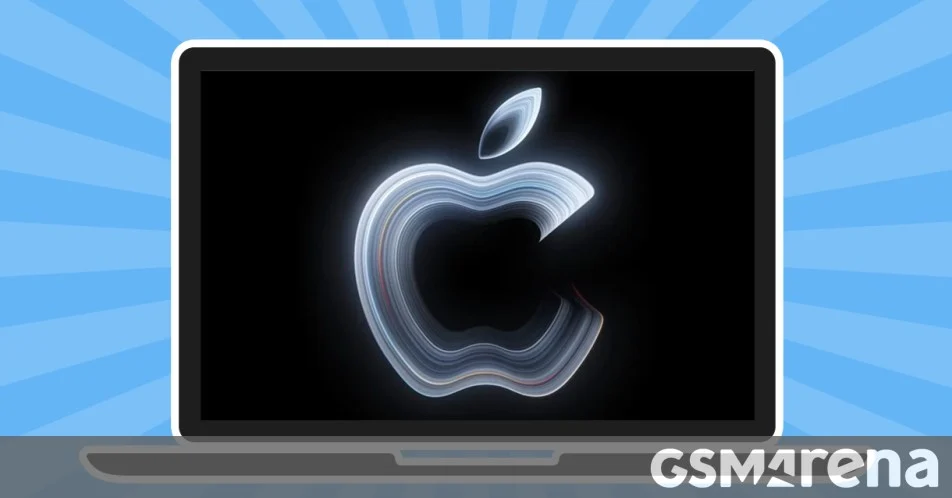
Foremost among these developments is Apple’s official confirmation of an October 28 hardware showcase. Distributed under the clever corporate tagline "Pro and tell," the media invitations point toward the long-anticipated debut of Apple’s first-ever touchscreen OLED MacBook. Industry insiders also anticipate accompanying updates to the iMac lineup and a refreshed OLED iPad mini.
Simultaneously, the mobile sector is preparing for an unprecedented battleground on October 28, with high-profile releases scheduled across Asia. Vivo’s sub-brand iQOO has officially detailed the upcoming iQOO Neo12, a performance-centric smartphone packing bleeding-edge silicon and a staggering 185Hz display. Across the competitive aisle, Xiaomi has confirmed the launch date for the Redmi K100, a battery behemoth featuring a 10,000mAh capacity cell paired with 100W fast-charging capabilities.
In the European and global markets, BBK Electronics subsidiary Oppo has officially commenced the global rollout of its ultra-premium Find X10 series. Comprising the standard Find X10 and the ultra-tier Find X10 Pro Max, these devices introduce unprecedented sensor configurations and cutting-edge 2nm semiconductor architecture to Western markets, albeit with regional battery capacity discrepancies that have sparked consumer debate.
Beyond new hardware, the after-market and repair ecosystems are expanding. Apple has updated its Self Service Repair Store to incorporate comprehensive parts and tooling inventories for the recently released iPhone 18 Pro and iPhone 18 Pro Max, providing structural transparency regarding component pricing.
Conversely, macro-level market data paints a sobering picture of retail demand. According to recent market intelligence reports from Omdia, the Indian smartphone market suffered its most dismal third quarter since 2016, with shipments plunging 26% year-on-year. This downturn underscores broader economic anxieties, rising component costs, and increasingly cautious consumer spending habits globally. Compounding these cost pressures, structural supply constraints are looming on the horizon; Samsung has reportedly locked in multi-year memory supply contracts through 2027, signaling an impending industry-wide memory shortage that threatens to inflate device pricing across the board.
Chronology of Events and Announcements
To understand the rapid acceleration of the consumer technology sector, it is vital to examine the sequential unfolding of announcements, embargo lifts, and product availability windows that have defined this reporting cycle:
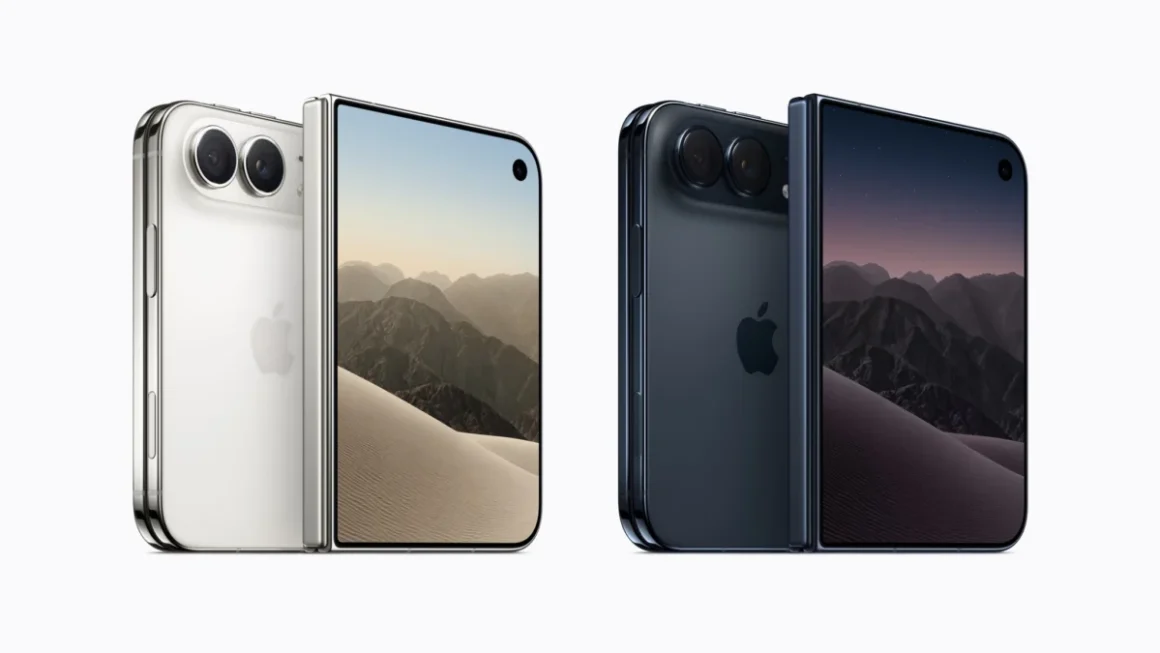
- Early Week — The iPhone Duo Enters the Wild: Following its initial manufacturing rollout and subsequent distribution phase, the newly minted iPhone Duo officially began arriving on customer doorsteps and retail shelves. Early teardowns and regulatory filings immediately verified its internal power architecture, confirming a robust 4,883mAh battery capacity.
- Mid-Week — Apple Issues October 28 Event Invites: Apple distributed press invitations globally for a special virtual and in-person showcase scheduled for October 28. Featuring the "Pro and tell" minimalist aesthetic and phrasing, the announcement immediately triggered supply chain leaks and analyst notes pointing to the arrival of the first OLED touch-enabled MacBooks.
- Mid-Week — Oppo Scales Global Footprint with Find X10 Series: Oppo officially cut the ribbon on the international availability of the Find X10 and Find X10 Pro Max. While pricing structures and regional configurations were finalized for European and UK markets, tech analysts quickly pointed out the discrepancies in battery specifications relative to the Asian variants.
- Immediate Term — Expansion of Apple’s Self Service Repair: Apple quietly integrated the iPhone 18 Pro and iPhone 18 Pro Max into its proprietary Self Service Repair Store. For the first time, independent repair technicians and consumer hobbyists gained authorized access to purchase individual displays, battery assemblies, and the complex variable-aperture camera modules.
- Upcoming Major Focal Point: October 28 Mega-Launch Day: The technology calendar converges heavily on October 28. On this single day, Apple will host its hardware keynote, Vivo’s iQOO will officially unveil the Neo12 in China, and Xiaomi will take the wraps off the battery-centric Redmi K100. This single 24-hour window represents one of the densest launch schedules in consumer electronics history.
Supporting Data and Technical Specifications
The sheer technical ambition of this hardware wave is matched only by the granular data emerging from regulatory filings, teardowns, and market research firms. The following breakdown details the core specifications and pricing matrix of the industry’s most talked-about devices:
Apple’s Upcoming October 28 Ecosystem
- Touchscreen OLED MacBook: Representing a paradigm shift for macOS hardware, this device finally bridges the gap between iPad interaction models and traditional laptop productivity, utilizing advanced OLED panel technology for absolute black levels and higher peak brightness.
- OLED iPad Mini & Updated iMac: Rumored companion hardware designed to unify Apple’s display pipeline under OLED technology while refreshing desktop processing capabilities.
iQOO Neo12 (Launching October 28 in China)
- Processor Architecture: Powered by the flagship Qualcomm Snapdragon 8 Elite Gen 5 System-on-Chip (SoC).
- Gaming Hardware: Features a dedicated Q3 auxiliary gaming chip designed to offload rendering tasks, stabilize frame rates, and reduce thermal throttling.
- Display Technology: An ultra-smooth 185Hz AMOLED panel, pushing mobile refresh rate ceilings higher than ever before.
- Power System: A massive 9,000mAh battery architecture housed within a conventional smartphone chassis footprint.
- Colorways: Offered in three distinct aesthetic finishes: Fierce Edge, Shadow Black, and Frost Blade Blue.
Oppo Find X10 Series (Global Rollout)
- Oppo Find X10 Pro Max:
- Price: €1,800 / £1,500.
- Chipset: Next-generation 2nm MediaTek Dimensity 9600 Pro.
- Display: 6.78-inch 144Hz AMOLED screen.
- Camera Array: Triple 200MP sensor setup for primary, ultra-wide, and telephoto duties.
- Battery (Europe): 7,150mAh.
- Battery (China/Global Markets): 8,000mAh.
- Oppo Find X10 (Standard):
- Price: €1,300 / £1,100.
- Chipset: MediaTek Dimensity 9600M.
- Camera Array: Dual 200MP sensor layout.
- Battery (Europe): 7,150mAh.
- Battery (China/Global Markets): 8,000mAh.
Apple iPhone 18 Pro & Pro Max Self-Service Repair Costs
- iPhone 18 Pro Display Assembly: $329 outright.
- iPhone 18 Pro Max Display Assembly: $379 outright.
- Battery Replacement Component: $129 (drops to approximately $67 upon returning the depleted legacy battery for recycling).
- Variable-Aperture Camera Module: $249 (drops to approximately $189 with the manufacturer return credit).
Xiaomi Redmi K100 (Launching October 28 in China)
- Battery Capacity: 10,000mAh silicon-carbon cell.
- Charging Speed: 100W ultra-fast wired charging support.
- Processor: Qualcomm Snapdragon 8 Elite chipset.
- Display: 6.83-inch high-resolution AMOLED screen.
Indian Smartphone Market Performance (Q3 Omdia Report)
- Total Shipments: 35.8 million units.
- Year-on-Year Decline: 26% drop, marking the worst third-quarter performance since 2016.
- Market Share Leaders:
- Samsung: 6.7 million shipments (19% market share).
- vivo: 6.4 million shipments.
- Oppo: 4.9 million shipments.
- Xiaomi: 4.7 million shipments.
- Apple: 3.9 million shipments.
Official Responses and Industry Stakeholder Positions
As market dynamics shift, corporate leadership and official institutional reporting have shed light on the strategies driving these developments.
Omdia’s market analysis explicitly places the blame for the historic 26% contraction in India on macroeconomic pressures. According to the research firm’s institutional notes, persistent inflationary trends, elevated baseline pricing for mid-to-high-tier devices, and a palpable shift toward consumer frugality have crippled upgrade cycles. Despite these headwinds, Samsung’s aggressive retail placement and localized financing structures allowed the South Korean conglomerate to recapture the number-one position in India, narrowly edging out vivo.
On the supply chain front, reports detailing Samsung’s sweeping five-year memory supply contracts have sent ripples through the corporate boardrooms of competing OEMs. By locking down an estimated 70% of its total DRAM production capacity and reserving 100% of its High Bandwidth Memory (HBM) output for the 2027 fiscal year, Samsung has effectively secured its own operational stability while throwing down a gauntlet to the rest of the industry. Industry stakeholders note that this move preemptively starves rival device manufacturers of the high-speed memory modules necessary for next-generation artificial intelligence computations and hyper-fast multitasking.
Regarding regional hardware disparities—specifically Oppo’s decision to ship the Find X10 series with 7,150mAh batteries in Europe compared to the 8,000mAh variants found in Asian markets—consumer advocacy groups and tech communities have pressed manufacturers for transparency. While Oppo has not issued a formal, dedicated press release addressing the discrepancy, industry insiders suggest that stringent European transport and certification regulations, combined with differing thermal dissipation safety compliance tests, dictate the conservative battery allocation for Western territories.
Finally, Apple’s continued expansion of its Self Service Repair Store reflects a carefully calculated response to mounting legislative pressure regarding "Right to Repair" laws in the United States and the European Union. By pricing critical components—such as the complex $249 variable-aperture camera and the user-swappable $129 battery—with aggressive recycling rebates (lowering the battery cost down to $67), Apple is attempting to balance compliance with circular economy mandates while retaining strict proprietary control over its core architectural components.
Implications for Consumers and the Global Market
The cumulative weight of these product launches, manufacturing adjustments, and supply chain maneuvers carries profound implications for the global technology ecosystem over the next twelve to thirty-six months.
1. The Death of the Traditional Laptop Paradigm
Apple’s impending introduction of a touchscreen OLED MacBook on October 28 represents an existential crossroads for personal computing. For over a decade, Apple resisted merging iOS-style touch interfaces with macOS, arguing that ergonomic limitations made vertical touchscreens impractical for laptops. By finally capitulating to consumer demand and technological maturity, Apple is validating the hybrid form factor. This move will force competitors—including Microsoft, Dell, and HP—to accelerate their own OLED touch integration, rendering non-touch premium laptops increasingly obsolete in the eyes of creative professionals and enterprise buyers.
2. The Era of the Ultra-Endurance Battery is Here
The rapid normalization of massive power cells in mobile devices—typified by the iQOO Neo12’s 9,000mAh battery and the Redmi K100’s staggering 10,000mAh capacity—signals a definitive end to the compromise between slim smartphone profiles and multi-day battery life. Thanks to advancements in silicon-carbon anode technology, manufacturers can now pack energy densities previously reserved for small power banks into standard pocket-sized housings. This shift will fundamentally alter consumer expectations; devices requiring daily charges may soon face severe market rejection.
3. Impending Price Inflation Driven by Memory Scarcity
While consumers are currently being wooed by high-spec camera systems, blazing-fast refresh rates, and massive batteries, a dark cloud looms over retail pricing structures. Samsung’s lockdown of 70% of its DRAM and 100% of its HBM output through 2027 means that component costs for flash memory and system RAM are destined to skyrocket. OEMs that do not possess in-house semiconductor foundries will be forced to absorb these costs or pass them directly to the consumer. Consequently, flagship series—including the anticipated Samsung Galaxy S27 line—are projected to see significant price hikes, potentially reversing the trend of stagnating or declining device affordability.
4. Fragmented Regional Strategies and Consumer Discontent
Oppo’s hardware disparity—offering smaller batteries in Europe (7,150mAh) than in China (8,000mAh)—highlights a troubling trend of regional product dilution. When consumers pay premium prices (€1,300 to €1,800) for flagship hardware, discovering that regional variants feature inferior technical specifications breeds consumer resentment and erodes brand loyalty. As global supply chains become more fragmented due to geopolitical and regulatory pressures, brands must navigate these disparities carefully to avoid alienating key Western markets.
5. Emerging Markets at a Crossroads
Omdia’s stark report on the Indian smartphone market serves as a cautionary tale for the broader global economy. When the world’s second-largest smartphone market experiences a 26% year-on-year drop during its crucial third quarter, it proves that consumer purchasing power has reached a saturation and fatigue point. To combat this, manufacturers will either need to lean heavily into aggressive financing structures, trade-in programs, and longevity-focused features (such as Apple’s expanded self-repair options) or risk prolonged stagnation as consumers hold onto aging hardware for longer periods.