







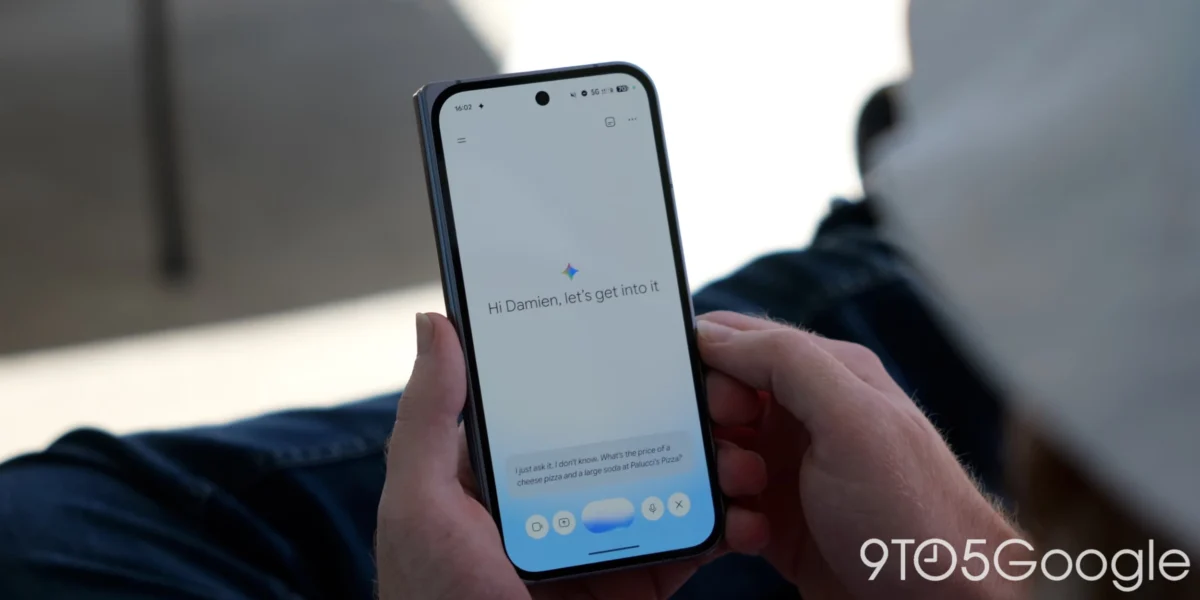
Google has initiated a significant overhaul of its Gemini ecosystem, fundamentally altering how users interact with its AI-driven personal assistant. In a strategic move to streamline productivity and unify user workflows, Google is folding its "Gemini Spark" personal agent—previously a distinct, siloed feature—directly into the core Gemini chat interface. This redesign, currently rolling out via a server-side update on Android, represents the most substantial change to the application’s architecture since its debut at Google I/O 2026.
Main Facts: A Unified Interface for Chat and Productivity
The cornerstone of this update is the removal of the standalone "Spark" navigation drawer entry, replacing it with a more fluid, integrated experience. Users will now notice two primary tabs situated directly above the prompt box: "Chat" and "Task."
By clicking "Task," users are now taken to the reimagined Gemini Spark interface. Google has positioned this as the new permanent home for productivity, allowing users to initiate complex, multi-step tasks at any moment and track their progress seamlessly within their existing chat history.
The rebranding effort is equally significant. Google appears to be consciously moving away from the "Spark" moniker. This is evidenced by the renaming of "Gemini Spark Settings" in the user account menu to the more utilitarian "Task settings." This shift suggests that Google is looking to move the agent from being a "novelty feature" to a core, expected component of the standard Gemini experience.
Chronology: From I/O 2026 to Present
To understand the trajectory of this update, one must look back at the origins of Gemini’s agent capabilities.
- May 2026 (Google I/O): Google officially unveiled "Gemini Spark," its 24/7 personal agent. Marketed as an autonomous assistant capable of handling long-running, multi-step workflows, it was initially launched as a distinct feature set requiring an AI Pro or AI Ultra subscription.
- Late Summer 2026: Following initial feedback, Google identified a "siloing" problem. Users found it cumbersome to switch between the standard chat interface and the Spark interface, often resulting in fragmented workflows where context was lost between conversational AI and task management.
- September 2026: Google began experimenting with side panel settings and navigation drawer refinements, laying the groundwork for the current visual overhaul.
- October 2026: The current server-side update began rolling out to Android users, effectively killing the standalone Spark navigation item and introducing the integrated tabbed interface.
Supporting Data: The New Architecture of Tasks
The integration goes beyond simple button placement; it includes a comprehensive reorganization of how users view their ongoing work. The navigation drawer, which previously displayed a list of "Recents," has been overhauled. All conversations and Spark tasks are now unified into a single, cohesive history.
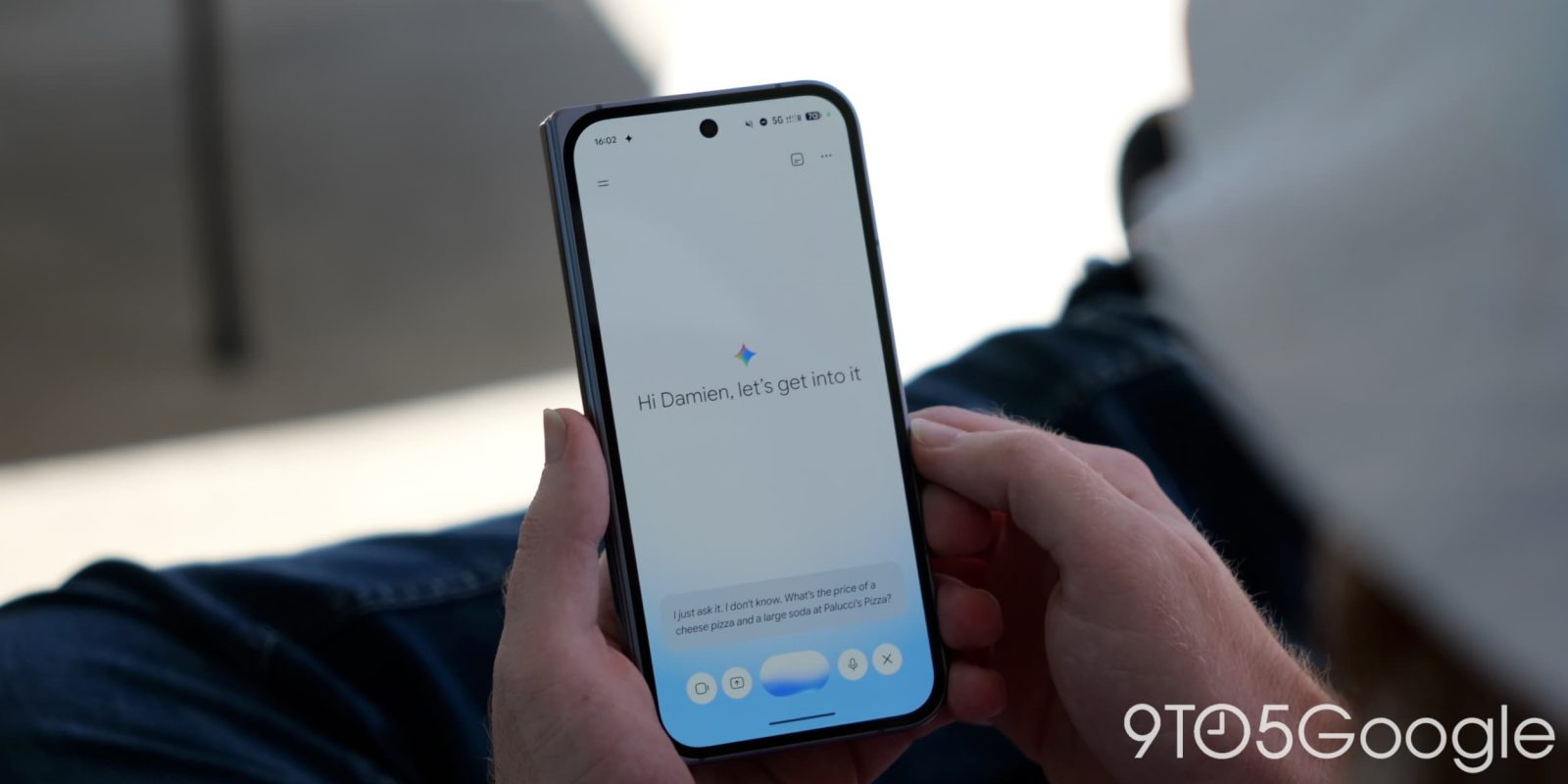
To manage this volume of information, Google has introduced a new filtering system accessible via an icon within the history view. Users can now sort their combined history by:
- All: A chronological view of every interaction.
- Ready: Tasks that are prepared for execution.
- Needs Attention: Interactions where the AI or the user has hit a blocker.
- In Progress: Active, ongoing tasks or conversations.
Furthermore, a new "Scheduled" page has been introduced. This page acts as a centralized dashboard for all Spark tasks and scheduled actions, organized into four clear categories: Active, Paused, Completed, and Suggested. This categorization provides users with a bird’s-eye view of their productivity, transforming Gemini from a reactive chatbot into a proactive project manager.
Implications: The Death of the "Silo"
The implications of this update for the AI landscape are profound. By merging a task-oriented agent into a conversational interface, Google is attempting to solve the "context switching" tax—a major pain point for users of productivity software.
Enhanced User Workflow
Previously, if a user was chatting with Gemini about a project and wanted to assign the AI a persistent task, they would often have to move to the Spark interface, re-establish context, and then perform the action. By integrating the two, the "Chat" and "Task" tabs allow for a symbiotic relationship. A user can discuss a topic in "Chat," and with a single tap on the "Task" tab, initiate an action based on that conversation without leaving the application environment.
Strategic Brand Consolidation
The deemphasis of "Spark" as a standalone brand is a calculated move. For casual users, the term "Spark" was often confusing, leading to questions about whether it was a different model, a separate subscription, or a third-party add-on. By grouping it under "Tasks," Google simplifies its marketing messaging, framing it as a functional capability rather than an external product.
Subscription Dynamics
It is important to note that despite the integration, the underlying functionality of Spark remains gated behind the AI Pro or AI Ultra subscription tiers. While the user experience is now unified, the paywall remains intact. This creates a "freemium" tension: free users will see the "Task" tab, but it will likely serve as an upsell prompt, whereas subscribers will see the fully functional dashboard.

Industry Response and Technical Limitations
While the update is currently exclusive to Android via a server-side push, industry analysts suggest that a rollout to iOS and the Web is imminent. The technical challenge lies in the "server-side" nature of the update. Unlike an app store update, which can be tested extensively on a local binary, server-side changes allow Google to push updates to millions of users simultaneously. However, this also means that the interface will likely see iterative tweaks over the coming weeks based on real-time usage telemetry.
The current limitation—the lack of availability on iOS and the web—is likely due to the different UI/UX paradigms on those platforms. The navigation drawer and prompt box on the web interface require different coding standards compared to the Android version, particularly regarding the handling of state and history syncing.
Looking Ahead: The Future of the "Agentic" Era
Google’s pivot signals that the "Agentic Era" of AI—where the goal is not just to talk, but to do—is maturing. The integration of Spark into the main chat interface is a tacit admission that users do not want to "open an agent" to get work done; they want the agent to exist within the flow of their existing conversation.
As we look toward the end of 2026 and into 2027, the success of this redesign will be measured by how many users transition from "chatting" to "tasking." If the data shows an increase in multi-step task completion, it is highly probable that Google will integrate further features—such as deep calendar integration, email drafting, and real-time document editing—into this new unified tab structure.
For now, the focus remains on stabilization. Users currently experiencing the update are reporting a cleaner, more focused interface. By reducing the number of clicks required to manage tasks, Google is betting that productivity will become the primary metric by which users judge their AI subscription’s value.
In summary, the integration of Gemini Spark is more than a UI refresh; it is a fundamental shift in how Google envisions the AI assistant: not as a separate app or a distinct personality, but as an invisible, persistent layer of assistance that lives directly within the chat window. Whether this succeeds in making Gemini the default "Operating System" for the modern knowledge worker remains to be seen, but the strategy is clear: unify, simplify, and scale.