By the Tech & Web Development Editorial Desk
Published: October 2023 / Updated for the Latest Release Cycle
Main Facts: The Rise of Twenty Twenty-Five
In the vast and ever-expanding ecosystem of Content Management Systems (CMS), few releases generate as much anticipation as a new default theme for WordPress. Entering the digital landscape with immense momentum, Twenty Twenty-Five—the latest flagship default theme developed and supported by the global WordPress community—has officially surpassed a staggering 1 million active installations.
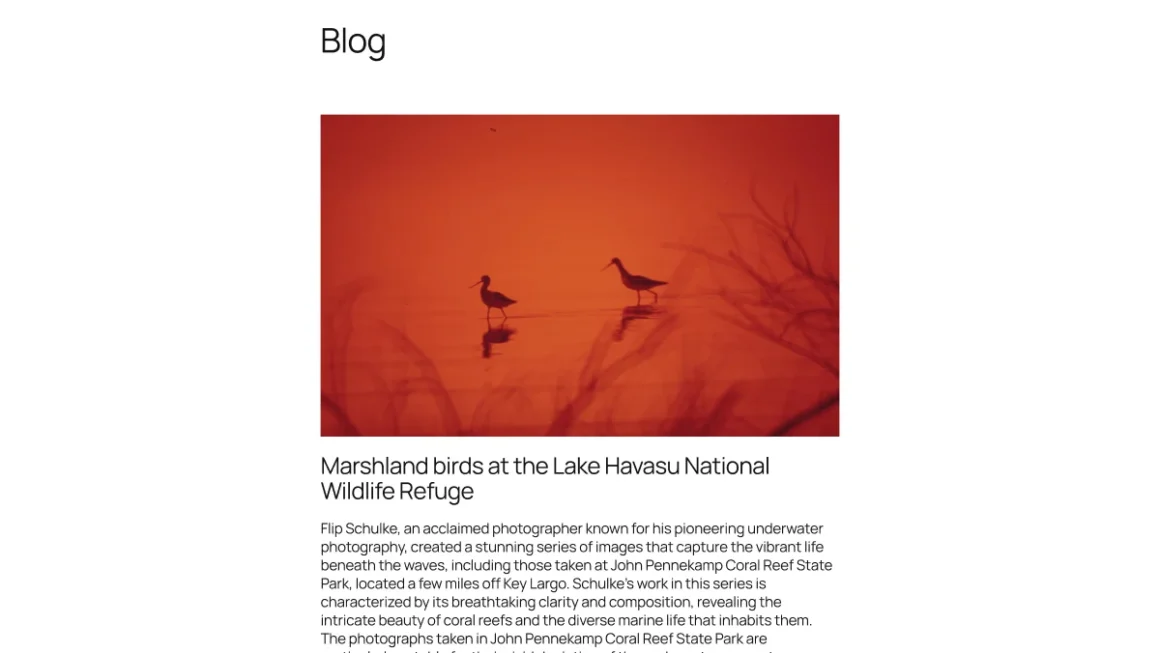
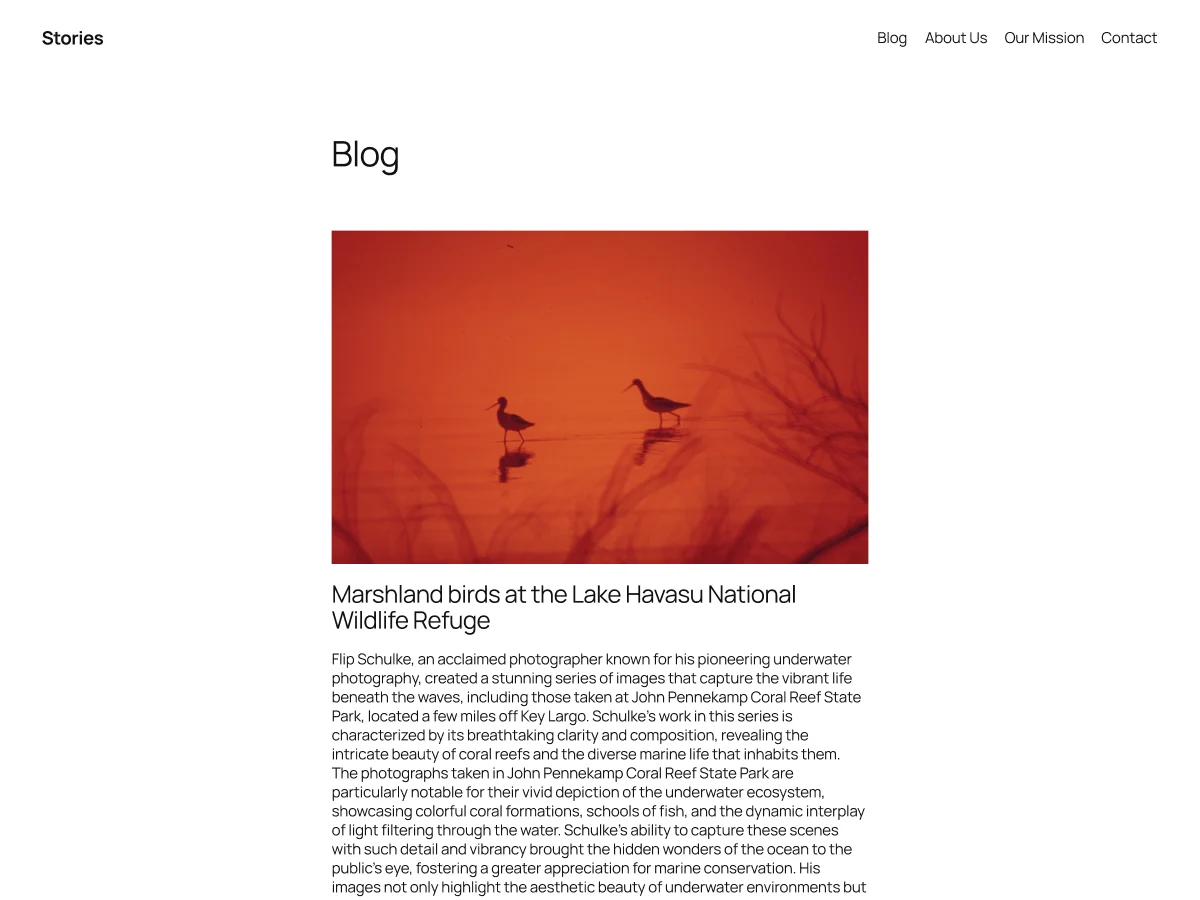
Designed to champion simplicity, modern adaptability, and full-site editing (FSE), Twenty Twenty-Five is engineered to cater to an extraordinarily diverse audience. Whether powering a minimalist personal journal, an image-heavy online magazine, a dynamic professional portfolio, or a fully functioning corporate business website, the theme provides the structural flexibility required to bring diverse visions to life.
Key attributes of Twenty Twenty-Five include:
- 16 Built-in Style Variations: Offering users unprecedented control over the visual identity of their sites out-of-the-box.
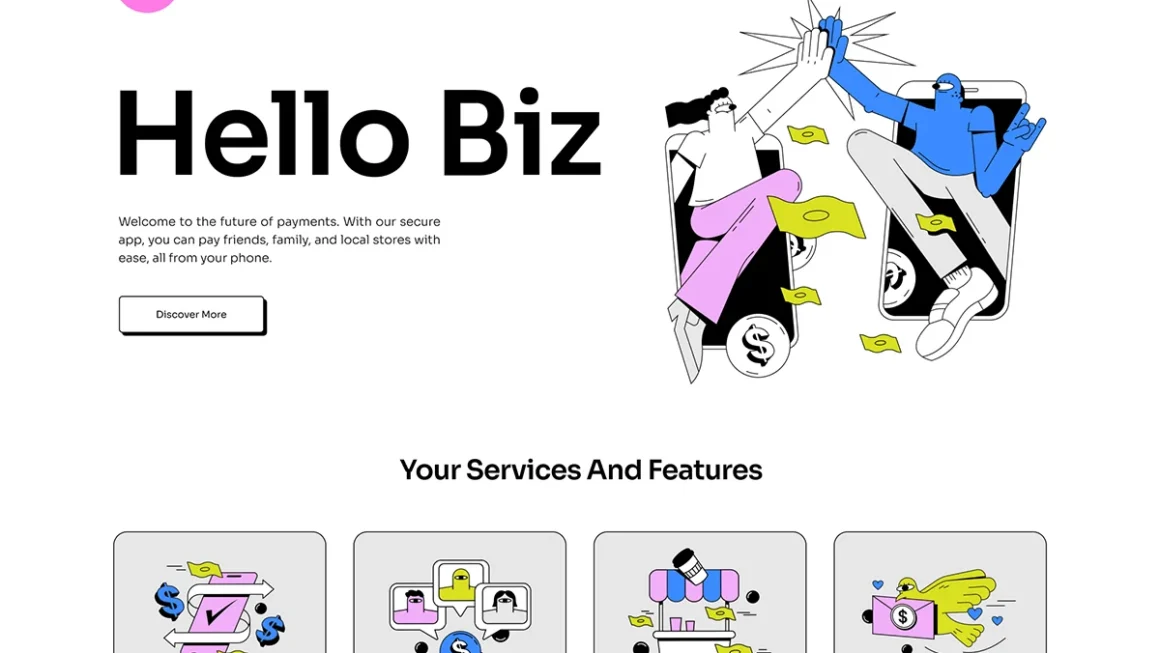
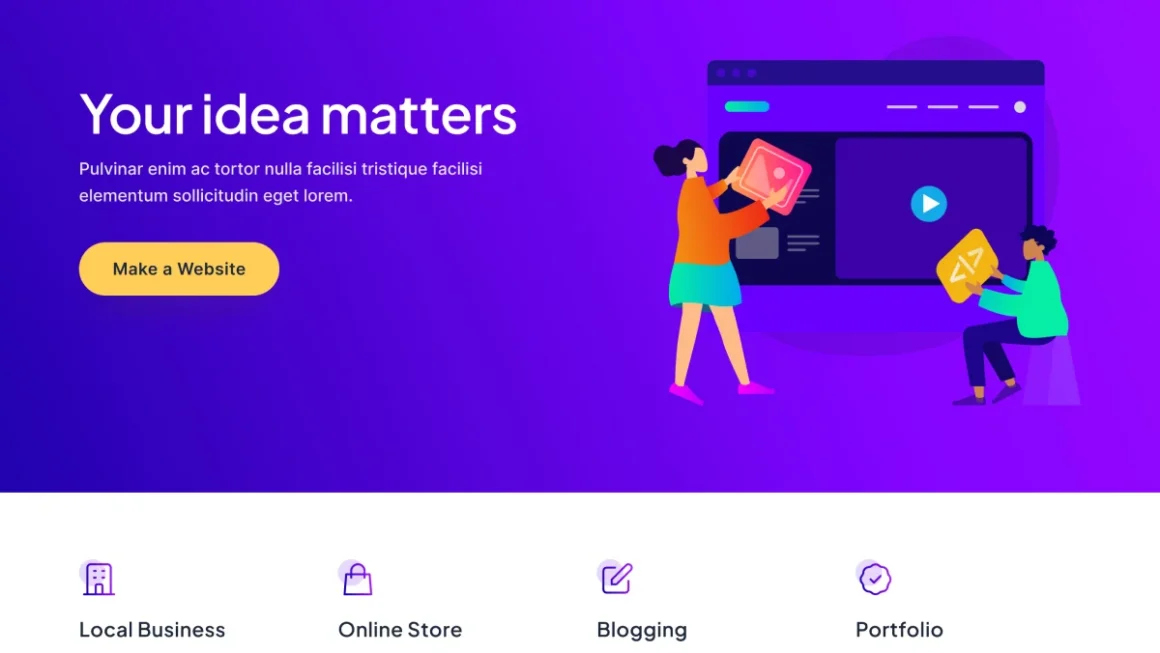
- Extensive Pattern Library: Supporting a wide array of page types, including dedicated service layouts, landing pages, and intricate blog structures.
- Global Accessibility and Localization: Fully optimized for international typography, diverse color palettes, RTL (Right-to-Left) languages, and dozens of localized translations.
- Full-Site Editing (FSE) Native: Built entirely on block themes architecture, allowing deep customization of templates, template parts, and global styles without touching a single line of code.
As WordPress continues its march toward complete democratization of publishing, Twenty Twenty-Five stands as a testament to what open-source collaboration can achieve, blending high-end design aesthetics with rigorous web standards.
Chronology: From Concept to Community Milestone
The journey toward Twenty Twenty-Five did not happen overnight; it is the culmination of years of iterative progress in WordPress theme architecture, moving away from classic PHP-based templates toward the modern block-based paradigm.
Phase 1: The Vision and Proposal (Late 2023 – Early 2024)
Following the widespread adoption of Twenty Twenty-Four, the WordPress core team and community contributors began discussing the philosophical goals for the 2025 flagship theme. The overarching consensus was clear: the next theme needed to lean heavily into content creation, reducing friction for bloggers and creators while offering robust modular components for agencies and developers.
Phase 2: Community Development and Testing (Mid 2024)
Unlike commercial themes built by single corporate entities, Twenty Twenty-Five was forged in the public square. Throughout mid-2024, weekly development chats hosted on the Make WordPress Themes channel coordinated efforts across multiple continents. Contributors submitted pull requests, tested block patterns, and refined accessibility features. The focus during this phase was heavily weighted on performance optimization and ensuring seamless integration with incoming core WordPress updates.
Phase 3: Launch and Rapid Adoption (Late 2024 – Present)
Upon its official release and integration into core WordPress packages, Twenty Twenty-Five experienced exponential growth. Within weeks, active installations crossed the milestone threshold into seven figures. The rapid deployment across millions of live sites cemented its status as one of the most successfully adopted default themes in WordPress history, triggering a wave of community translations, child theme developments, and extended pattern libraries.
Supporting Data: By the Numbers
Understanding the sheer scale of Twenty Twenty-Five requires looking closely at the metrics that define its ecosystem. Data gathered from the official WordPress Theme Directory highlights its widespread appeal and robust support framework:
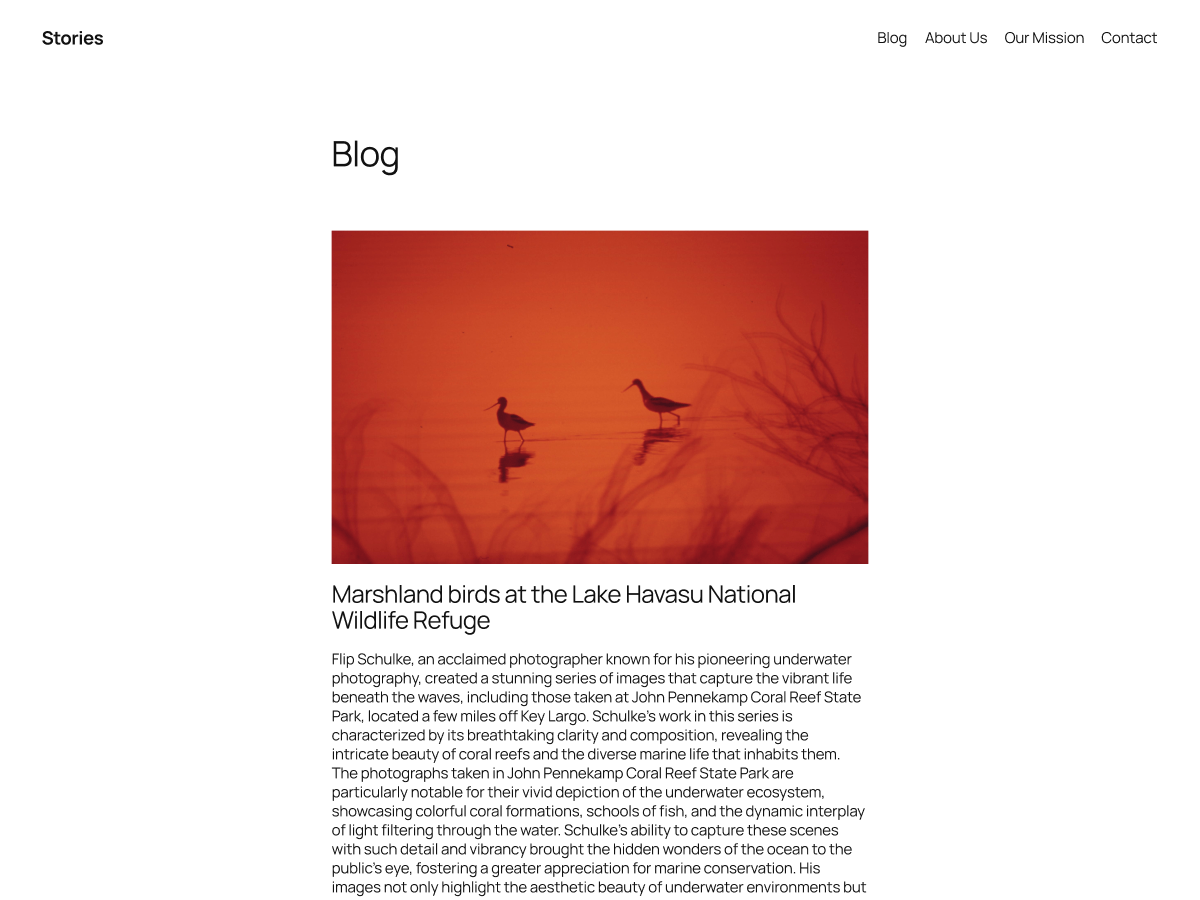
- Active Installations: 1,000,000+ active sites globally.
- Style Variations: 16 distinct aesthetic presets, allowing users to drastically alter mood, color theory, and typography with a single click.
- Supported Tags: Categorized broadly across 19 distinct functional tags, including Accessibility Ready, Block Editor Patterns, Full Site Editing, Portfolio, News, and Wide Blocks.
- Global Reach & Localization: Translated into dozens of languages across multiple linguistic families, ranging from major European languages (German, Spanish, French, Italian) to Asian and Middle Eastern scripts (Japanese, Korean, Arabic, Persian, Kurdish).
- Support and Community Engagement: Thousands of active threads on the WordPress support forums, alongside an active developer community continuously submitting patches, translations via translate.wordpress.org, and bug reports through the Make WordPress Themes initiative.
Official Responses and Community Perspectives
The reception of Twenty Twenty-Five among core developers, designers, and end-users has been overwhelmingly positive, highlighting a collective shift toward maturity in WordPress’s block-editing capabilities.
Lead developers and core contributors have frequently emphasized that Twenty Twenty-Five was designed with human-centric content in mind. In official design updates, core team leads noted:
"Twenty Twenty-Five isn’t just a collection of templates; it is a framework for storytelling. We wanted to ensure that whether you are writing a deep-dive journalistic piece or showcasing a visual portfolio, the design gets out of your way and lets your content shine."
Design system architects have also pointed to the inclusion of 16 style variations as a breakthrough for non-technical users. By decentralizing design choices into accessible presets, users no longer feel locked into a single rigid aesthetic.
Meanwhile, accessibility advocates within the WordPress community have praised the theme’s rigorous adherence to accessibility standards. By ensuring that contrast ratios, keyboard navigability, and screen reader compatibility are baked into the core patterns, Twenty Twenty-Five sets a high benchmark for inclusive web design.
Implications: What Twenty Twenty-Five Means for the Future of Web Development
The massive adoption and technical architecture of Twenty Twenty-Five carry profound implications for the broader web development and design industry.
1. The Maturation of Full-Site Editing (FSE)
For years, skeptics argued that block themes were too complex or lacked the polished aesthetic of premium third-party themes. Twenty Twenty-Five effectively shatters this narrative. By demonstrating that a default theme can be simultaneously lightweight, visually stunning, and deeply customizable, it accelerates the industry-wide transition away from page builders and legacy themes toward native block-based development.
2. Empowering Non-Technical Creators
The inclusion of versatile patterns for landing pages, services, and diverse blog layouts means that small business owners, freelance writers, and independent creators can deploy enterprise-grade digital storefronts and content hubs without incurring heavy development costs. This lowers the barrier to entry for digital entrepreneurship.
3. A Blueprint for Open-Source Collaboration
The development model of Twenty Twenty-Five reinforces the power of open-source software. By crowdsourcing ideas, rigorous testing, and global translations across linguistic divides, the WordPress community has proven that collaborative digital infrastructure can rival—and often surpass—proprietary alternatives in quality and security.
Looking Ahead
As the web continues to evolve toward faster, more accessible, and modular experiences, Twenty Twenty-Five serves as both a reliable tool for today and a directional compass for future WordPress releases. For millions of site owners navigating the digital landscape, it offers a stable, elegant, and future-proof foundation upon which to build their online presence.