








By Tech & Open-Source News Desk
Published October 22, 2026
Main Facts
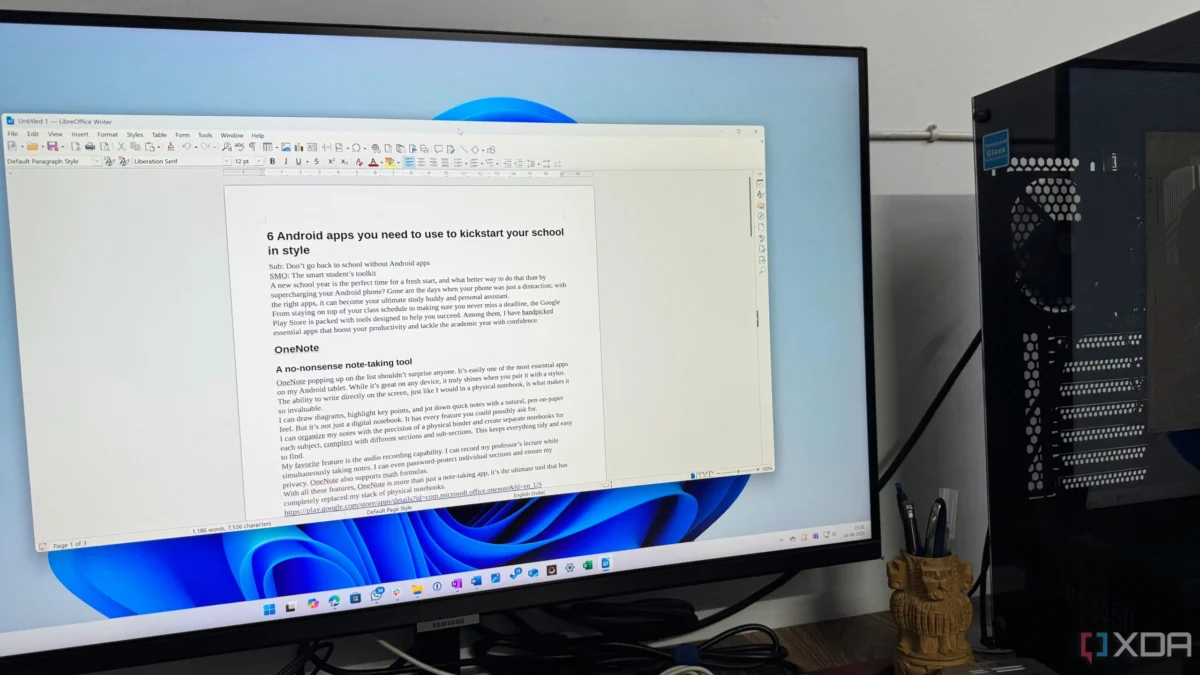
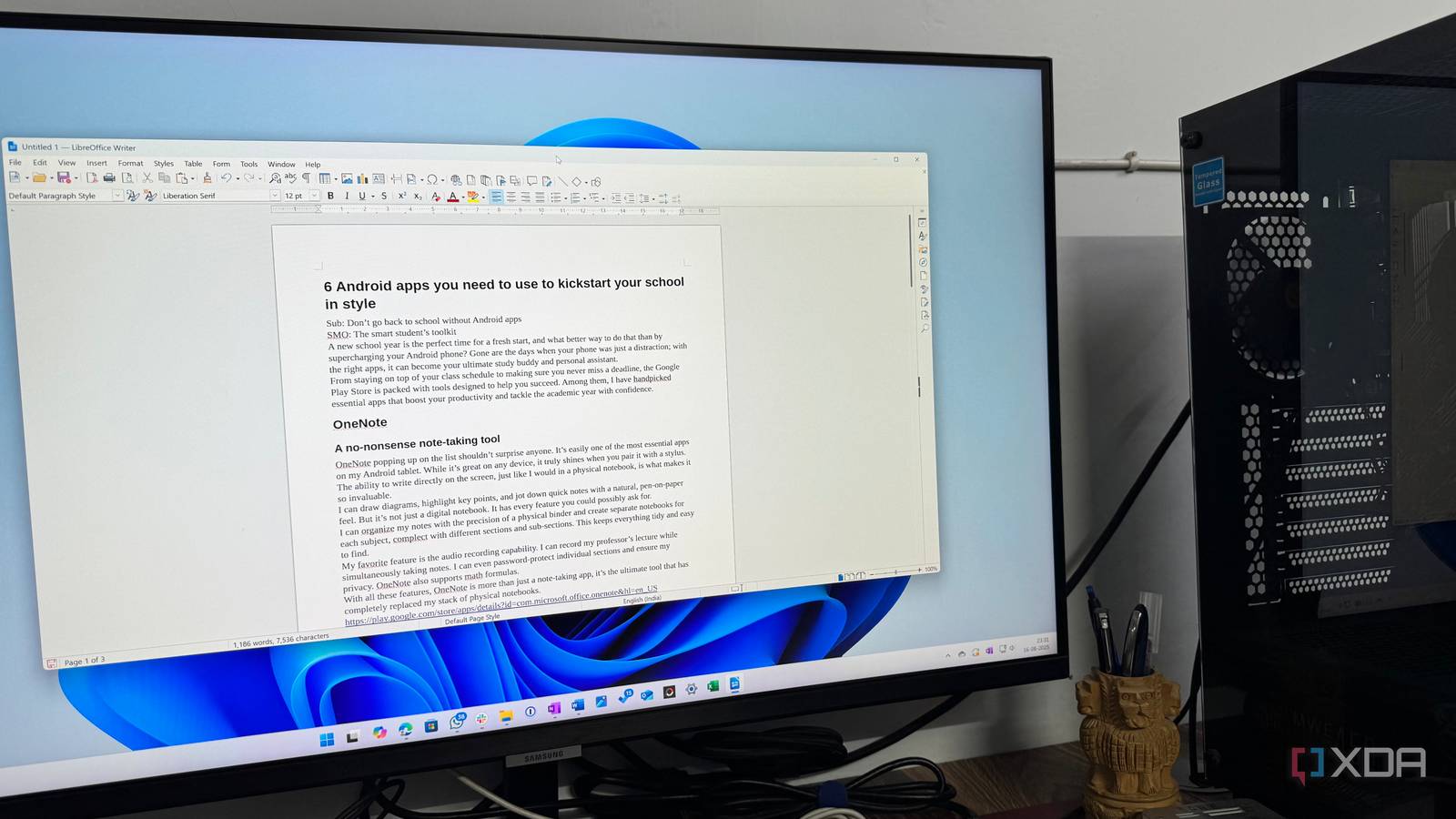
The Document Foundation has announced a monumental milestone for its flagship open-source productivity suite, LibreOffice. Between August 24 and October 18, 2026, the software recorded an astonishing 9.4 million downloads over a compressed eight-week span.
This surge represents a notable acceleration in user acquisition. Previously hovering just under one million downloads per week, the latest figures indicate an unprecedented wave of adoption. Most impressively, the total download statistics for the entirety of 2026 have already surpassed the full-year figures for 2025—with more than two months still remaining in the calendar year.
This dramatic growth highlights a broader, global shift among individual consumers, enterprises, and public institutions toward open-source software, digital autonomy, and alternatives to subscription-heavy proprietary ecosystems like Microsoft 365.
Chronology: The Road to a Record-Breaking Autumn
While software download trends can sometimes fluctuate unpredictably, the timeline leading up to this autumn milestone reflects a steady, compounding momentum for LibreOffice throughout 2026.
- Early 2026: LibreOffice begins the year with strong, consistent adoption rates, immediately outperforming the baseline metrics recorded throughout the corresponding months of 2025.
- Spring and Summer 2026: Continuous updates to the productivity suite—spanning Writer, Calc, Impress, and Draw—improve cross-platform compatibility, file rendering, and overall stability, keeping user interest high.
- August 24, 2026: The Document Foundation initiates the tracking period for its late-summer and early-autumn data review, capturing a sudden, accelerated influx of new users and system updates.
- October 18, 2026: The eight-week tracking window closes. Compiling the telemetry and mirror data reveals a staggering 9.4 million downloads, averaging well over 1.1 million downloads per week.
- October 21, 2026: The Document Foundation officially publishes the telemetry results on its corporate blog, celebrating not only the eight-week milestone but also the confirmation that 2026 has officially broken annual records ahead of schedule.
Supporting Data and Market Analysis
Analyzing the raw metrics reveals why industry observers are taking notice of LibreOffice’s recent trajectory. Prior to the late-summer surge, the open-source suite typically maintained a healthy, albeit steady, distribution rate that generally equated to less than one million downloads weekly.
The leap to averaging over 1.1 million downloads a week during the August–October window signifies a distinct break from historical baselines. Furthermore, because The Document Foundation does not mandate forced telemetry, user accounts, or mandatory registration forms upon download, precise demographic data is intentionally sparse—preserving user privacy while quantifying raw distribution scale.
Beyond the eight-week window, the year-over-year comparison is stark. By mid-October 2026, cumulative downloads for the year had already eclipsed the total output for the entire 12 months of 2025. With software updates continuing to roll out and seasonal tech adoption trends peaking toward the end of the calendar year, open-source advocates anticipate that the final 2026 tally will set a high-water mark for the foundation.
Official Responses and Perspectives
Because LibreOffice avoids intrusive onboarding questionnaires or mandatory user surveys, pinpointing the exact catalyst for this sudden migration is challenging. Tech analysts point to several likely drivers, including rising subscription fatigue associated with cloud-based office suites, increasing enterprise focus on data privacy, and the sheer reliability of LibreOffice’s robust toolset.
The Document Foundation addressed the milestone directly in its official blog statement, pointing to the project’s long-term philosophy as its primary competitive advantage:
"We like to think that the consistency of the LibreOffice project — which has been championing the concept of digital sovereignty and standard document formats for years — and the robustness of the software, which has never sought to be a clone of the most widely used office suite on the market but has always strived to forge its own path, are two very important factors that, in the long term, represent a significant advantage over all other products."
Rather than mimicking the user interface or pricing models of dominant proprietary competitors like Microsoft 365 or Google Workspace, The Document Foundation has continuously prioritized native OpenDocument Format (ODF) support, strict adherence to open standards, and total independence from corporate monetization schemes. This steadfast vision appears to be resonating deeply with a public increasingly wary of software bloat, forced cloud integration, and recurring subscription fees.

Implications for the Future of Productivity Software
The news that LibreOffice has shattered its previous records carries profound implications for the broader technology landscape.
1. The Rise of Digital Sovereignty
Governments, educational institutions, and enterprise organizations worldwide are placing renewed emphasis on "digital sovereignty"—the concept that users and entities should retain absolute control over their data, software infrastructure, and digital tools. By relying on open-source frameworks like LibreOffice, public sector organizations can avoid vendor lock-in, eliminate recurring licensing expenditures, and ensure that sensitive documents remain secure and accessible without proprietary intermediaries.
2. Subscription Fatigue and Economic Pressures
As major tech giants pivot entirely toward cloud-first, subscription-based pricing models, consumers and small businesses are increasingly pushing back. The financial burden of maintaining ongoing software subscriptions has driven countless users to evaluate free, open-source alternatives. LibreOffice offers a powerful, cost-free suite capable of handling complex word processing, spreadsheet analysis, and presentation design without demanding a monthly fee or internet connectivity.
3. A Blueprint for Sustainable Open-Source Development
The success of LibreOffice proves that open-source software does not need to compromise its principles or mimic commercial software giants to achieve mainstream success. By forging its own path, maintaining rigorous code quality, and respecting user privacy, The Document Foundation has demonstrated that community-driven projects can scale effectively to meet the demands of millions of global users.
As the tech community looks toward the close of 2026 and anticipates the arrival of 2027, LibreOffice stands firmer than ever. With record-breaking download numbers in the rearview mirror and a dedicated global user base driving its momentum, the future of open-source office productivity has never looked brighter.