










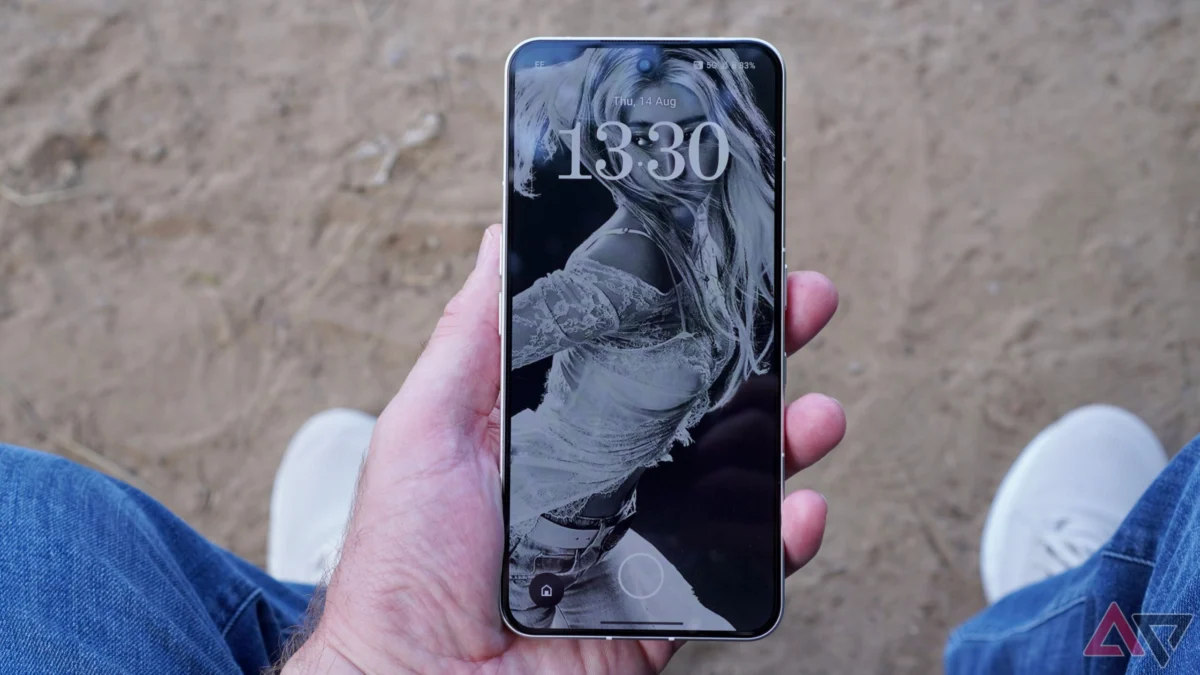
Nothing has officially pulled the curtain back on its most ambitious software update to date. With the rollout of Nothing OS 5.0, the company is signaling a transition from a hardware-focused startup to a platform-centric brand. Built upon the foundation of Android 17, the new operating system promises to redefine the user experience for Nothing device owners, focusing on radical personalization, refined aesthetics, and deeper integration of Artificial Intelligence.
The update, which follows a successful beta testing phase that kicked off in August, initially lands on the flagship Nothing Phone (3). However, the company has provided a comprehensive, transparent roadmap for the remainder of its device portfolio, ensuring that users of the (3A), (4A), (2A), and CMF sub-brands are not left in the dark.
The Core Philosophy: Redesigning the Digital Workspace
At the heart of Nothing OS 5.0 is a commitment to "transparent design"—a philosophy that extends beyond the physical casing of their hardware into the very pixels of the user interface. Nothing’s design language has always been distinct, but version 5.0 represents a maturation of that aesthetic.

The update introduces a complete overhaul of the system’s design language. This includes significant revisions to typography, icon sets, spacing, and system-wide motion physics. The goal, according to company spokespeople, is to create a more fluid, cohesive interaction model that reduces cognitive load while increasing user agency.
A Fresh Look at the Launcher and UI
The redesigned launcher is the most immediate change users will notice. It is built to prioritize content over system clutter. The status bar has been simplified, and the Settings menu—often a dumping ground for complex configurations—has been reorganized into more intuitive, task-oriented categories.
One of the standout features in the new UI is the subtle integration of "micrographics." These small, intricate clock faces and dynamic data visualizations allow users to monitor information without needing to dive deep into an app. It is a nod to the "glanceability" that Nothing has championed since its inception.

Deep Personalization: The "Collector" Era
Perhaps the most talked-about feature in Nothing OS 5.0 is the new, granular approach to home screen personalization. Nothing is leaning into the idea that a phone should be a canvas for its owner.
The "Collector" Widget
The new "Collector" widget is poised to become a fan favorite. It allows users to transform their personal photographs into custom app icons and dynamic widgets. By utilizing advanced image processing, the OS extracts color palettes and textures from user-uploaded photos, applying them to the system’s UI elements. This ensures that icons don’t just sit on top of a wallpaper; they feel like a seamless extension of it.
Transparent details and color-tinting options allow for a "collective" look, where the entire home screen feels unified. This shift away from rigid, standardized app icon shapes toward a more fluid, expressive interface highlights Nothing’s desire to differentiate itself from the more "walled garden" approach of competitors like Apple or the utilitarian standard of stock Android.

Camera and Productivity Enhancements
The camera software has received a significant performance upgrade in this release. The interface now features cleaner controls, updated iconography, and more polished shutter animations. By moving complex secondary settings out of the primary viewfinder, Nothing has made the camera experience more approachable for casual photographers while retaining the manual controls that enthusiasts demand.
Furthermore, the Nothing Gallery app has been overhauled. With the integration of improved search and sorting algorithms, users can more easily navigate large libraries of images. This is bolstered by improved metadata handling, which allows for smarter grouping of photos based on context, location, and time.
Artificial Intelligence: The "Essential" Shift
While many smartphone manufacturers are rushing to integrate generative AI, Nothing is taking a more curated approach with its "Essential AI" tools. Rather than attempting to automate every aspect of the user experience, Nothing OS 5.0 focuses on AI that adds tangible value to daily workflows.

These tools are designed to work quietly in the background—summarizing notifications, suggesting smart replies based on tone and context, and optimizing power usage based on individual usage patterns. The emphasis is on "essential" utility: AI that helps the user manage their device without becoming a distraction.
A Transparent Rollout: The Roadmap
One of the most impressive aspects of the Nothing OS 5.0 announcement is the company’s commitment to a clear, public release schedule. In an industry where OS updates are often shrouded in vague "coming soon" promises, Nothing’s proactive communication is a breath of fresh air.
The Phased Deployment Schedule
The company has outlined the following timeline for the rollout:

- October 2026: Initial rollout for the Nothing Phone (3).
- Early November 2026: Expansion to the Nothing (3A) and (4A) series.
- Mid-November 2026: The Nothing (2A) is scheduled to receive the update.
- Late December 2026: The Nothing (3A) Lite is set for deployment.
- January 2027: The final phase will cover the Nothing (4B) and the CMF Phone 2 Pro.
This staggered approach allows the software team to monitor stability and gather real-world telemetry, ensuring that if a bug appears in the early deployment, it can be patched before the wider release.
Implications for the Tech Market
The launch of Nothing OS 5.0 marks a significant milestone in the maturation of the brand. By moving to Android 17, Nothing is ensuring that its users have access to the latest security protocols and performance optimizations inherent in the core Android ecosystem, while simultaneously building a brand-specific identity that remains distinct from the competition.
Competition and Market Positioning
By focusing on a blend of "cool factor" (via personalization and design) and genuine utility (via the new launcher and AI), Nothing is carving out a niche that appeals to power users who are tired of the bloatware often found on other Android devices. The fact that this experience is being scaled down to budget-friendly devices like the CMF line is a strategic move that could help them capture significant market share among younger, design-conscious consumers.

Challenges Ahead
Despite the excitement, the transition to a major OS release is never without risk. As the device ecosystem grows, maintaining a "light and fast" operating system becomes increasingly difficult. The challenge for Nothing will be to ensure that the "Essential AI" and heavy personalization features do not introduce performance regressions or battery drain on older hardware, particularly for the mid-range devices like the (2A) or the Lite models.
Conclusion: A New Standard for Transparency
Nothing OS 5.0 is more than just a skin over Android 17. It is a declaration of intent. By prioritizing design, user-led customization, and, most importantly, transparent communication regarding updates, the company is proving that it understands what its audience values most.
For the average consumer, the update promises a more beautiful, efficient, and personalized smartphone experience. For the tech industry, it serves as a reminder that in a crowded market, differentiation is achieved not just through hardware specs, but through the thoughtful curation of the software experience. As the rollout continues through the winter months, the eyes of the industry will be on Nothing to see if they can maintain this momentum and deliver a stable, high-quality experience across their diverse range of hardware.



