










By News Desk
September 27, 2026
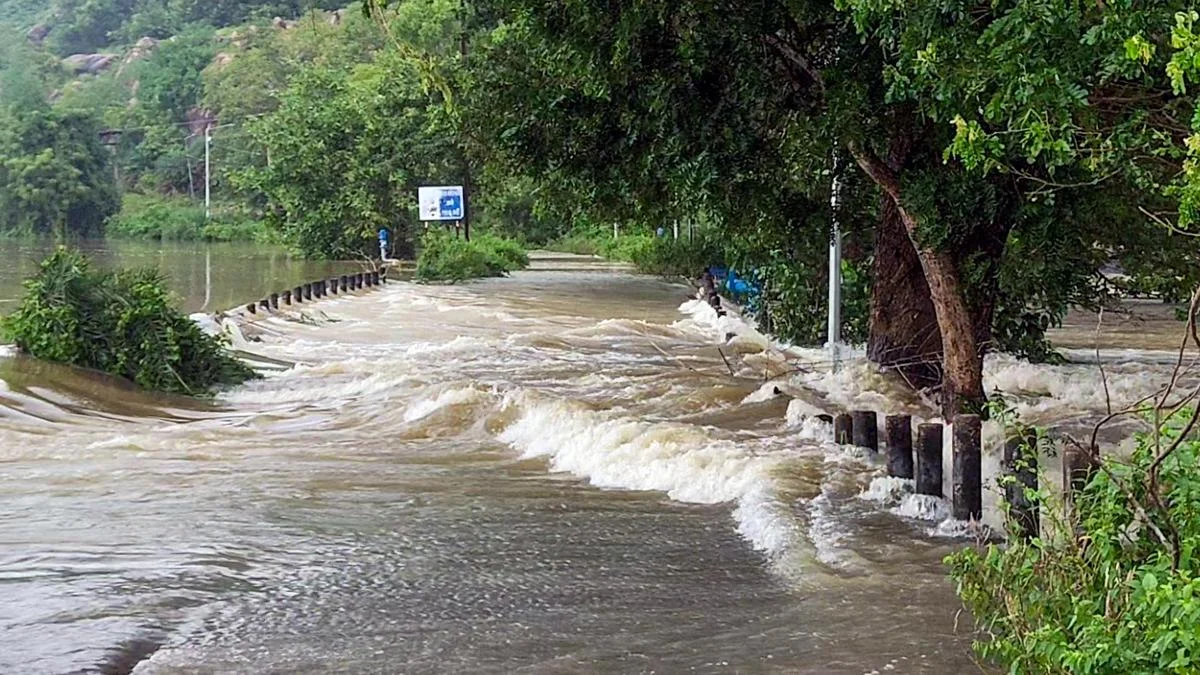
KHORDHA/BHUBANESWAR: The state of Odisha is currently grappling with a severe hydrological crisis following days of relentless, torrential rainfall that has pushed river systems to their limits and triggered widespread flash flooding across 13 districts. In a massive humanitarian mobilization, the state government reported on Saturday that over 70,000 residents living in low-lying and vulnerable areas have been evacuated to safety. These displaced citizens are currently being sheltered in 395 state-run relief camps, where they are receiving essential supplies, medical care, and food.
The scale of the crisis has prompted an immediate, high-level response. Chief Minister Mohan Charan Majhi is scheduled to conduct an extensive aerial survey of the worst-affected districts in south Odisha on Sunday morning. This inspection aims to assess the ground reality, evaluate the efficacy of the ongoing rescue operations, and coordinate further relief efforts in regions currently cut off by rising water levels.
The Chronology of the Deluge
The current flooding event is the culmination of a high-pressure weather system that dumped unprecedented rainfall across the state’s upper catchment areas. While the rains began earlier in the week, the situation reached a critical inflection point on Friday night and escalated rapidly throughout Saturday.
- Thursday: Heavy rains intensified in the upper catchment areas of the Mahanadi River, particularly in neighboring Chhattisgarh, placing the Hirakud Dam under significant pressure.
- Friday: Flash flooding began to emerge in districts like Kalahandi and Koraput as local rivers and tributaries exceeded their carrying capacities.
- Saturday Morning: The situation in Balasore and Mayurbhanj worsened dramatically. By midday, multiple embankments were breached, and road connectivity—including key sections of National Highway 16—was severed.
- Saturday Evening: The state government finalized the evacuation of 70,000 individuals, and the Revenue and Disaster Management Department officially authorized the opening of additional gates at the Hirakud Dam to prevent structural compromise.
Geographic Scope and Impacted Districts
The impact of the flooding is widespread, affecting 13 districts: Balasore, Bhadrak, Jajpur, Mayurbhanj, Kalahandi, Koraput, Nabarangpur, Malkangiri, Keonjhar, Nayagarh, Kandhamal, Bolangir, and Jagatsinghpur.
The Balasore Crisis
Balasore stands out as one of the hardest-hit regions. The Subarnarekha River, a perennial source of concern during monsoon events, was measured at 11.07 meters at Jaleswar’s Rajghat point at 5:00 p.m. on Saturday—well above its danger level of 10.36 meters. This surge has decimated agricultural fields and entered residential settlements in the Bhograi, Jaleswar, Baliapal, and Basta blocks.
Adding to the distress, the Budhabalang River recorded a height of 8.8 meters near the NH-16 crossing at Govindpur, forcing traffic diversions and isolating communities. Simultaneously, the Kansabansa, Soa, and Gangahar rivers remain in a state of high spate, complicating relief access.
Mayurbhanj and the Closure of Devkund
In Mayurbhanj, the environmental impact has forced authorities to impose a total moratorium on tourism in the Similipal National Park region. The popular tourist destination of Devkund has been temporarily closed to the public. Officials cited the dangerous rise in water levels across streams and the destruction of vital infrastructure. Bridges and culverts providing access to the area have been washed away, turning the scenic site into a hazardous zone.
Jajpur and Kalahandi
In Jajpur, the overflow of the Kani River—a major distributary of the Baitarani—has inundated the Tarapada and Kapasi panchayats. Meanwhile, in Kalahandi, the discharge of 550 cusecs of water from the Indravati Project’s Hati River gates, combined with local runoff, has flooded several blocks, leaving hundreds of hectares of standing crops submerged.
Hirakud Dam: The Pressure Valve
The Hirakud Dam, the lifeline of Odisha’s irrigation and flood control, has become the focal point of the state’s disaster management strategy. Revenue and Disaster Management Minister Suresh Pujari confirmed that 11 additional sluice gates were opened on Saturday, bringing the total number of operational gates to 16.
"We have to open more gates due to the extreme rainfall in the upper catchment area of the Mahanadi River in Chhattisgarh," a senior official stated. "The reservoir’s water level currently stands at 629.56 feet, dangerously close to the full capacity of 630 feet."

The opening of these gates, while necessary to ensure the structural integrity of the dam, poses an immediate risk to the downstream floodplains. Residents along the Mahanadi delta have been placed on high alert as water discharge levels increase, potentially leading to further inundation in the coming 48 hours.
Official Responses and Rescue Mobilization
The Odisha government has adopted a "zero-casualty" approach, directing all district collectors to prioritize the evacuation of the elderly, children, and those with medical vulnerabilities.
Deployment Breakdown:
- ODRAF (Odisha Disaster Rapid Action Force): 33 specialized teams are currently deployed across the 13 affected districts.
- NDRF (National Disaster Response Force): 3 teams are operating in the most critical zones.
- Fire Services: Approximately 300 teams have been mobilized to perform search-and-rescue operations and provide emergency water pumping services in water-logged urban areas.
Minister Suresh Pujari emphasized that the government is closely monitoring the inflow data from the Hirakud reservoir and maintaining real-time communication with district administrations to ensure that relief supplies, including dry rations, clean water, and medicine, are reaching the 395 relief camps without delay.
Long-term Implications and Infrastructure Challenges
The 2026 flood event highlights the recurring vulnerability of Odisha’s infrastructure. The destruction of culverts, bridges, and access roads in Mayurbhanj and Koraput indicates that despite decades of flood mitigation efforts, the state’s logistical networks remain highly susceptible to extreme climate events.
Agricultural Impact
While the full extent of the crop damage will only be known once the waters recede, initial reports from the field suggest that the timing of this flood is particularly devastating. With the harvest season approaching, thousands of farmers in the coastal districts face the potential loss of their primary source of income. The saturation of soil in the low-lying plains of Jajpur and Balasore also raises concerns about long-term soil health and the potential for a delayed second sowing season.
Environmental Shift
Experts note that the intensity and frequency of such flash floods in Odisha are consistent with shifting regional weather patterns. The rapid rise in water levels in previously stable rivers suggests that deforestation in the upper reaches and the encroachment of floodplains are exacerbating the impact of what might otherwise be manageable monsoon events.
Conclusion
As Saturday turns to Sunday, the residents of Odisha remain in a state of anxious vigilance. The focus for the next 24 hours will remain on the management of the Hirakud Dam outflow and the safety of the 70,000 people displaced from their homes. With the Chief Minister set to fly over the affected zones, the state expects to release a comprehensive damage assessment and a roadmap for long-term recovery in the coming days.
For now, the priority remains life-saving intervention. Residents are urged to avoid low-lying roads, heed the instructions of local authorities, and remain tuned to official bulletins as the state navigates this unfolding natural disaster.
This is a developing story. Further updates will be provided as reports from the aerial survey and district administrations become available.



