










SEATTLE — In what has quickly become the marquee smartphone promotion of the autumn shopping season, the premier non-folding flagship from South Korea’s leading technology giant has received an aggressive price cut. On the final day of Amazon’s Prime Big Deal Days, consumers have a fleeting opportunity to acquire the newly minted Samsung Galaxy S26 Ultra at a staggering 30% discount.
The promotion arrives at an opportune moment for tech enthusiasts and everyday consumers alike. Following a wave of supply chain volatility and escalating global component costs that forced manufacturers to reevaluate retail pricing across major international markets, flagship mobile devices have become increasingly expensive. By shaving hundreds of dollars off the sticker price, this limited-time Amazon event effectively neutralizes recent retail hikes, offering a rare window of high-end value.
Main Facts
The headline-grabbing promotion centers around Samsung’s current crown jewel, the Galaxy S26 Ultra.
- The Discount: A dramatic 30% price reduction available exclusively to Amazon Prime members.
- The Savings: Buyers stand to save roughly $420 on the purchase, an amount that more than offsets the recurring annual cost of an Amazon Prime membership—or can be unlocked instantly via a free trial period.
- Pricing Context: While rising global component costs recently pushed the standard retail price of the base 256GB model to $1,400 (up from its initial $1,300 launch tier) and the 512GB configuration to $1,600, this Prime Big Deal Days promotion brings the premier handset down to a much more palatable tier for budget-conscious power users.
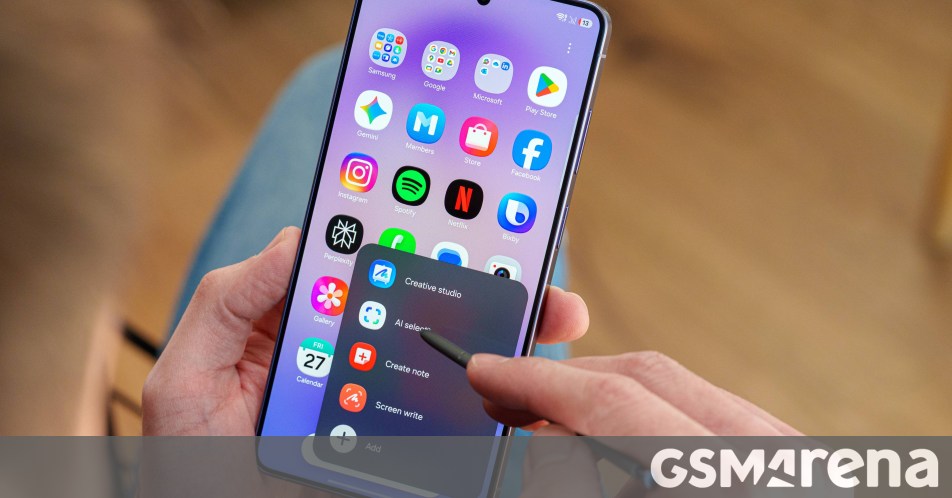
- Core Hardware: The S26 Ultra continues to dominate the non-folding smartphone segment, running on the customized Snapdragon 8 Elite Gen 5 for Galaxy chipset, paired with a massive 6.9-inch display, signature S-Pen support, and an advanced Privacy Display mode. It also introduces groundbreaking 60W fast-charging capabilities to the Galaxy ecosystem, drastically outpacing older generation charging thresholds.
Chronology of Events
To fully understand how the Galaxy S26 Ultra arrived at this dramatic clearance milestone, it is necessary to examine the timeline of its market introduction and the economic pressures that have shaped its retail trajectory over the past year.
Phase 1: The Initial Launch and Stable Pricing
When Samsung first unveiled the Galaxy S26 Ultra, the device maintained price parity with its predecessor in key markets. The base 256GB iteration debuted at $1,300—matching the launch price of the S25 Ultra the year prior. Meanwhile, the step-up 512GB model debuted at a slightly adjusted $1,500 (up marginally from $1,420). At this stage, market analysts viewed the pricing strategy as stable, signaling that Samsung was absorbing minor manufacturing cost increases to protect consumer demand.
Phase 2: Market Realities and Global Price Adjustments
However, sustained pressures within the global semiconductor and rare-earth component sectors eventually caught up with the manufacturer. Facing mounting production expenses, Samsung issued widespread price adjustments in the United States, Europe, and India. The baseline entry cost for the S26 Ultra was bumped upward to $1,400, while the 512GB variant climbed to $1,600. This shift frustrated consumers looking to upgrade from older hardware, positioning the phone as an increasingly premium investment.
Phase 3: The Prime Big Deal Days Intervention
The current promotional event serves as a major correction to those inflationary adjustments. As Amazon’s Prime Big Deal Days entered its final 24-hour window, retail algorithms slashed the device’s pricing by 30%. This sudden price correction effectively bypassed the manufacturer’s enforced hikes, driving high-volume traffic to Amazon’s platform and setting up a fierce battleground between traditional slate flagships and folding alternatives.
Supporting Data and Comparative Analysis
When evaluating a purchase of this magnitude, consumers rarely look at a device in isolation. The high-end smartphone market is fiercely competitive, and prospective buyers are weighing the S26 Ultra against both foldable heavyweights and direct traditional competitors.
Galaxy S26 Ultra vs. Galaxy Z Fold8 Ultra
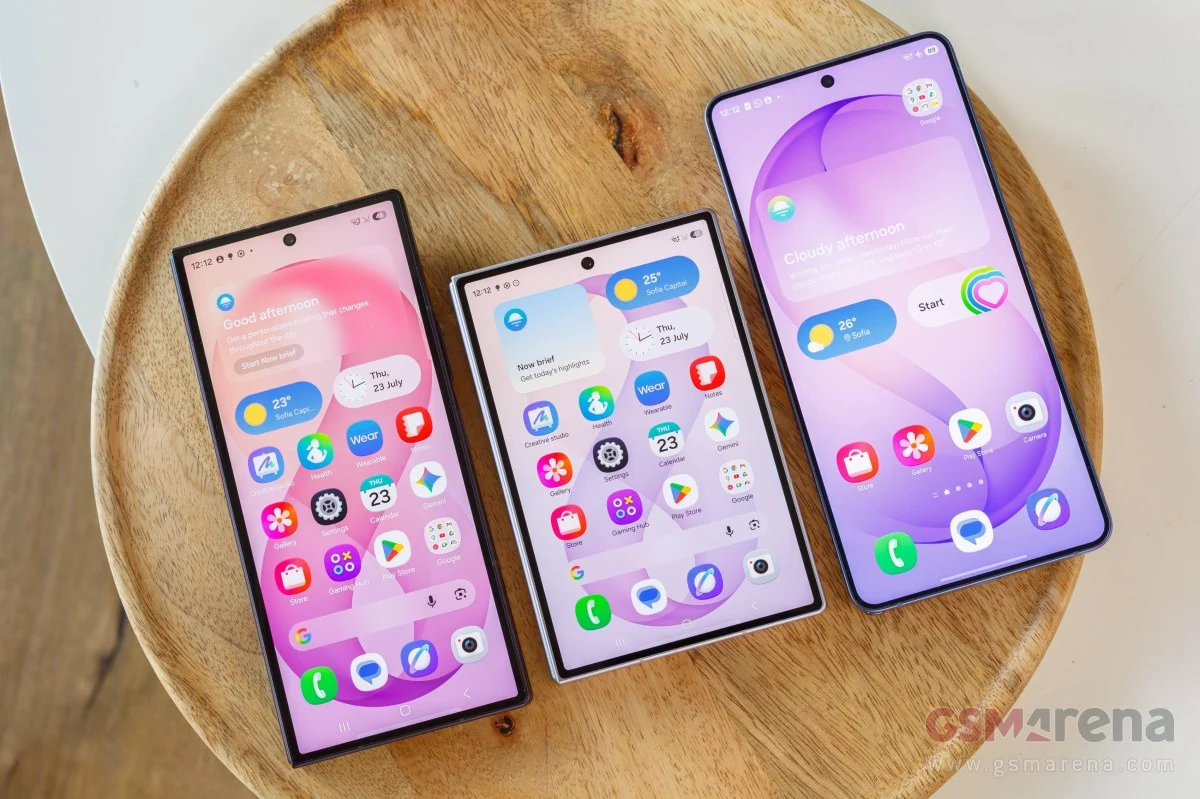
A natural point of consideration for shoppers browsing high-end Samsung hardware is whether to make the leap to a foldable device. The Samsung Galaxy Z Fold8 Ultra presents an intriguing alternative, sharing several key specifications with its slate-style sibling:
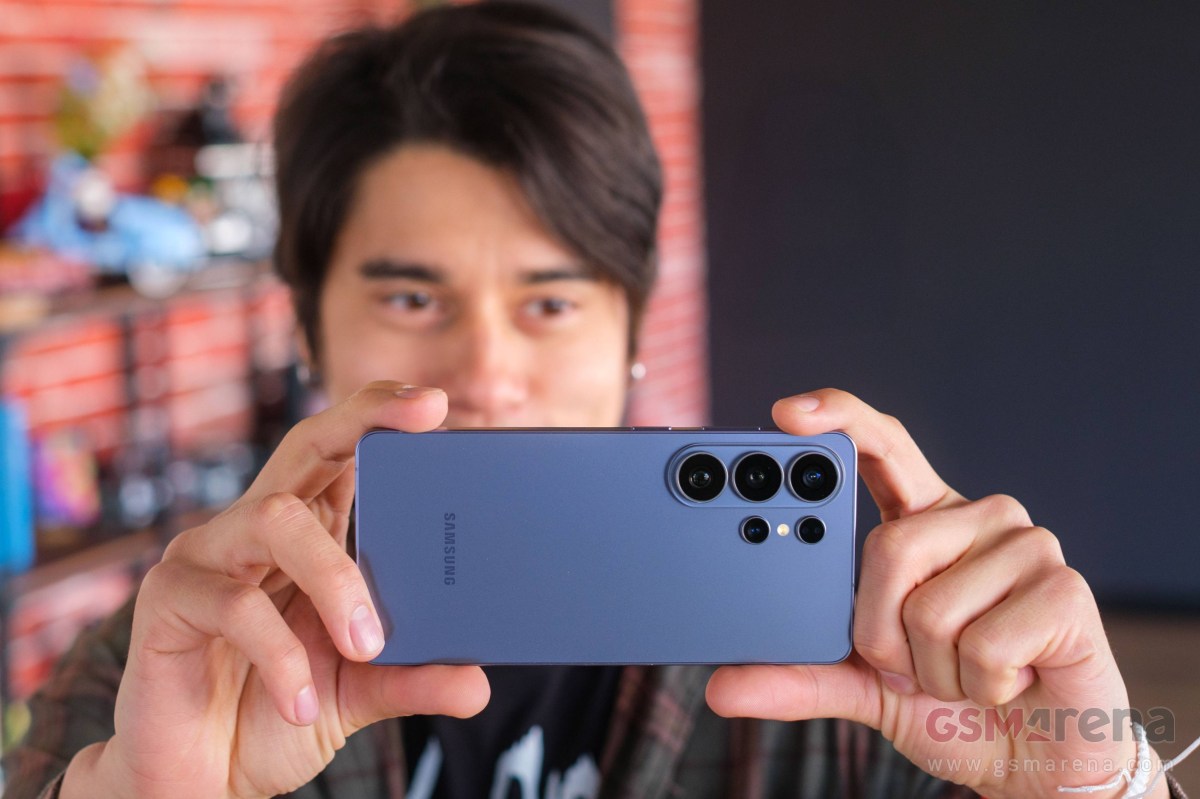
- Optics: Both devices boast a stellar 200MP main camera sensor, a 10MP 3x (69mm) telephoto lens, and a high-resolution 50MP ultra-wide shooter.
- The Missing Link: The Z Fold8 Ultra notably lacks the S26 Ultra’s signature 50MP 5x (111mm) periscope zoom module—widely regarded by mobile photographers as the most versatile and crucial telephoto tool in daily shooting scenarios.
- Battery and Charging: Both handsets house an identical 50,000mAh (5,000mAh) battery capacity. However, the S26 Ultra pulls ahead in power delivery, serving as the first Galaxy smartphone to feature 60W fast charging, which secures a 0-to-100% full charge in just 43 minutes. By contrast, the Z Fold8 Ultra relies on a more conservative 45W standard, requiring a full hour (60 minutes) to reach capacity.
- Form Factor and Display: The S26 Ultra offers a sprawling 6.9-inch standard slab display complete with integrated S-Pen architecture and an innovative Privacy Display mode. The Z Fold8 Ultra features a 6.5-inch cover screen that unfolds into an expansive 8.0-inch inner tablet display.
- Pricing Delta: Following its own 19% Prime discount, the Z Fold8 Ultra commands a baseline price of $1,700, making the discounted S26 Ultra a significantly more cost-effective entry point into Samsung’s elite ecosystem.
Broader Flagship Context
Market analysts have also closely tracked the S26 Ultra against its primary rival in the US market, the Apple iPhone 18 Pro Max. These two devices represent the twin peaks of non-folding smartphone engineering. For consumers committed to traditional slab form factors, industry consensus suggests that purchase decisions ultimately boil down to a choice between Apple’s ecosystem and Samsung’s hardware versatility. Furthermore, for users upgrading from the previous generation Galaxy S25 Ultra, the S26 Ultra offers incremental yet meaningful performance leaps in processing efficiency and thermal management.
Official Responses and Industry Reactions
While direct statements from corporate executives regarding third-party retail flash sales are historically rare, industry analysts and retail economists have offered robust commentary on the broader implications of Amazon’s promotional pricing strategy.
Representatives for major retail aggregators have noted that aggressive discounting on first-year flagships is becoming an essential tool for clearing inventory ahead of upcoming holiday cycles. Although Samsung officially revised its baseline MSRP upward to combat rising component overheads, independent retail partners possess the commercial flexibility to absorb margins in exchange for high-volume ecosystem lock-in.
Tech sector analysts suggest that promotions of this scale validate consumer hesitation regarding creeping smartphone pricing. When a handset’s retail cost jumps by $100 across standard channels, consumer demand naturally cools; however, introducing a 30% discount—translating to over $400 in direct savings—instantly reactivates latent purchasing intent. Industry insiders observe that such steep markdowns on current-generation hardware are unprecedented outside of carrier trade-in contracts, signaling a shift in how online retail giants capture high-value electronics shoppers during mid-season sales events.
Implications for Consumers and the Smartphone Market
The convergence of rising baseline MSRPs and aggressive third-party discounting carries profound implications for the mobile industry at large, shaping buyer behavior and vendor strategies moving forward.
1. The Death of Immediate Day-One Buying Pressure
With high-end flagships regularly crossing the $1,300 to $1,400 threshold, the traditional impulse-buying model for technology enthusiasts is undergoing a paradigm shift. Consumers are increasingly aware that major promotional windows—such as Amazon’s Prime Day events, Black Friday, and Spring sales—can effectively erase manufacturer price hikes. This realization encourages a "wait-and-watch" approach among discerning buyers rather than securing devices at launch.
2. Form Factor Cannibalization
The steep discount on the S26 Ultra relative to foldable alternatives like the Galaxy Z Fold8 Ultra may temporarily stunt foldable adoption rates. While foldables represent the bleeding edge of engineering, the massive price gap—further widened by a 30% savings margin on the slate Ultra—makes the traditional flagship a much more pragmatic investment for mainstream power users who prioritize camera versatility and rapid 60W charging over a dual-screen canvas.
3. Ecosystem Lock-In and the Prime Effect
By tying such dramatic hardware savings to an Amazon Prime subscription (even extending eligibility to free trial users), the promotion underscores the symbiotic relationship between e-commerce giants and hardware manufacturers. For consumers hesitant to pay for a subscription, a $420 hardware discount serves as an undeniable catalyst, effectively subsidizing years of digital services in a single stroke.
As the final hours of Amazon’s Prime Big Deal Days draw to a close, prospective buyers have a rapidly shrinking window to secure one of the most capable mobile computing devices ever engineered at a price point that defies recent market inflation. Whether this promotional aggression prompts competing retailers to drop prices in the weeks ahead remains to be seen, but for now, the Galaxy S26 Ultra stands as the definitive smartphone value of the season.



