










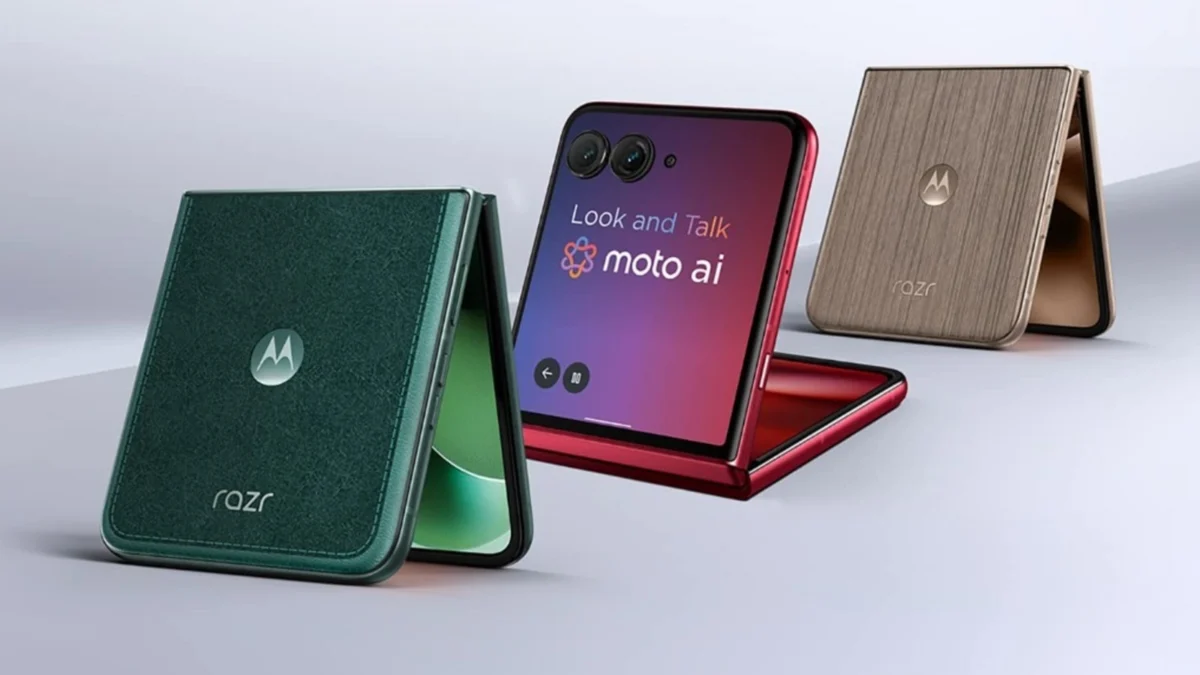
The foldable smartphone segment is bracing for a significant disruption as Motorola officially confirms the arrival of its next flagship, the Razr 60 Ultra 5G. Scheduled for a nationwide launch in India on May 13, 2025, the device aims to bridge the gap between high-end productivity and compact fashion-forward design. Available exclusively via Amazon, the Razr 60 Ultra is poised to challenge the dominance of established players with its promise of "fastest-charging" capabilities and cutting-edge display technology.
A New Era of Foldable Engineering: Main Facts
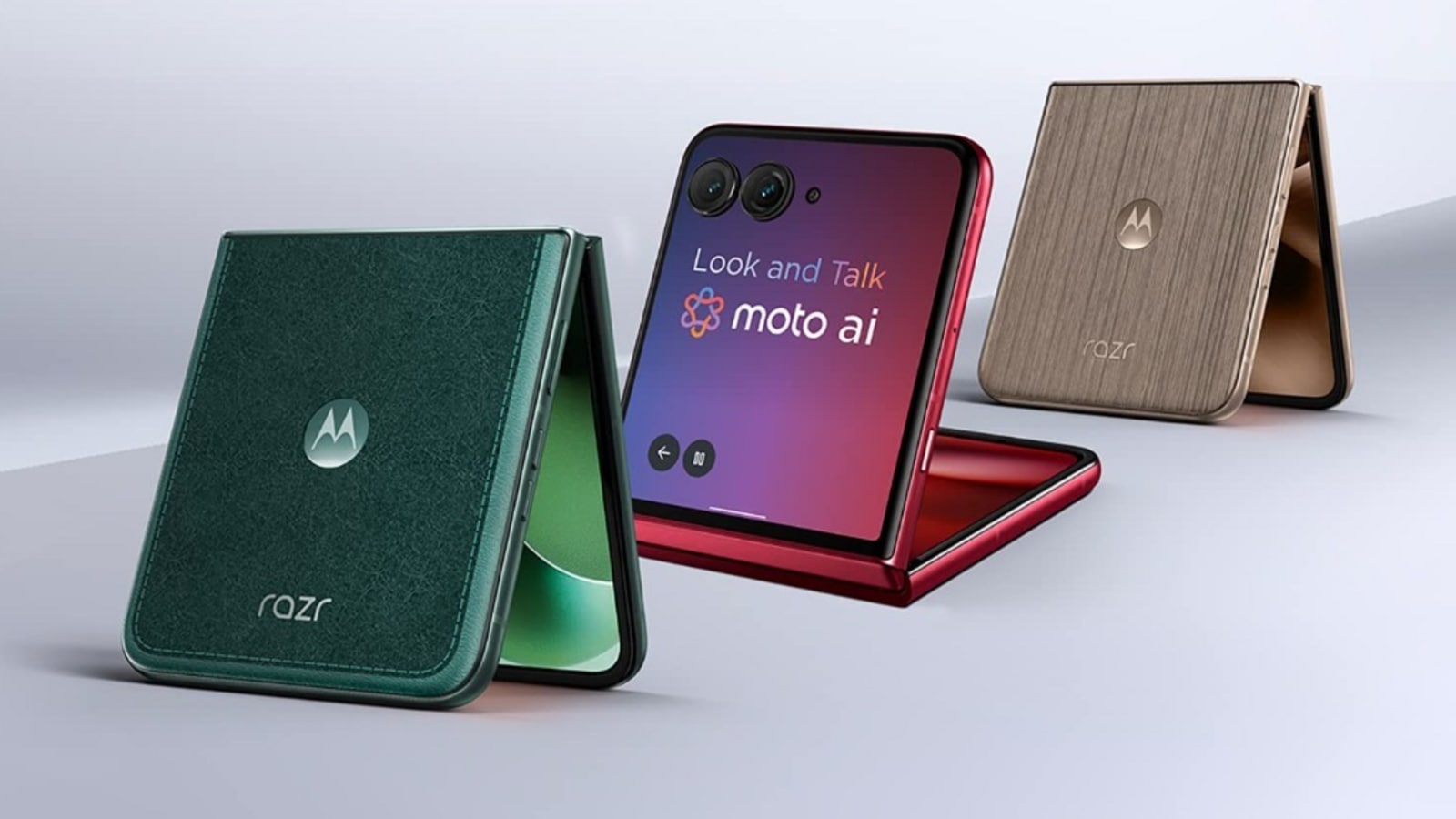
Motorola has strategically positioned the Razr 60 Ultra as more than just a novelty; it is a power-user device disguised in a nostalgic, sleek form factor. The company has confirmed that the smartphone will arrive in three distinct, premium colorways: Mountain Trail, Rio Red, and Scarab.
The core of the device’s appeal lies in its display specifications. The main internal panel is a massive 6.96-inch Super HD pOLED display, while the external cover screen—a cornerstone of the Razr experience—measures 4.0 inches. Both displays boast a fluid 165Hz refresh rate, ensuring that animations and transitions remain buttery smooth. Furthermore, the brightness metrics are industry-leading: the primary screen peaks at an astonishing 4,500 nits, while the cover screen holds its own at 3,000 nits. To ensure longevity, Motorola has reinforced both external panels with Corning Gorilla Glass.
Chronology of the Razr Series: From Nostalgia to Necessity
The journey of the Razr brand in its modern foldable iteration has been one of rapid refinement. When Motorola first revived the Razr moniker, it was met with excitement but tempered by concerns over durability and battery life.
- The Early Phase: The original foldable Razr focused heavily on nostalgia, utilizing a smaller battery and mid-tier processors to maintain its iconic chin design.
- The Pivot: With the Razr 40 and 50 series, Motorola shifted its focus toward the "cover screen-first" design philosophy. The Razr 50 Ultra, launched last year at a price point of Rs. 99,999, set a benchmark for how much utility could be packed into a secondary display.
- The Current Milestone: The May 13, 2025, launch of the Razr 60 Ultra represents the culmination of this learning process. By integrating the Snapdragon 8 Elite chipset and significant battery improvements, Motorola is moving away from the "fashion-first" label toward a "performance-first" identity.
Technical Prowess: Under the Hood
The hardware configuration of the Razr 60 Ultra leaves little to be desired for even the most demanding users. Powering the device is the Qualcomm Snapdragon 8 Elite, a chipset that promises industry-leading AI processing and thermal management.
Performance and Memory
With 16GB of RAM and 512GB of internal storage, the device is built for heavy multitasking. Whether it is editing video on the go or switching between demanding applications, the hardware is configured to prevent the stuttering often associated with Android foldables.
Optical Capabilities
Photography remains a priority. The Razr 60 Ultra features a robust dual-camera array on the rear:
- 50MP Primary Sensor: Equipped with Optical Image Stabilisation (OIS), this sensor is designed for low-light clarity and sharp detail.
- 50MP Ultra-Wide/Macro: This secondary lens provides the versatility required for expansive landscapes and intricate close-up photography.
- Front-Facing Camera: A 50MP selfie shooter ensures that video conferencing and social media content meet the high standards expected of a flagship device.
Energy and Durability
Perhaps the most notable improvement is the 4,700mAh battery—a generous capacity for a flip phone. Combined with 68W wired charging and 30W wireless charging, Motorola is billing this as the fastest-charging flip phone on the market. Furthermore, the inclusion of an IP48 rating provides a necessary layer of protection against dust and water, addressing one of the most common consumer anxieties regarding foldable devices.
Software Ecosystem: Hello UI and Future-Proofing
The device will ship with Android 15, skinned with Motorola’s proprietary "Hello UI." Motorola has committed to a long-term software support lifecycle, promising three years of OS upgrades and four years of security patches. This indicates a shift in corporate strategy, acknowledging that consumers spending over a lakh on a device expect it to remain relevant for at least the next half-decade.
Official Responses and Market Strategy
Motorola’s marketing strategy for the Razr 60 Ultra relies heavily on the "lifestyle-tech" narrative. By offering unique colors like "Mountain Trail" and "Scarab," the brand is appealing to a demographic that views their smartphone as an accessory rather than just a utility.
Market analysts have noted that Motorola’s decision to partner with Amazon for the Indian launch suggests a focus on reaching the tech-savvy urban demographic that prefers online-first retail experiences. While the official price remains under wraps, expectations suggest a starting price around Rs. 1,11,000. This increase over the previous generation reflects both the rising cost of high-end components and the premium status the device is assuming in the current market.
Broader Implications for the Foldable Market
The launch of the Razr 60 Ultra carries significant weight for the broader mobile industry. As the foldable market matures, the differentiation between brands has moved from the "wow factor" of folding to the "usability factor."

1. The Challenge to the Status Quo
Samsung has long held the lion’s share of the foldable market, particularly with its Z Flip series. Motorola’s aggressive specifications—specifically the brightness levels and the camera setup—place direct pressure on Samsung to innovate faster. If the Razr 60 Ultra delivers on its performance promises, it may force a price correction or a feature refresh across the entire flip-phone segment.
2. The Impact of 165Hz Displays
By pushing to 165Hz, Motorola is challenging the industry standard of 120Hz. For the end-user, this results in a more responsive touch experience, which is critical when navigating the complex interfaces of a foldable device.
3. Sustainability and Support
The commitment to four years of security updates is a tacit acknowledgment of the "right to repair" and sustainability movements. By ensuring the phone remains secure for a longer period, Motorola is lowering the "total cost of ownership," which is vital for consumers investing in expensive foldable technology.
Conclusion: Is the Razr 60 Ultra Worth the Wait?
As May 13 approaches, the tech community is watching with anticipation. The Motorola Razr 60 Ultra is not merely a successor to the 50 Ultra; it is a statement of intent. With a massive battery, a top-tier Snapdragon chipset, and a display that rivals the best in the industry, it is clear that Motorola is no longer content with being the "alternative" choice.
If the company can maintain its build quality and software stability, the Razr 60 Ultra could very well become the benchmark for what a premium foldable smartphone should be in 2025. For prospective buyers in India, the combination of a high-performance device and the iconic foldable design makes this one of the most exciting launches of the year. Whether you are a professional needing productivity, a photographer looking for a compact tool, or a style-conscious consumer, the Razr 60 Ultra appears ready to fold the future into your pocket.
Stay tuned as we continue to track the developments leading up to the official release, including hands-on impressions and detailed performance benchmarks post-launch.



